2027 BMW iX3 Neue Klasse Review: The Ultimate Driving Machine Enters a New Era

For decades, BMW adhered to a legendary automotive formula. The brand built its reputation by pairing lightweight chassis with spirited rear-wheel drive systems and high-revving engines that screamed past 7,000 RPM. However, as the automotive industry shifts toward complete electrification, BMW has decided that simple evolution is no longer sufficient. Enter the all-new 2027 BMW iX3, the groundbreaking debut vehicle of the brand’s ‘Neue Klasse’ generation. Featuring a pillar-to-pillar glass dashboard display, an massive next-generation battery, and a radical front-end design, the iX3 represents a full-scale revolution aimed at determining whether the Ultimate Driving Machine can thrive as the Ultimate Charging Machine.

Power, Performance, and the “Heart of Joy” Supercomputer

At launch, the BMW iX3 is offered exclusively in the 50 xDrive trim level. The iconic xDrive badging signifies a dual-motor all-wheel-drive powertrain generating an impressive 463 horsepower and 476 lb-ft of torque. This electric setup rockets the SUV from zero to 100 km/h in just 4.9 seconds, delivering instant power and athletic straight-line performance.

Behind the scenes, BMW has fundamentally rewritten vehicle computing architecture. Traditional automobiles rely on multiple isolated control units for the engine, braking, and steering. In contrast, the iX3 centralizes these operations into a single ultra-fast processor known as the “Heart of Joy”. Processing dynamic data ten times faster than previous BMW platforms, this central brain predicts road conditions and driver inputs in real time, granting the SUV remarkably agile handling.

Braking performance receives a similar high-tech upgrade with BMW’s Soft-Stop technology. The system seamlessly blends regenerative braking with traditional friction brakes, eliminating the abrupt jerk often felt in electric vehicles as they come to a complete halt. Because the calibration is so finely tuned, roughly 98 percent of everyday braking is handled entirely through energy recuperation. This dramatically reduces mechanical wear and tear, translating to significantly fewer brake maintenance visits over the life of the vehicle.

Suspension Tuning and Hands-Free Driving Intelligence

To ensure long-distance comfort on unpredictable road surfaces, BMW equipped the iX3 with a newly engineered Hydraulic Cushion Suspension. While utilizing a traditional mechanical arrangement rather than complex air springs, the dampers are specifically valved to absorb sharp pothole impacts. Even when equipped with optional 21-inch alloy wheels, the ride retains classic BMW tautness, striking a harmonious middle ground between the floating softness of a traditional luxury limousine and the overly stiff ride of competing electric SUVs.

On open highways, the iX3 offers semi-autonomous driving capabilities via an advanced hands-free driving assistant. On compatible divided highways, drivers can safely remove their hands from the steering wheel while maintaining active visual attention on the road ahead.

The system also introduces an intuitive eye-tracking lane change feature. When the iX3 approaches slower traffic and detects an open adjacent lane, it prompts the driver with a lane-change suggestion. To execute the maneuver, the driver simply checks the corresponding side mirror; upon registering the driver’s glance, the car automatically signals and completes the lane change smoothly.

Next-Generation 800V Architecture and Canadian Cold-Weather Range

Engineered to excel across vast distances and extreme winter climates, the iX3 debuts BMW’s sixth-generation eDrive battery technology built on a high-efficiency 800-volt electrical architecture. When connected to a 400-kW DC ultra-fast charger, the battery can replenish from 10 to 80 percent state-of-charge in just 21 minutes.

The heart of the system is a 109 kWh battery pack that achieves an NRCan-certified range rating of up to 698 kilometers on a single charge. This provides sufficient range for long highway road trips with ample margin remaining. Furthermore, the sixth-generation cylindrical battery cells deliver 20 percent higher energy density. This technology helps offset typical cold-weather efficiency drops during severe Canadian winters, giving drivers dependable range figures year-round.

Bold Exterior Styling and the “Neue Klasse” Aesthetic

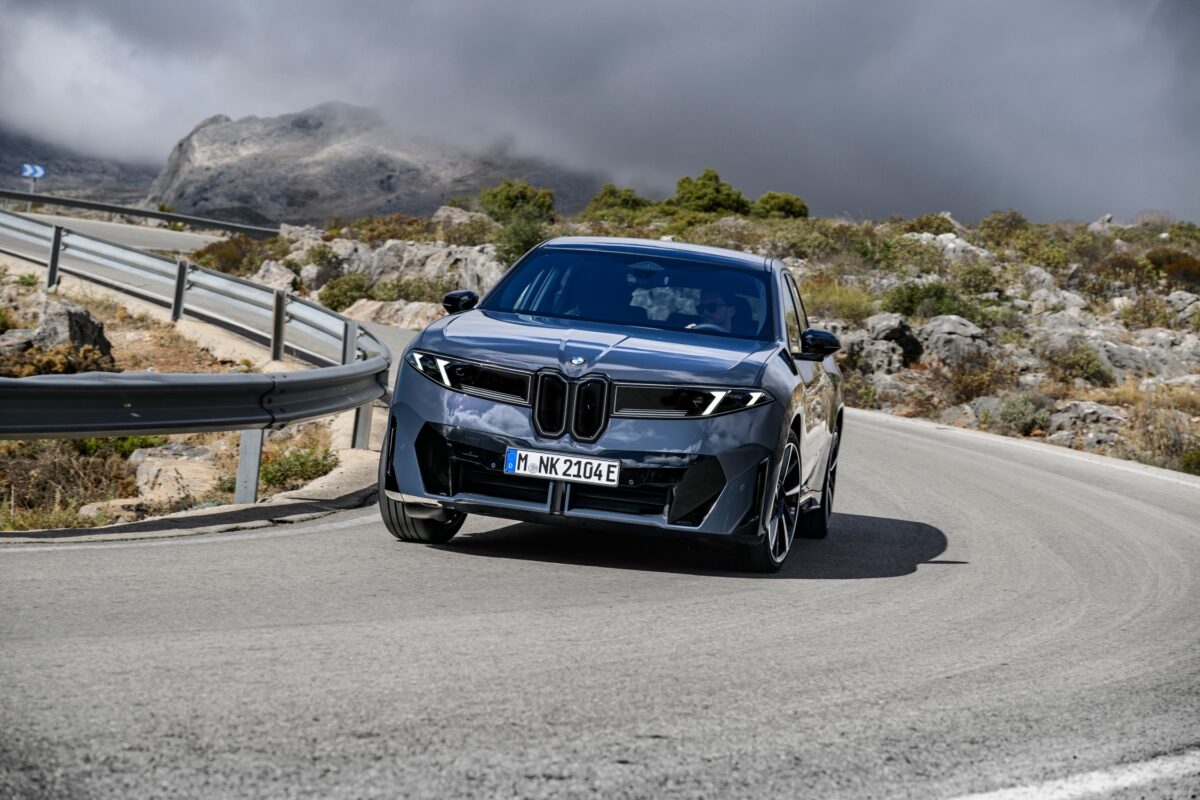
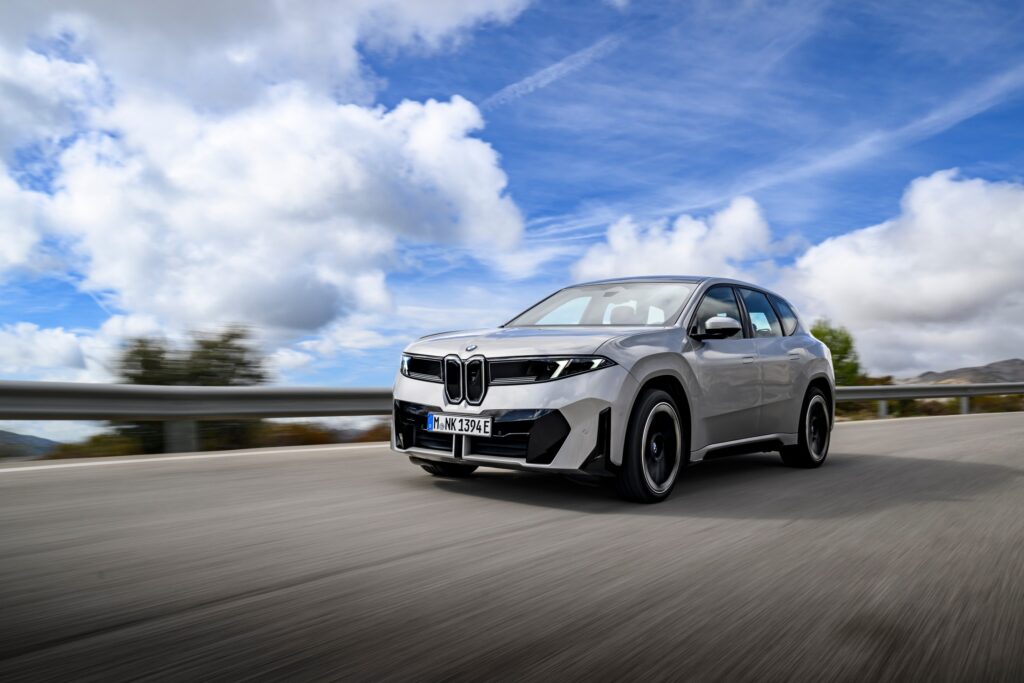
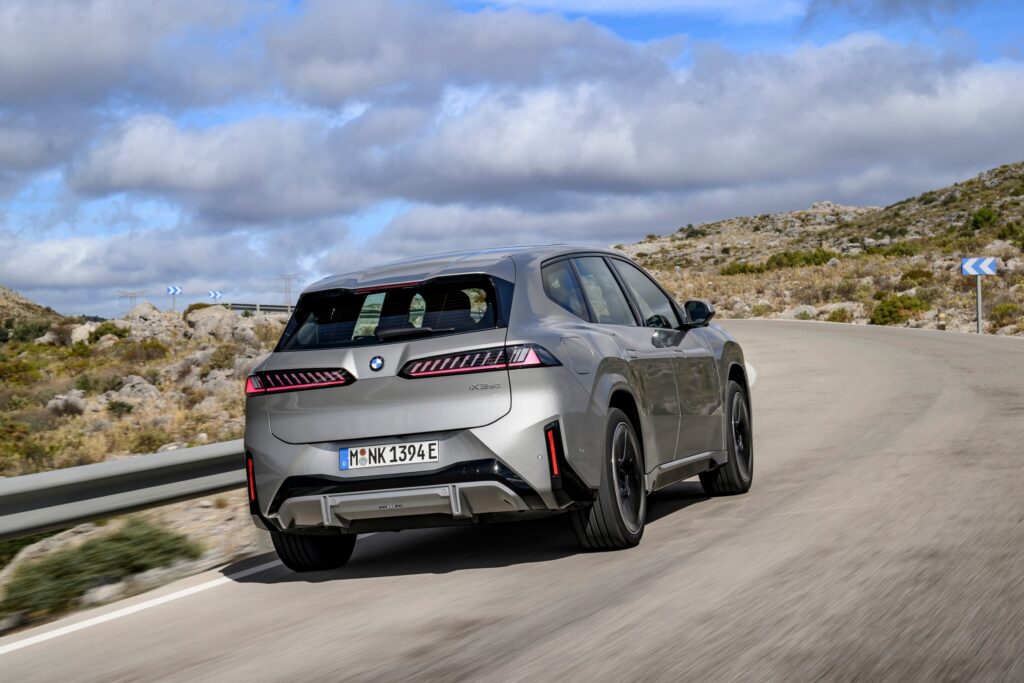
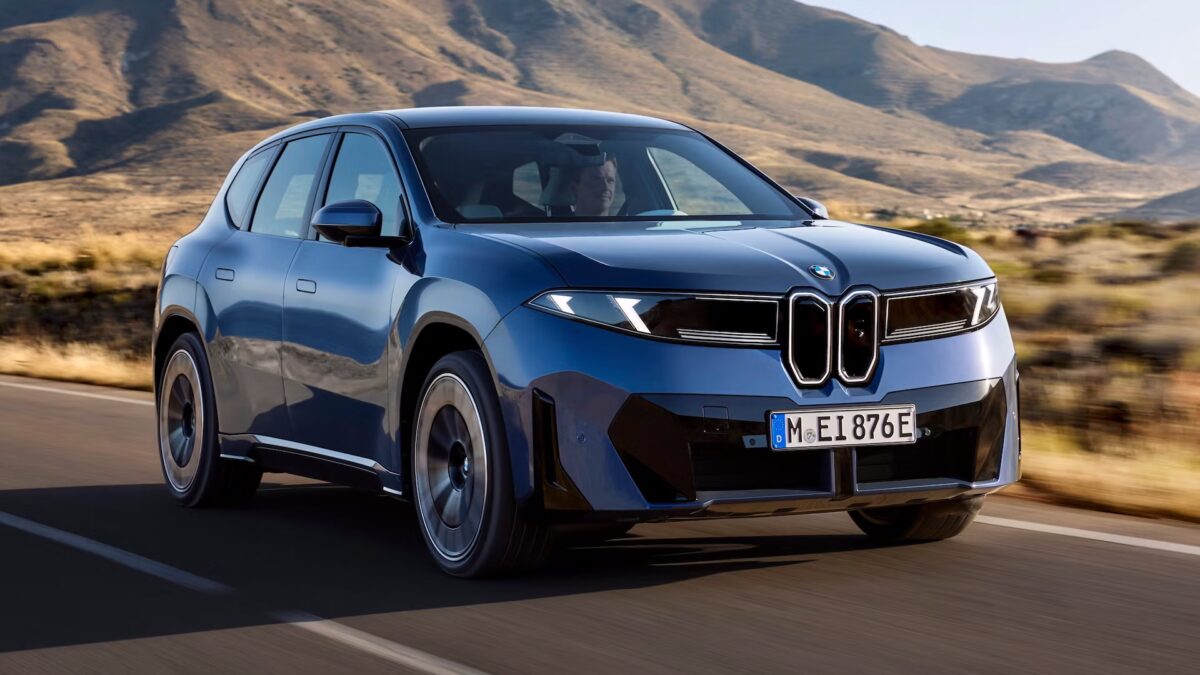
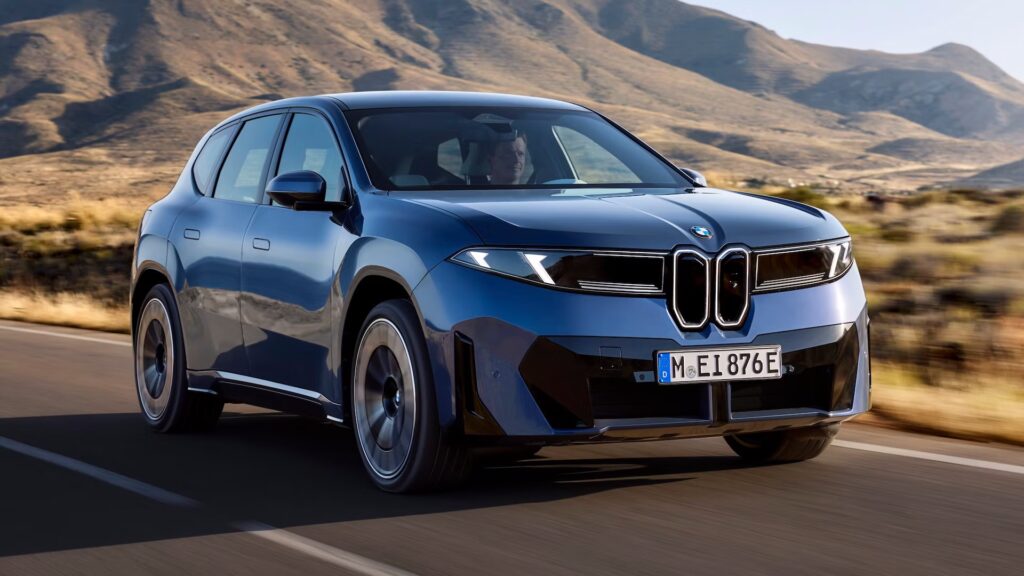
Extensively redesigned from the ground up, the exterior styling of the iX3 introduces a dramatic new design language for the brand. The iconic BMW kidney grille has been reinterpreted as a tall, vertical element flanked by sleek light clusters.

A high-gloss dark accent panel bridges the space between the vertical grille and outer headlights, creating a striking visual signature across the front fascia. The overall silhouette balances sharp geometric body lines with aerodynamic efficiency, establishing a distinct road presence that sets the Neue Klasse lineup apart from conventional luxury crossovers.

Futuristic Interior Architecture, Panoramic Vision, and Tech Quirks

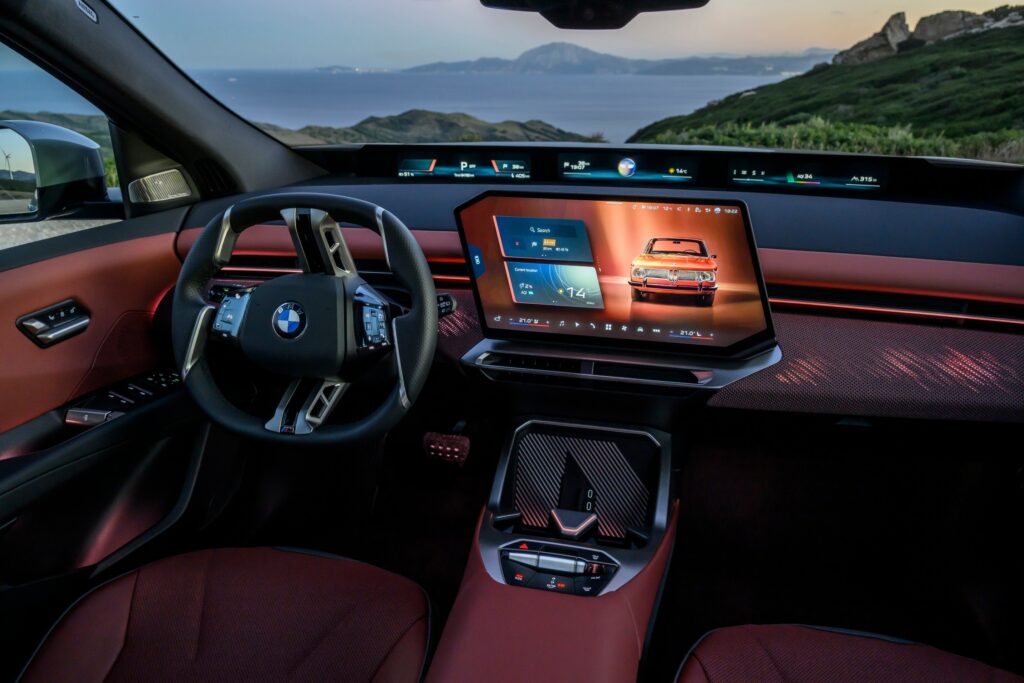
Inside, BMW has completely transformed the vehicle cabin, doing away with traditional physical buttons and the longstanding rotary iDrive controller. Taking center stage is the “Panoramic Vision” display, a full-width projection screen spanning the base of the windshield. Operating as an expanded head-up display visible to all occupants, it keeps critical driving metrics directly in the driver’s natural line of sight.

The driver interacts with a unique “Squircle” steering wheel—a hybrid geometry combining rounded and squared elements inspired by modern game controllers. The wheel spokes feature illuminated touch pods that remain flush with the gloss black trim when the vehicle is off, coming alive with active haptic feedback upon startup.

Below the Panoramic Vision display sits a 17.9-inch matrix-backlit central touchscreen angled aggressively toward the driver. This parallelogram-shaped display pays homage to the driver-centric dashboards of classic 1980s BMW 3-Series models. However, because third-party smartphone mirroring apps like Apple CarPlay and Android Auto are rendered in standard rectangular ratios, the software sits inside a slanted boundary, creating distinct triangular dead zones in the display corners.

To supplement touchscreen controls, BMW integrated an AI-powered Intelligent Personal Assistant backed by Amazon Alexa technology. Drivers can speak natural commands such as “Hey BMW, I’m freezing,” prompting the car to instantly raise the cabin temperature and activate the heated seats.

Cabin Practicality, Sustainable Upholstery, and Canadian Pricing

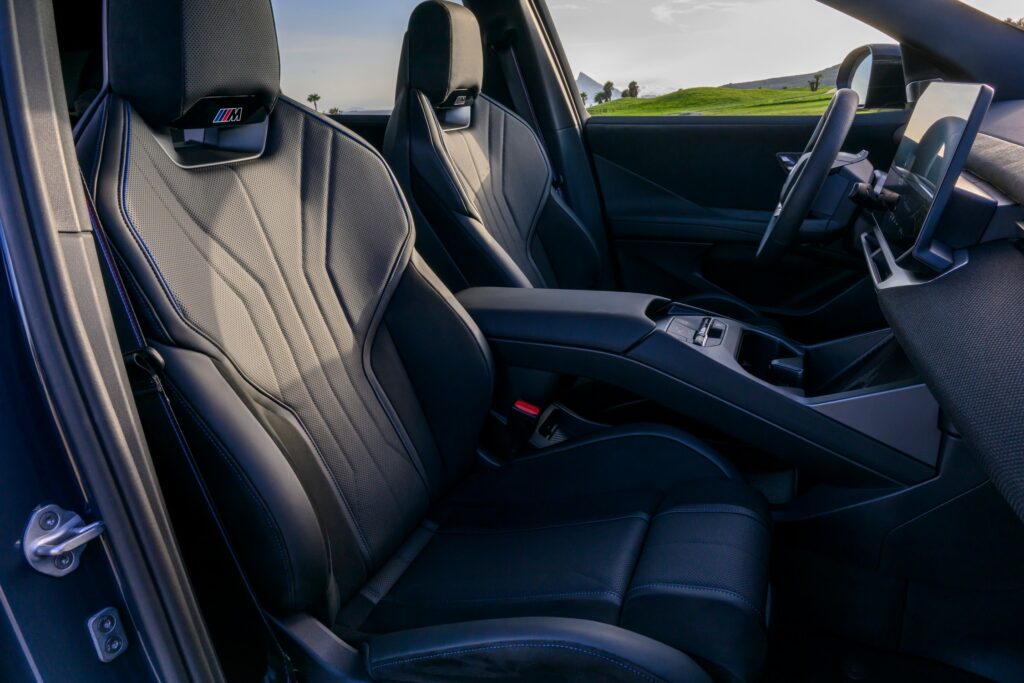
In keeping with the platform’s focus on circularity and sustainability, the standard interior comes wrapped in Verganza, a premium synthetic upholstery crafted from recycled materials. For buyers preferring traditional luxury touches, supple Merino leather upholstery remains available as an option.

Thanks to the dedicated EV architecture and flat interior floor, passenger accommodations are generous. The cabin comfortably seats five adults without a center transmission tunnel intruding on legroom. Rear cargo space is equally functional, easily accommodating sports equipment, luggage, or daily errands.

In Canada, the 2027 BMW iX3 50 xDrive carries a starting MSRP of $75,900 CAD, with a wide variety of exterior paint colors, wheel packages, and interior themes available.

The Final Verdict

The BMW iX3 Neue Klasse successfully bridges the gap between classic BMW driving dynamics and cutting-edge electric innovation. With acceleration that rivals classic M cars, real-world cold-weather range, and an ambitious interior tech suite, it positions itself as a forward-looking luxury crossover.

If you’d like to learn more or test drive the BMW iX3, please get in touch with us at the BMW Store Vancouver or BMW Langley.


2026 Porsche Cayenne Electric: The Ultimate High-Performance Luxury EV SUV 

For over two decades, the Porsche Cayenne has consistently delivered on an ambitious promise: transforming a heavy, two-ton family SUV into a vehicle that handles like a 911. Millions of sales later, Stuttgart’s flagship SUV has funded racing programs and set the benchmark for performance utility vehicles. Now, Porsche engineers have taken a radical leap forward by swapping the traditional internal combustion powertrain for a massive battery pack. 

The 2026 Porsche Cayenne Electric enters a highly competitive luxury market to answer a critical question for enthusiasts and daily commuters alike: is this all-electric SUV still a proper Porsche, or has it simply become a very fast, ultra-expensive gadget? 

Sleek Design and Dynamic Aerodynamics 

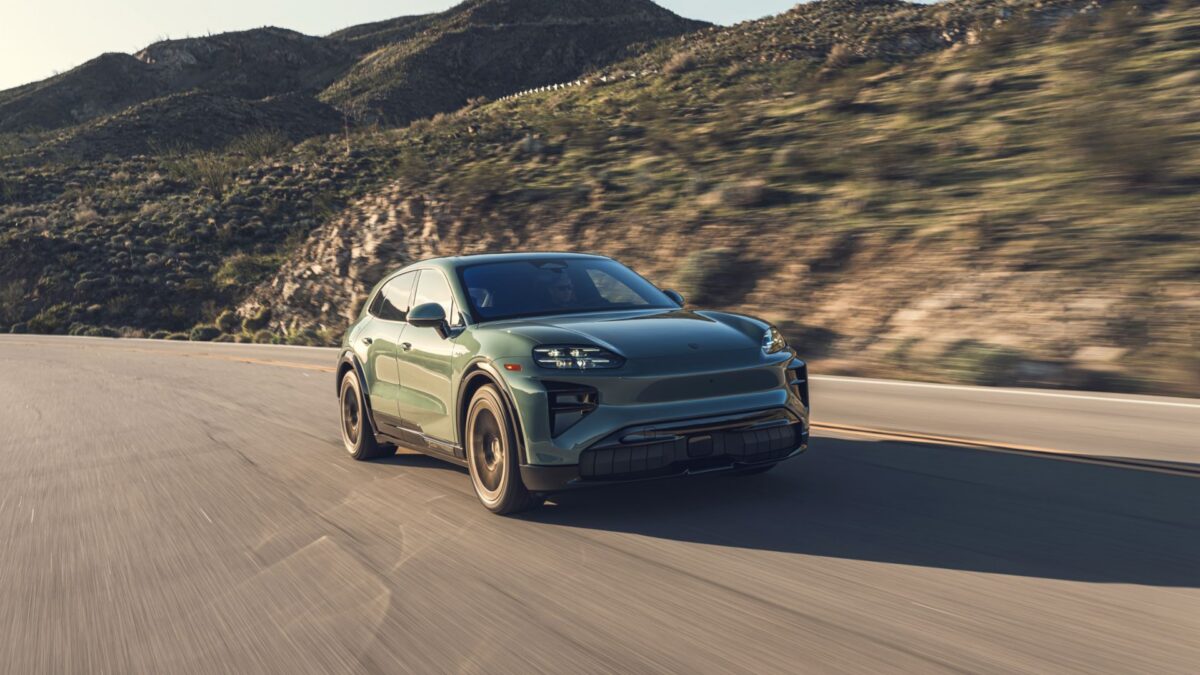
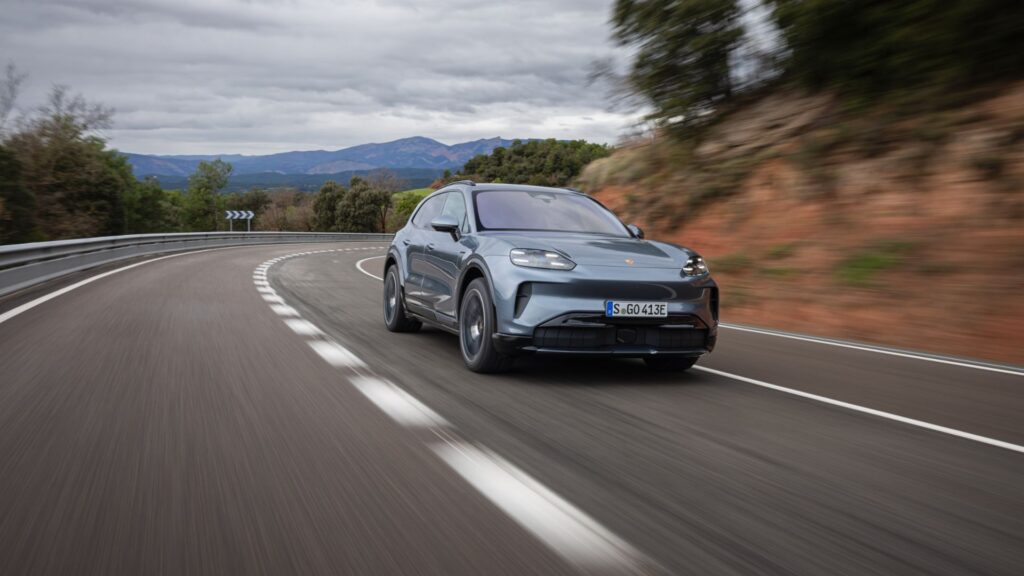
Visually, the Cayenne Electric maintains classic Porsche proportions while adopting a smoother, slightly elongated silhouette compared to its gasoline-powered counterpart. It rides on standard 20-inch aero wheels, with optional 21-inch and 22-inch designs available for a more aggressive stance. Sharp matrix-LED headlights illuminate the front fascia, while a modern light strip featuring illuminated Porsche lettering defines the rear end. 

On the flagship Turbo model, functional aesthetics meet active engineering. At speeds above 65 km/h, motorized aero blades automatically deploy from the rear section to actively reduce drag. This transformer-like feature not only boosts driving range and high-speed stability, but it also brings a captivating sense of design theater to the luxury EV segment. 

A Revolutionary Screen-Driven Interior and the “Ferry Pad” 

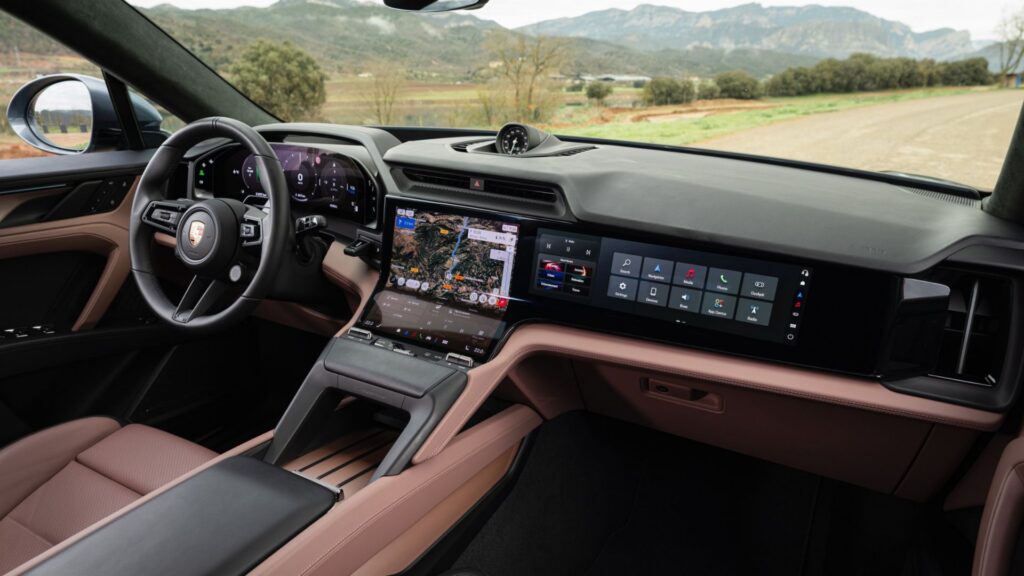
Stepping inside the cabin reveals a tech-forward cockpit dominated by premium display surfaces. The central highlight is a 12.25-inch curved OLED infotainment touchscreen that flows smoothly into the center console, boasting deep contrast levels and crisp resolution. 

Recognizing the common frustration of trying to tap floating touchscreens on bumpy roads, Porsche introduced a clever ergonomic leather ledge situated directly below the main display. Named the “Ferry Pad”, an homage to Ferry Porsche, this resting spot allows drivers to anchor their palm, ensuring natural, steady finger placement along the lower screen controls. 

The software platform is fully widget-based and customizable to individual driver preferences. Navigation maps can occupy the top section of the screen, while essential shortcuts, such as air suspension height adjustments, garage door openers, or controls for the optional electromagnetic panoramic glass roof, remain pinned along the lower curved boundary. 

Drivers are also greeted by a hoodless 14.25-inch curved digital instrument cluster, derived from the Taycan, which handles vital electric powertrain data and full-screen telemetry. Front passengers aren’t left out either, as an optional 14.9-inch display allows them to stream media and watch content on the move. 

Practicality, Frunk Storage, and Cabin Space 

Because the Cayenne Electric is engineered on a bespoke, dedicated electric vehicle architecture, it eliminates the central transmission tunnel entirely. This flat-floor design translates to noticeable cabin gains, offering rear passengers significantly more legroom and foot space. 

Practicality remains paramount for a midsize luxury SUV. Behind the second-row seats, the Cayenne Electric provides over 780 liters of standard cargo capacity. Folding down the 40/20/40 split rear backrests expands total load volume to over 1,500 liters. Additionally, replacing the internal combustion engine opens up a front trunk (“frunk”) perfect for stowing charging cables, mobile gear, or smaller travel bags. 

Adaptive Air Suspension and Physics-Defying Active Ride 

Managing the mass of an electric vehicle is one of the toughest challenges in automotive engineering, and the base Cayenne Electric tips the scales at over 2,500 kilograms. To maintain sharp handling and serene ride quality, Porsche equips the SUV with standard adaptive air suspension. Potholes and rough pavement are smoothed out effortlessly, giving the vehicle a hovercraft-like composure over uneven tarmac. 

Buyers stepping up to the S or Turbo trim levels can select the advanced Porsche Active Ride system. This setup uses hydraulic pumps attached to individual dampers to actively counteract body motion. By rapidly adjusting fluid pressure at each wheel, the system keeps the SUV completely flat under aggressive cornering and heavy braking, offering a smooth, almost weightless driving experience. 

Double-glazed acoustic glass paired with extensive sound insulation keeps cabin noise exceptionally low. However, for drivers missing the soundtrack of a traditional powertrain, Porsche developed an optional Electric Sport Sound system. Engineers recorded the authentic exhaust note of a twin-turbocharged V8 engine and digitally mapped it to the electric motor’s RPM, even mimicking brief torque interruptions to simulate gear shifts. While purists may prefer to turn this feature off via the touchscreen, it adds a familiar, emotive layer to high-speed driving. 

Unmatched Acceleration and Dynamic Handling Specs 

Straight-line performance in the Cayenne Electric spans from quick to mind-bending across its three core trim variants: 

  • Cayenne Electric (Base): Generates up to 435 peak horsepower and 616 lb-ft of torque, accelerating from 0 to 100 km/h in a swift 4.8 seconds. 
  • Cayenne Electric S: Increases performance output to 657 peak horsepower and 797 lb-ft of torque. 
  • Cayenne Electric Turbo: Delivers a staggering 1,139 peak horsepower and 1,106 lb-ft of torque, blasting from 0 to 100 km/h in just 2.5 seconds—putting supercar acceleration into a practical family vehicle. 

The real engineering feat lies in how the SUV corners. Bolted directly into the chassis floor, the massive 113 kWh battery pack lowers the overall center of gravity while acting as a structural member to maximize frame rigidity. Coupled with dynamic motor torque vectoring, optional five-degree rear-axle steering, and Active Ride technology, the Cayenne Electric pivots around tight turns with incredible agility. 

Range, 800-Volt Charging, and Canadian Pricing 

Range anxiety is minimized thanks to the standard 113 kWh battery pack. While official Canadian EPA/NRCan estimates will be finalized closer to launch, European WLTP testing rates the standard model at up to 642 km, which translates to an estimated real-world Canadian range of roughly 530 km depending on driving conditions. 

Charging times are equally impressive thanks to the advanced 800-volt architecture. The Cayenne Electric supports peak DC fast-charging rates up to 390 kW, enabling a 10% to 80% charge in just 16 minutes at a compatible high-speed station. Home charging is equally efficient; opting for the 19.6 kW AC on-board charger completes a 0% to 100% full charge in approximately 6.5 hours. Porsche also prepared the vehicle for future wireless pad charging equipment. 

Canadian Base MSRP Pricing: 

  • Cayenne Electric Base: Starts at $131,300 
  • Cayenne Electric S: Starts at $142,600 
  • Cayenne Electric Turbo: Starts at $178,300 

As expected with Porsche, optional equipment allows extensive personalization. Upgrades such as Oak Green Metallic paint ($3,250), 22-inch wheels ($4,200), Rear-Axle Steering ($1,470), and the Burmester Surround Sound System ($7,980) offer buyers complete control over their vehicle’s final specification. 

Final Verdict: A New Era for Porsche Performance 

While electric propulsion alters the mechanical feedback traditionally associated with gas engines, the 2026 Porsche Cayenne Electric stands out as a triumph of modern engineering. It pairs extreme power and rapid charging tech with exceptional cornering dynamics, high-end luxury, and daily utility. More than just a great EV, it represents a remarkable luxury performance SUV tailored for the modern electric age. 

If you’d like to learn more or test drive the Cayenne Electric, please get in touch with us at one of our Porsche Centre locations or online at www.OpenRoadAuto.com 


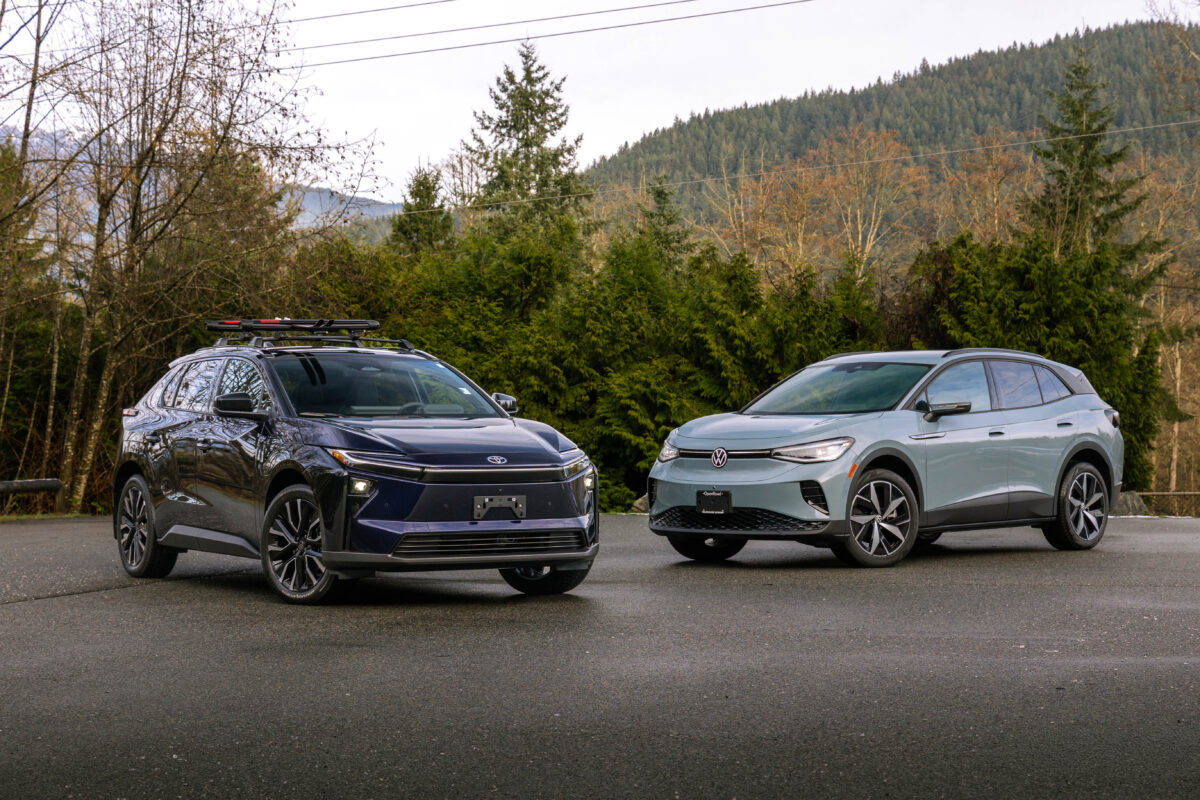
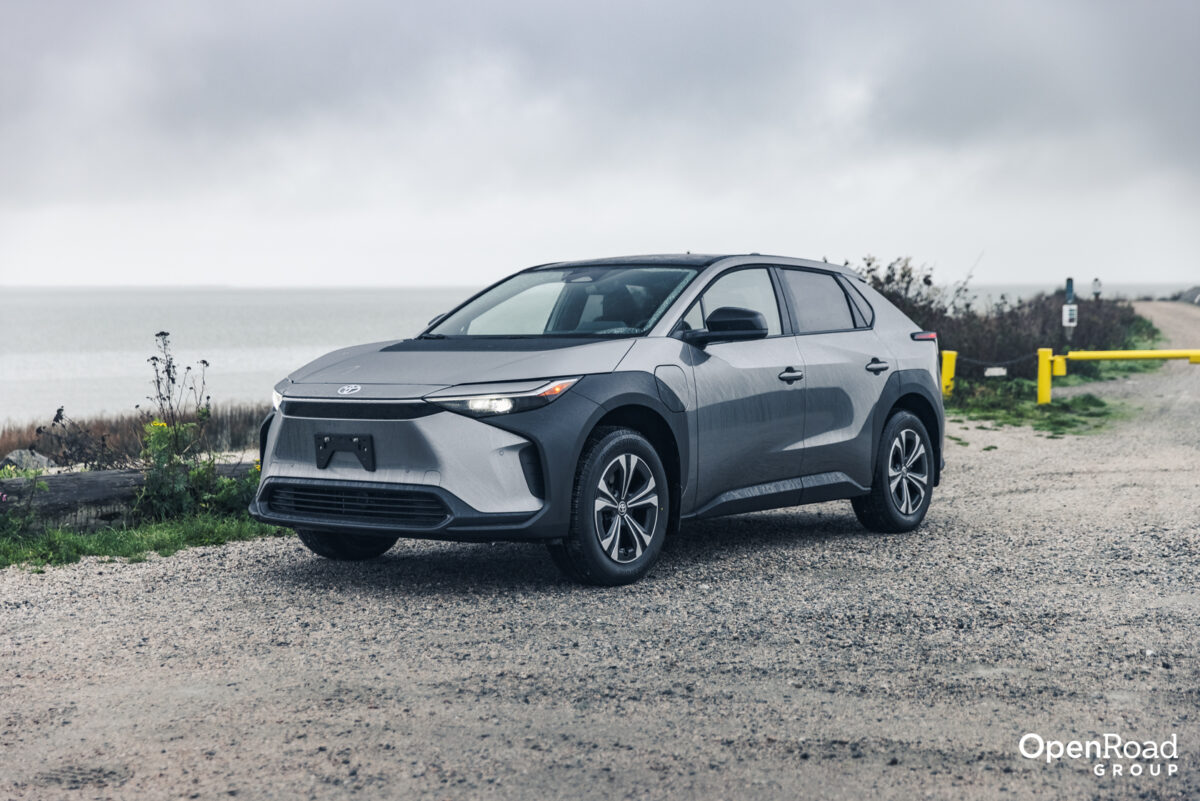
Comparing the updated 2026 Toyota bZ against the 2026 Volkswagen ID.4 

The electric crossover market has become one of the most competitive spaces in the automotive industry, and few models illustrate that better than the Toyota bZ and Volkswagen ID.4. Each represents a distinct approach to electrification. 

Design 

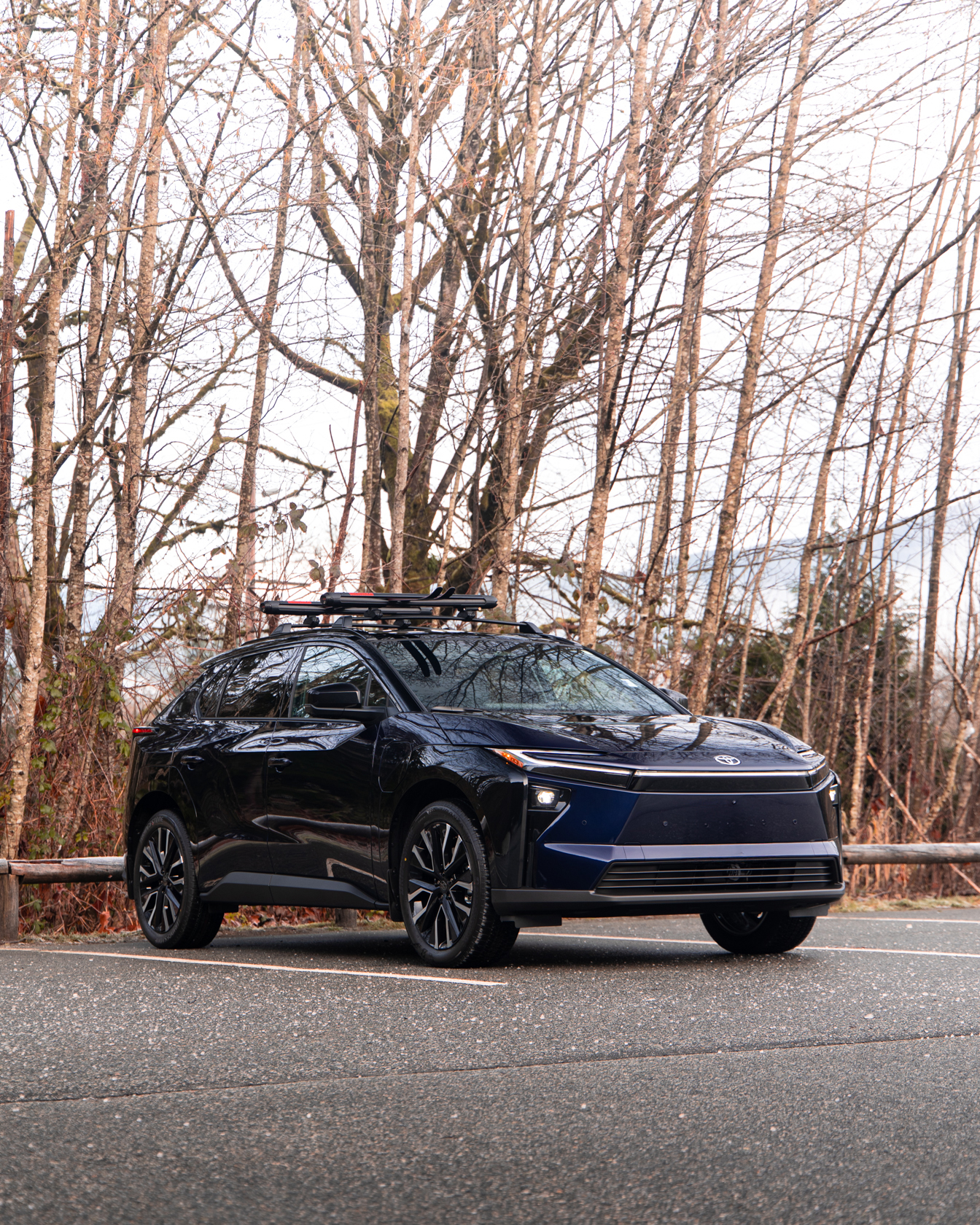
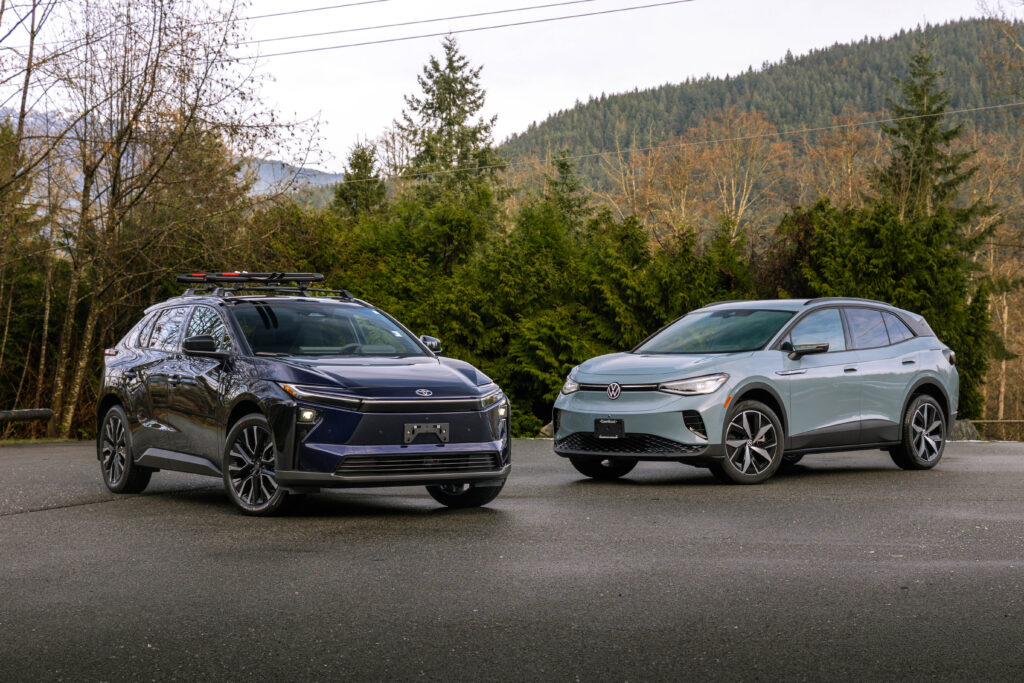
At first glance, these two take different approaches to exterior styling. The Toyota BZ mixes a modern and rugged design with its two-tone paint scheme and newly designed LED headlights. The Volkswagen ID.4 looks more traditional; more like a gasoline powered crossover SUV than an electric vehicle. 

The differences continue to the inside of each EV. The Toyota bZ’s interior design is quite different from any other electric vehicle. The center console and infotainment are pretty simple to use, but the driver instrumentation display and steering wheel are unlike anything else. It’s unique, but not everyone will love it. 

Interior space is good in the front seats, but rear occupant space is a bit less than the Volkswagen. It’s a similar story in the trunk with the ID.4 accommodating more cargo than the Toyota bZ. 

The Volkswagen ID.4 takes a simpler approach to interior design. But it may be a bit too simple for some. Volkswagen uses capacitive touch controls on the steering wheel which you may inadvertently touch while turning, which may change the radio station or turn up the radio volume. The climate also uses capacitive touch controls just underneath the infotainment touchscreen which can be a bit finnicky to use while driving. 

But when it comes to space, the ID.4 has the most amount of headroom and more rear legroom than the Toyota. Plus, it can swallow more family cargo in the back than the bZ. 

Powertrains 

You can get the ID.4 with up to 335 hp. That is with the larger battery pack and with AWD. The RWD version with the larger battery produces 282 hp while the base trim with the smaller battery produces 201 hp.   

To drive, the ID.4 feels like a German car should. It’s stable, smooth, and competent around corners.   

By comparison, the Toyota bZ doesn’t match the ID.4 when it comes to driving dynamics. At least, not the single motor version. Where the ID.4 has a RWD layout, the Toyota bZ has the electric motor powering the front wheels. This doesn’t make much difference in boring city traffic, but it does when you find yourself on twisty mountain roads. 

But the AWD version is a bit better to drive. For 2026, the bZ gets a huge bump in power. It goes from 214 hp to 338 hp. This makes the bZ more powerful than the ID.4 

Range & Charging 

The 2026 Toyota bZ also gains a more powerful on-board charger, 11 kW up from 6.6 kW. So, level 2 charging is going to be faster now. As for level 3 charging, it can take up to a maximum of 150 kW which means 10% to 80% takes just under half an hour. 

Moving to the Volkswagen ID.4, it can accept up to 175 kW of power but because it has a bigger battery than the bZ, it takes just under half an hour as well from 10% to 80% state of charge. 

As for the driving ranges when the batteries are topped up? The ID.4 can drive for up to 468 km in the RWD layout. The AWD dips to 423 km.  

As for the Toyota bZ, it’s the XLE AWD that has the most range with up to 468 km, just like the ID.4. The FWD version can only drive for up to 380 km. 

Pricing & Features 

When it comes to pricing, the Toyota bZ is the least expensive of the two. It starts at $45,990 which is actually a little bit less than the previous model year. That usually never happens. The Volkswagen ID.4 is a bit more expensive with a starting price of $48,495  

But if you opt for a fully loaded version of each, the Toyota bZ is still the least expensive at just under $62,000 while the ID.4 is just under $64,000. 

What features do you get for the $60,000+ price tag? Quite a few. Both are available with leatherette upholstery, heated & ventilated front seats, heated rear seats, wireless phone charging pad along with wireless Apple CarPlay & wireless Android Auto connectivity, dual-zone automatic climate control (3-zone in the Volkswagen), and surround view cameras among others. 

Each EV also has a few features that are unique to that model. For example, the Toyota bZ is available with radiant foot and leg heaters while the Volkswagen ID.4 is available with front massaging seats. 

So what’s the verdict? Well it comes down to your needs and preferences. The ID.4 is the conventional choice with a balanced driving demeanor and ride. While the Toyota bZ is the safe and reliable companion.  

If you’d like to learn more or test drive any of these cars, please get in touch with us at OpenRoadAuto.com
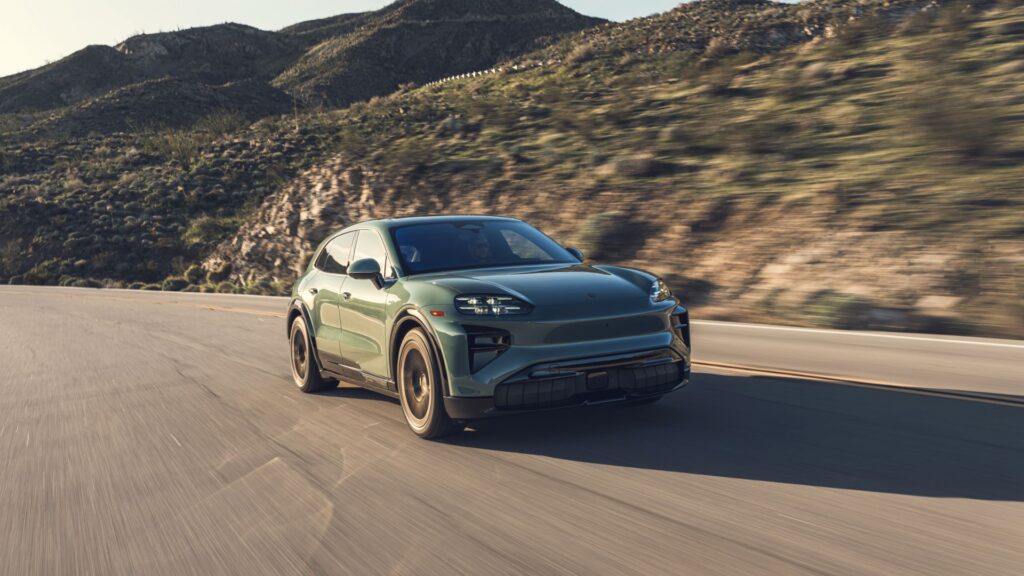

The Most Anticipated EVs of 2026

The electric vehicle market is accelerating. Automakers are positioning several new models for launch in 2026 that aim to push range, performance, charging speed, design innovation, and affordability. These EVs reflect maturing battery technology and increasing competition. Below are some of the top EVs to watch for in 2026. 

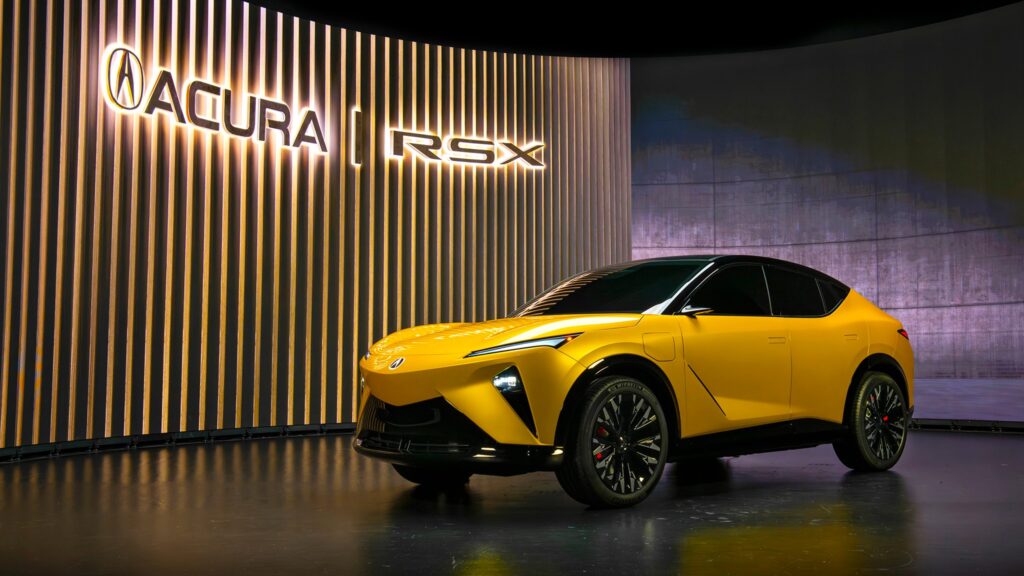
Acura RSX 

The Acura RSX was a fun sports car back in the early 2000’s. In 2026, Acura is reviving the RSX name but it will be on the back of a new electric crossover. The 2026 RSX will join the ZDX in Acura’s growing EV portfolio. The new RSX will be built on Acura/Honda’s new dedicated EV platform with assembly in Ohio. Expect to see the RSX at OpenRoad Acura Richmond in the second half of 2026. 

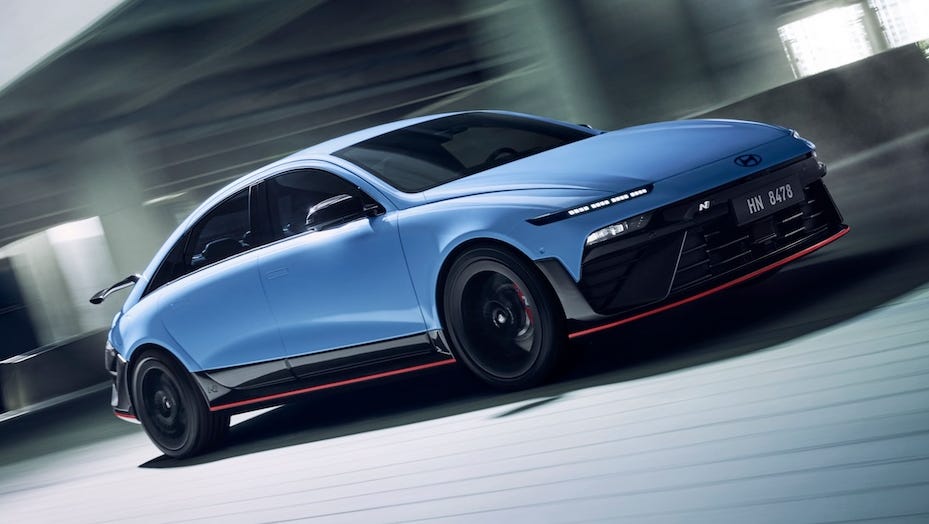
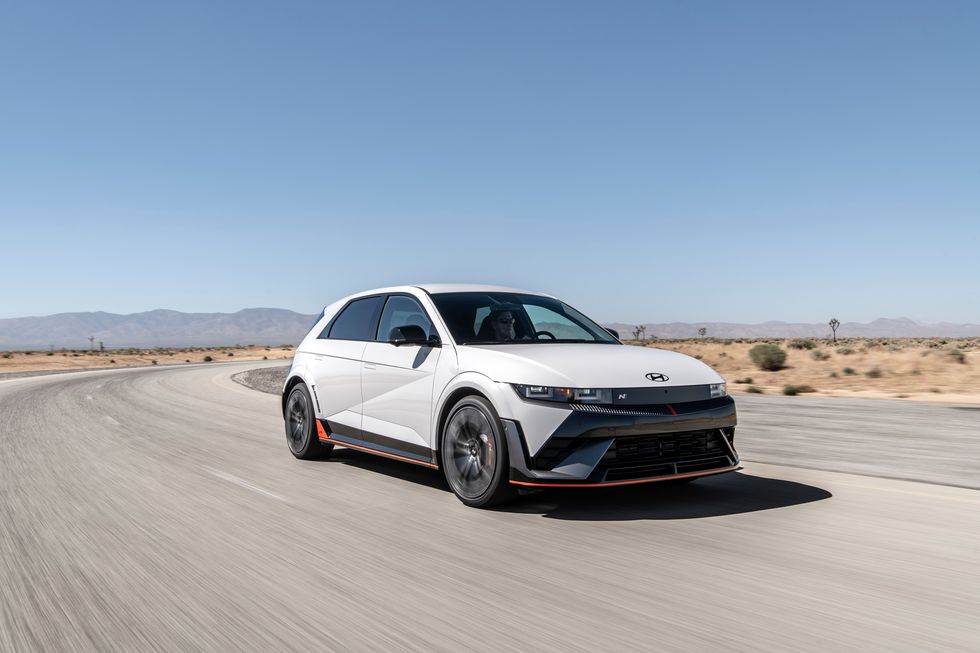
Hyundai IONIQ 6 N 

Following the success of the IONIQ 5 N, the IONIQ 6 N will bring supercar performance in the shape of a sleek electric sedan. The 6 N will adopt the same dual-motor powertrain with up to 641 hp on tap and a 0-100 km/h time of around 3.2 seconds. Like the IONIQ 5 N, the IONIQ 6 N will replicate virtual gear changes and simulate engine sounds for a more thrilling driving experience. Expect to see the Hyundai IONIQ 6 N at OpenRoad Hyundai Richmond’s showroom in early 2026. 
BMW iX3 

Based on the Vision Neue Klasse Concept, the iX3 will be a smaller version of the popular iX electric SUV in the brand’s portfolio. The new iX3 ushers in a new design era with slimmer BMW kidney grilles and a simplified interior. Boasting up to 463 hp, the iX3 will be a quick EV and it will allow for long road trips thanks to an estimated driving range of up to 650 km. The 2026 BMW iX3 will arrive at The BMW Store Vancouver and BMW Langley in Spring of 2026. 

Lexus ES 

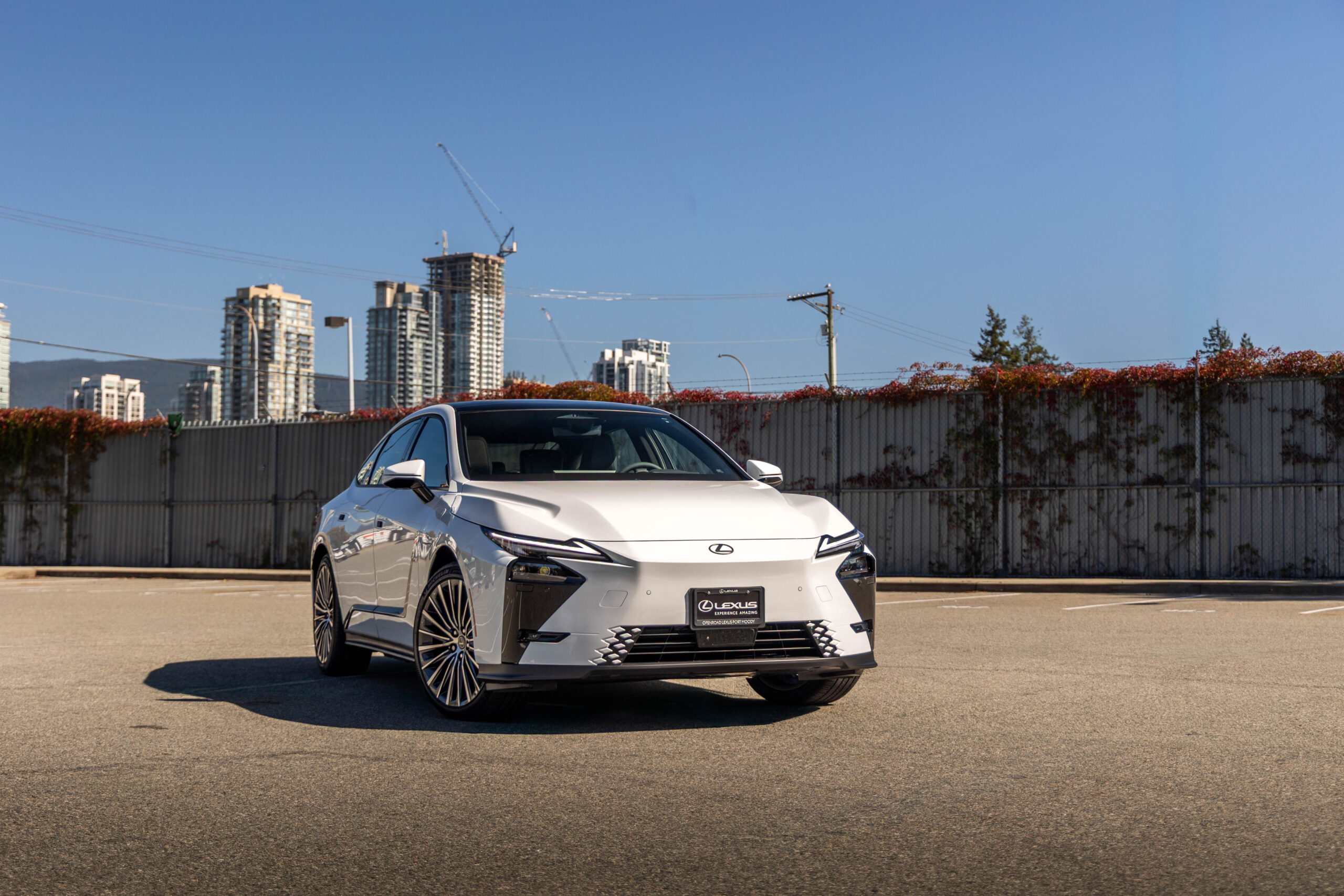
Entering its 8th generation, the 2026 Lexus ES will be offered for the first time as a battery electric vehicle alongside a new hybrid powertrain. Available with FWD or AWD, the electric versions of the 2026 ES will have an estimate driving range of up to 480 km, but Lexus has not yet released power figures. Inside, the 14-inch touchscreen is the center focal point of the dashboard along with two new Lexus design elements. Bamboo Layering recreates the depth and flow of natural bamboo using 3D printing while Synthetic Leather Embossing pairs sharp embossing with ambient lighting to enhance the cabin’s clean, elegant atmosphere. Sales of the 2026 Lexus ES will start in early 2026 at OpenRoad Lexus Richmond, OpenRoad Lexus Port Moody, and Lexus of London.  

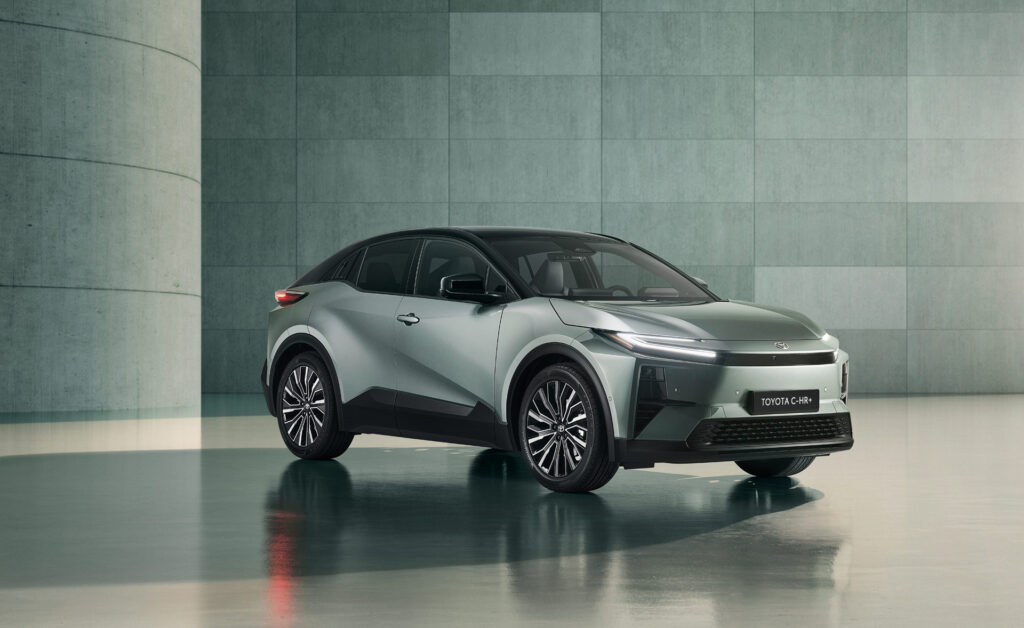
Toyota C-HR 

The Toyota C-HR returns as a compact electric crossover alongside the Toyota bZ4X. The 2026 C-HR features a coupe-like profile with an eye-catching design that is similar to the Toyota Crown Signia. It will be available as a FWD with 221 hp or AWD with 338 hp and an electric driving range of up to 500 km. No word on pricing but you can expect to see it in one of our 6 OpenRoad Toyota showrooms across BC and Ontario in early 2026.  

Subaru Uncharted 

Just as the Solterra is based on the bZ4X, the all-new Uncharted is based on the equally new C-HR EV. The Subaru Uncharted sports the same updated design as its Solterra bigger brother. But with its smaller size and available AWD system, it will sprint from a stop to 100 km/h in around 5 seconds. Subaru is estimating up to 500 km of driving range for the FWD version and a little bit less with the dual-motor AWD version. Expect to see the new Uncharted at OpenRoad Subaru Boundary in early 2026. 
Mercedes-Benz GLC-Class Electric 

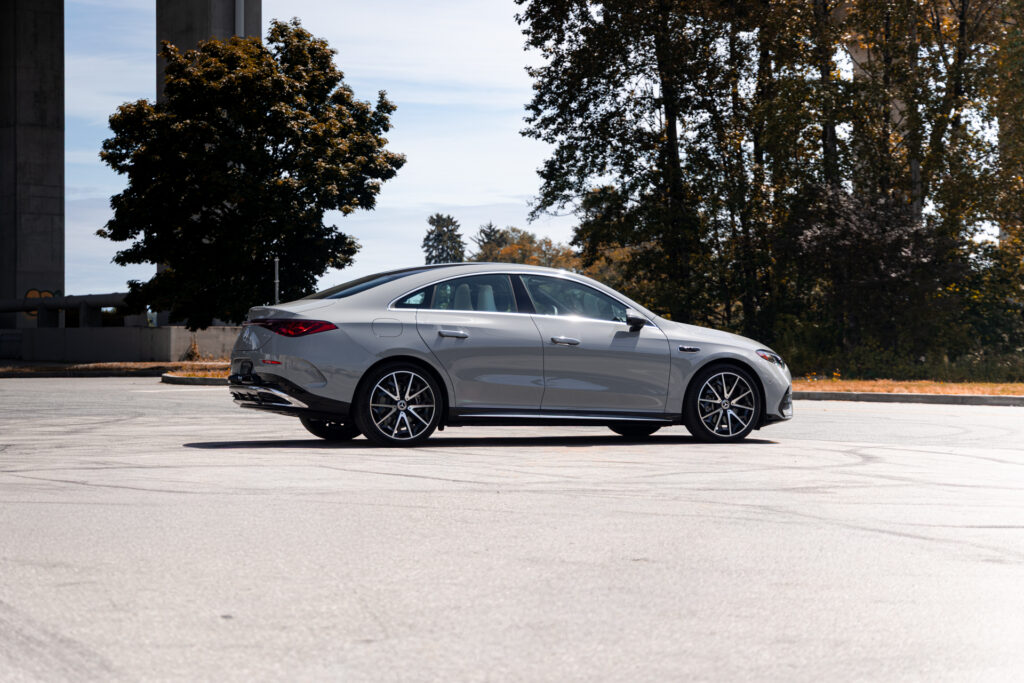
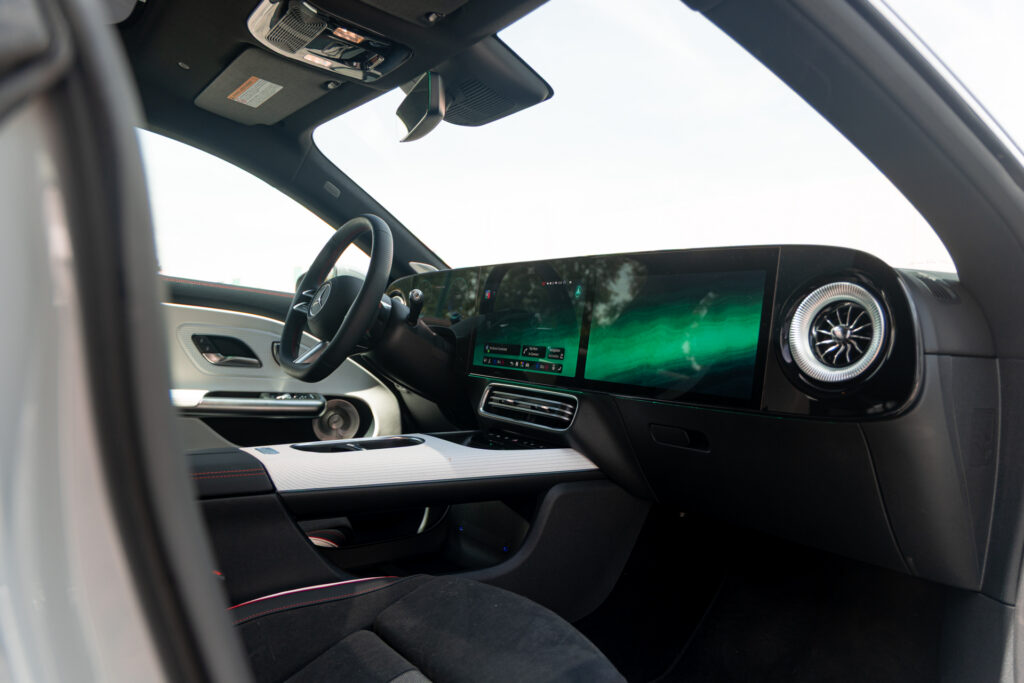
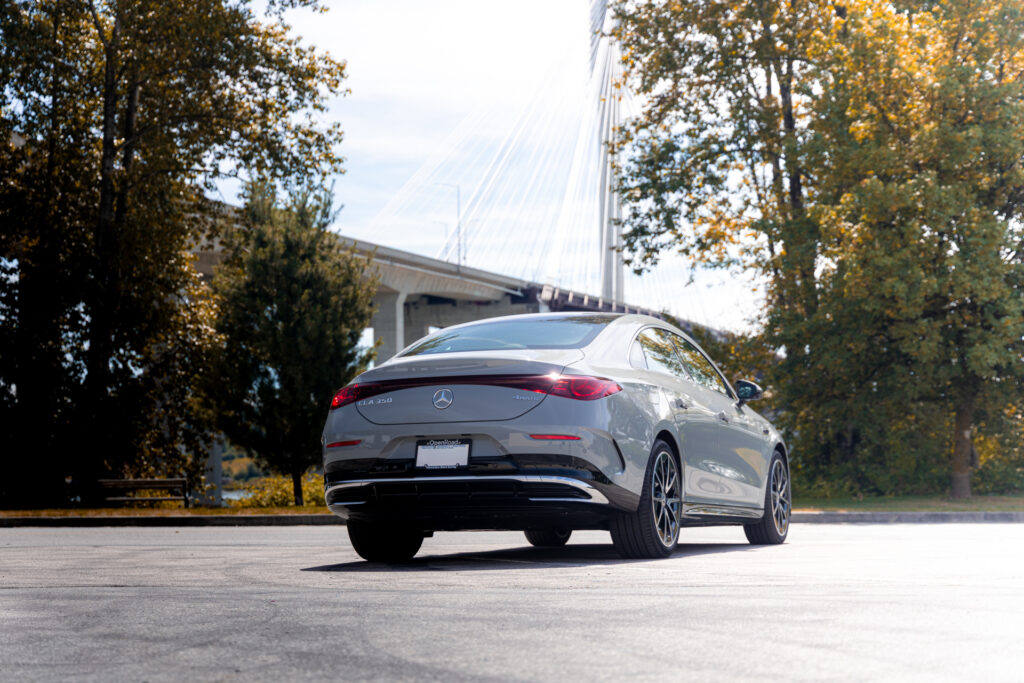
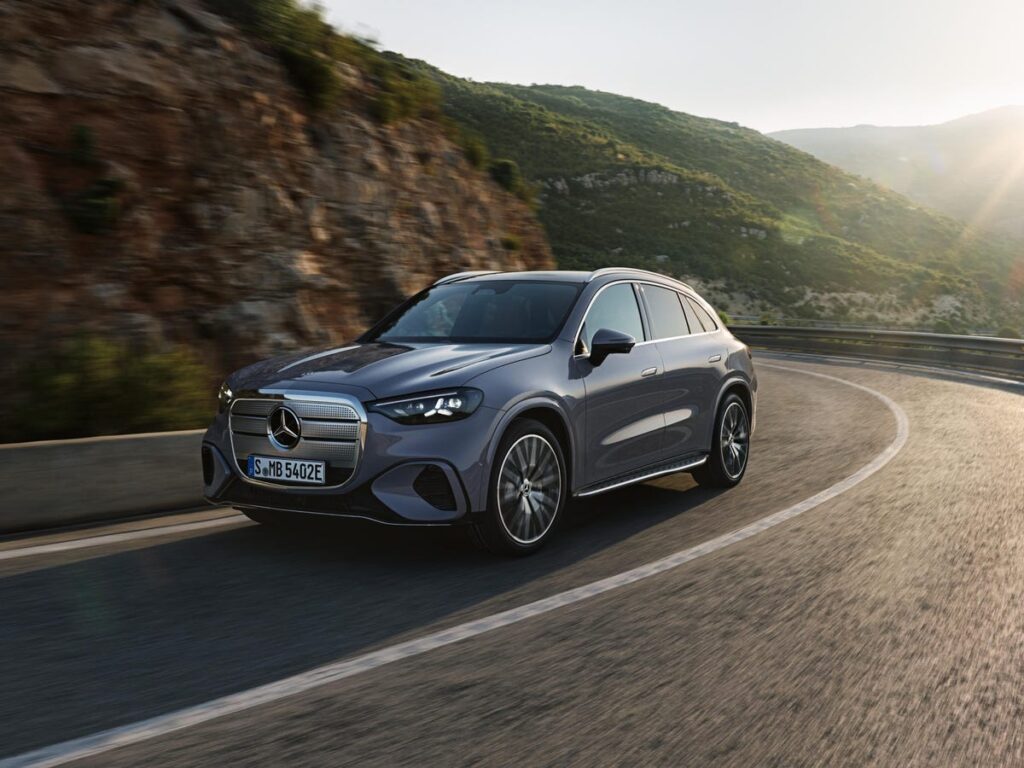
The Mercedes-Benz GLC-class is one of the most popular SUVs in the brand’s portfolio, so it comes as no surprise that an electric version is on the horizon. Dubbed the GLC SUV with EQ Technology, it will be a pivotal shift in the brand’s EV portfolio. The GLC EQ will feature a brand-new iteration of the Hyperscreen that is currently available in some EQ models. It will also integrate a new 4th generation infotainment system and AI based voice controls. Powering the new GLC class with EQ Technology will be a 94-kWh battery pack providing up to 483 hp and a new two-speed transmission. The 2027 Mercedes-Benz GLC with EQ Technology is expected to arrive at OpenRoad Mercedes-Benz Surrey sometime in 2026. 


Dreams Take Flight Under a Lavender Haze

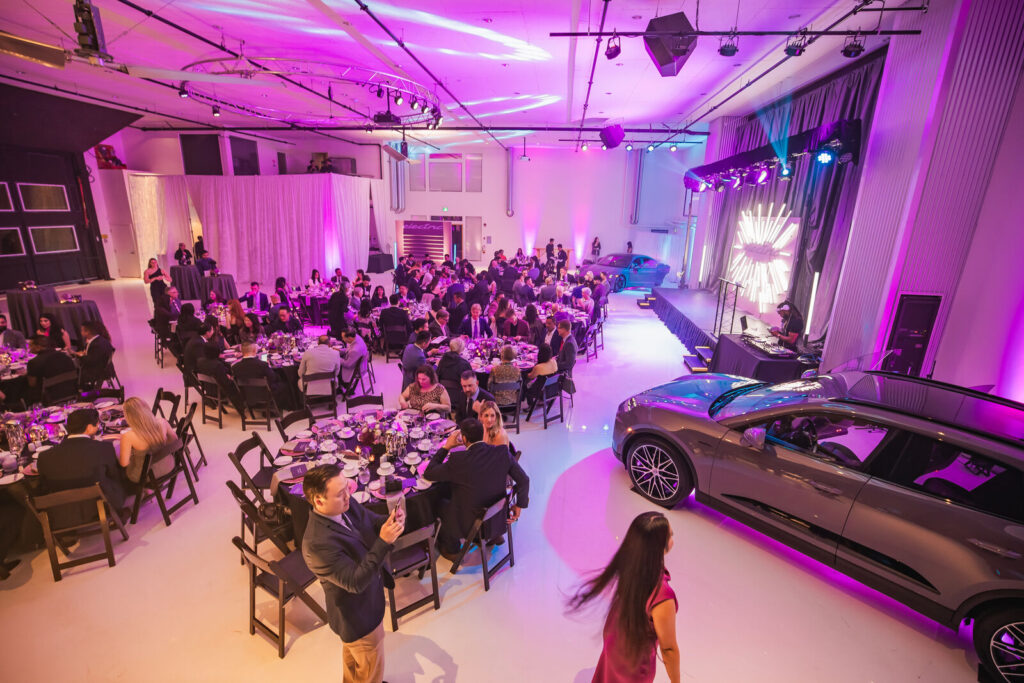
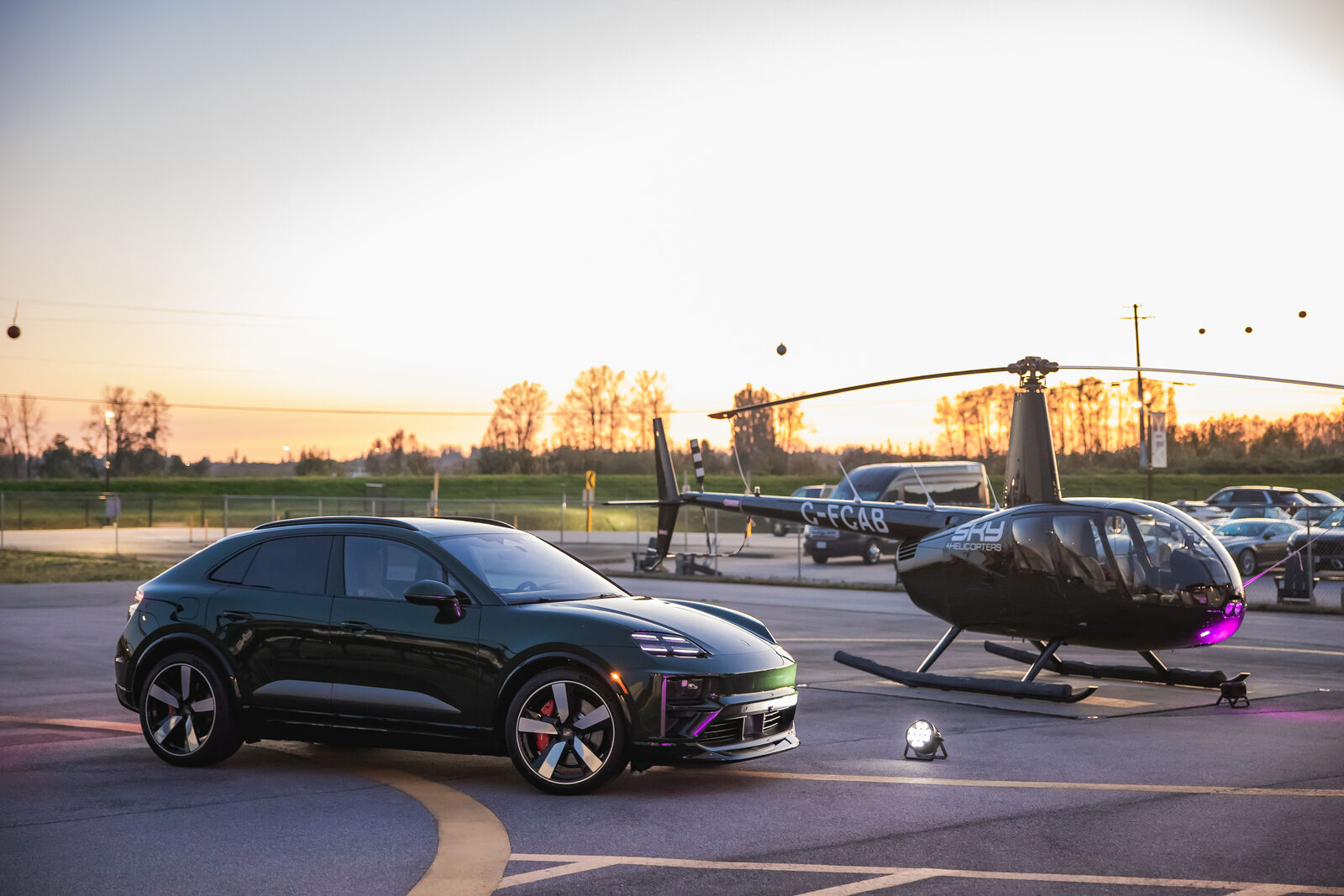
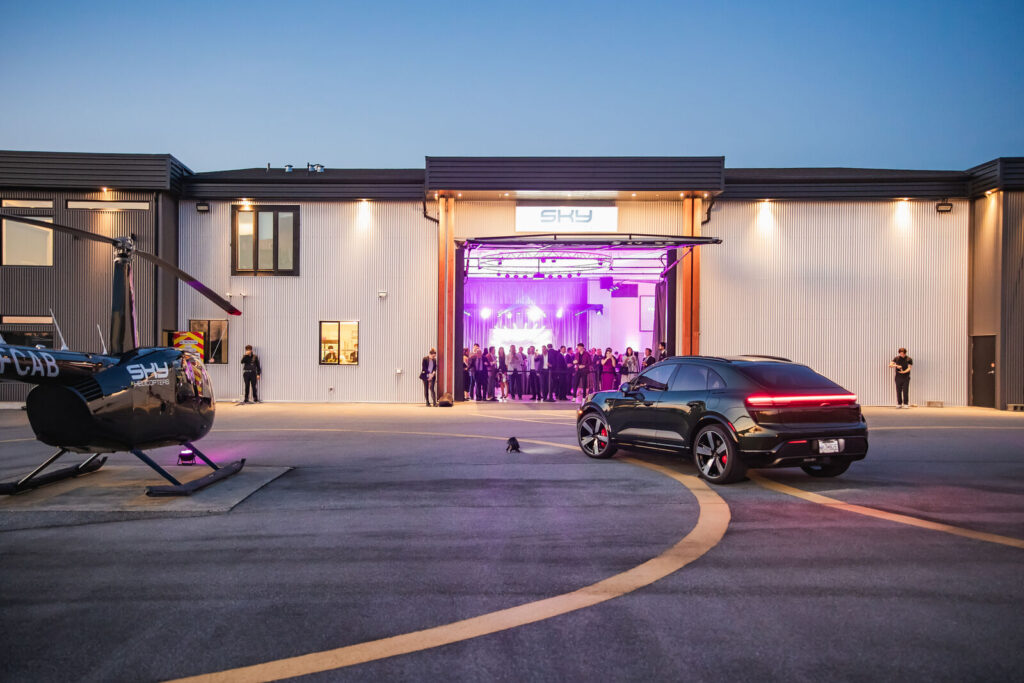
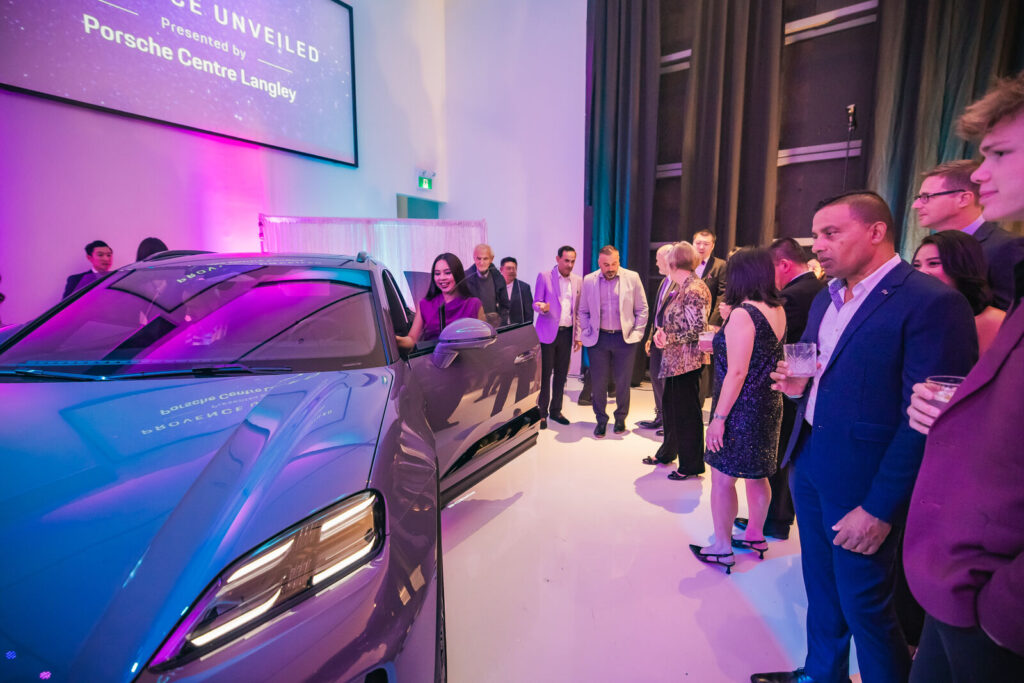
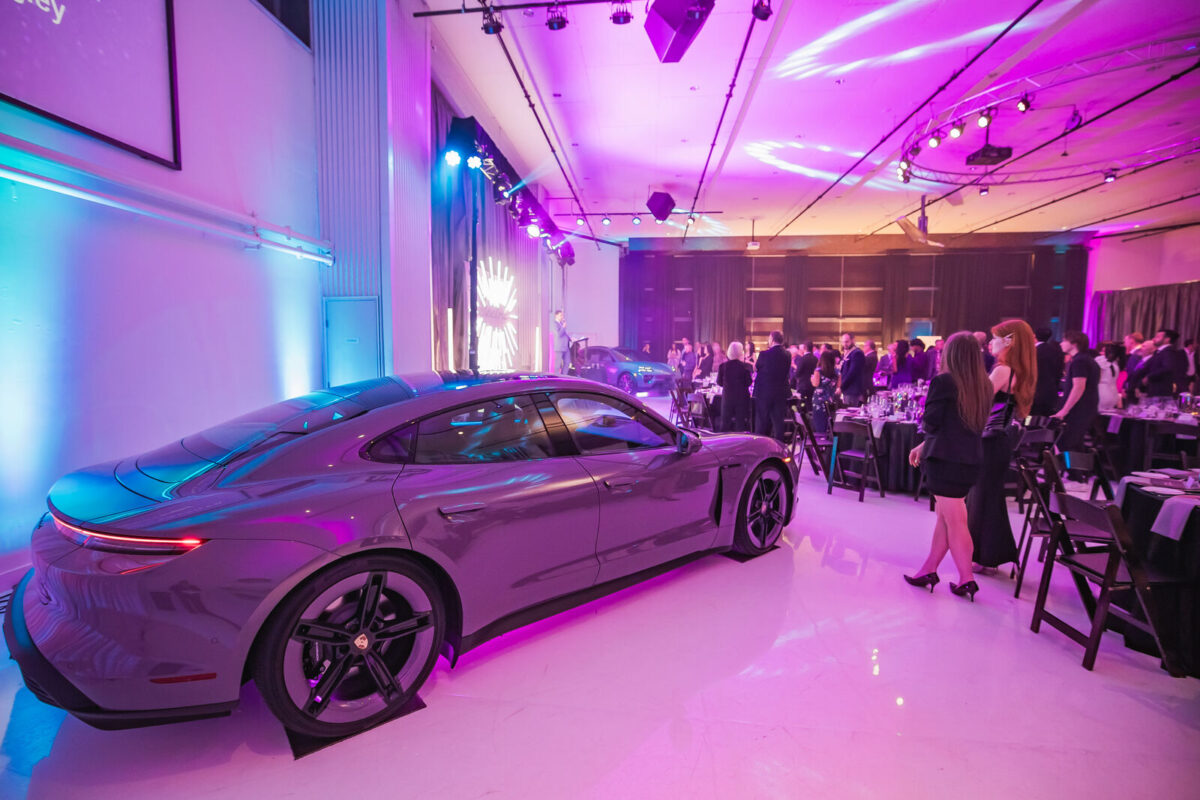
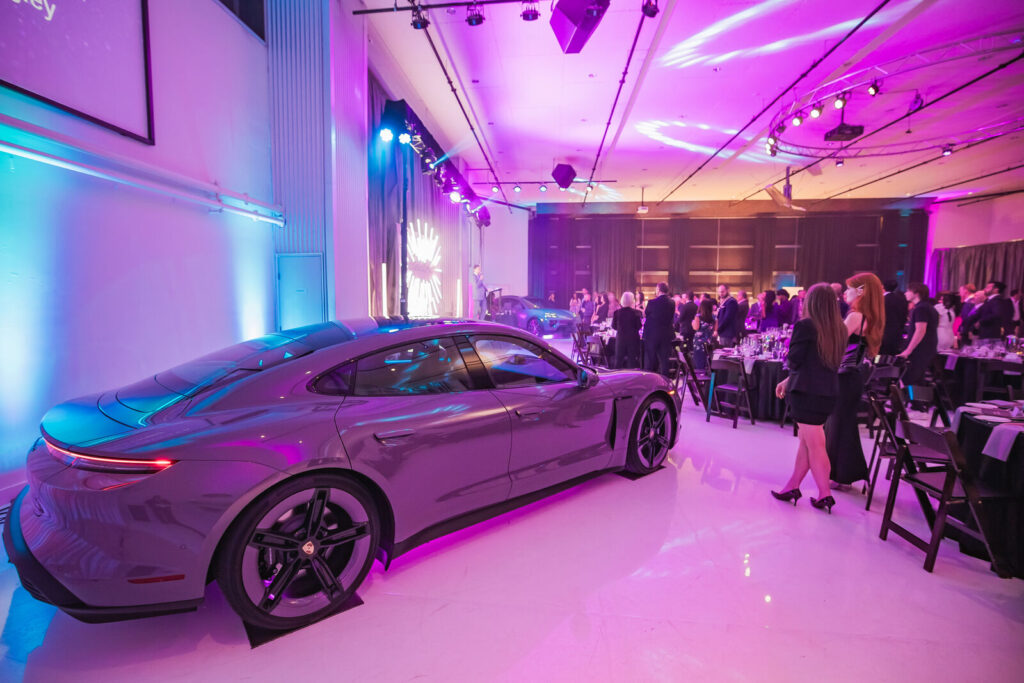
Porsche Centre Langley recently hosted an exclusive event at Sky Hangar to celebrate the all-new Macan EV and Taycan. Named Provence Unveiled, guests were treated to an evening inspired by Porsche’s new purple hue – reflected in everything from the cocktails and cuisine to the decor, and floral arrangements. The night was also about philanthropy, as much-needed funds were raised for Canuck Place Children’s Hospice through a special live auction, featuring paintings by renowned automotive realism artist Sunni Combs, who travelled from Scottsdale, Arizona to attend the event.

“We wanted to provide guests with a truly unique experience and transport them to Provence without leaving the city – all while celebrating Porsche’s new, standout Macan EV and Taycan,” says Ahmed Abou-Shaaban, General Manager, Porsche Centre Langley. “For many of our clients, this was their first opportunity to see these remarkable vehicles up close, and we wanted to do it in a way that was both immersive and inspiring. Our team certainly outdid themselves.”

As guests arrived at the hangar, they had the opportunity to mingle over canapés by celebrity chef Spencer Watts, while sipping on bespoke cocktails by Eucalyptus Cocktails, featuring Empress Gin. 

Emceed by actor Matthew Kevin Anderson, the highlight of the evening came with the grand reveal of the Provence-hued Macan EV and Taycan, after which guests were invited to their seats for an indulgent three-course dining experience by Chef Watts, featuring Pacific Northwest-inspired dishes like salmon tartare, wagyu beef two ways, and a decadent ube cheesecake. Throughout the event, and in partnership with Vancouver’s 604 Records, local rising stars Madisyn Gifford and Molly Annelle serenaded the group with their talented vocals.

To cap off a great night, six of Combs’s striking paintings of iconic Porsche vehicles, with three exclusively commissioned pieces for Porsche Centre Langley, were auctioned live by auctioneer Crystal Campbell, adding an exciting final touch to the evening. More than $15,000 was raised for Canuck Place Children’s Hospice.

“At Porsche Centre Langley, we are all about curating memorable and once-in-a-lifetime experiences for our guests, and Provence Unveiled was no exception. Both our Provence-coloured Porsche Macan EV and Taycan will now be on-display at our Porsche NOW pop-up at South Surrey’s The Shops at Morgan Crossing,” adds Abou-Shaaban.

Located at 16172 24 Ave, Porsche Centre Langley’s 4,000-square-foot Porsche NOW pop-up experience centre is accessible for the whole community to explore. The pop-up features a self-sustained building structure that runs on 100% solar energy (or rechargeable battery during months with less daylight), an interactive display that allows clients to receive a tailored orientation of vehicle configuration in real-time with Porsche Centre Langley Sales Executives, a custom-crafted Porsche e-bike display, and more.


What to Look for When Buying a Pre-Owned EV 

The prices of pre-owned electric vehicles are less than the equivalent new EV, but the process of purchasing a used EV is not exactly the same as that of a gasoline-powered car. Though EVs have fewer moving parts, there are still a few things to look out for and in this article, we’ll break it down for you.