OpenRoad Auto Named One of Canada’s Best Managed Companies for 14th Year in a Row

Richmond, B.C., May 14, 2026 — For the 14th year running, OpenRoad Auto (OpenRoad), one of Canada’s largest automotive dealership groups, has been recognized for its industry-leading performance, innovative business practices, and sustained growth with the prestigious 2026 Canada’s Best Managed Companies award. OpenRoad once again retained its Platinum Club status, an exclusive designation for businesses that have achieved Best Managed status for seven years or more.

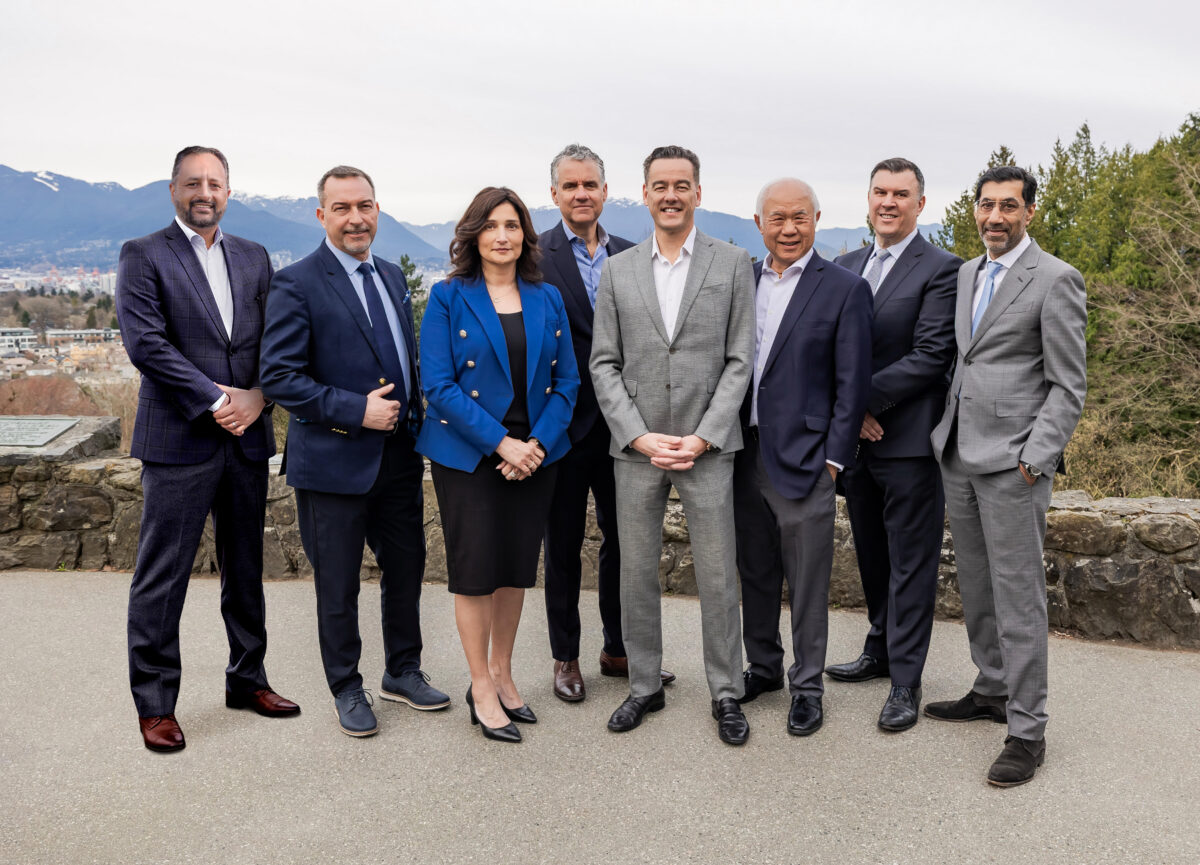
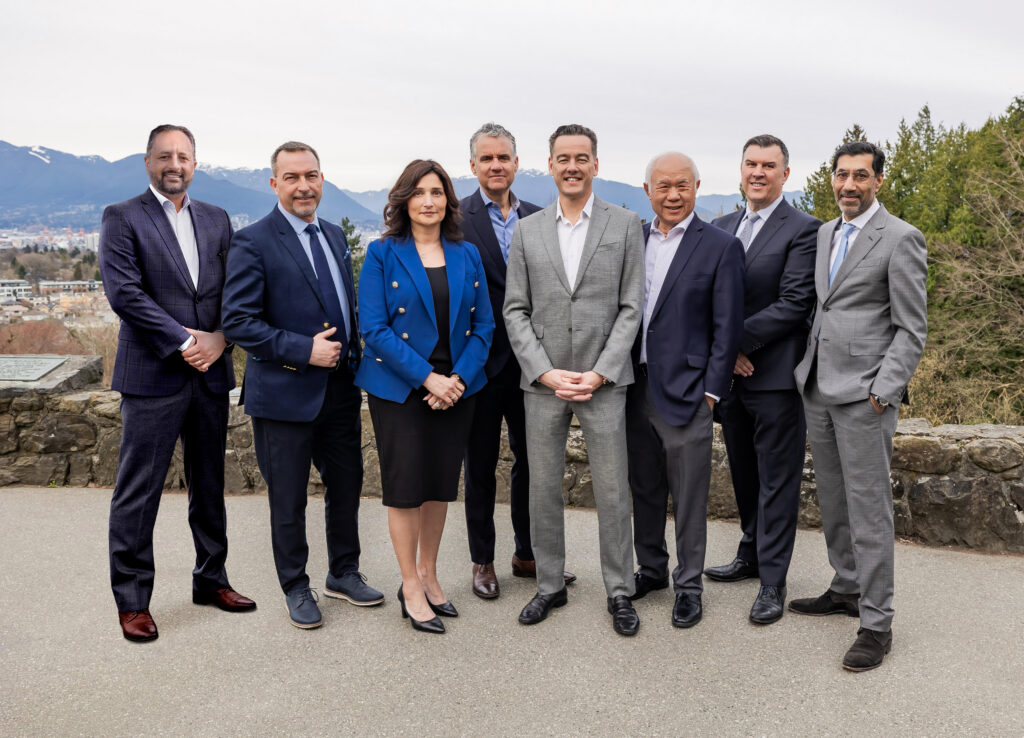
L-R: Harj Gill, Senior Vice President; Jim VanDusen, Senior Vice President; Sharon Rupal, Senior Vice President; Michael Croxon, President, OpenRoad Auto Ontario; Christian Chia, Chief Executive Officer; Mark Lin, President & Chief Operating Officer; Dimitri Kotsalis, Senior Vice President; and Tahir Ayub, Executive Vice President & Chief Financial Officer


Celebrating over 30 years, the Canada’s Best Managed Companies program awards excellence in private Canadian-owned companies with revenues of $50 million or greater. To attain the designation, companies are evaluated on their leadership in the areas of strategy, culture and commitment, capabilities, and innovation, governance and financial performance.

2025 was a high-impact year for OpenRoad. To commemorate a quarter century in business, OpenRoad launched the Road to 25: Community Event Series, which reflected the company’s commitment to community engagement by inviting small businesses and local organizations to host special events in their showrooms. This past November, OpenRoad added nine NewRoads dealerships to its existing Ontario operations.

“We are proud to once again be named as one of Canada’s Best Managed Companies,” said Christian Chia, CEO of OpenRoad Auto. “In addition to celebrating 25 years in 2025, we have also furthered OpenRoad Auto’s reach in Canada, especially in the Ontario region, with the addition of several NewRoads dealerships. We also launched a new vertical within our company with OpenShine – providing Canadians with new and accessible car wash options.”

As part of its philanthropic arm, OpenRoad Foundation launched its 25 in 25 grant campaign, where $625,000 was awarded to 25 non-profit organizations across Metro Vancouver and Greater Toronto, alongside ongoing associate volunteerism and community initiatives throughout the year.

OpenRoad currently owns and operates 44 locations in B.C. and Ontario, including 37 automotive retailers and seven collision repair centres. The OpenRoad family includes more than 2,500 employees and 23 quality automotive brands including Acura, Honda, Toyota, Lexus, Audi, BMW, Rolls-Royce, Porsche, Mercedes-Benz, Jaguar, Land Rover, Volkswagen, MINI, Subaru, Mazda, Cadillac, Chevrolet, Buick, GMC, Chrysler, Dodge, Jeep, and RAM. 

“For over 30 years, the Best Managed program recognizes companies who see challenges as checkpoints and obstacles as opportunities,” said Derrick Dempster, Partner, Deloitte Private and Canada’s Best Managed Co-Leader. “This year’s winners, including OpenRoad Auto, have combined strategic expertise and a culture of innovation to not only drive impactful business outcomes, but serve their communities as well. They should be extremely proud of this designation and use it as a catalyst to continue the work they do every day.”

Canada’s Best Managed Companies is one of the country’s leading business awards programs recognizing innovative and world‑class businesses. Every year, hundreds of entrepreneurial companies compete for this designation in a rigorous and independent evaluation process.

Applicants are evaluated by an independent panel of judges with representation from program sponsors and special guests.

The 2026 cohort of Best Managed Companies shares common themes, including fostering a people-centric culture, implementing a strategic company framework, investing in innovation and technological advancement, and maintaining financial resilience and strong corporate governance.

For more information about Canada’s Best Managed Companies, please visit bestmanagedcompanies.ca.

For more information about OpenRoad Auto, please visit openroadauto.com.

-30-


ABOUT CANADA’S BEST MANAGED COMPANIES PROGRAM
Canada’s Best Managed Companies program continues to be the mark of excellence for privately-owned Canadian companies. Every year since the launch of the program in 1993, hundreds of entrepreneurial companies have competed for this designation in a rigorous and independent process that evaluates their management skills and practices. The awards are granted on four levels: 1) Canada’s Best Managed Companies new winner, one of the new winners selected each year; 2) Canada’s Best Managed Companies winner, award recipients that have re-applied and successfully retained their Best Managed designation for two additional years, subject to annual operational and financial review; 3) Gold Standard winner, after three consecutive years of maintaining their Best Managed status, these winners have demonstrated their commitment to the program and successfully retained their award for 4-6 consecutive years; 4) Platinum Club member, winners that have maintained their Best Managed status for seven years or more. Program sponsors are Deloitte Private, CIBC, Norton Rose Fulbright, EDC, The Globe and Mail, and TMX Group. For more information, visit www.bestmanagedcompanies.ca.

ABOUT OPENROAD AUTO
Founded in 2000, OpenRoad Auto is B.C.’s largest automotive dealership group, employing over 2,500 associates and representing 23 leading brands across 44 full-service locations, including 37 dealerships in B.C. and Ontario and seven collision centres. Offering sales and service in multiple languages, OpenRoad delivers an experiential, people-first approach to automotive retail—building trust and creating better journeys for every guest.

Guided by its vision to “drive possibilities” for all communities, OpenRoad is dedicated to redefining the automotive experience. The company offers free memberships through its Club OpenRoad loyalty program and, in 2023, launched the OpenRoad Foundation to advance its philanthropic efforts.

OpenRoad is proud to be recognized among Canada’s Best Managed Companies, a CADA Laureate, and a recipient of multiple Canadian Best Employer Awards.

Openroadauto.com
Instagram: @openroadca | Facebook: OpenRoadCA | YouTube: openroadautogroup

Press images available via Dropbox

Media Contact:
Sophia Cheng
OpenRoad Auto
press@openroadauto.com
604-828-3102


Gaurav Manhas Wins the Lawson Lundell LLP Award for the Second Year in a Row

Congratulations to our very own legal leader, Gaurav Manhas, who has once again been recognized as an Excellence Awardee at the 2026 Canadian Law Awards! This is his second consecutive year of distinction in the prestigious national program celebrating leadership and innovation in Canada’s legal profession.

Presented under The Lawson Lundell LLP Award for Law Department Leader of the Year, the recognition highlights outstanding in-house legal leaders who demonstrate exceptional strategic vision, business acumen, and impact within their organizations. Gaurav’s repeat recognition highlights the consistency and depth of his contribution to legal leadership in Canada.

As OpenRoad Group’s General Counsel and Director of Corporate Affairs, Gaurav leads the organization’s legal function across a broad portfolio that includes mergers and acquisitions, corporate and commercial law, real estate, financing, intellectual property, and enterprise risk management. His role includes strategic advisory work on business growth initiatives and stakeholder relationships across OpenRoad’s broader group of companies.

Gaurav also serves as Secretary of OpenRoad Foundation and has been instrumental in helping launch the Group’s non-profit arm.

According to the Canadian Law Awards profile last year, Gaurav’s work reflects a multidisciplinary legal background that bridges private practice, in-house counsel leadership, and corporate development experience, bringing a business-focused lens to complex legal decision-making and long-term organizational strategy.

The Canadian Law Awards recognizes the most outstanding legal professionals, law firms, and in-house teams across the country, with Excellence Awardees selected following a national review and judging process that highlights leadership, innovation, and impact within the profession. 

In addition to Canadian Law Awards, Gaurav is also nominated in the In-house category for Canadian Lawyer’s annual Top 25 Most Influential Lawyers list.

We’re incredibly proud of Gaurav! Congratulations on a well-deserved honour.


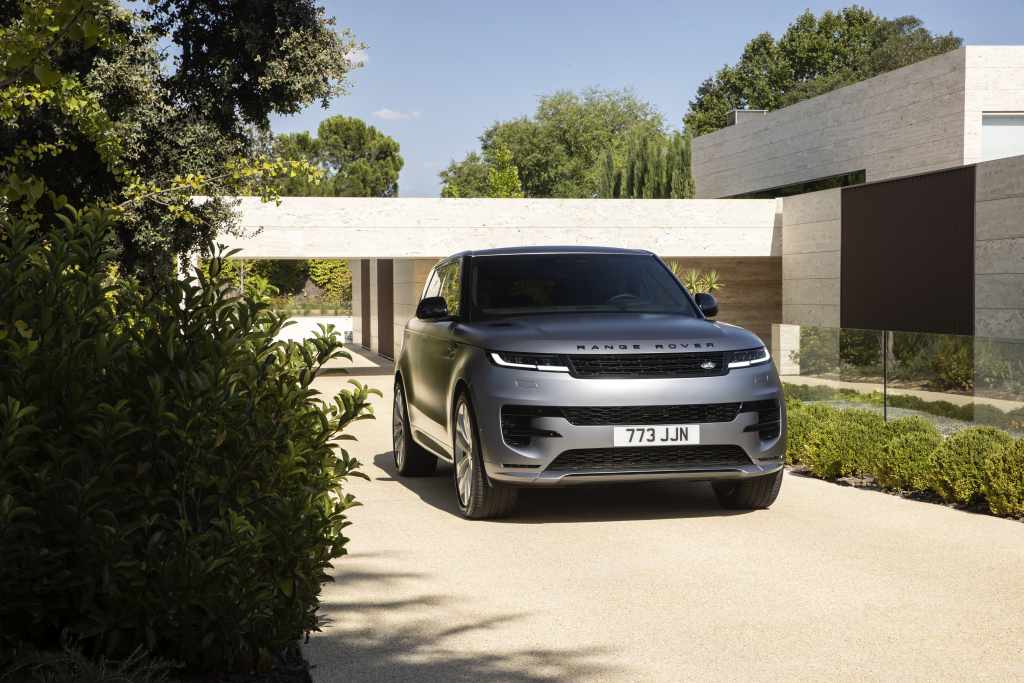
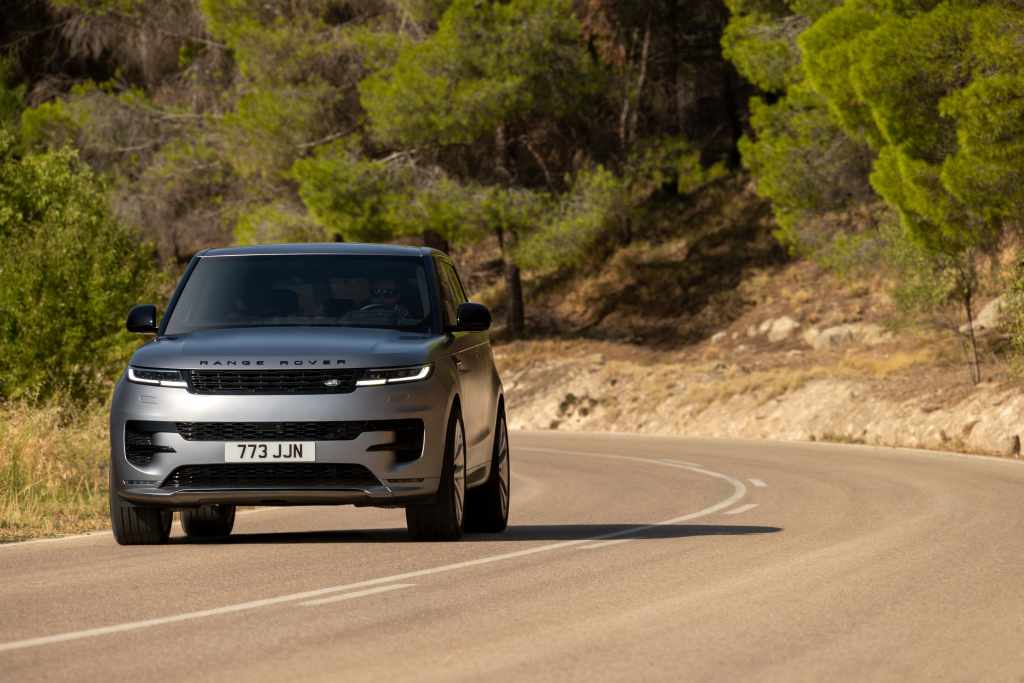
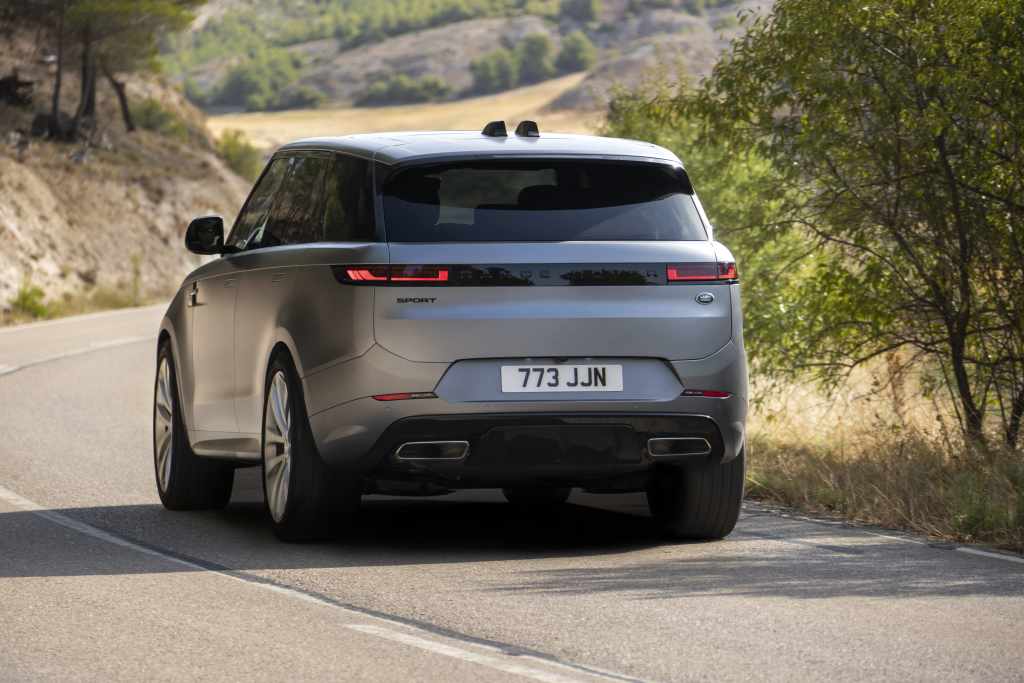
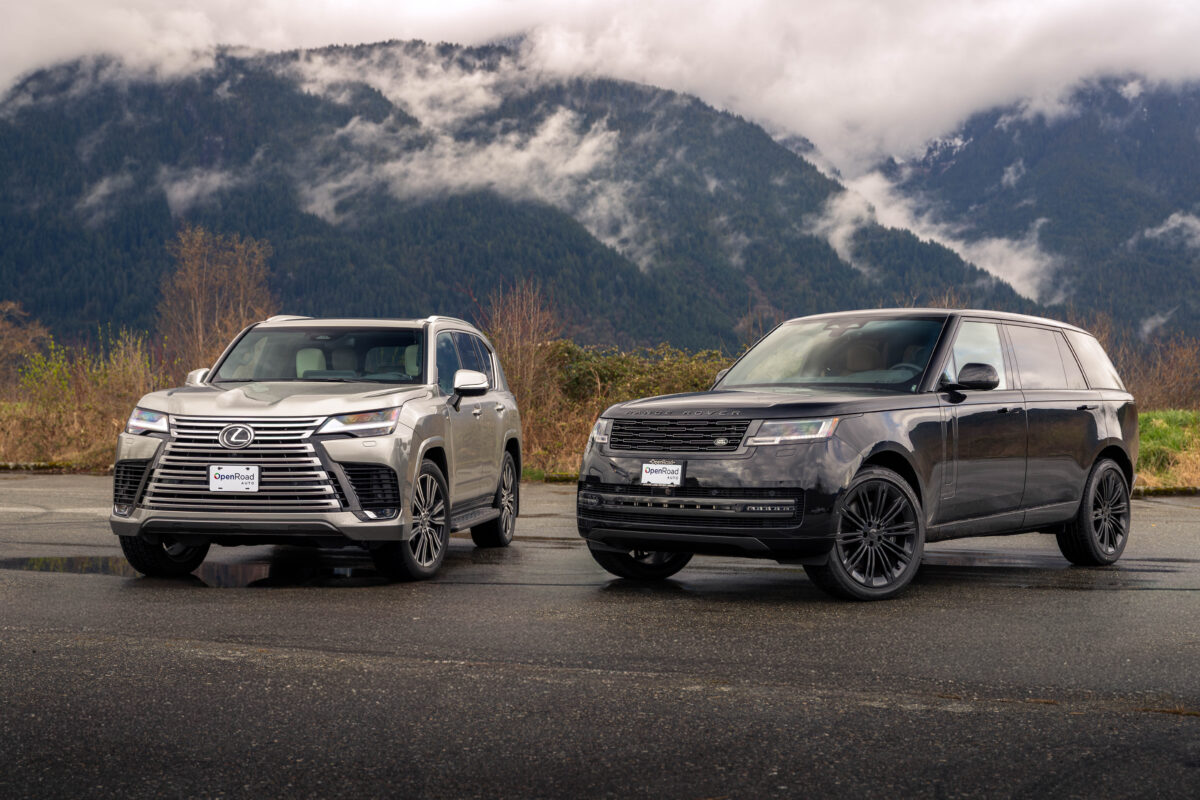
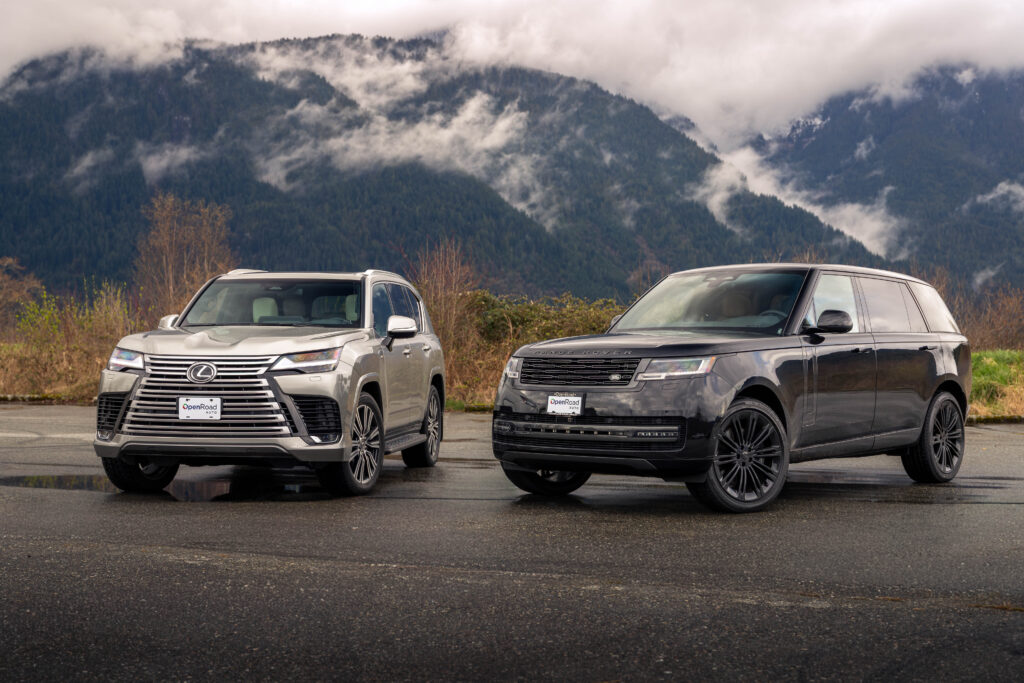
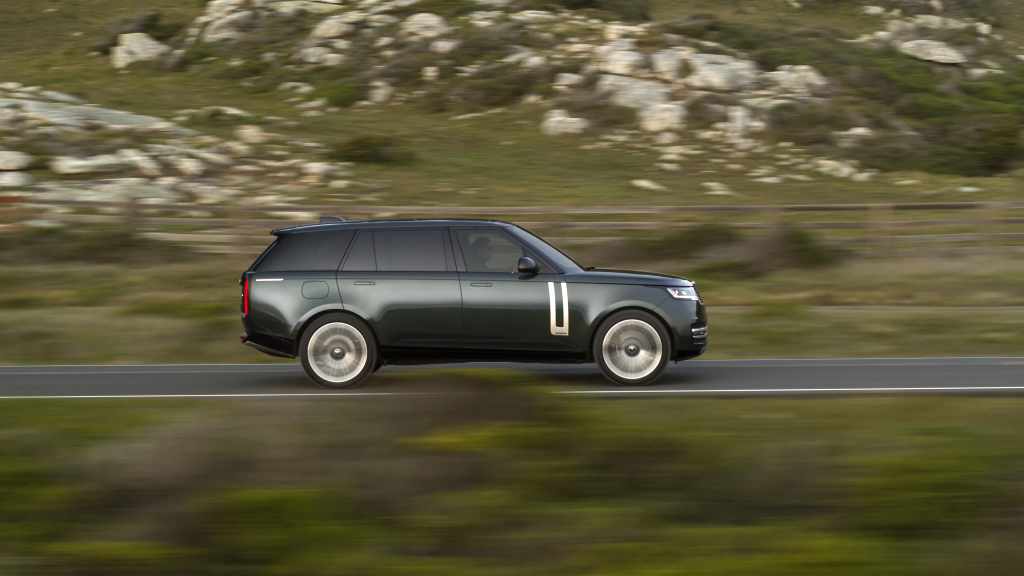
Battle of the Behemoths – Lexus LX700h vs Land Rover Range Rover

Big, expensive, and unapologetically opulent. Two titans of luxury off-roading. There’s the brand-new Lexus LX700h, now with hybrid muscle and a reputation for lasting longer than the scenery behind it. And next to it, the ever-so-English Range Rover. It’s as suave as it is sophisticated, the go-to chariot for the well-heeled and well-mannered. But here in Canada, where luxury meets snow drifts and 91 octane costs more than gold, which one actually makes more sense?

Design

The Lexus LX700h looks like it’s been carved out of a single block of steel. Sharp creases, dominating grille, and enough polished aluminum to blind a moose at sunrise. It’s unmistakably Japanese — bold, confident, and about as subtle as a hockey brawl. 

Meanwhile, the Range Rover keeps its minimalist elegance. That clean profile and floating roofline still turning heads since… forever. It’s less ‘look-at-me’ and more ‘I-own-a-private-island.’ 

If you’re after street presence, the Lexus wins for drama. But for pure class? The Range Rover takes it. No contest. 

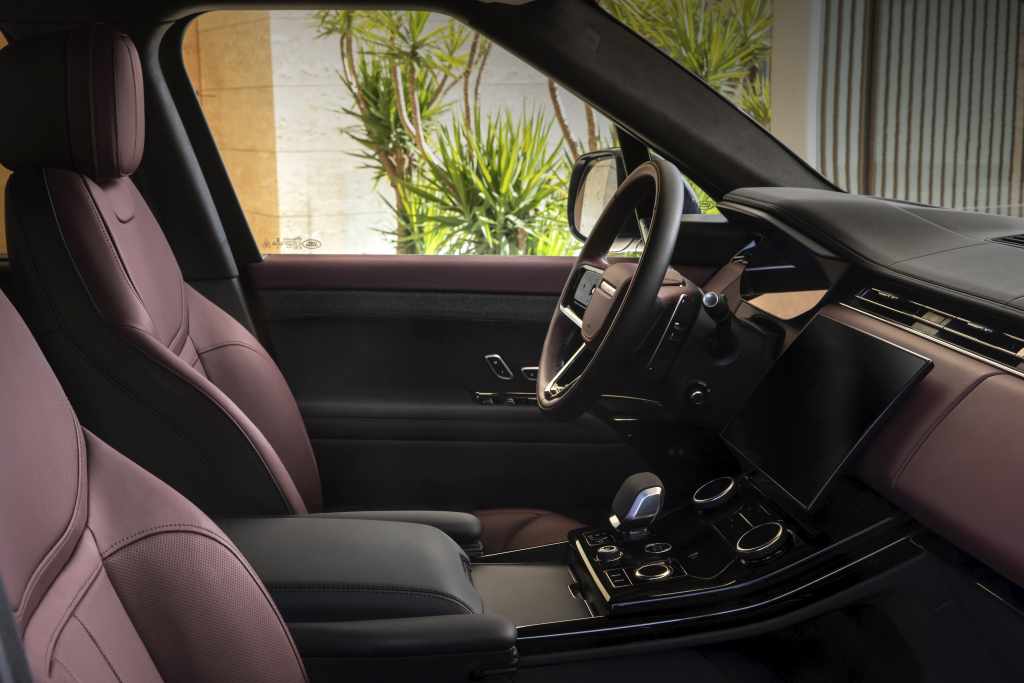
On the inside, the Range Rover’s cabin is an art gallery of understatement. Windsor leather options, 16-speaker Meridian 3D sound system, and a touchscreen that actually doesn’t make you pull your hair out. Add in heated, cooled, and massaging everything — including your ego.

With the long wheelbase option ticked off, the Range Rover seats 7 in utmost comfort, including those in the 3rd row. But if you skip the extra seats and go for the Executive Class rear setup, things get properly decadent. You get two individual recliners that heat, cool, and massage in near silence, separated by a full-length console with touchscreen controls and deployable walnut tables. It’s business-class travel with better suspension.

The LX700h stays true to its Land Cruiser roots. 7 seats, plenty of room for the kids, hockey gear, and a week’s worth of camping supplies. But the third row still feels more like a penalty box than a lounge. It’s very tight if you’re over 6 feet tall.

However, tick the box for the Executive VIP package, and it transforms the second row into something fit for royalty. Out go the three bench seats, and in come two enormous captain’s chairs with full recline, ottoman leg rests, ventilated and heated cushions, and even a built-in massage program. You also get a rear touchscreen control panel, separate climate zones, and a Mark Levinson sound system that somehow makes road noise vanish into thin air. It’s less family SUV and more private jet experience. 

Technology

On the tech side, both spoil you with toys. Adaptive cruise, lane guidance, 360-degree cameras, auto parking, and enough driver aids to make a pilot jealous. But the Range Rover’s tech feels more integrated, almost invisible. Its new Pivi Pro 2 infotainment runs on a 13.1-inch curved display that responds instantly. Add wireless updates, Alexa integration, and a digital key through your smartphone, and it starts to feel like you’re in Silicon Valley. Even the four-zone climate system can preheat or cool the cabin from your Range Rover app before you’ve even put on your coat. 

The Lexus takes a different approach. Less flash, more dependability. You still get all the assists like adaptive cruise, lane trace, blind-spot monitoring, and so on, but Lexus deliberately leaves a few physical controls in place, knowing some of us prefer a proper button when it’s minus twenty outside.  

Add in a head-up display, crisp cameras, and bulletproof consistency, and it’s technology that feels built to last, not just to impress. So yes, the Range Rover dazzles with screens and software. The Lexus? It just works — and in a Canadian winter, that might be the smarter kind of genius. 

Powertrain

Under the hood, the LX700h packs a 3.4L twin-turbo hybrid V6. 457 hp & 583 lb-ft of torque all sent through a 10-speed automatic transmission. 0-100 km/h takes around 6 seconds, which is not too bad for something that weighs as much as a small cottage. 

The hybrid system fills in the gaps between gear changes, so power arrives in an effortless wave. There’s no drama, just torque. It’s a smooth, electric shove that makes it feel smaller and lighter than it is. 

The LX rides on a body-on-frame chassis which means that it can shrug off small craters in the road. However, there’s no hiding that weight. You feel it through the turns. But it’s not trying to be sporty. It’s trying to be effortless, and in that way, it absolutely delivers. 

The Range Rover, on the other hand, doesn’t just have power; it has theatre. You can get it with a 395 hp inline-6 with a mild-hybrid system, or a 4.4L twin-turbo V8 with up to 607 hp. 0-100 km/h comes up in under five seconds, which is faintly ridiculous for something this tall, this heavy, and this dignified. 

Out on the road, the V8 feels endlessly smooth. There’s no real sense of turbo lag, just a deep well of torque from barely above idle. With the adaptive air suspension keeping the body flat, it corners with far more grace than its size suggests.  

It’s not the most efficient luxury SUV with a combined fuel economy rating of 12.9 L/100km for the V8 while the LX700h can achieve up to 11.7 L/100km combined. But you can opt for the plug-in hybrid version of the Range Rover with up to 90 km of gasoline-free driving range. Plug it in overnight, and you can do most weekday drives without burning a drop of fuel. 

Off-Road

Of course, all this luxury doesn’t mean much if you’re stranded the moment the pavement ends. And both of these beasts carry the kind of off-road reputation most crossovers can only dream about. 

The Lexus LX700h rides on proven Land Cruiser hardware, complete with full-time four-wheel drive, locking center differential, and multi-terrain select modes. Add in its hybrid torque delivery, crawl control, and a low range that’ll pull you up a rocky trail like a winch. 

The Range Rover, though, approaches off-roading with sophistication rather than brute strength. Its Terrain Response 2 system automatically adjusts air suspension, throttle, and traction control for whatever nature throws at it. And with up to 11.6 inches of ground clearance and a water wading depth over 35-inches, this thing could practically ford a small river on your drive to Whistler. 

Pricing

Now for the tough part, the price. The Lexus LX700h stars at $138,191 CAD with the top spec Executive VIP costing north of $173,000 CAD. 

The Range Rover starts at $133,000 CAD but once you add in every option, and there are A LOT of options, you’re easily looking at over $300,000 CAD.  

So, these are two different approaches to luxury. If you value bulletproof engineering, long-term reliability, and modest running costs, the Lexus is the smarter choice. But if you crave refinement, technology, and that intangible sense of prestige, the Range Rover still sits at the very top of the luxury food chain. 

One’s built to outlast civilization; the other, to rule it. Either way, lucky are those choosing between them.  

If you’d like to know more or test drive either of these luxury SUVs, please get in touch with us at OpenRoadAuto.com 


Comparing the updated 2026 Toyota bZ against the 2026 Volkswagen ID.4 

The electric crossover market has become one of the most competitive spaces in the automotive industry, and few models illustrate that better than the Toyota bZ and Volkswagen ID.4. Each represents a distinct approach to electrification. 

Design 

At first glance, these two take different approaches to exterior styling. The Toyota BZ mixes a modern and rugged design with its two-tone paint scheme and newly designed LED headlights. The Volkswagen ID.4 looks more traditional; more like a gasoline powered crossover SUV than an electric vehicle. 

The differences continue to the inside of each EV. The Toyota bZ’s interior design is quite different from any other electric vehicle. The center console and infotainment are pretty simple to use, but the driver instrumentation display and steering wheel are unlike anything else. It’s unique, but not everyone will love it. 

Interior space is good in the front seats, but rear occupant space is a bit less than the Volkswagen. It’s a similar story in the trunk with the ID.4 accommodating more cargo than the Toyota bZ. 

The Volkswagen ID.4 takes a simpler approach to interior design. But it may be a bit too simple for some. Volkswagen uses capacitive touch controls on the steering wheel which you may inadvertently touch while turning, which may change the radio station or turn up the radio volume. The climate also uses capacitive touch controls just underneath the infotainment touchscreen which can be a bit finnicky to use while driving. 

But when it comes to space, the ID.4 has the most amount of headroom and more rear legroom than the Toyota. Plus, it can swallow more family cargo in the back than the bZ. 

Powertrains 

You can get the ID.4 with up to 335 hp. That is with the larger battery pack and with AWD. The RWD version with the larger battery produces 282 hp while the base trim with the smaller battery produces 201 hp.   

To drive, the ID.4 feels like a German car should. It’s stable, smooth, and competent around corners.   

By comparison, the Toyota bZ doesn’t match the ID.4 when it comes to driving dynamics. At least, not the single motor version. Where the ID.4 has a RWD layout, the Toyota bZ has the electric motor powering the front wheels. This doesn’t make much difference in boring city traffic, but it does when you find yourself on twisty mountain roads. 

But the AWD version is a bit better to drive. For 2026, the bZ gets a huge bump in power. It goes from 214 hp to 338 hp. This makes the bZ more powerful than the ID.4 

Range & Charging 

The 2026 Toyota bZ also gains a more powerful on-board charger, 11 kW up from 6.6 kW. So, level 2 charging is going to be faster now. As for level 3 charging, it can take up to a maximum of 150 kW which means 10% to 80% takes just under half an hour. 

Moving to the Volkswagen ID.4, it can accept up to 175 kW of power but because it has a bigger battery than the bZ, it takes just under half an hour as well from 10% to 80% state of charge. 

As for the driving ranges when the batteries are topped up? The ID.4 can drive for up to 468 km in the RWD layout. The AWD dips to 423 km.  

As for the Toyota bZ, it’s the XLE AWD that has the most range with up to 468 km, just like the ID.4. The FWD version can only drive for up to 380 km. 

Pricing & Features 

When it comes to pricing, the Toyota bZ is the least expensive of the two. It starts at $45,990 which is actually a little bit less than the previous model year. That usually never happens. The Volkswagen ID.4 is a bit more expensive with a starting price of $48,495  

But if you opt for a fully loaded version of each, the Toyota bZ is still the least expensive at just under $62,000 while the ID.4 is just under $64,000. 

What features do you get for the $60,000+ price tag? Quite a few. Both are available with leatherette upholstery, heated & ventilated front seats, heated rear seats, wireless phone charging pad along with wireless Apple CarPlay & wireless Android Auto connectivity, dual-zone automatic climate control (3-zone in the Volkswagen), and surround view cameras among others. 

Each EV also has a few features that are unique to that model. For example, the Toyota bZ is available with radiant foot and leg heaters while the Volkswagen ID.4 is available with front massaging seats. 

So what’s the verdict? Well it comes down to your needs and preferences. The ID.4 is the conventional choice with a balanced driving demeanor and ride. While the Toyota bZ is the safe and reliable companion.  

If you’d like to learn more or test drive any of these cars, please get in touch with us at OpenRoadAuto.com


OpenRoad Auto Unveils New Brand Identity to Drive the Next 25 Years

Richmond, B.C., October 1, 2025 – OpenRoad Auto, formerly known as OpenRoad Auto Group, today announced a bold new brand identity, introducing refreshed brand values along with updated mission and vision statements that reflect the company’s evolution and its commitment to shaping the future of automotive retail. 

As it celebrates 25 years of growth and innovation this year, OpenRoad Auto is embracing its next chapter with a simplified name and a sharpened focus on creating a forward-thinking automotive experience for customers, team members, and communities. 

“OpenRoad Auto represents both our origins and our future,” said Christian Chia, CEO of OpenRoad Auto. “Our new identity honours the relationships and trust we’ve built over the past 25 years, while positioning us to grow further as a company.” 

OpenRoad Auto’s new brand values – Humility, Integrity, Inventiveness, and Care – serve as the guiding foundation for each interaction and decision made across the organization. These values reflect the company’s commitment to doing what’s right, staying curious in searching for a better way, and fostering trusted relationships with customers, employees, and communities. 

Alongside its new name and values, OpenRoad Auto has unveiled a refreshed mission and vision: 

  • Mission: Drive possibilities with trusted relationships and a better automotive experience. 
  • Vision: Drive possibilities for everyone in our communities. 

The company’s very first location in Canada opened in 1978 in Richmond, B.C., where its head office remains today. In 2000 with just two dealerships, the company rebranded to OpenRoad Auto Group, and has since grown to become B.C.’s largest automotive retail group and one of the fastest-growing in Canada. OpenRoad Auto represents 17 automotive brands across 36 full-service retail locations, including 29 dealerships and seven collision centres in British Columbia and Ontario.  

“This milestone is about more than a name and logo change,” added Chia. “It’s about defining who we are today and the possibilities we’re creating for the future. It’s also a recommitment to our customers, our employees, and our communities that humility, integrity, inventiveness, and care will always be at the heart of everything we do.” 


About OpenRoad Auto 

Founded in 2000, OpenRoad Auto is B.C.’s largest automotive dealership group with over 2,100 associates representing 17 quality automotive brands at 36 full-service retail locations, including 29 Canadian auto retailers and seven collision centres in B.C. and Ontario. OpenRoad Auto offers car buyers and owners an experiential automotive retail service. We believe in making car ownership more rewarding and driving possibilities with trusted relationships and a better automotive experience. With a focus on innovation and lifelong relationships, OpenRoad offers free memberships in the Club OpenRoad loyalty points program. In 2023, OpenRoad launched its philanthropic arm, OpenRoad Foundation. 

Media Contact: 
Sophia Cheng 
OpenRoad Auto 
press@openroadautogroup.com 
604-828-3102