BMW reveals trio of new M vehicles

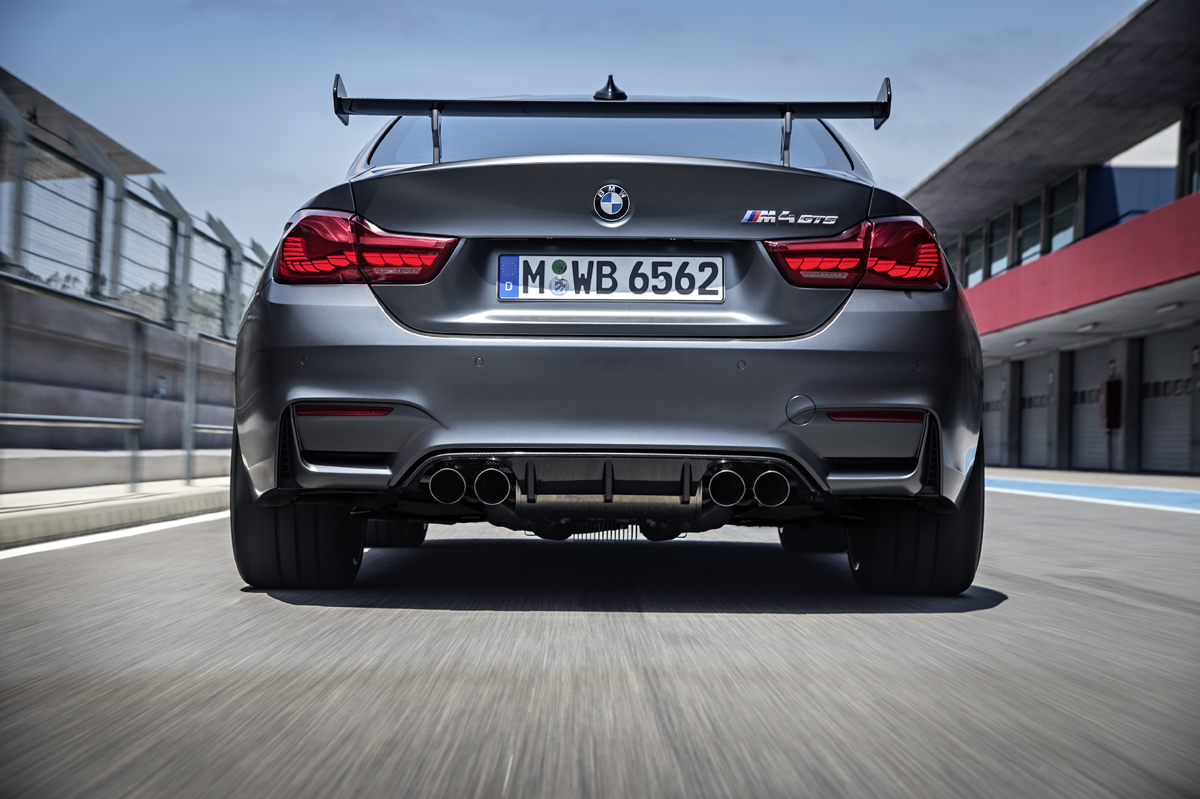
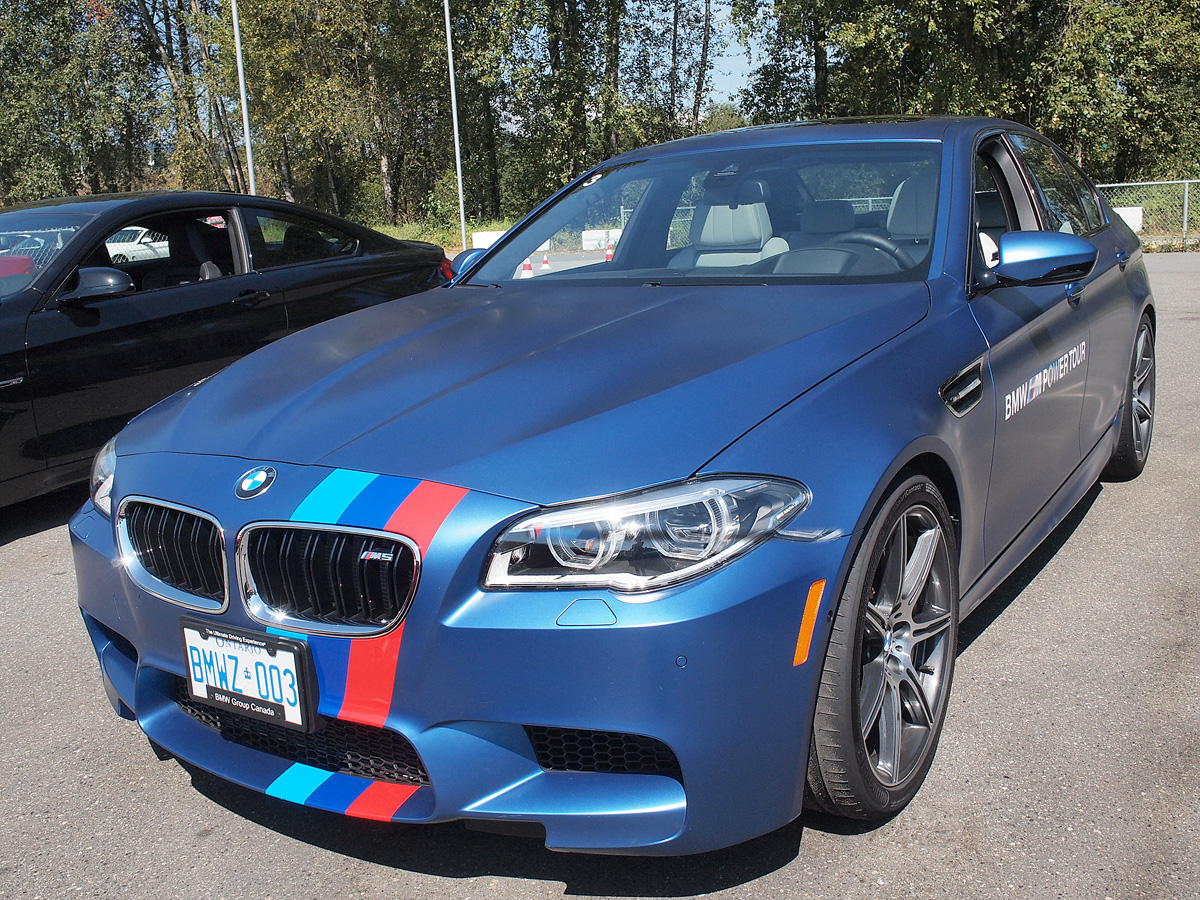
There are three new BMW M-powered vehicles headed our way in the next few months: the M4 GTS, X4 M40i and M2.


There are three new BMW M-powered vehicles headed our way in the next few months: the M4 GTS, X4 M40i and M2.
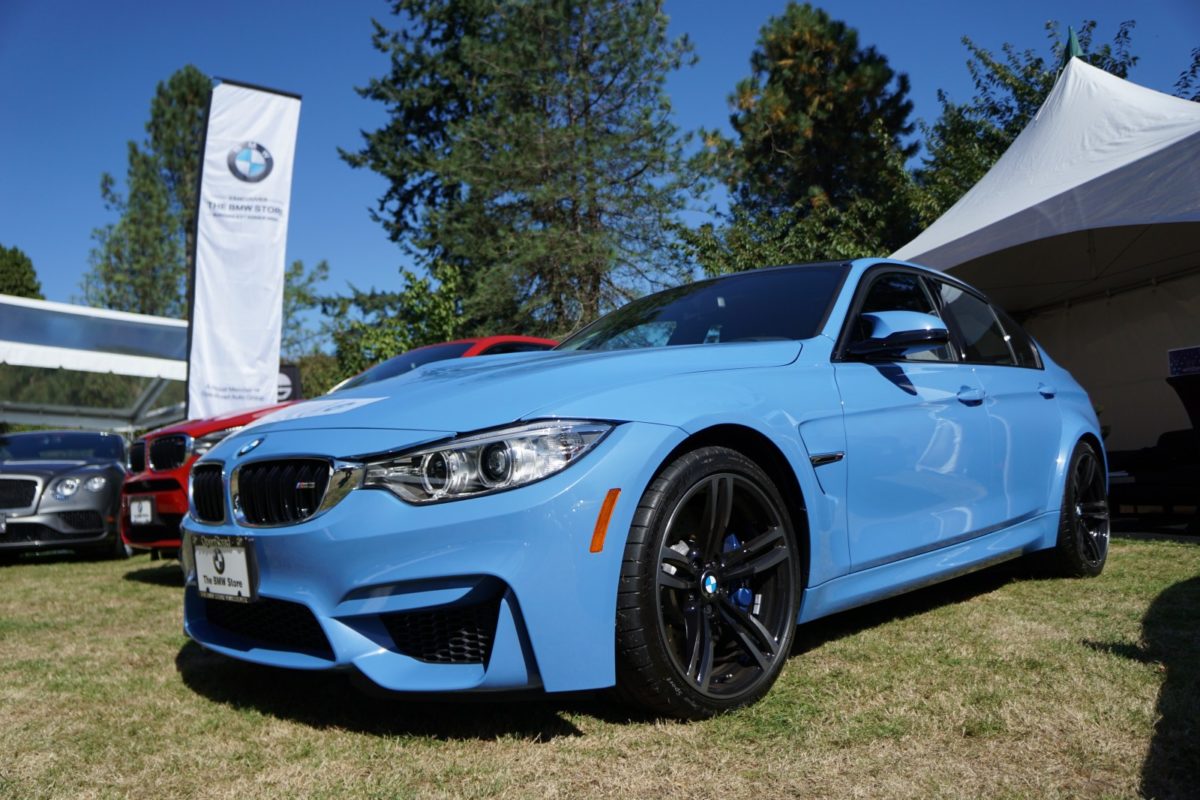
Every September, Vancouver plays host to the “Pebble Beach” of Western Canada in Luxury & Super Car Weekend displaying some of the world’s greatest in automobiles & luxury lifestyle. With every major manufacturer in the industry bringing their latest & greatest, The BMW store did not disappoint with their iconic line up cars.

Whether it’s corn-based cutlery you find in your takeout bag or the reusable coffee cups they sell for a dollar at Starbucks, its clear businesses are trying to be more sustainable nowadays. This is by no means restricted the food industry, as we’re increasingly hearing more about automotive manufacturers using recycled components in vehicle construction.
In fact, every time we go for a drive we may very well be interacting with several recycled parts. Jaguar Land Rover (JLR) and BMW are two automakers that have fully embraced this philosophy of replacing scarce or synthetic materials with environmentally friendlier options.

Many car companies tout their widespread use of aluminum and how it makes their products lighter and more responsive. But JLR talks about the green benefits — working with the REAL CAR initiative, a method has been devised where scrap aluminum taken from presses is re-melted and combined with high-grade sheet metal alloy. An example of a model that utilizes this technique is the Jaguar XJ sedan.
JLR is also experimenting with implementing a closed loop waste recovery and recycling system at two production facilities where the all-aluminum Range Rover and Range Rover Sport are built.

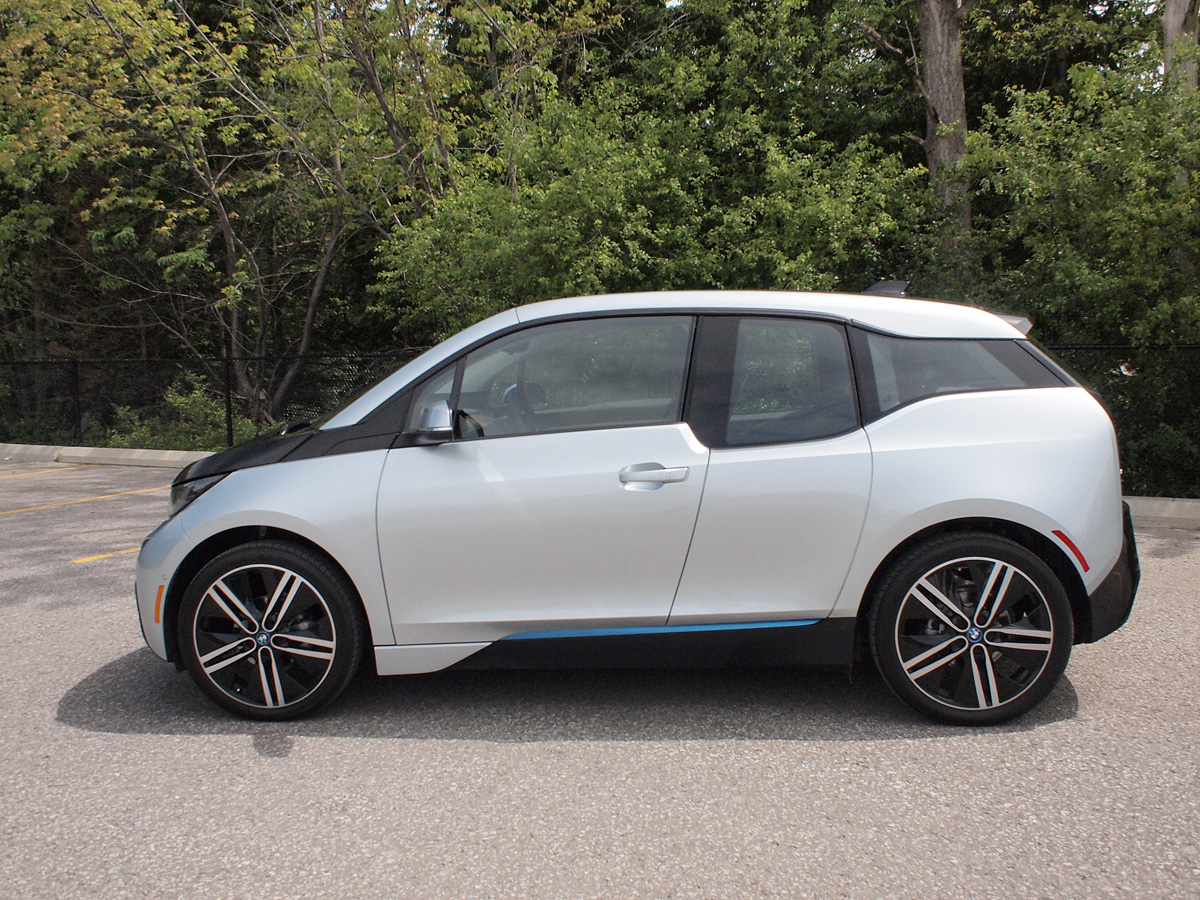
For BMW, The luxury German brand’s story really begins with the launch of the “sustainable mobility” i division cars, namely the i3 pure-electric hatchback and the i8 hybrid sports car released in 2013 and 2014, respectively. According to i program manager Marc Belcourt, nothing about these vehicles are similar to anything else made by the Munich-based company.
“When it came to this car, we didn’t just tap into the existing production line in Leipzig (Germany). We built an entire new production facility, which is powered by wind turbines. You can see these massive turbines right outside the plant, generating renewable energy to make the i3 and the i8,” said Belcourt.
Part of the reasoning behind setting up a fresh facility is simply that a lot of the materials used in construction are entirely different. One glance in the interior of the i3 and that becomes immediately clear. For instance, parts of the dash and trim panels on the door look almost like carpeting — that’s made from fibres from a plant known as kenaf. On i3s with the cloth seats, the covers are derived from 100 per cent recycled polyester, manufactured from up to 34 per cent PET (polyethylene terephthalate). By weight, 25 per cent of the plastics used in the in the cabin are recycled.

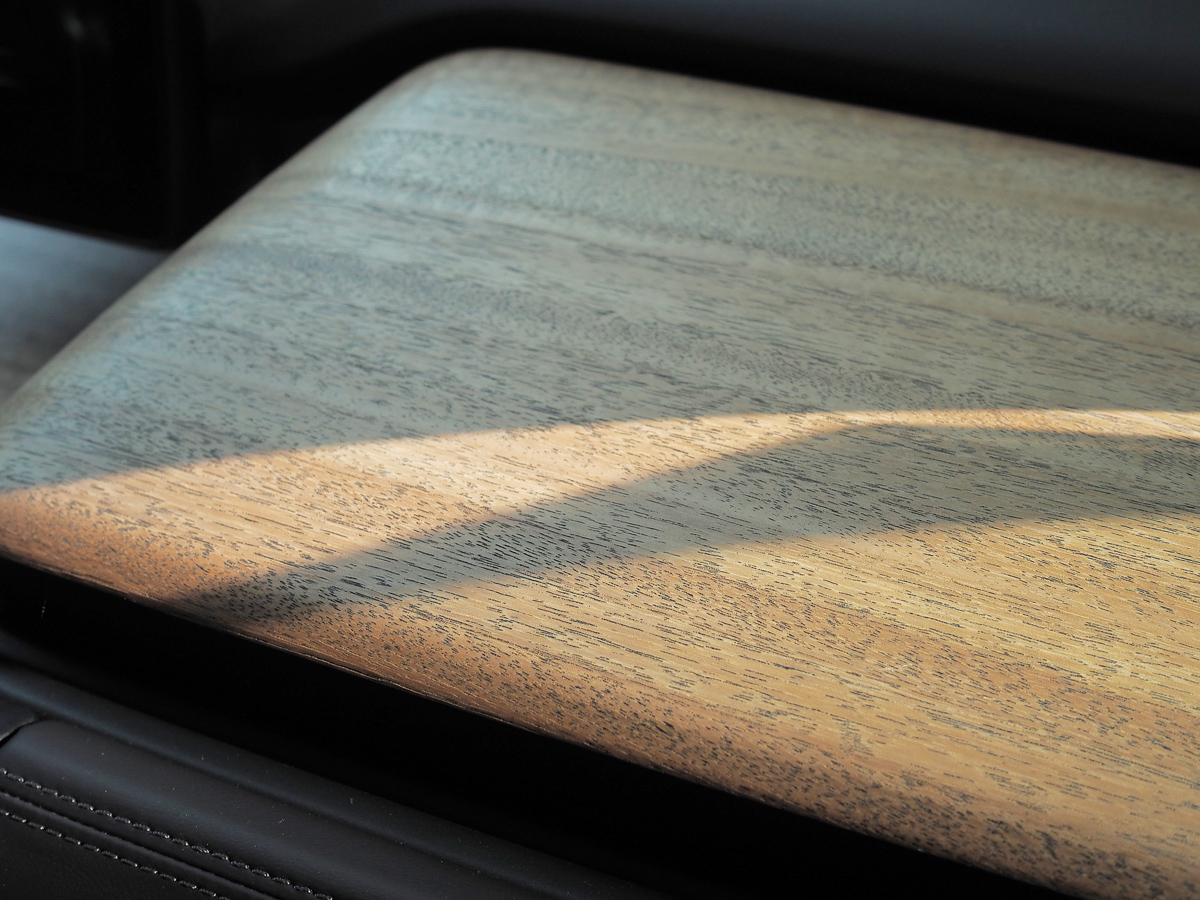
Besides utilizing reconstituted ingredients, the wood that you see in the car is sourced from eucalyptus trees farmed in certified European plantations, and any leather used is tanned with a natural process using extract from olive leaves.
“More and more people are seeing sustainability as a trend that they would like to be a part of and they would like to associate with,” says Belcourt. “People’s values are changing.”
Launch control, a feature found on many new performance-oriented cars, makes achieving maximum acceleration from a standing start easier.
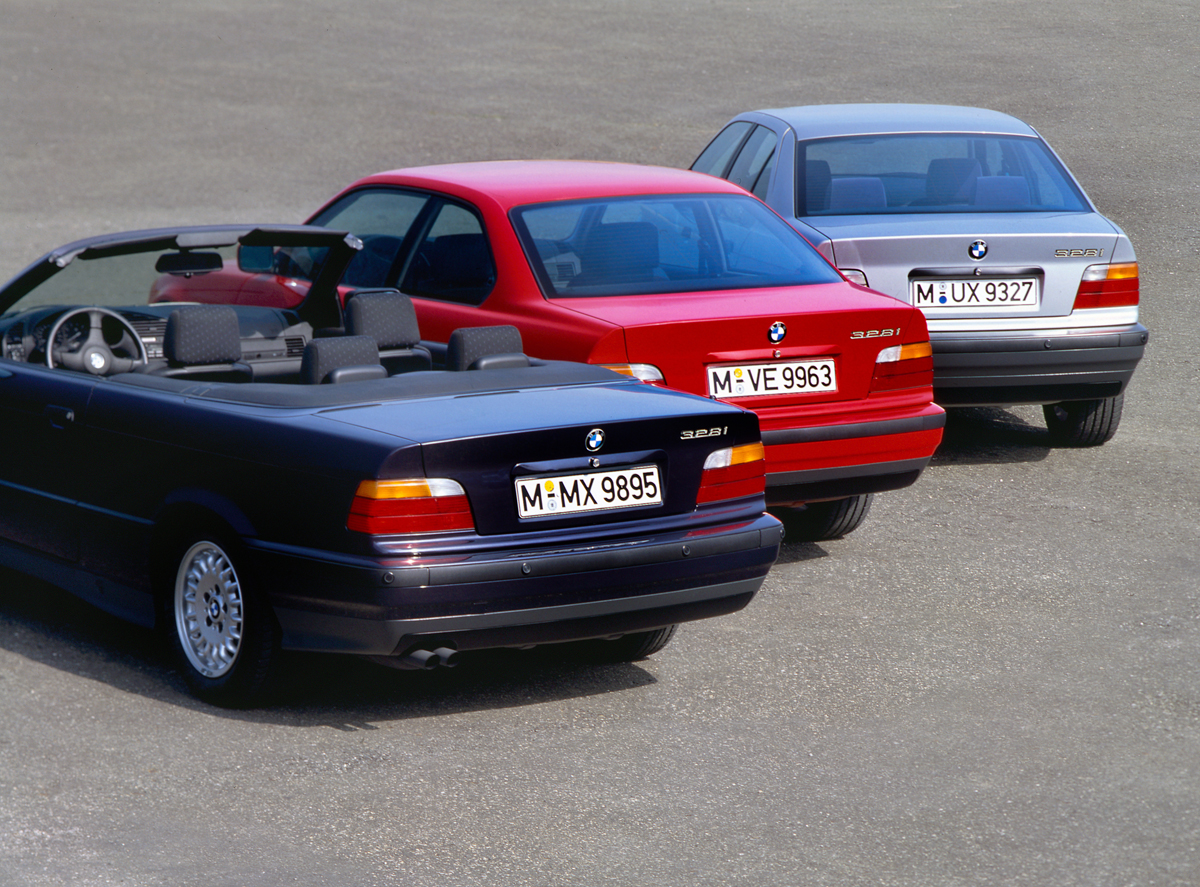
Help us celebrate with BMW, as the 3 Series enters year 40 of production, by looking back at how the car has changed through the decades.

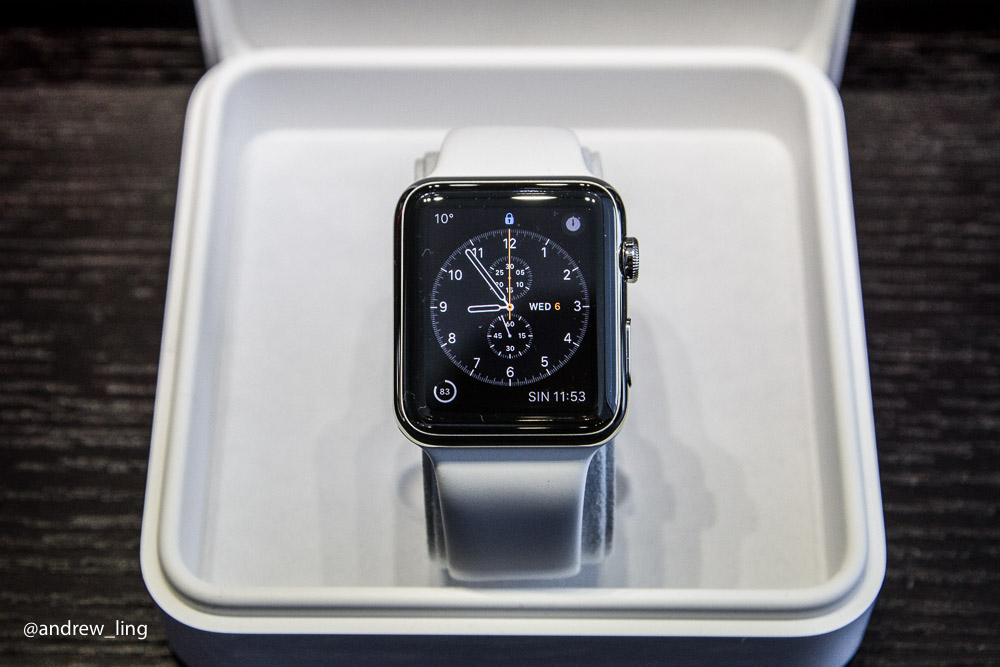
After many years of speculation and rumours, Apple finally unveiled its first wearable device, officially called the Apple Watch.
Like many of the company’s other products, Apple fans predict that it will change the way that we interact with technology, much like how the iPad and iPhone did. Regardless of whether or not you think the Apple watch is a slam dunk, it has proven to be wildly popular, with millions of units pre-sold.
Like other smart watches on the market, the Apple Watch has the ability to run apps, and BMW being one of Apple’s automotive partners, has taken advantage of this functionality (and the device’s popularity) to further develop their vision of the (Internet) connected car for Apple Watch owners.

No longer is this just whimsical thinking reserved for concept cars. BMW has planted their flag in the world of mobile vehicle connectivity through their ConnectedDrive technology.
The very first vehicles to take advantage of the Apple Watch’s functionality are the electric cars from BMW’s i division.

Since electrical car owners tend to be considered early adopters, it makes sense for BMW to first offer the system to this generally more tech-savvy customer base.

The BMW i Remote phone app allows Apple Watch owners to remotely check and control functions of their BMW i3 or i8.

The Apple Watch has its very own version of the BMW i Remote app, which keeps users updated on the car’s status and much more.

While there is also a BMW i app available for the Samsung Gear S watch, the Apple Watch’s app has been developed a lot more comprehensively and thereby offers richer functionality.

The Apple Watch acts as a clever extension to a linked iPhone with the BMW i app installed. Launching the BMW i Remote app on the Apple Watch brings up a start screen that gives the owner summarized information about the car’s charge status, available range, and time of the day.

Kudos to BMW for ensuring that the app’s graphics are consistent with the look and feel of the in-car iDrive infortainment system.

Scrolling further up on this start screen reveals a new menu through which users can check a whole host of other vehicle information including whether the car is locked, the windows are closed, or even if the moonroof is open. The doors can also be locked remotely. For security reasons, remote unlock functionality can only be done by calling BMW.

Lose your car in a parking lot? No problem. You can remotely flash the lights!

Vehicle maintenance alerts can also be checked at a glance, such as when the next maintenance appointment is due.

One of the heaviest drains on an electric vehicle’s battery is its heating and cooling system. Most EVs allow you to program a timer to pre-heat or cool the car while it is still hooked up to the household electrical grid. BMW’s i app takes this one step further by allowing pre-conditioning on demand with just a tap.

A right swipe of the watch’s start screen reveals the Remote Services screen that allows owners to adjust the car’s climate control system. Here, they can heat or cool the interior of their BMW I car while is being charged. This way no energy needs to be drawn from the car’s high voltage battery to pre-condition the climate control system, helping to maximize the car’s electric driving range.

Swipe the start screen to the left and Apple Watch owners will have access to the app’s location services display. This shows where the car is located on a map, and also offers up the intermodal route planning function.

One of the numerous innovations on board the BMW i3 is intermodal route planning. In slow traffic and congestion, for example, owners can incorporate other modes of transport into the route planning process alongside the user’s own car. This may help them reach their destination more efficiently.

In a nutshell, this means that public transit can also be incorporated as part of the route guidance, extending the navigation system’s instructions from the parked car to the user’s final destination. The app can also guide the owner back to the parking space if required.

Although the intermodal functionality is still in its infancy in Canada, these functions promise to significantly enhance mobility, especially in urban areas.
With their embedded SIM cards, the BMW i3 and i8 are optimized for connectivity, while the BMW i Remote app creates a close link between the car, driver and outside world.
Many of us already view digital services as an integral part of our everyday lives, and smart watches are set to give this trend even greater momentum. They also make using electric mobility a faster and more direct experience.

Automakers recognize how important sound is to a sports car, and are coming up with newfangled ways of making them heard from the inside.
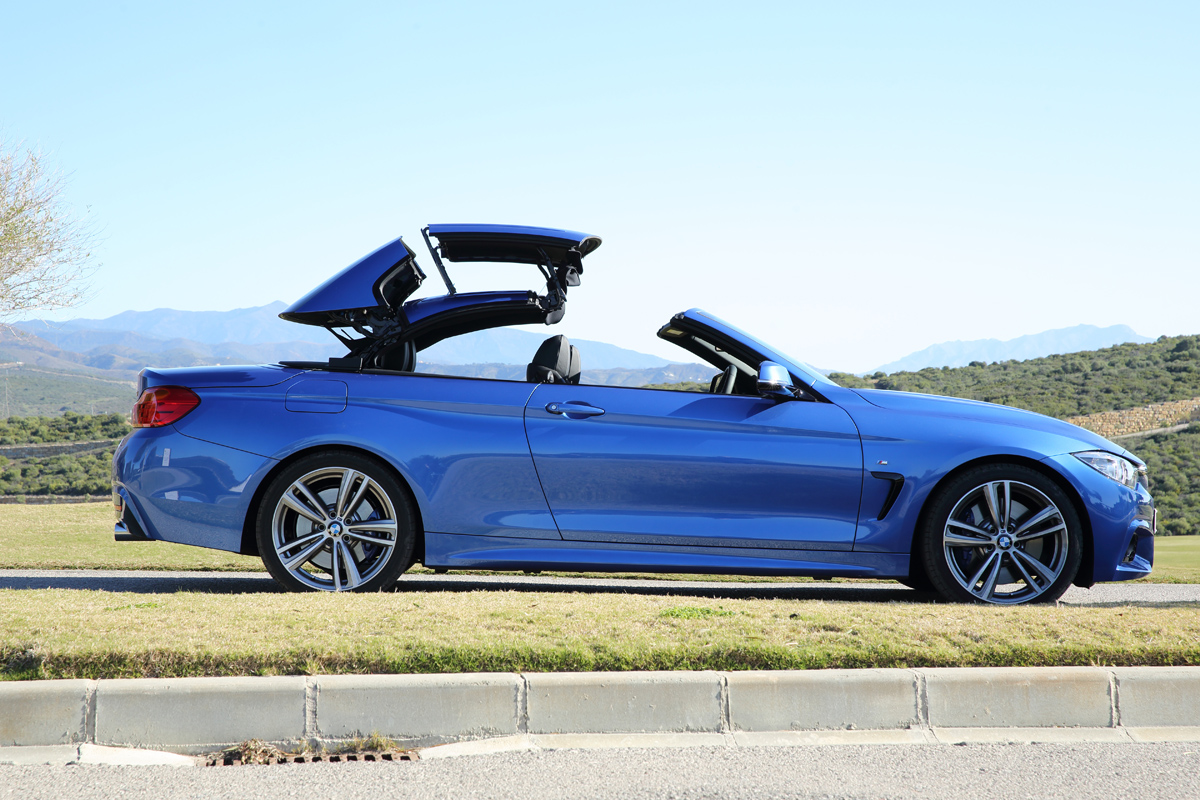
Summer is coming, and it’s time to look your best — because this season, there is a greater selection of well-priced luxury convertible vehicles offered by automakers than ever before.

St. Paddy’s day may have been a couple of weeks ago, but folks in B.C. have another reason to go green again with the start of phase two of B.C.’s Clean Energy Vehicle (CEV) program on April 1.
About $7.5 million in electric and hydrogen fuel cell vehicle sale incentives will be available from now until March 31, 2018, or until the funds are exhausted, whichever comes first.
“With the Clean Energy Vehicle program, we’re providing incentives that will make electric and hydrogen fuel cell vehicles more affordable for British Columbians, and expanding the charging and fuelling infrastructure to make it easier to ‘fill the tank,” says Bill Bennett, Minister of Energy and Mines.
Consumers thinking about purchasing or leasing a new battery electric or plug-in hybrid electric vehicle are eligible to receive up to a $5,000 rebate, and up to $6,000 if the power is provided by a hydrogen fuel cell, like the new Hyundai Tucson FCEV.
Bennett says phase one of the CEV program — that expired last spring — encouraged over 900 electric cars to find new homes and also spurred the installation of more than 1,000 charging stations across B.C., resulting in the reduction of approximately 57,000 tonnes of vehicle emissions.
Some quick stats: vehicles are responsible for nearly half of the province’s household greenhouse gas emissions; a CEV reduces emissions by 5.6 tonnes per year when compared to a conventional 2000 model year or older vehicle; a CEV reduces emissions by 3 tonnes per year when compared to a new gasoline-powered vehicle, according to a news release by the provincial government.
For drivers who hadn’t considered an alternative-energy automobile previously for whatever reason, manufacturers now offer several options that would appeal to even the most die-hard fan of traditional internal combustion. Here are some examples of what’s available.

Type: battery electric vehicle (with optional gasoline Range Extender)
Form factor: five-passenger hatchback
Base MSRP: $45,000

Type: plug-in electric hybrid vehicle
Form factor: five-passenger mid-size crossover SUV
Base MSRP: $86,600

Type: plug-in electric hybrid vehicle
Form factor: five-passenger sedan
Base MSRP: $110,000

Type: plug-in electric hybrid vehicle
Form factor: five-passenger hatchback
Base MSRP: $35,905
Read more about the CEV phase 2 program on the website.
The 2015 Vancouver International Autoshow is bigger than ever before this year. Now in its 95th year, the show boasts 25 per cent more floor space and even more vehicles at the Vancouver Convention Centre.
If you’re in the market for a new luxury SUV, here are my Top 5 Luxury SUV Picks for you to visit before the show shuts down this Sunday at 6pm.
The new Land Rover Discovery Sport makes its regional debut at this year’s Vancouver autoshow. It stands out from its posh compact-ute rivals for one simple and moderately compelling reason—it can actually go off-road, at least sometimes.

Based on the same platform as the wildly popular Range Rover Evoque, the Discovery Sport can’t match the ground clearance of its LR4, Range Rover, or Range Rover Sport siblings for pure wilderness-challenging ability.

However, the Disco Sport’s 8.3 inches of ground clearance is more than respectable for the occasional jaunt to the campgrounds or the country cottage. Land Rover also claims approach, departure, and breakover angles of 25, 31, and 31 degrees for the Sport, plus a wading depth of 23.6 inches.

In other words, that’s better offroadability than your typical BMW X3, Audi Q5, Mercedes-Benz GLK competitors.
Land Rover is also setting the Discovery Sport against its German rivals with the option of “5+2″ seating, with the ability to carry up to 7 passengers. No other compact luxury SUV offers such a feature. The “+2” is essentially a child-only fold-down third row that slides beneath the cargo floor when not in use.

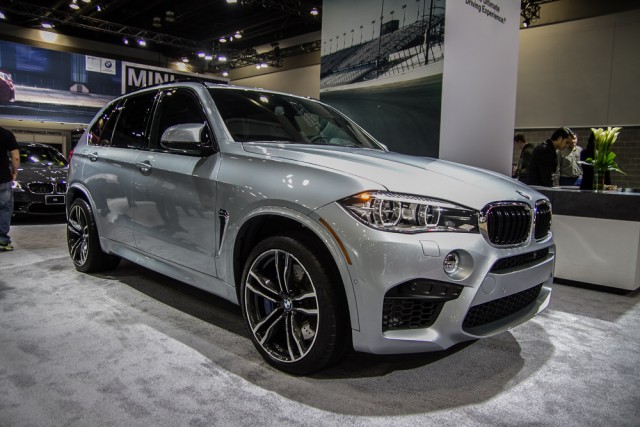
The BMW X5 has the distinction of being not only one of the first true luxury SUVs, but also one of the first seriously fast SUVs.

Now BMW is launching the second iteration of the X5 M, which is based on the third-generation X5, alongside its less practical X6 M Sport Activity Coupe sibling.

With a twin-turbocharged 4.4-liter V-8 rated at 567 horsepower and 553 lb-ft of torque, the X5 M (and X6 M) is even quicker to trot than its predecessor with its official 0 to 100 km/hr sprint taking just over four seconds. That’s faster than many pure two seater sports cars!
Like the X6 M, the X5 M wears massive 285/35 tires up front and 325/30 rubber in the rear; 21-inch wheels are standard equipment.

As is usual in the latest BMW M models, the driver can fettle with the adjustable shocks, steering, transmission program, and throttle mapping through multiple modes using dedicated buttons for each.

Inside, the X5 M and X6 M both feature bespoke M-specific bits from the steering wheel and seats to the onscreen M Drive menu.
The exteriors of both vehicles also wear unique M front and rear styling cues, setting them apart from their more pedestrian non-M models.

And now for something smaller (and more affordable).
With the new Lexus NX, Lexus is looking for a younger demographic than its RX mid-sized SUV.

The mid-sized RX is too big and pricey to attack the growing number of compact luxo utes and this is where the NX fits in.
Instead of the rounded and conservative silhouette associated with the RX, the NX breaks through with its brand-identifying Lexus “spindle” grille and aggressive body creases and folds.

There are two models available, the NX200t and the NX300h, available with front or four-wheel drive.
The 200t marks Lexus’s first turbocharged gas engine, in this case a 235-hp 2.0-liter four. It also will be available in mildly sportier F Sport guise.
The 300h is a hybrid with a gasoline 2.5-liter four cylinder engine and an electric motor combining to deliver 194 horsepower. You can even test drive the Lexus NX300h yourself in the Green Drive program running outside the Vancouver Convention Centre till this Sunday.

The Infiniti QX80 was substantially updated for the 2014 model year and remains as one of the few full-sized SUVs on the market with the ability to tow up to 8,500 lbs while still being able to transport 7 or 8 passengers in luxury.

Recently introduced is the QX80 in a new “Limited” trim level, offering subtle exterior upgrades and a sophisticated interior evocative of an executive boardroom.

Available in limited numbers only starting from May 2015 and exclusively as a 7-passenger model, the QX80 Limited’s exterior features dark finished, 22-inch aluminum-alloy wheels, dark chromed exterior trim, and unique stainless steel running board caps with rubber grips.
This vehicle certainly takes the word “premium” to another level.

The luxurious interior includes semi-aniline Truffle Brown leather appointments with an exclusive quilted pattern, open pore matte finish ash wood trim, an Ultrasuede headliner and pillars, leather-appointed grab handles and speaker grilles, unique floor and trunk mats, and unique silver switchgear trim on the centre stack.

Among three-row vehicles, few can match the Q7 in terms of style. It is as chic as it is spacious.
The 2016 Audi Q7 debuts as an all-new vehicle with Audi’s next generation styling and impressive weight savings to the tune of 717 pounds. This should pay dividends when it comes to fuel economy and performance.

Even though the 2016 Q7 is virtually the same height as the old one, clever visual tricks like the matte-aluminum trim surface between the front and rear wheels, the gently tapering roofline, and the powerful fender flares make it look lower, wider, and longer. In fact, the new Q7 looks more wagon-like than ever.

The low-rider vibe isn’t merely visual though. Audi’s relocation of the engine lower in the chassis has yanked the Q7’s center of gravity down by a claimed 2 inches, helping to improve its driving dynamics.
Audi has been well known for its impressive use of the latest lighting technology and the 2016 Q7 continues on with that trend. The headlights’ LED daytime running lamps now form pairs of arrow-shaped elements, as do the LED tail lights out back.

As you would expect with most luxury SUVs, there is a load of the latest active safety technology to compliment the latest in driving dynamic enhancements.
Carried over from Audi’s sports cars are systems such as a brake-based torque-vectoring system and an electronically controlled center differential. The latter can vary the all-wheel-drive system’s torque split from the standard 40/60-percent front-to-rear to 70/30 or 15/85 as conditions dictate.
Optional rear-wheel steering promises to enhance stability at higher speeds by slightly turning the rear wheels in concert with the fronts. At low speeds, the rear wheels turn opposite to the fronts to greatly improve parking lot agility on such a large vehicle.