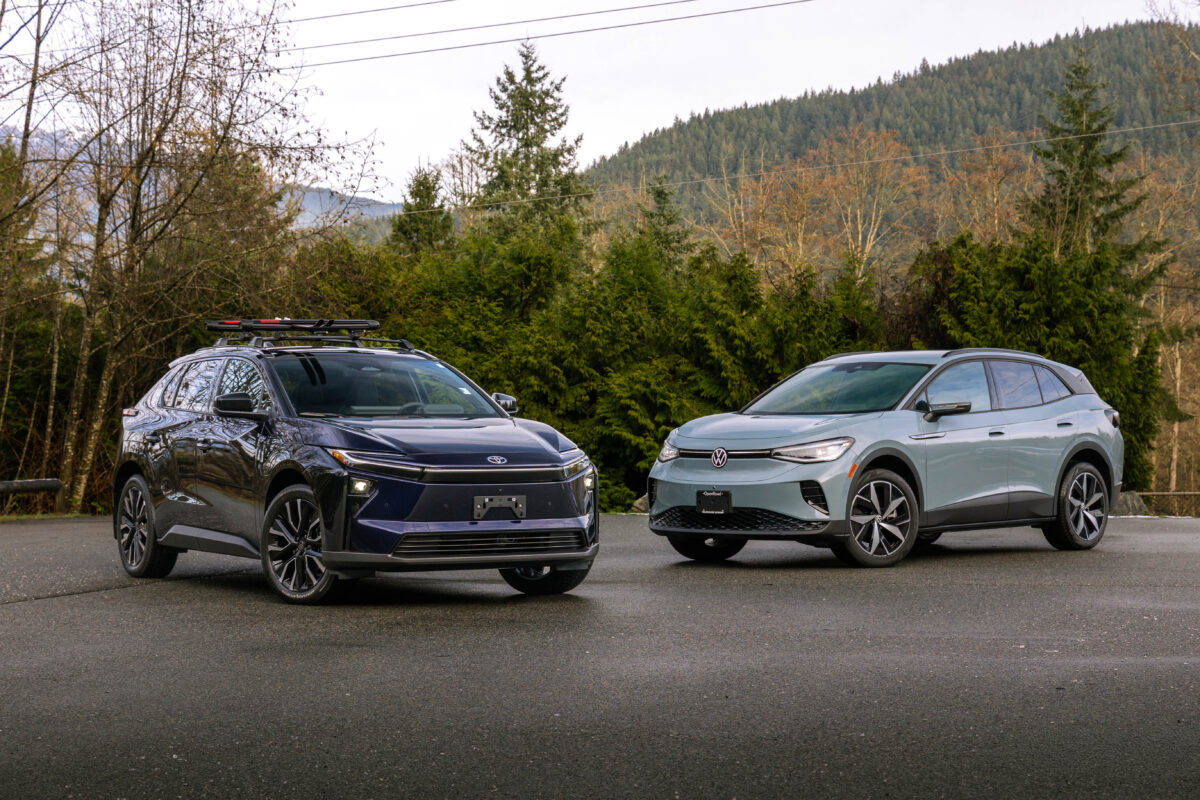
Comparing the updated 2026 Toyota bZ against the 2026 Volkswagen ID.4 

The electric crossover market has become one of the most competitive spaces in the automotive industry, and few models illustrate that better than the Toyota bZ and Volkswagen ID.4. Each represents a distinct approach to electrification. 

Design 

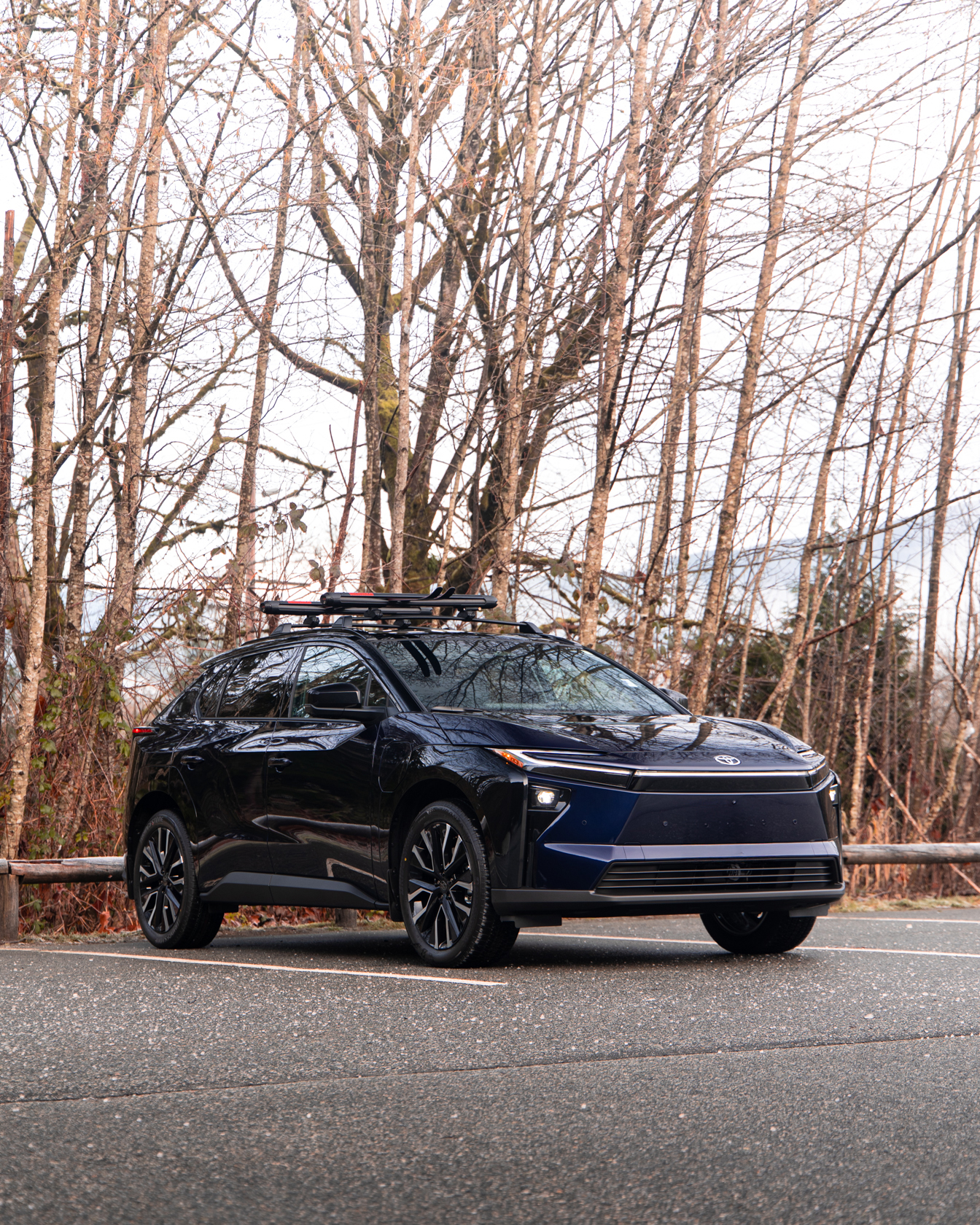
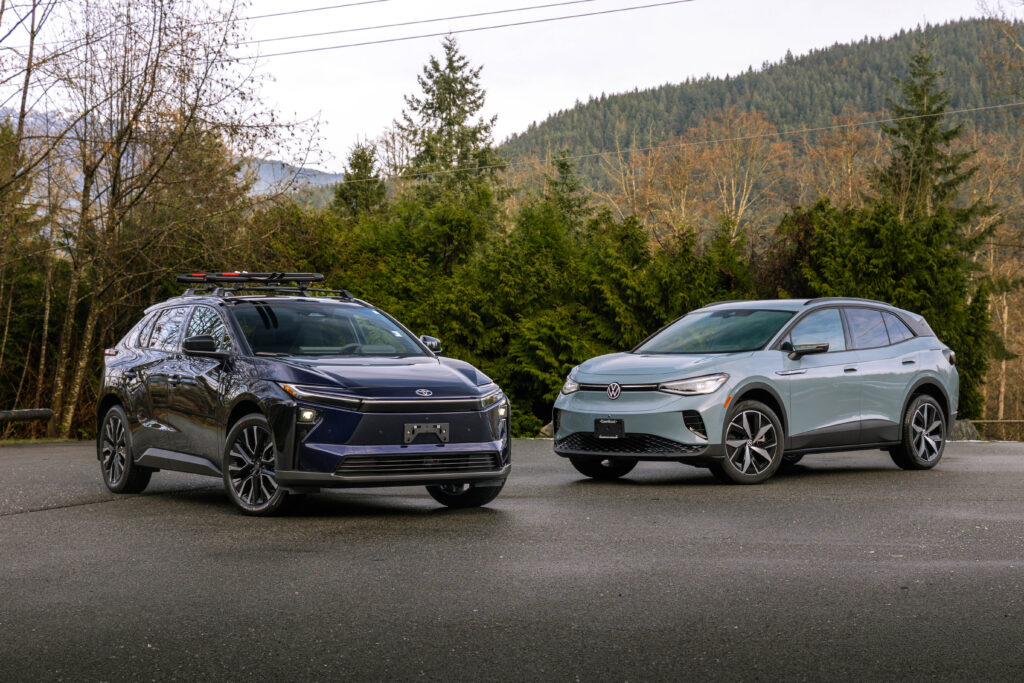
At first glance, these two take different approaches to exterior styling. The Toyota BZ mixes a modern and rugged design with its two-tone paint scheme and newly designed LED headlights. The Volkswagen ID.4 looks more traditional; more like a gasoline powered crossover SUV than an electric vehicle. 

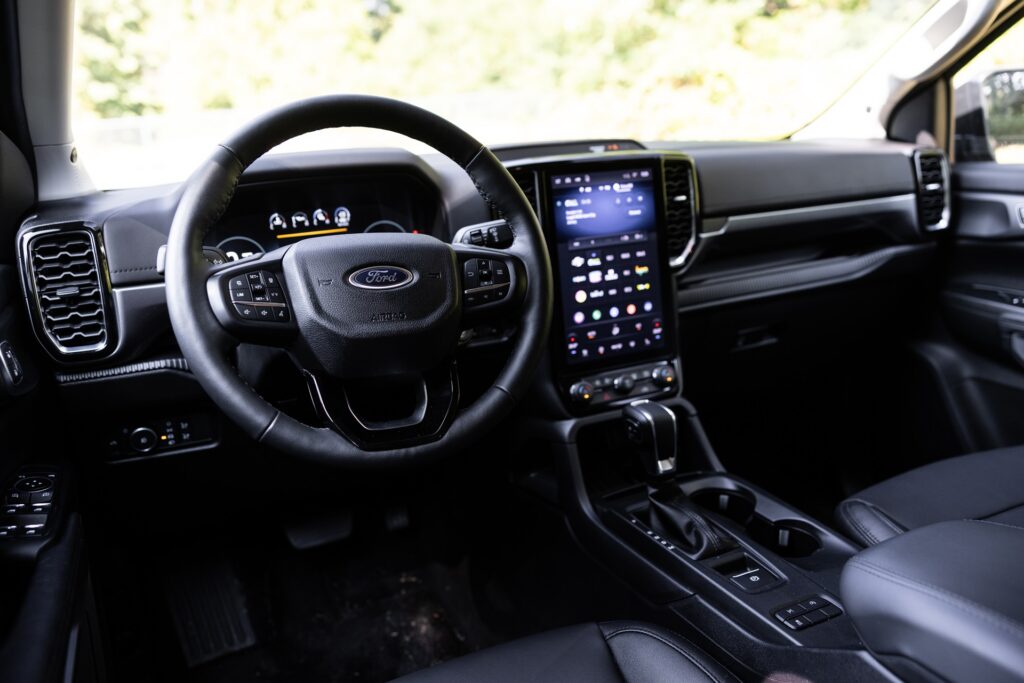
The differences continue to the inside of each EV. The Toyota bZ’s interior design is quite different from any other electric vehicle. The center console and infotainment are pretty simple to use, but the driver instrumentation display and steering wheel are unlike anything else. It’s unique, but not everyone will love it. 

Interior space is good in the front seats, but rear occupant space is a bit less than the Volkswagen. It’s a similar story in the trunk with the ID.4 accommodating more cargo than the Toyota bZ. 

The Volkswagen ID.4 takes a simpler approach to interior design. But it may be a bit too simple for some. Volkswagen uses capacitive touch controls on the steering wheel which you may inadvertently touch while turning, which may change the radio station or turn up the radio volume. The climate also uses capacitive touch controls just underneath the infotainment touchscreen which can be a bit finnicky to use while driving. 

But when it comes to space, the ID.4 has the most amount of headroom and more rear legroom than the Toyota. Plus, it can swallow more family cargo in the back than the bZ. 

Powertrains 

You can get the ID.4 with up to 335 hp. That is with the larger battery pack and with AWD. The RWD version with the larger battery produces 282 hp while the base trim with the smaller battery produces 201 hp.   

To drive, the ID.4 feels like a German car should. It’s stable, smooth, and competent around corners.   

By comparison, the Toyota bZ doesn’t match the ID.4 when it comes to driving dynamics. At least, not the single motor version. Where the ID.4 has a RWD layout, the Toyota bZ has the electric motor powering the front wheels. This doesn’t make much difference in boring city traffic, but it does when you find yourself on twisty mountain roads. 

But the AWD version is a bit better to drive. For 2026, the bZ gets a huge bump in power. It goes from 214 hp to 338 hp. This makes the bZ more powerful than the ID.4 

Range & Charging 

The 2026 Toyota bZ also gains a more powerful on-board charger, 11 kW up from 6.6 kW. So, level 2 charging is going to be faster now. As for level 3 charging, it can take up to a maximum of 150 kW which means 10% to 80% takes just under half an hour. 

Moving to the Volkswagen ID.4, it can accept up to 175 kW of power but because it has a bigger battery than the bZ, it takes just under half an hour as well from 10% to 80% state of charge. 

As for the driving ranges when the batteries are topped up? The ID.4 can drive for up to 468 km in the RWD layout. The AWD dips to 423 km.  

As for the Toyota bZ, it’s the XLE AWD that has the most range with up to 468 km, just like the ID.4. The FWD version can only drive for up to 380 km. 

Pricing & Features 

When it comes to pricing, the Toyota bZ is the least expensive of the two. It starts at $45,990 which is actually a little bit less than the previous model year. That usually never happens. The Volkswagen ID.4 is a bit more expensive with a starting price of $48,495  

But if you opt for a fully loaded version of each, the Toyota bZ is still the least expensive at just under $62,000 while the ID.4 is just under $64,000. 

What features do you get for the $60,000+ price tag? Quite a few. Both are available with leatherette upholstery, heated & ventilated front seats, heated rear seats, wireless phone charging pad along with wireless Apple CarPlay & wireless Android Auto connectivity, dual-zone automatic climate control (3-zone in the Volkswagen), and surround view cameras among others. 

Each EV also has a few features that are unique to that model. For example, the Toyota bZ is available with radiant foot and leg heaters while the Volkswagen ID.4 is available with front massaging seats. 

So what’s the verdict? Well it comes down to your needs and preferences. The ID.4 is the conventional choice with a balanced driving demeanor and ride. While the Toyota bZ is the safe and reliable companion.  

If you’d like to learn more or test drive any of these cars, please get in touch with us at OpenRoadAuto.com


Coupe SUV Showdown: 2025 Genesis GV80 Coupe vs 2025 Mercedes-Benz GLE Coupe

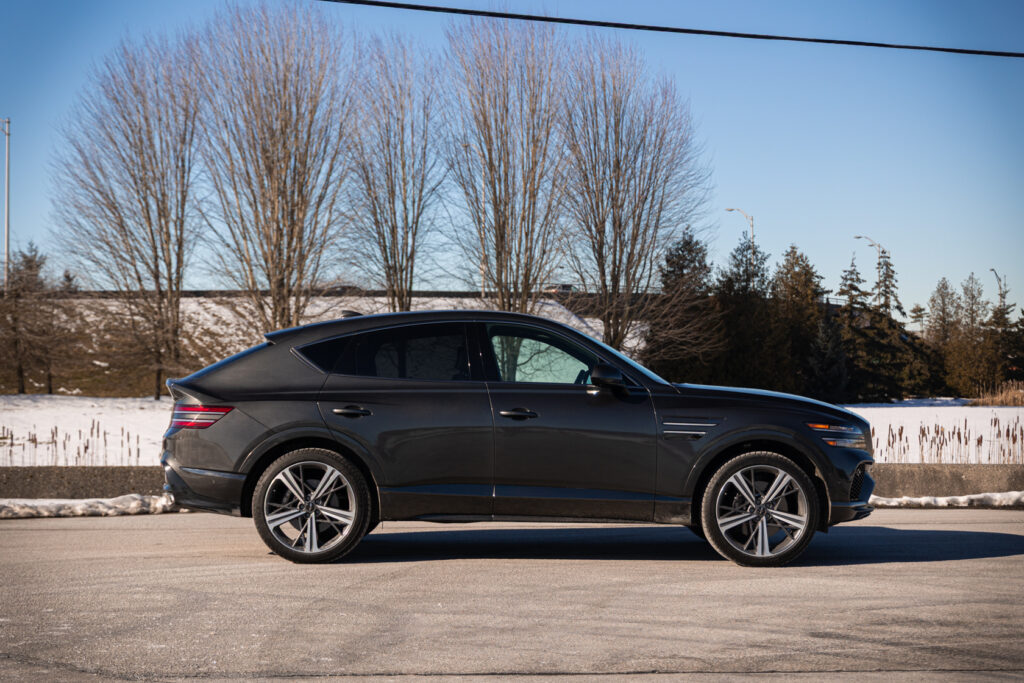
A coupe-SUV is a type of sports utility vehicle with a sloping rear roofline akin to a sporty sedan. It offers the tall driving position of an SUV but with the stylish design of a low-slung compact car. 

One of the first cars to have this design was the BMW X6 way back in 2008. It took a few more years before other manufacturers created their own Coupe-SUVs but now, almost every luxury brand offers one. The latest to join this trend is the all-new Genesis GV80 Coupe. 

Like the standard GV80, the GV80 Coupe is a spacious SUV with a luxurious cabin. The quilted Nappa leather seats are among the most comfortable you’ll ever sit in. The D-shaped steering wheel and available carbon fiber trim add a touch of sportiness to complement the stylish exterior.  

But the main focal point of this interior is the 27” OLED display. This is a seamless integration of the driver instrument cluster and the infotainment system. These are not split screens made to look as though it’s one like how it is in some other vehicles. 

To further add to the ambiance of luxury, the GV80 Coupe has a built-in fragrance system. This is integrated into the climate controls and Genesis offers three distinct aromas; Coming Home, Jaunty Breeze, and Down to Earth. 

However, there is a small drawback to having a coupe-SUV design which is most noticeable in the back seats. Legroom between this and the regular GV80 is the same but headroom is a bit less in the coupe version. Also, there’s no optional 3rd row and you get a little bit less cargo space behind the seats.  

But what you take away with one hand, you give with the other. Under the hood, the GV80 Coupe has a more powerful engine than the one in the standard GV80.  

Both cars have 3.5L twin-turbocharged V6 engines. But the one in the Coupe version produces 409 hp whereas the one in the standard GV80 produces 375 hp. Why the difference? Well, the GV80 Coupe has a 48-Volt mild hybrid system. 

It’s not a traditional hybrid system in the sense that it will allow the SUV to be driven for brief periods on nothing but just electricity. Instead, this system provides a little bit more power to the engine through the use of an electric supercharger. In addition, it also provides a smooth auto start/stop function and improved fuel economy, particularly in a city environment.  

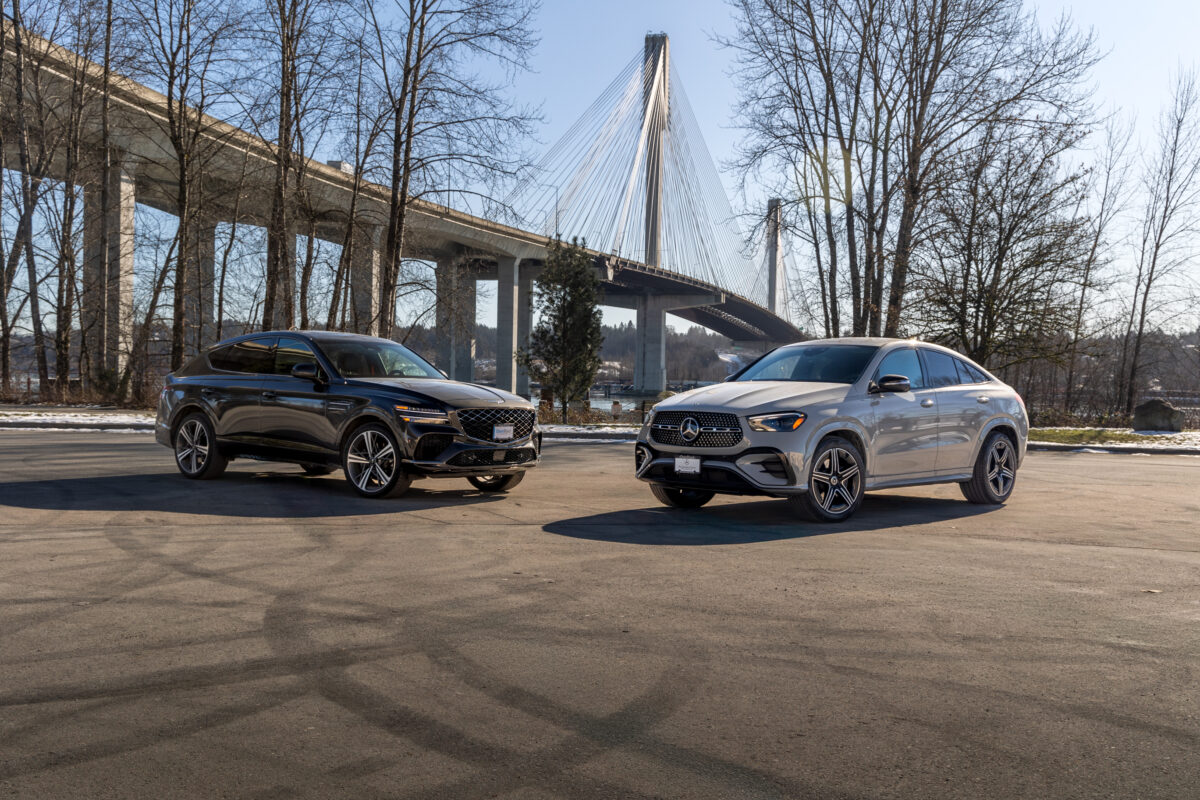
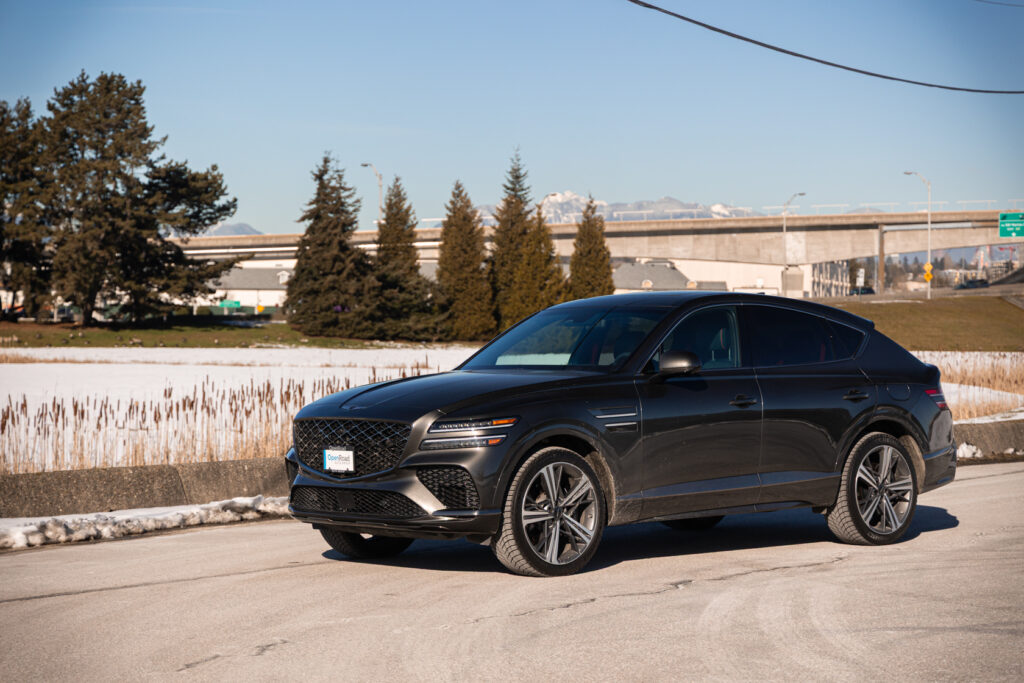
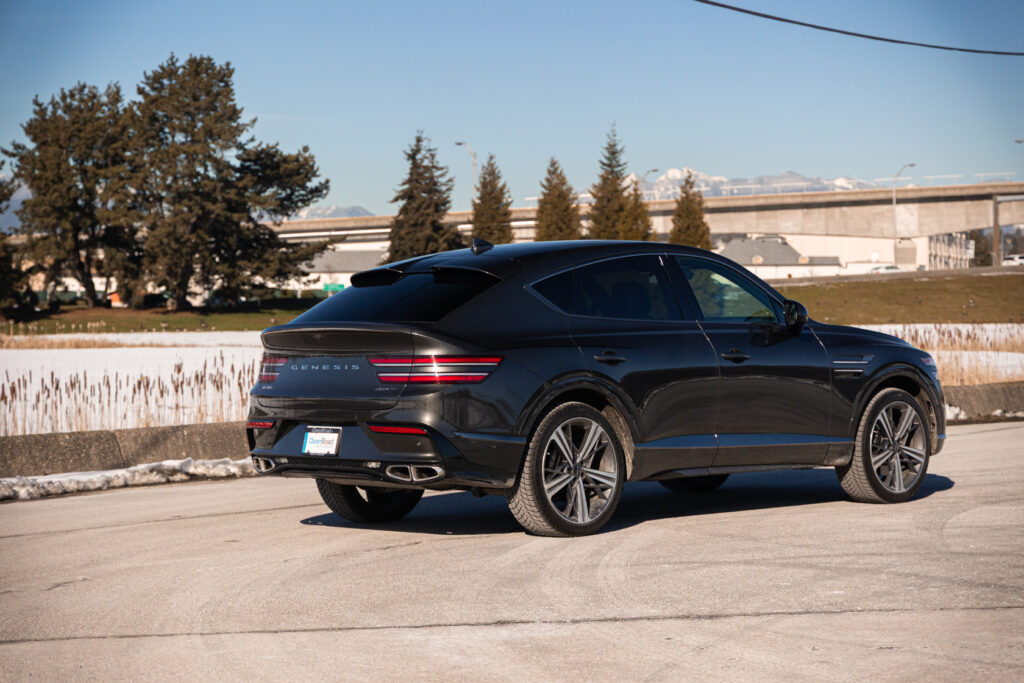
And then of course, there is the design. The sleek roofline and subtle spoiler give this SUV the sporty stance that sets these types of vehicles apart from every other. The GV80 coupe also comes with standard 22” wheels and like all other Genesis vehicles, the signature double lines of the headlight daytime running lights are carried to the side turn signals and the rear taillamps. 

But as I said at the start of the article, this is the latest coupe SUV to join the market. So how does the new kid on the block compare to something that’s been around the block a few times already?  

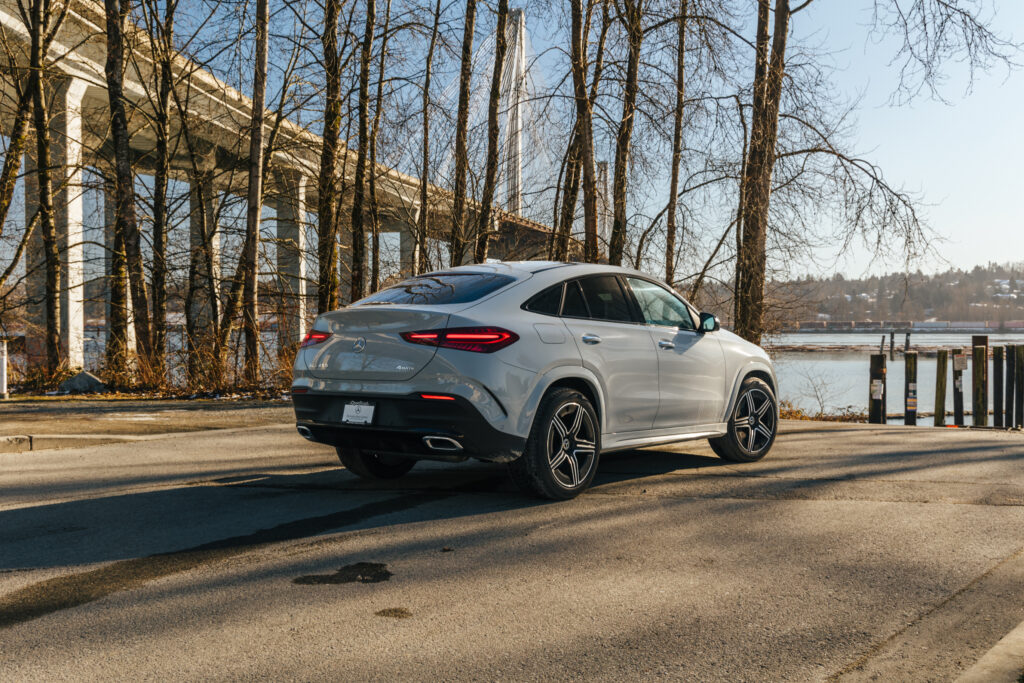
Like the GV80 Coupe, the Mercedes-Benz GLE Coupe has a similar sporty silhouette. Looks are subjective which is why to some, the GLE Coupe may look a bit more elegant from certain angles. The slim taillights and subtle spoiler make the GLE Coupe look timeless, especially if you get it in black. 

But looks are one thing. What’s available under the hood of the GLE is something completely different. You can get it with the bi-turbo V8 engine which produces just over 600 hp. The Genesis GV80 Coupe can’t match that. Of course, if that’s too much for you, there’s the GLE 53 AMG with 429 hp or the GLE 450 with 375 hp.  

Sure, the GLE 450 doesn’t produce the same power as the twin-turbo V6 in the Genesis, but it has a clever engine. It has a 48-Volt mild-hybrid system like in the GV80 Coupe but if you switch the drive mode to Eco and then take your foot off the throttle pedal while driving over 60 km/h, then the engine will shut itself off and let the car coast. This in turn provides better fuel economy because it allows the GLE to coast a little bit further down the road with minimal loss in speed due to engine braking. It does this for brief periods and the engine immediately starts up whenever you touch the throttle pedal again. This gives the GLE Coupe a combined fuel consumption figure of 11.2 L/100km vs 12 L/100km for the GV80 Coupe. 

But you’re not just buying a car like this for the fuel economy and the looks, you’re also getting it for the luxury. Both cars have similar features such as heated, ventilated, & massaging front seats, head-up displays, wireless phone charging pads, and soft close doors. But it’s the Mercedes can be optioned with just a few more convenience & luxury features which just sets this car further apart from others. 

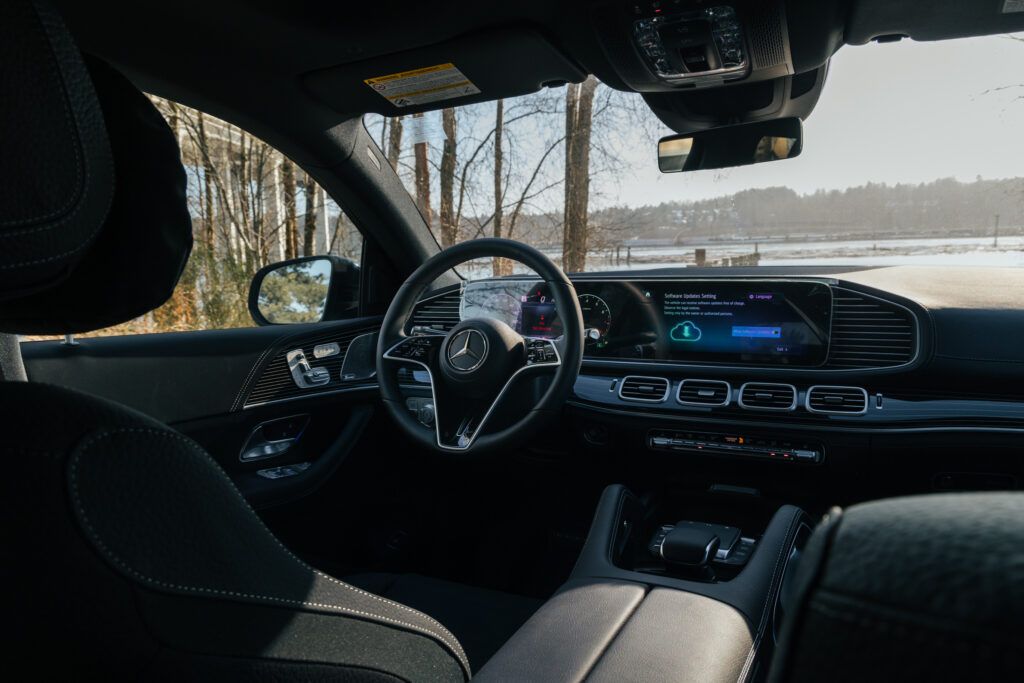
Some of these features include a 4-zone climate control system, heated front arm rests and upper door panels, heated & chilled cup holders, and one of the smoothest drives of any luxury SUV thanks to the Airmatic suspension. 

So, these two coupe SUVs have elegant silhouettes, similar interior space and similar features. Where they differ is with their prices. The Genesis GV80 Coupe is only available in one trim level and it will cost you $104,000. The Mercedes-Benz GLE 450 Coupe starts at $99,900 but in order to have similar options to the GV80 Coupe, you will have to add on a few packages. 

In the end, which one fancies your eye more? Let us know in the comments. And if you’d like to learn more about either car, please contact our knowledgeable product specialists at OpenRoad Mercedes-Benz Surrey or Genesis Richmond.