Battle of the Behemoths – Lexus LX700h vs Land Rover Range Rover

Big, expensive, and unapologetically opulent. Two titans of luxury off-roading. There’s the brand-new Lexus LX700h, now with hybrid muscle and a reputation for lasting longer than the scenery behind it. And next to it, the ever-so-English Range Rover. It’s as suave as it is sophisticated, the go-to chariot for the well-heeled and well-mannered. But here in Canada, where luxury meets snow drifts and 91 octane costs more than gold, which one actually makes more sense?

Design

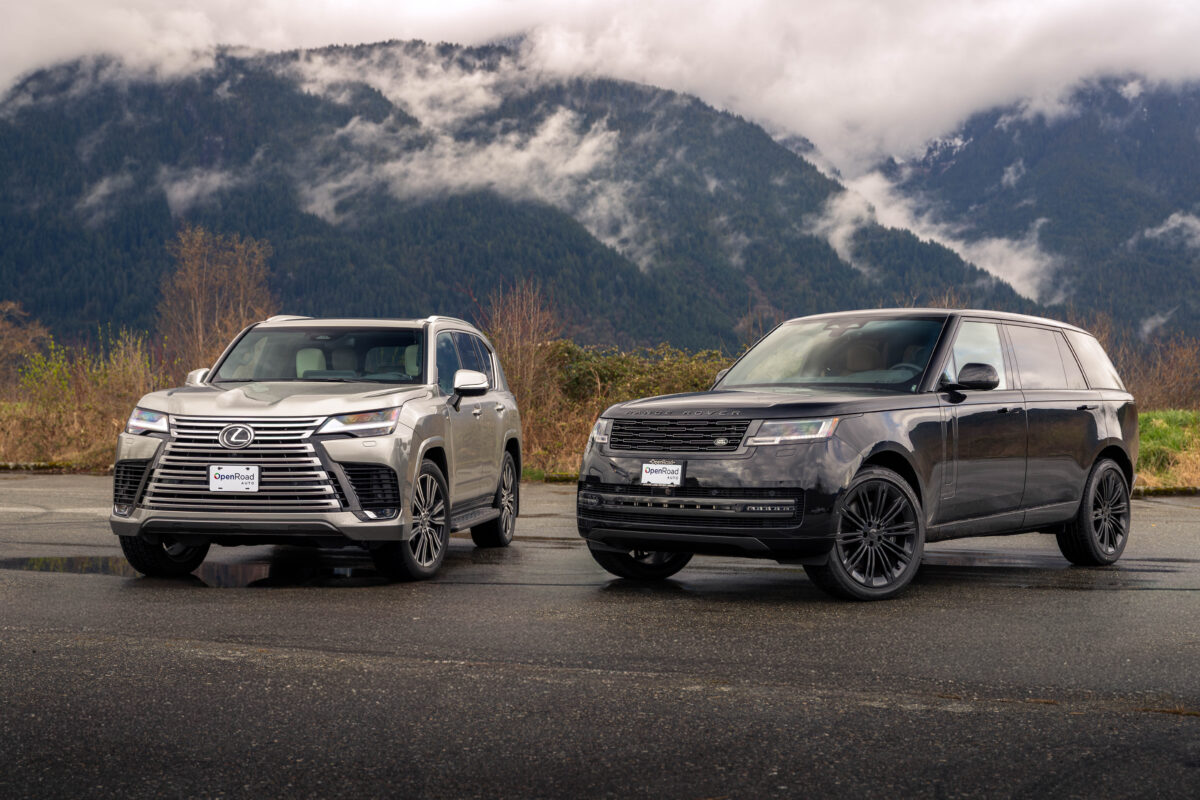
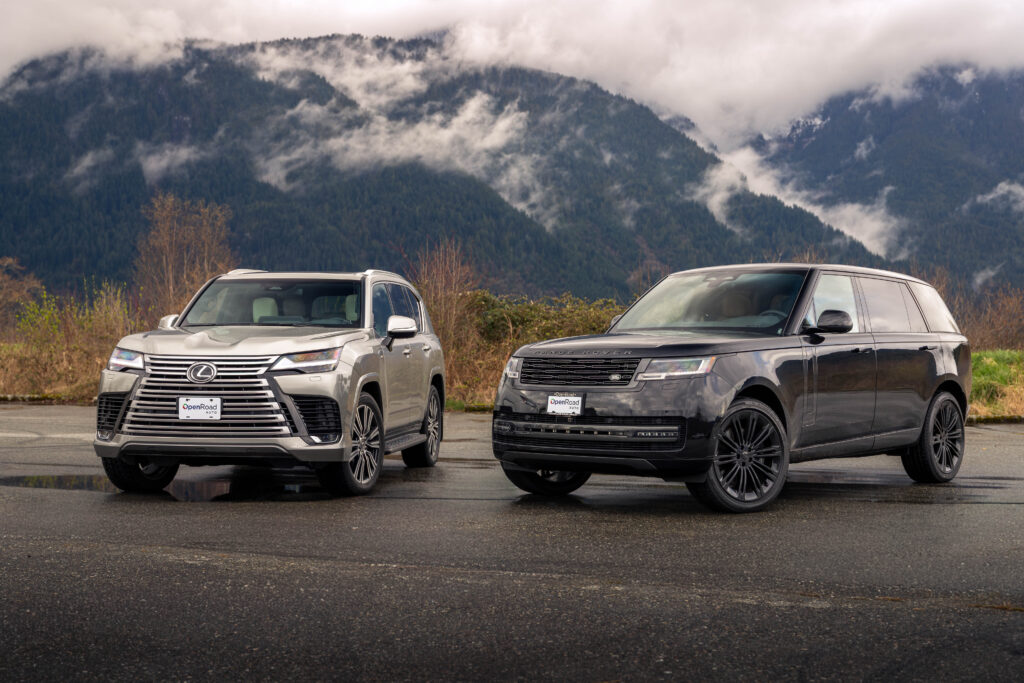
The Lexus LX700h looks like it’s been carved out of a single block of steel. Sharp creases, dominating grille, and enough polished aluminum to blind a moose at sunrise. It’s unmistakably Japanese — bold, confident, and about as subtle as a hockey brawl. 

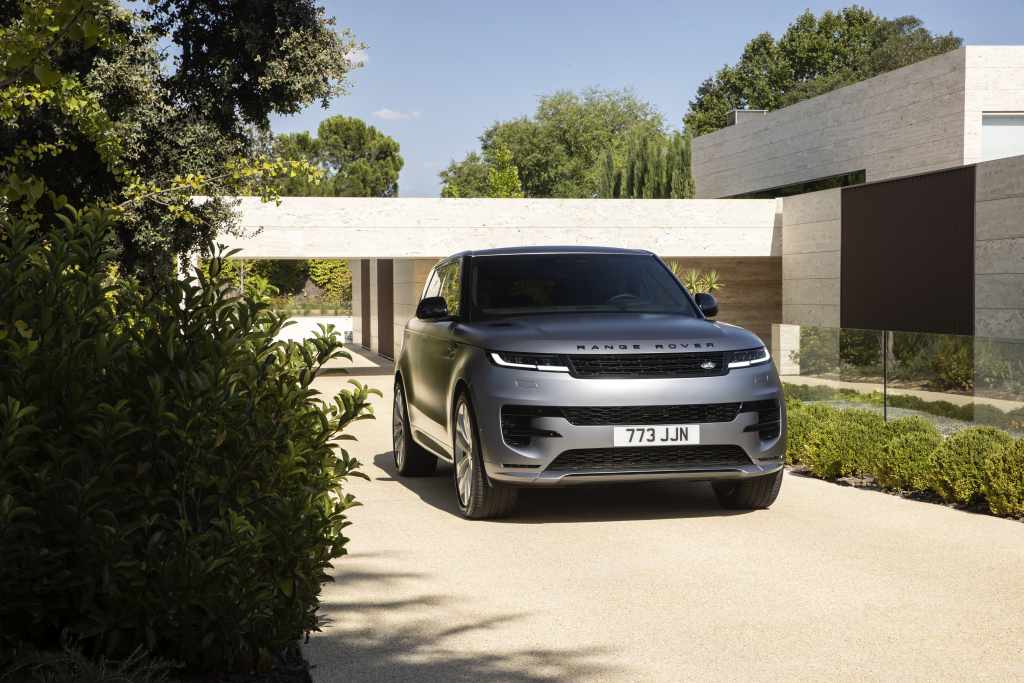
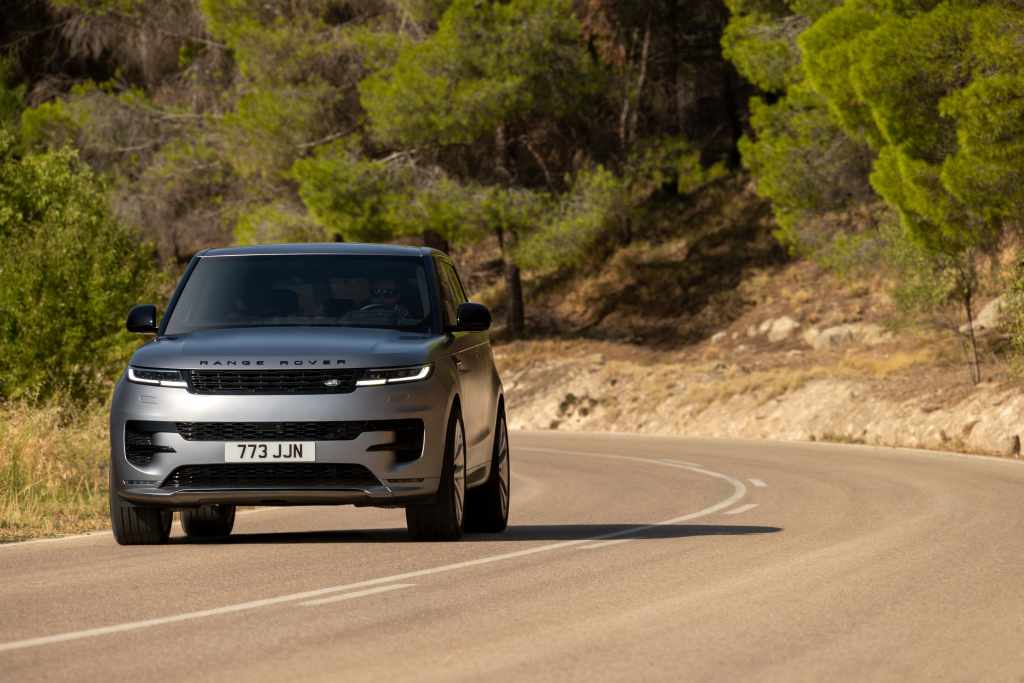
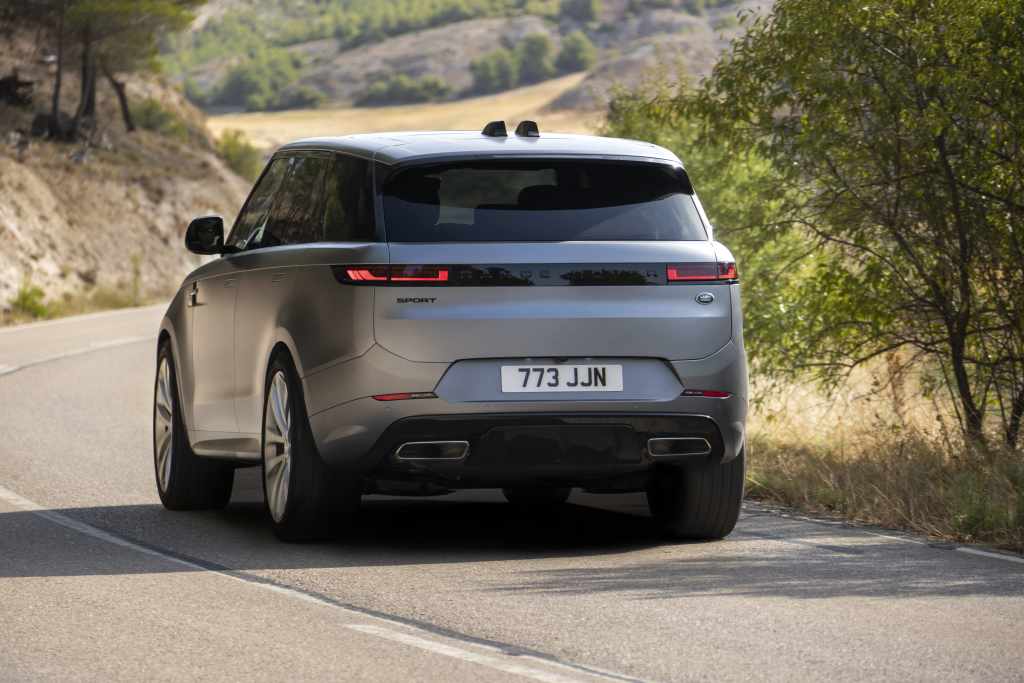
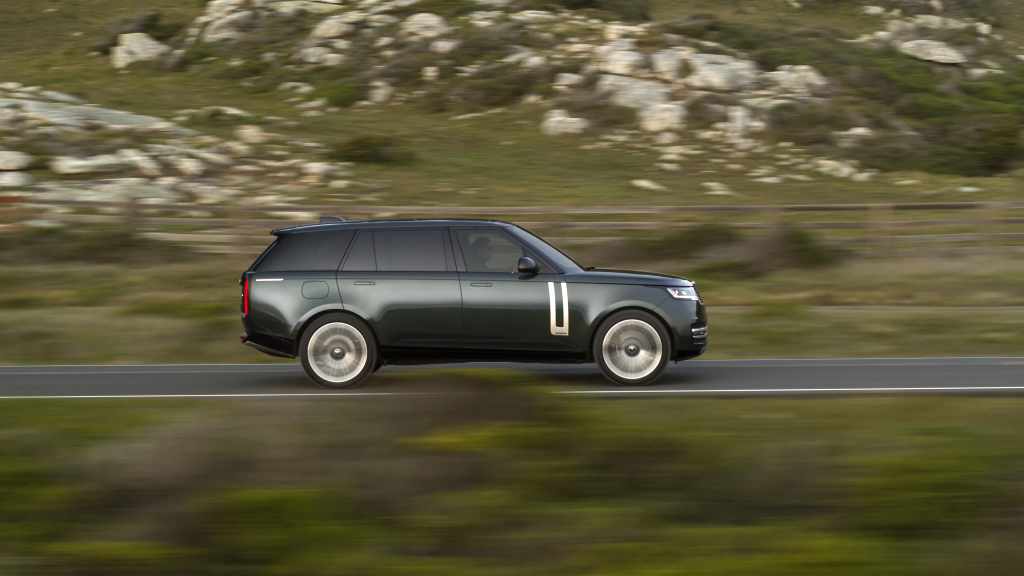
Meanwhile, the Range Rover keeps its minimalist elegance. That clean profile and floating roofline still turning heads since… forever. It’s less ‘look-at-me’ and more ‘I-own-a-private-island.’ 

If you’re after street presence, the Lexus wins for drama. But for pure class? The Range Rover takes it. No contest. 

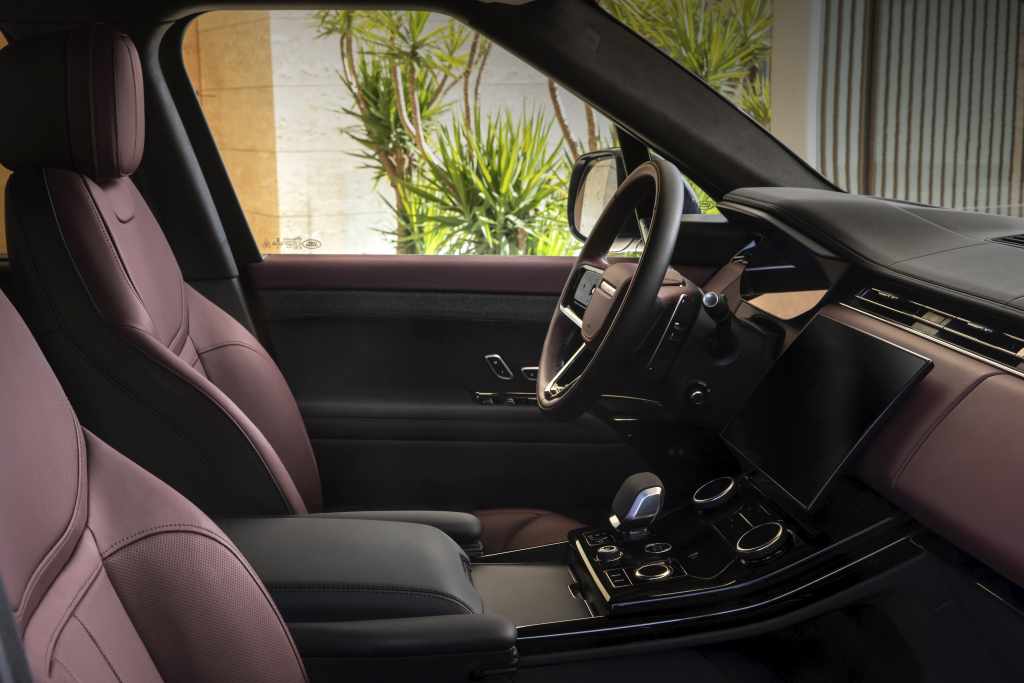
On the inside, the Range Rover’s cabin is an art gallery of understatement. Windsor leather options, 16-speaker Meridian 3D sound system, and a touchscreen that actually doesn’t make you pull your hair out. Add in heated, cooled, and massaging everything — including your ego.

With the long wheelbase option ticked off, the Range Rover seats 7 in utmost comfort, including those in the 3rd row. But if you skip the extra seats and go for the Executive Class rear setup, things get properly decadent. You get two individual recliners that heat, cool, and massage in near silence, separated by a full-length console with touchscreen controls and deployable walnut tables. It’s business-class travel with better suspension.

The LX700h stays true to its Land Cruiser roots. 7 seats, plenty of room for the kids, hockey gear, and a week’s worth of camping supplies. But the third row still feels more like a penalty box than a lounge. It’s very tight if you’re over 6 feet tall.

However, tick the box for the Executive VIP package, and it transforms the second row into something fit for royalty. Out go the three bench seats, and in come two enormous captain’s chairs with full recline, ottoman leg rests, ventilated and heated cushions, and even a built-in massage program. You also get a rear touchscreen control panel, separate climate zones, and a Mark Levinson sound system that somehow makes road noise vanish into thin air. It’s less family SUV and more private jet experience. 

Technology

On the tech side, both spoil you with toys. Adaptive cruise, lane guidance, 360-degree cameras, auto parking, and enough driver aids to make a pilot jealous. But the Range Rover’s tech feels more integrated, almost invisible. Its new Pivi Pro 2 infotainment runs on a 13.1-inch curved display that responds instantly. Add wireless updates, Alexa integration, and a digital key through your smartphone, and it starts to feel like you’re in Silicon Valley. Even the four-zone climate system can preheat or cool the cabin from your Range Rover app before you’ve even put on your coat. 

The Lexus takes a different approach. Less flash, more dependability. You still get all the assists like adaptive cruise, lane trace, blind-spot monitoring, and so on, but Lexus deliberately leaves a few physical controls in place, knowing some of us prefer a proper button when it’s minus twenty outside.  

Add in a head-up display, crisp cameras, and bulletproof consistency, and it’s technology that feels built to last, not just to impress. So yes, the Range Rover dazzles with screens and software. The Lexus? It just works — and in a Canadian winter, that might be the smarter kind of genius. 

Powertrain

Under the hood, the LX700h packs a 3.4L twin-turbo hybrid V6. 457 hp & 583 lb-ft of torque all sent through a 10-speed automatic transmission. 0-100 km/h takes around 6 seconds, which is not too bad for something that weighs as much as a small cottage. 

The hybrid system fills in the gaps between gear changes, so power arrives in an effortless wave. There’s no drama, just torque. It’s a smooth, electric shove that makes it feel smaller and lighter than it is. 

The LX rides on a body-on-frame chassis which means that it can shrug off small craters in the road. However, there’s no hiding that weight. You feel it through the turns. But it’s not trying to be sporty. It’s trying to be effortless, and in that way, it absolutely delivers. 

The Range Rover, on the other hand, doesn’t just have power; it has theatre. You can get it with a 395 hp inline-6 with a mild-hybrid system, or a 4.4L twin-turbo V8 with up to 607 hp. 0-100 km/h comes up in under five seconds, which is faintly ridiculous for something this tall, this heavy, and this dignified. 

Out on the road, the V8 feels endlessly smooth. There’s no real sense of turbo lag, just a deep well of torque from barely above idle. With the adaptive air suspension keeping the body flat, it corners with far more grace than its size suggests.  

It’s not the most efficient luxury SUV with a combined fuel economy rating of 12.9 L/100km for the V8 while the LX700h can achieve up to 11.7 L/100km combined. But you can opt for the plug-in hybrid version of the Range Rover with up to 90 km of gasoline-free driving range. Plug it in overnight, and you can do most weekday drives without burning a drop of fuel. 

Off-Road

Of course, all this luxury doesn’t mean much if you’re stranded the moment the pavement ends. And both of these beasts carry the kind of off-road reputation most crossovers can only dream about. 

The Lexus LX700h rides on proven Land Cruiser hardware, complete with full-time four-wheel drive, locking center differential, and multi-terrain select modes. Add in its hybrid torque delivery, crawl control, and a low range that’ll pull you up a rocky trail like a winch. 

The Range Rover, though, approaches off-roading with sophistication rather than brute strength. Its Terrain Response 2 system automatically adjusts air suspension, throttle, and traction control for whatever nature throws at it. And with up to 11.6 inches of ground clearance and a water wading depth over 35-inches, this thing could practically ford a small river on your drive to Whistler. 

Pricing

Now for the tough part, the price. The Lexus LX700h stars at $138,191 CAD with the top spec Executive VIP costing north of $173,000 CAD. 

The Range Rover starts at $133,000 CAD but once you add in every option, and there are A LOT of options, you’re easily looking at over $300,000 CAD.  

So, these are two different approaches to luxury. If you value bulletproof engineering, long-term reliability, and modest running costs, the Lexus is the smarter choice. But if you crave refinement, technology, and that intangible sense of prestige, the Range Rover still sits at the very top of the luxury food chain. 

One’s built to outlast civilization; the other, to rule it. Either way, lucky are those choosing between them.  

If you’d like to know more or test drive either of these luxury SUVs, please get in touch with us at OpenRoadAuto.com 


Range Rover introduces world's first full-size SUV coupe

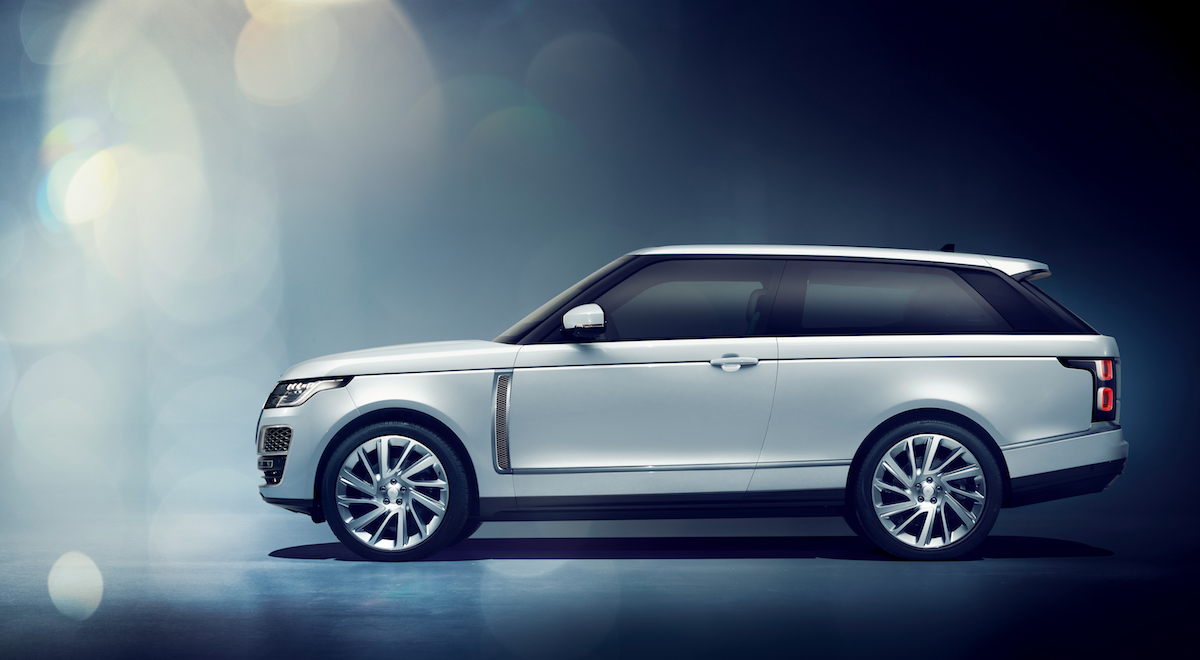
Move over Evoque Convertible, you’ve got some competition in the two-door Range Rover segment: introducing the Land Rover Special Vehicle Operations-designed SV Coupe.

This limited edition model is not only the world’s first full-size SUV coupe, but also the fastest full-size Range Rover produced to date with a 0 to 100 km/h speed of 5.3 seconds and a 265 km/h top speed.

Range Rover SV Coupe front three quarter

“The Range Rover SV Coupe is a celebration of the Range Rover bloodline,” said Land Rover chief design officer Gerry McGovern.

“With a dramatic two-door silhouette, this breath-taking four-seat coupe alludes to its unique heritage while being thoroughly modern and contemporary. Beautifully realized and superbly engineered, the Range Rover SV Coupe delivers the most distinguished, luxurious and exclusive Range Rover ever built.”

Range Rover SV Coupe top

Boasting the same beautiful design features as its stablemates like blacked-out pillars creating the appearance of a floating roof and a rear-tapered upper profile, the coupe adds a few personal touches as well including frameless door glass, the introduction of a 23-inch alloy wheel option and an exclusive liquid metal Liquesence paint finish.

Range Rover SV Coupe interior

Inside, semi-aniline leather front seats finished in a gradated diamond quilt pattern are unique to the SV Coupe. Consumers can select from a range of bespoke cabin colour schemes in either a traditional single tone style or front-to-rear contrast. In addition, there are three wood veneer choices including a new Nautica veneer comprised of a fusion of walnut and sycamore.

Range Rover SV Coupe interior

Those seeking some performance to go with their luxury need look no further — under the hood is a 5.0-litre supercharged V8 engine delivering a 557 horsepower and 516 lb-ft of torque. Although the suspension is more sport focused than other Range Rovers, lower by 8 millimetres, the SUV still comes with the Terrain Response 2 traction system providing grip in virtually all driving conditions, is capable of wading water up to 900-millimetres deep and can tow a maximum 7,716 pounds.

Hand assembled at the SVO Technical Centre in Warwickshire, UK, the Range Rover SV Coupe is limited to 999 units worldwide and starts at $335,000. Deliveries are anticipated towards the end of 2018.

AJAC finalists for Canadian Car/Utility Vehicle of the Year announced

This year, the Automobile Journalists Association of Canada (AJAC) chose the Montreal International Auto Show to announce its finalists for the Canadian Car of the Year program. The vehicles chosen, below, were among many 2018 models across multiple segments that have been thoroughly tested by nearly 100 journalists — scored on factors like performance, technology, fuel economy and much more — over the last several months. Here is more on some of the notable category winners.

2018 Volkswagen e-Golf white

Best City Car in Canada for 2018: Volkswagen e-Golf

It’s easy to see why the electric version of the legendary Golf was bestowed with this honour — a massive 35.8-kilowatt-hour battery gives the zero-emissions hatchback a 200-kilometre range, and the motor outputs 134 horsepower and 214 lb-ft of near-instant torque for guaranteed fun, fuel-free driving.

2018 Mazda3

Best Small Car in Canada for 2018: Mazda3

The current-generation Mazda3, featuring the head-turning KODO design and efficient SKYACTIV engineering, has garnered no shortage of accolades, and now chalks up one more on the list. The agile car returns with a truly class-leading looking and feeling interior, full suite of i-ACTIVSENSE safety technologies and an affordable starting price tag of $15,900.

2018 Honda Accord

Best Large Car in Canada for 2018: Honda Accord

What a year for the ’18 Accord, already having been named the North American Car of the Year and now the Best Large Car in Canada. Rebuilt from the ground up, the sedan is lighter and more rigid than before, touts a more streamlined body shape, runs on a one of two turbocharged VTEC engines and introduces a 10-speed automatic transmission, which is a world’s first for a front-wheel drive vehicle.

2018 Jaguar F-TYPE

Best Premium Sports-Performance Car in Canada for 2018: Jaguar F-TYPE

Anyone who has laid eyes on the beautiful Jaguar F-TYPE can tell the sports car is award winning without even having to do any research. To be specific, the coupe/roadster, available in both supercharged V6 and V8 form, has netted 160 awards worldwide since the original 2012 launch, according to the company. Small improvements have been made for the latest edition such as a new Touch Pro fast response infotainment system, full-LED headlights, refreshed front bumper and lightweight “slimline” seating.

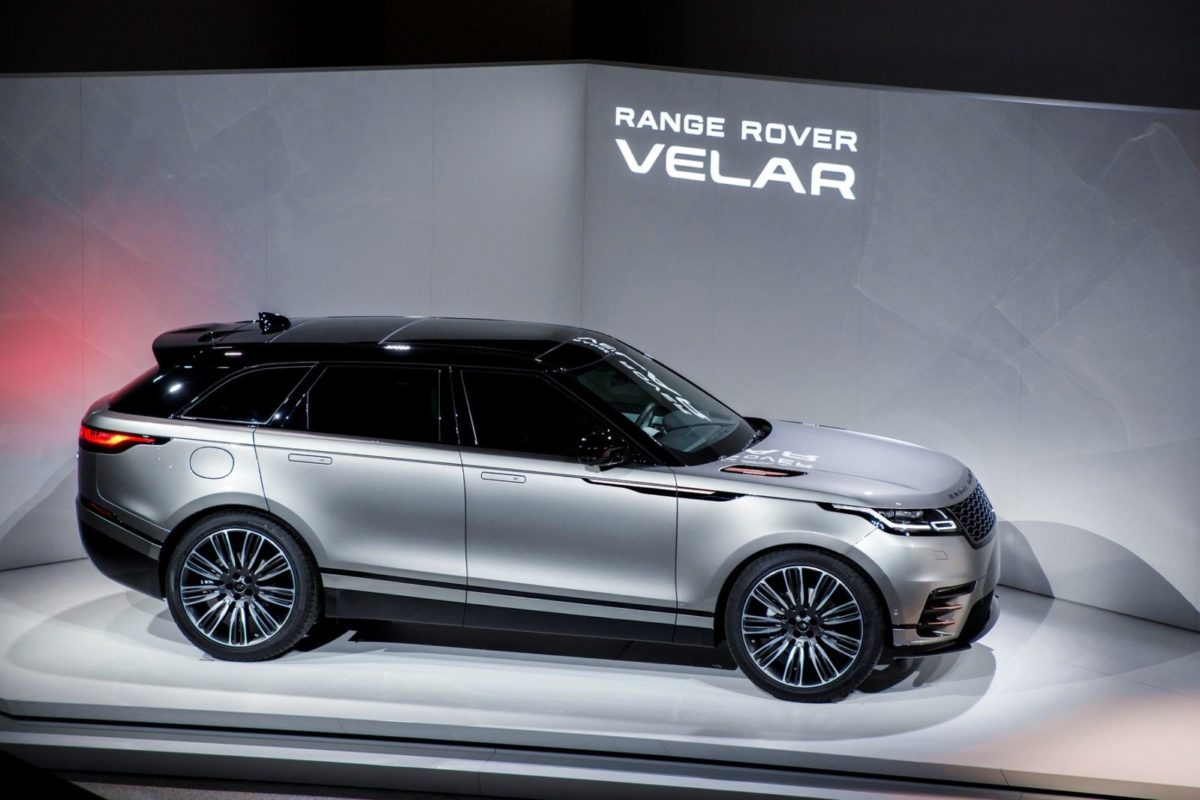
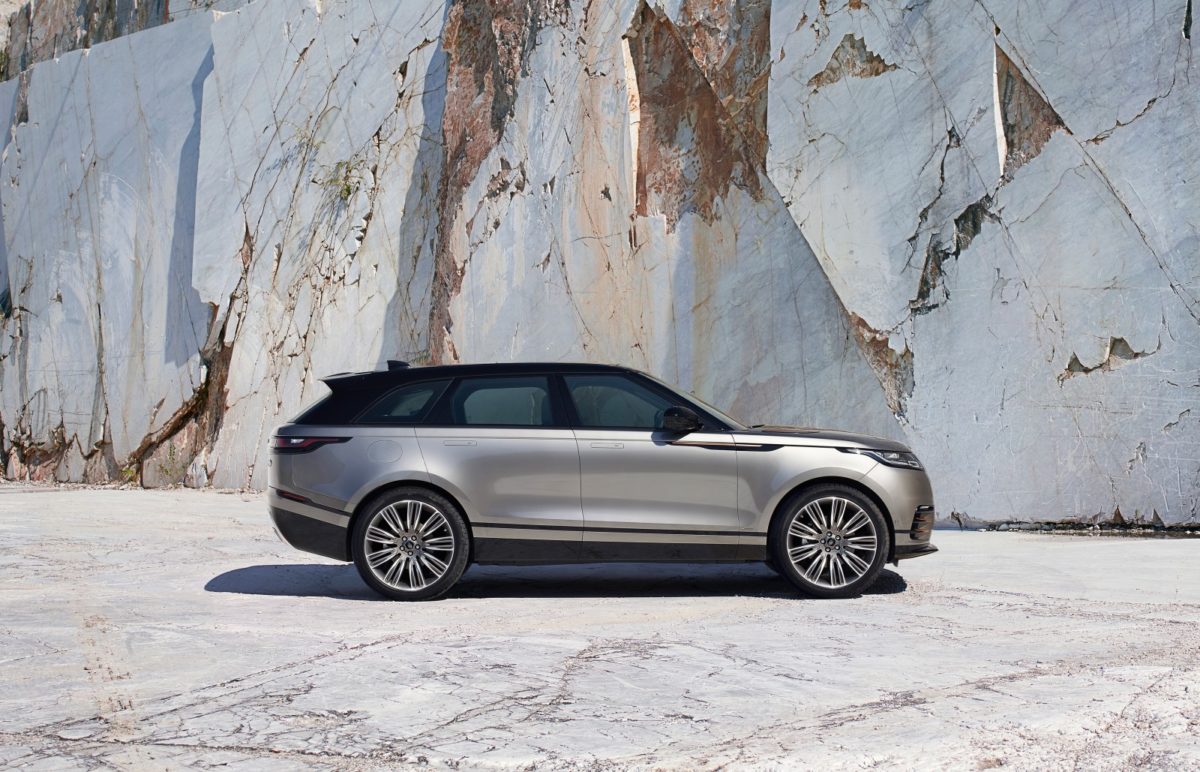
2018 Range Rover Velar

Best Small Premium Utility Vehicle in Canada for 2018: Range Rover Velar

The forth member to join the Range Rover family, the Velar brings a level of elegance and minimalism never quite seen before from the brand (just look at those flush-deployable door handles). From a capability standpoint, however, it’s business as usual. The mid-size SUV boasts a 558-litre luggage compartment, Terrain Response 2 traction aids, Advanced Tow Assist functionality and a choice between a 180-horsepower diesel and 380 horsepower gasoline engine.

Range Rover Sport to include plug-in hybrid option next year

The 2019 Range Rover Sport will feature an electrified variant that can travel up to 50 km/h on pure electricity.

Land Rover’s luxury mid-size SUV, the Range Rover Sport, is getting a series of enhancements for the 2018 lineup of vehicles. And, following closely behind, the model range is also about to receive its first plug-in hybrid.

Called the P400e, the partially-electric crossover is the result of a 296-horsepower turbocharged 2.0-litre engine mated to an 85-kilowatt electric motor, producing a combined 398 horses and 472 lb-ft of torque hooked up to a four-wheel drive system. Two driving modes are available to choose from: Parallel Hybrid, which automatically utilizes both power sources depending on driving and load conditions (a SAVE function can force gasoline propulsion to conserve battery reserves for later use), and a full-time EV mode allowing a maximum 50 kilometres of emissions-free driving at speeds of up to 137 km/h.
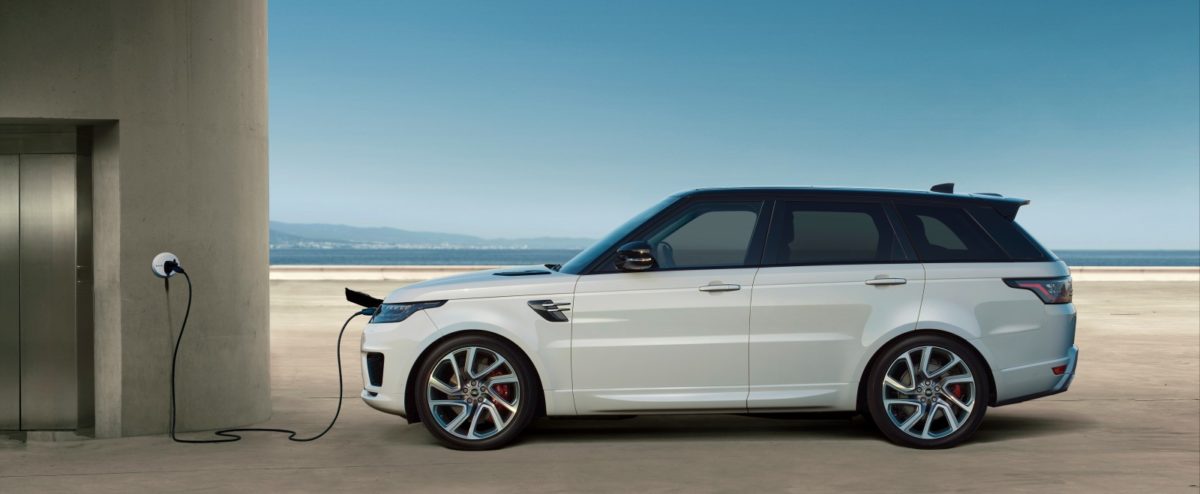
 2019 Range Rover Sport PHEV charging

Charging the vehicle is as simple as locating the port installed behind a panel on the front grille, and illuminated strips on either side of the socket indicate the current status. When plugged in, owners are able to set a timer and choose when the process should begin and end.

The P400e features the same refreshed exterior as stablemates with the V6 and V8 engines. Both the headlights and taillights have been upgraded to LEDs and the housings slimmed down and elongated, and the air cooling vents on the front bumper are enlarged. A bigger liftgate spoiler makes a splashier statement while helping to keep dirt off the rear window. A new appearance package adds carbon fibre accents to the grille, fender vent, hood and other areas of the body.

2019 Range Rover Sport PHEV gesture control

Venturing inwards, occupants will find more supportive seating, increased storage capacity in the centre console and a gesture controlled sunroof sunblind, activated with the wave of a hand in front of the rear-view mirror. In addition, an air cleaning system called Nanoe ionizes airborne particles causing them to cling to surfaces rather than float about in the cabin.

Look for the hybrid to arrive in summer of 2018.