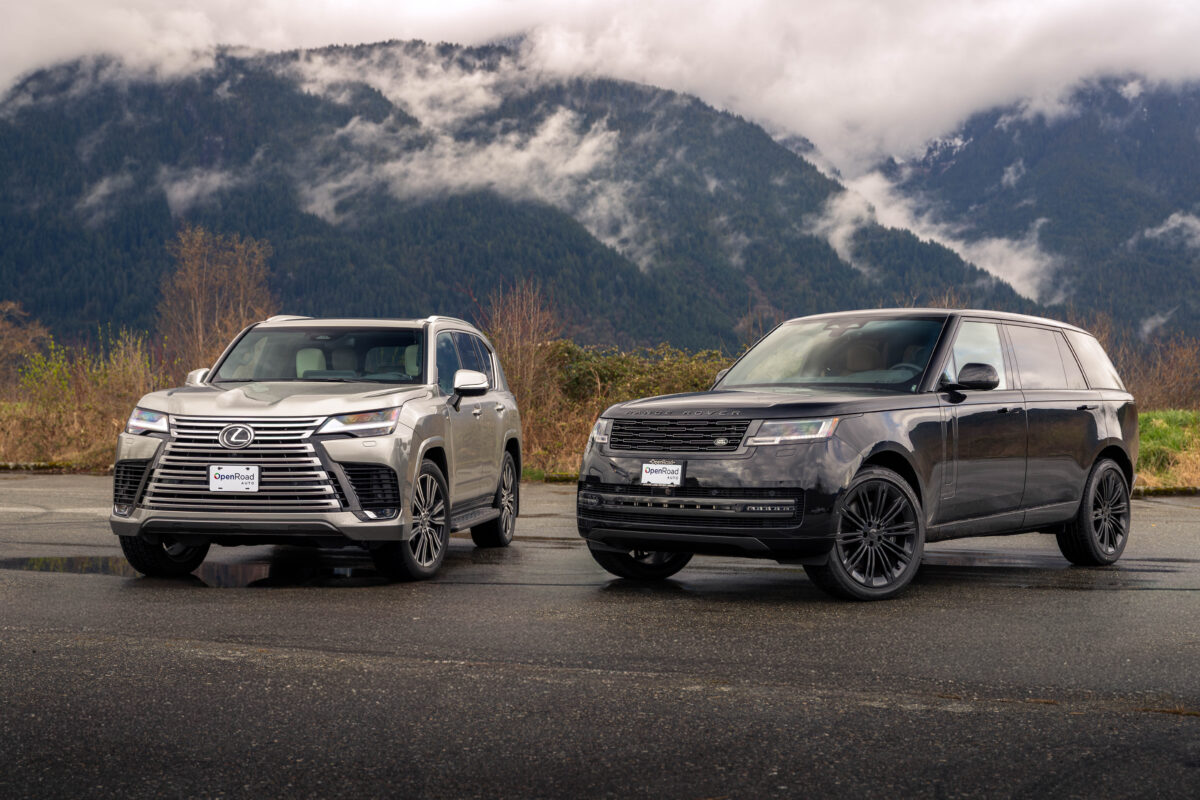
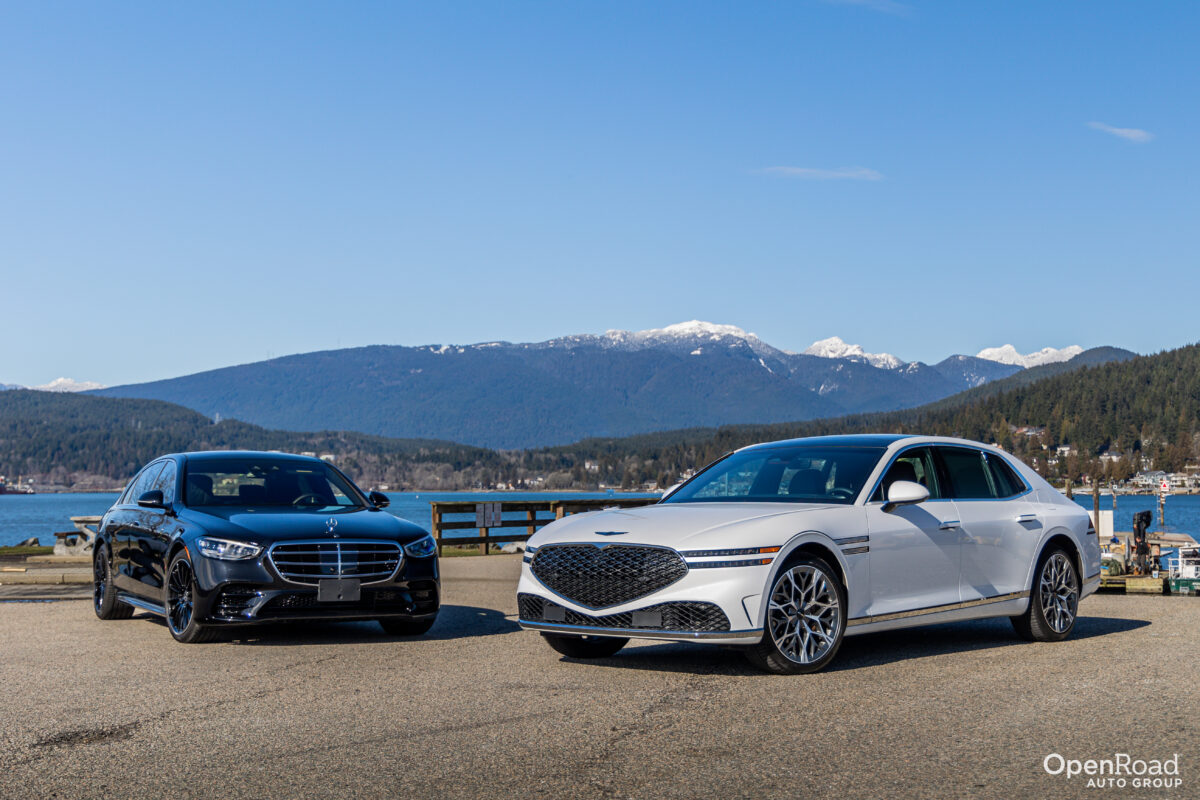
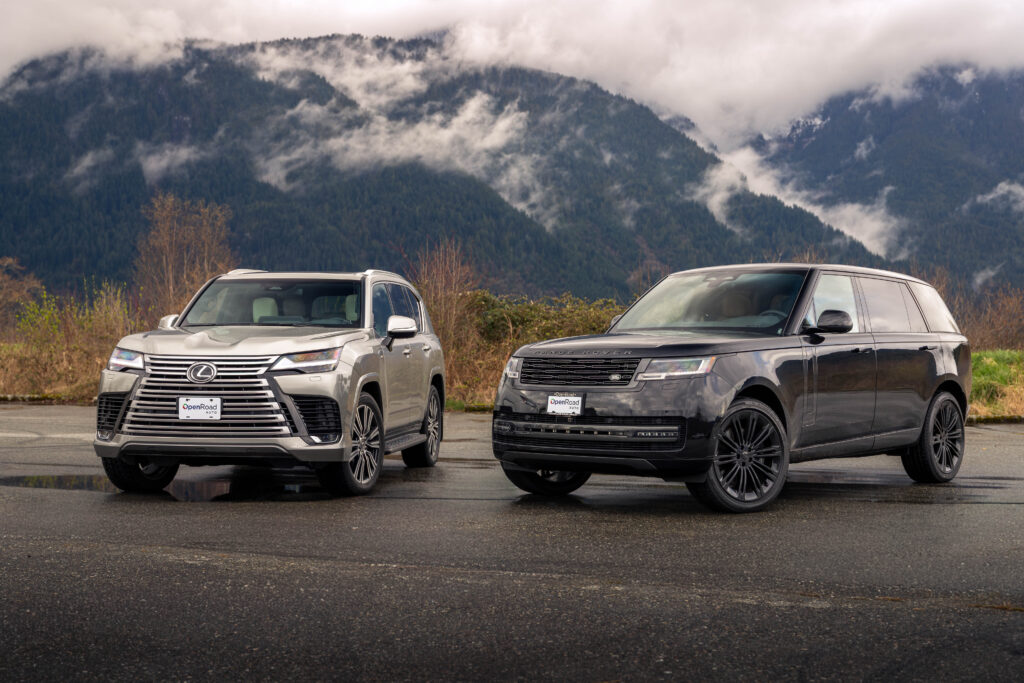
Battle of the Behemoths – Lexus LX700h vs Land Rover Range Rover

Big, expensive, and unapologetically opulent. Two titans of luxury off-roading. There’s the brand-new Lexus LX700h, now with hybrid muscle and a reputation for lasting longer than the scenery behind it. And next to it, the ever-so-English Range Rover. It’s as suave as it is sophisticated, the go-to chariot for the well-heeled and well-mannered. But here in Canada, where luxury meets snow drifts and 91 octane costs more than gold, which one actually makes more sense?
Design

The Lexus LX700h looks like it’s been carved out of a single block of steel. Sharp creases, dominating grille, and enough polished aluminum to blind a moose at sunrise. It’s unmistakably Japanese — bold, confident, and about as subtle as a hockey brawl. 

Meanwhile, the Range Rover keeps its minimalist elegance. That clean profile and floating roofline still turning heads since… forever. It’s less ‘look-at-me’ and more ‘I-own-a-private-island.’ 

If you’re after street presence, the Lexus wins for drama. But for pure class? The Range Rover takes it. No contest. 

On the inside, the Range Rover’s cabin is an art gallery of understatement. Windsor leather options, 16-speaker Meridian 3D sound system, and a touchscreen that actually doesn’t make you pull your hair out. Add in heated, cooled, and massaging everything — including your ego.

With the long wheelbase option ticked off, the Range Rover seats 7 in utmost comfort, including those in the 3rd row. But if you skip the extra seats and go for the Executive Class rear setup, things get properly decadent. You get two individual recliners that heat, cool, and massage in near silence, separated by a full-length console with touchscreen controls and deployable walnut tables. It’s business-class travel with better suspension.

The LX700h stays true to its Land Cruiser roots. 7 seats, plenty of room for the kids, hockey gear, and a week’s worth of camping supplies. But the third row still feels more like a penalty box than a lounge. It’s very tight if you’re over 6 feet tall.

However, tick the box for the Executive VIP package, and it transforms the second row into something fit for royalty. Out go the three bench seats, and in come two enormous captain’s chairs with full recline, ottoman leg rests, ventilated and heated cushions, and even a built-in massage program. You also get a rear touchscreen control panel, separate climate zones, and a Mark Levinson sound system that somehow makes road noise vanish into thin air. It’s less family SUV and more private jet experience. 

Technology

On the tech side, both spoil you with toys. Adaptive cruise, lane guidance, 360-degree cameras, auto parking, and enough driver aids to make a pilot jealous. But the Range Rover’s tech feels more integrated, almost invisible. Its new Pivi Pro 2 infotainment runs on a 13.1-inch curved display that responds instantly. Add wireless updates, Alexa integration, and a digital key through your smartphone, and it starts to feel like you’re in Silicon Valley. Even the four-zone climate system can preheat or cool the cabin from your Range Rover app before you’ve even put on your coat. 

The Lexus takes a different approach. Less flash, more dependability. You still get all the assists like adaptive cruise, lane trace, blind-spot monitoring, and so on, but Lexus deliberately leaves a few physical controls in place, knowing some of us prefer a proper button when it’s minus twenty outside.  

Add in a head-up display, crisp cameras, and bulletproof consistency, and it’s technology that feels built to last, not just to impress. So yes, the Range Rover dazzles with screens and software. The Lexus? It just works — and in a Canadian winter, that might be the smarter kind of genius. 

Powertrain

Under the hood, the LX700h packs a 3.4L twin-turbo hybrid V6. 457 hp & 583 lb-ft of torque all sent through a 10-speed automatic transmission. 0-100 km/h takes around 6 seconds, which is not too bad for something that weighs as much as a small cottage. 

The hybrid system fills in the gaps between gear changes, so power arrives in an effortless wave. There’s no drama, just torque. It’s a smooth, electric shove that makes it feel smaller and lighter than it is. 

The LX rides on a body-on-frame chassis which means that it can shrug off small craters in the road. However, there’s no hiding that weight. You feel it through the turns. But it’s not trying to be sporty. It’s trying to be effortless, and in that way, it absolutely delivers. 
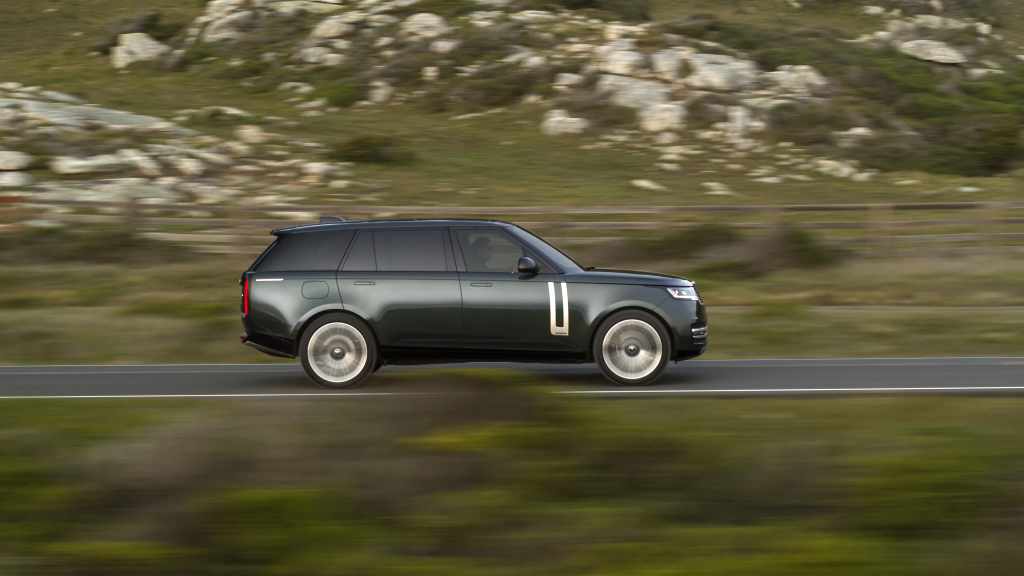
The Range Rover, on the other hand, doesn’t just have power; it has theatre. You can get it with a 395 hp inline-6 with a mild-hybrid system, or a 4.4L twin-turbo V8 with up to 607 hp. 0-100 km/h comes up in under five seconds, which is faintly ridiculous for something this tall, this heavy, and this dignified. 

Out on the road, the V8 feels endlessly smooth. There’s no real sense of turbo lag, just a deep well of torque from barely above idle. With the adaptive air suspension keeping the body flat, it corners with far more grace than its size suggests.  

It’s not the most efficient luxury SUV with a combined fuel economy rating of 12.9 L/100km for the V8 while the LX700h can achieve up to 11.7 L/100km combined. But you can opt for the plug-in hybrid version of the Range Rover with up to 90 km of gasoline-free driving range. Plug it in overnight, and you can do most weekday drives without burning a drop of fuel. 

Off-Road

Of course, all this luxury doesn’t mean much if you’re stranded the moment the pavement ends. And both of these beasts carry the kind of off-road reputation most crossovers can only dream about. 

The Lexus LX700h rides on proven Land Cruiser hardware, complete with full-time four-wheel drive, locking center differential, and multi-terrain select modes. Add in its hybrid torque delivery, crawl control, and a low range that’ll pull you up a rocky trail like a winch. 

The Range Rover, though, approaches off-roading with sophistication rather than brute strength. Its Terrain Response 2 system automatically adjusts air suspension, throttle, and traction control for whatever nature throws at it. And with up to 11.6 inches of ground clearance and a water wading depth over 35-inches, this thing could practically ford a small river on your drive to Whistler. 

Pricing

Now for the tough part, the price. The Lexus LX700h stars at $138,191 CAD with the top spec Executive VIP costing north of $173,000 CAD. 

The Range Rover starts at $133,000 CAD but once you add in every option, and there are A LOT of options, you’re easily looking at over $300,000 CAD.  

So, these are two different approaches to luxury. If you value bulletproof engineering, long-term reliability, and modest running costs, the Lexus is the smarter choice. But if you crave refinement, technology, and that intangible sense of prestige, the Range Rover still sits at the very top of the luxury food chain. 

One’s built to outlast civilization; the other, to rule it. Either way, lucky are those choosing between them.  

If you’d like to know more or test drive either of these luxury SUVs, please get in touch with us at OpenRoadAuto.com 
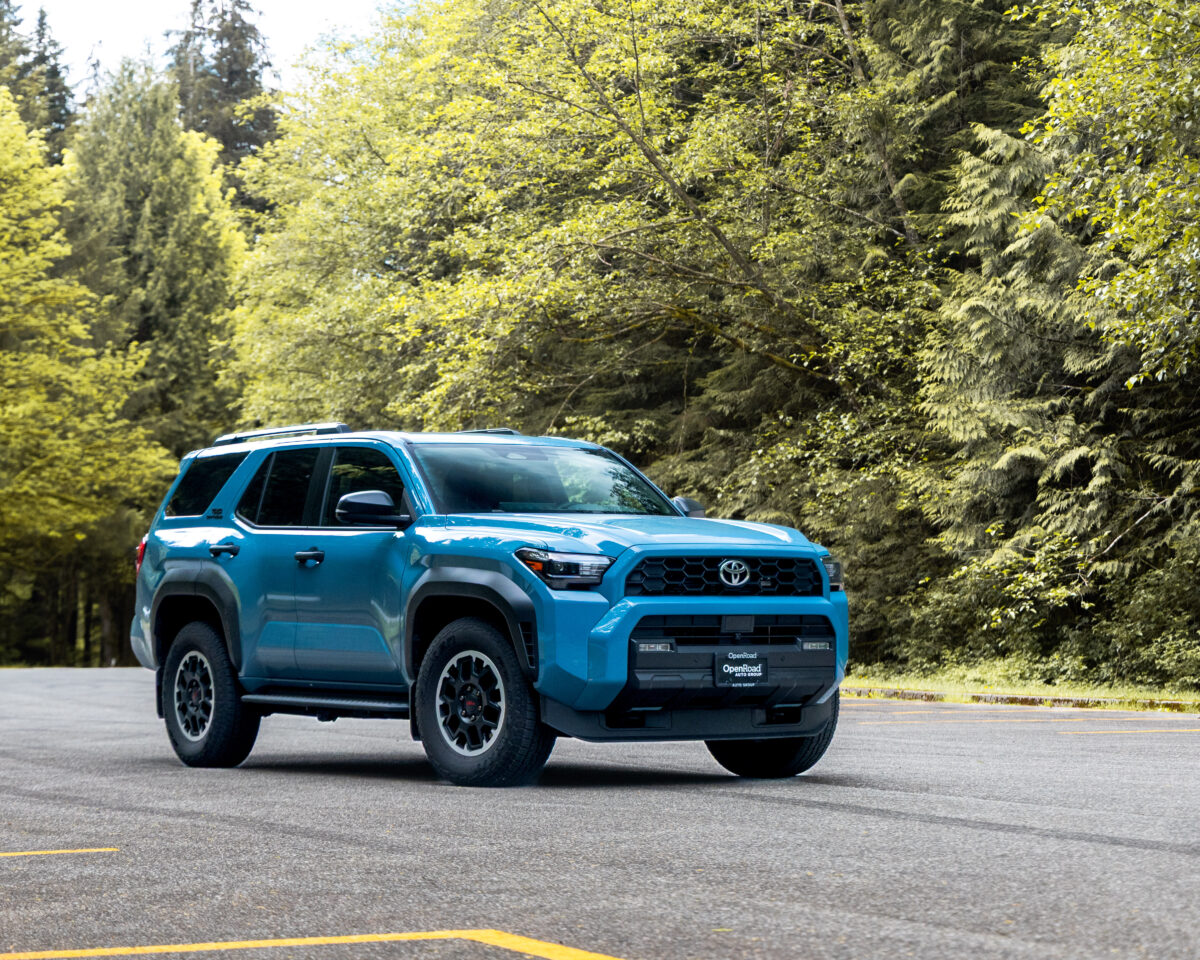

The 2025 Toyota 4Runner Arrives with More Tech and Off-Road Capability

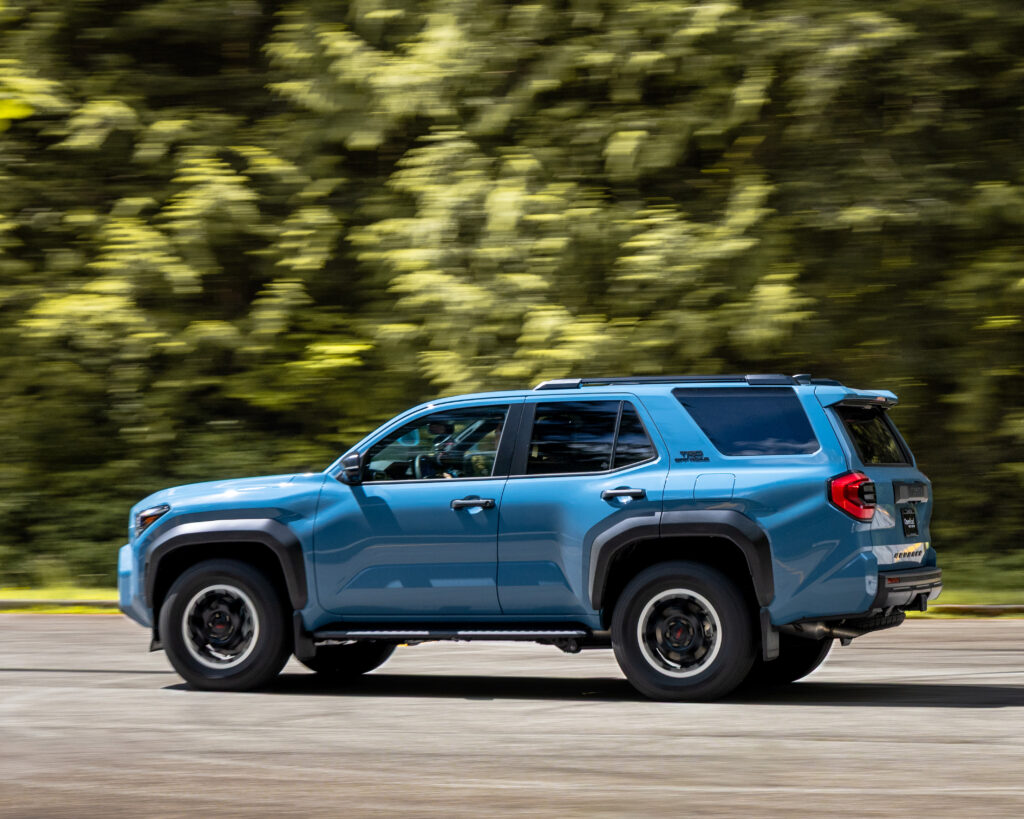
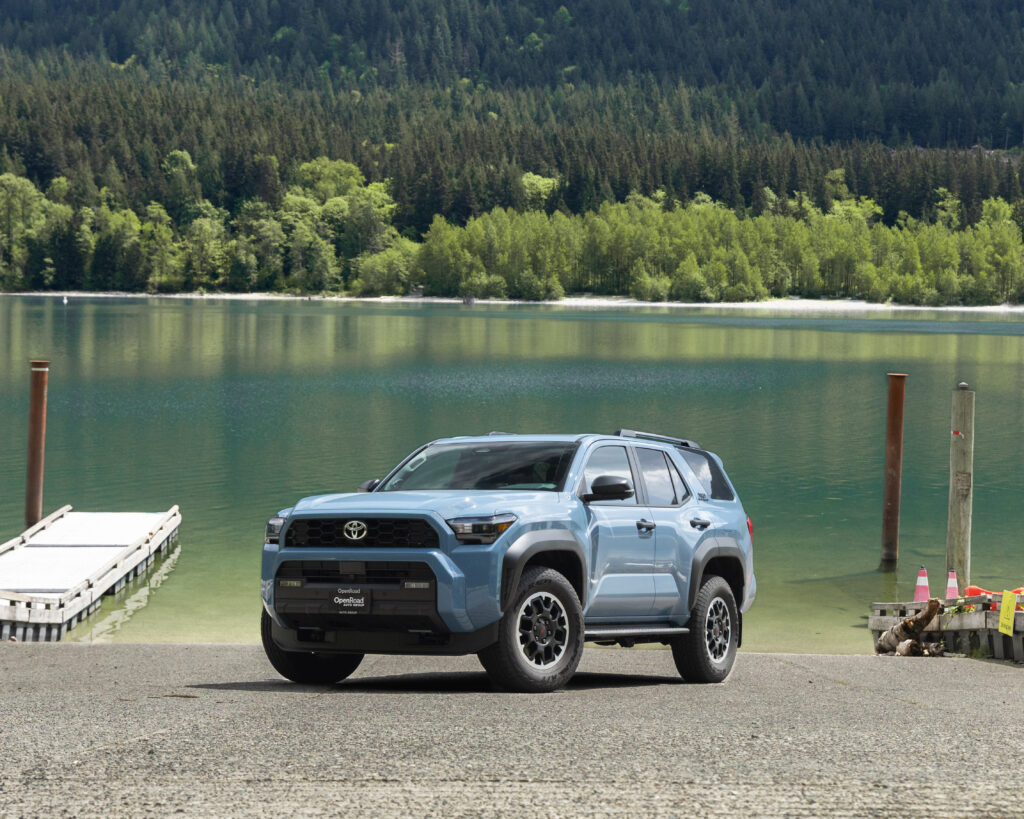
15 years. That’s how long the 5th generation Toyota 4Runner has been on sale. By automotive standards, that is an eternity. But in 2025, Toyota has given us a brand new, 6th generation 4Runner that promises to continue the off-road characteristics that the 4Runner is known for in addition to providing a refined and technologically advanced SUV. 

Like the previous generations, the new Toyota 4Runner has a body-on-frame chassis. This is the same one that is shared with the Tacoma, Land Cruiser and Tundra. It’s a high strength, boxed, steel ladder frame with multi-link coil suspension on the back and double wishbone suspension on the front.  

This new platform improves the ride quality when driving on city streets in addition to providing a stronger chassis when off-roading. Speaking of which, the new 4Runner receives some of the off-road goodies from the Tacoma and Land Cruiser. 

Some of these goodies include a front disconnecting sway bar, Bilstein, Old Man Emu, or Fox shock absorbers, a locking rear differential, and rock rails to protect the body. 

These off-road features vary depending on which off-road trim of the 4Runner you choose. There’s the TRD off-road, the TRD Pro and the new Trailhunter trim. These trims can provide an approach angle of up to 32 degrees and a departure angle of up to 24 degrees. They also use the Multi-Terrain Select system, which now functions in both 4WD high and 4WD low, to adjust various vehicle settings for better traction in mud, sand, and dirt environments.  

All three of these off-road ready trims of the 2025 4Runner are available with the new hybrid powertrain. 

The V6 is gone and in its place is the 2.4L turbocharged 4-cylinder hybrid engine of the Land Cruiser and Tacoma. It produces 326 hp and 465 lb-ft of torque. Not only is this the most powerful 4Runner but it’s also much more economical.  

The hybrid version of the 2025 Toyota 4Runner is rated for 9.9 L/100km combined.  That is a drastic improvement over the 13.8 L/100km combined of the old Toyota 4Runner.  

This is achieved not only by the aid of the 48 hp electric motor but also the new 8-speed automatic transmission. Furthermore, this hybrid powertrain enables the 2025 4Runner to tow up to 6,000 lbs. 

But unlike the Toyota Land Cruiser, this new 4Runner is available with a second engine. It’s the same 2.4L turbo 4-cylinder but without the hybrid assist. It produces 278 hp and 317 lb-ft of torque.  

Of course, this non-hybrid engine isn’t quite as fuel efficient with a combined rating of 11.1 L/100km but that’s still better than the previous generation 4Runner.  

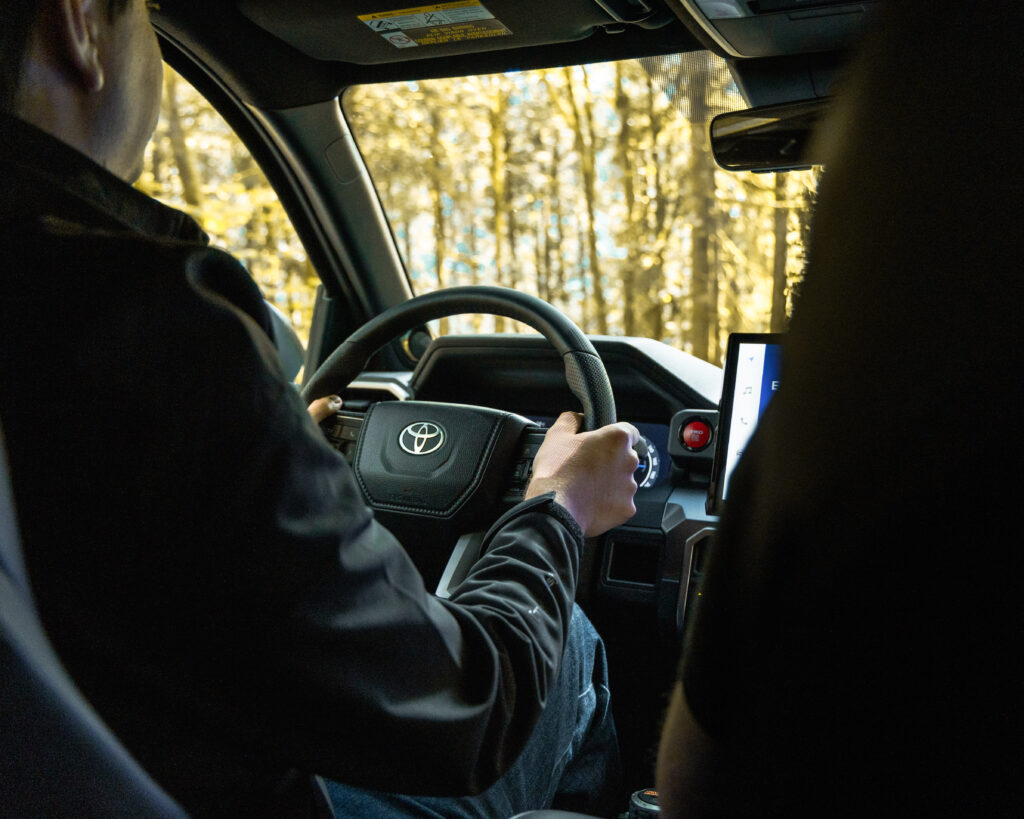
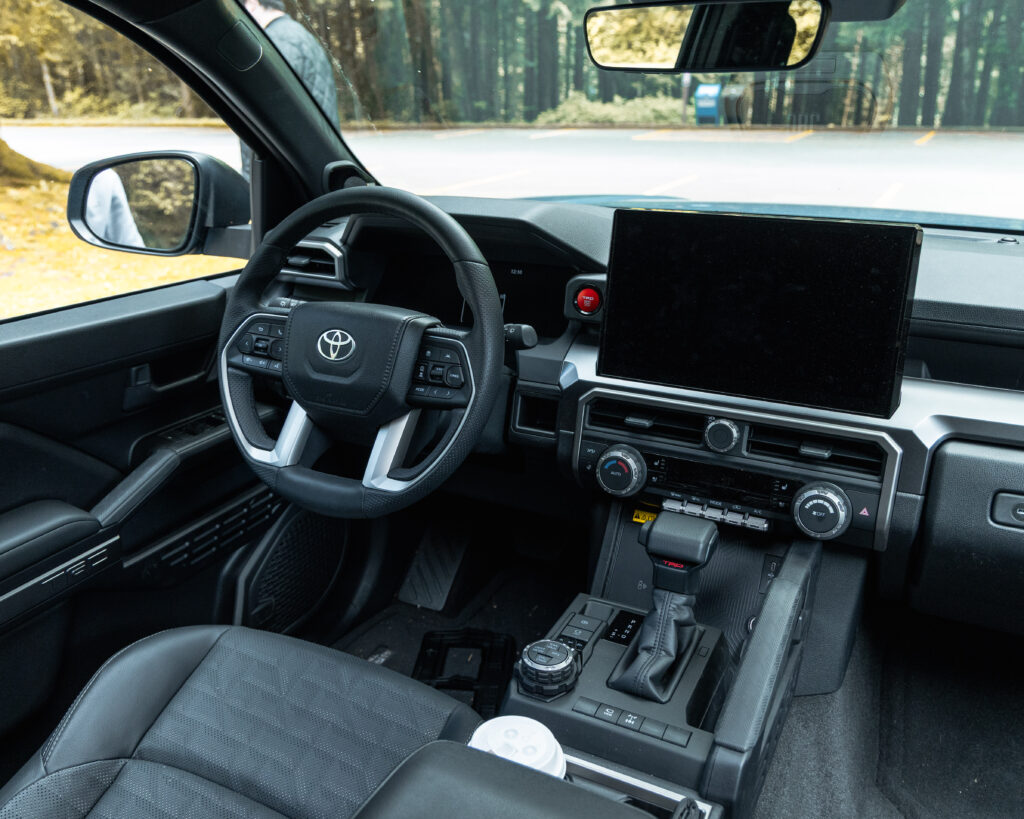
The interior of the new 4Runner is almost identical to that of the Tacoma which is not such a bad thing. It means that a vast majority of controls are operated by physical buttons and physical knobs.  

As standard, the 2025 Toyota 4Runner comes with an 8” infotainment touchscreen and a 7” digital driver display. Moving up in the trims increases these sizes to 14-inches and 12.3-inches respectively. 

The infotainment system displays Toyota’s Multimedia system that is found in all other current Toyota vehicles. It supports wireless Apple CarPlay and wireless Android Auto with this new generation 4Runner allowing for a digital key. The digital key can be connected to a smartphone to allow for vehicle entry and vehicle start up. 

The new 4Runner can also be equipped with features that were never available on the previous generation. Some of these include power operated running boards, a head up display, heated rear seats, ventilated front seats, and a digital rearview mirror. 

But of course the one feature that everyone wanted to remain on this new 4Runner is the power operated rear window. Simply press on the up or down switches, with the key near the SUV, and the rear window goes up and down. Of course you can also control this window from the inside. 

Opening the power operated liftgate reveals three rows of seats. But the 7-seat capacity is only available on certain trims of Toyota 4Runners equipped with the non-hybrid engine. Those with the Hybrid Max powertrain only have 2-rows of seats.  

Nevertheless, this new 4Runner provides a bit more legroom in the 2nd row over the previous generation. Front legroom remains unchanged. As for the 3rd row, it is very tight and should ideally be used for kids or in emergency situations when you need to ferry 6 others over a short distance. They will not want to sit in that 3rd row for very long.  

Like most other Toyota vehicles, the 2025 4Runner comes equipped with standard Toyota Safety Sense 3.0 along with blind spot monitor, rear cross traffic alert, and hill start assist. Of course, it also comes with 8 airbags to keep you and your family safe in the event of an accident. 

The 2025 Toyota 4Runner starts at $54,200 for the SR5 trim. This new generation has a total of 8 different trims, some of which are only available with the hybrid max powertrain while others are only available with the gasoline-only powertrain. The most expensive is the Trailhunter with a price of $84,201. 

So that is a look at the all-new 2025 Toyota 4Runner! What are your thoughts on this new SUV? Or do you still prefer the older generation? Let us know in the comments.  

And should you want to learn more or test drive the new 4Runner, please contact our knowledgeable product specialists at any one of our 6 OpenRoad Toyota dealerships throughout BC and Ontario.


An Icon Like No Other; 2025 Porsche 911 Carrera

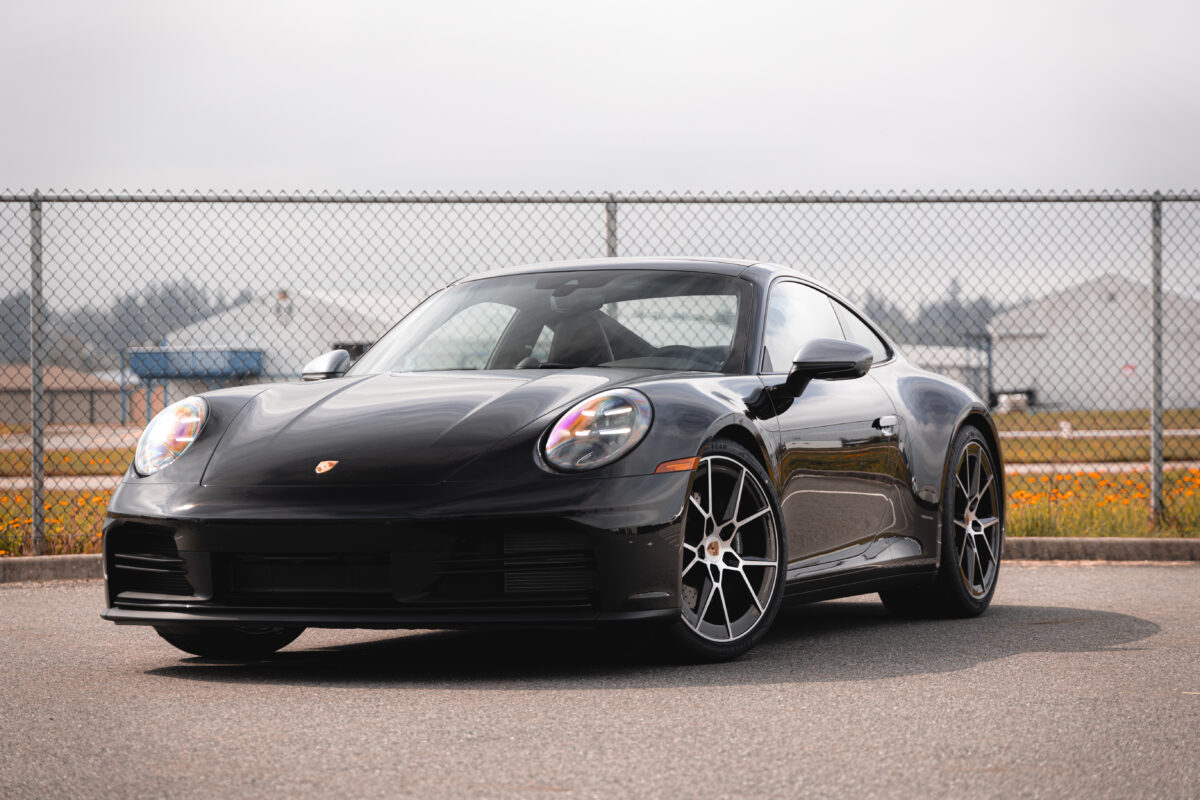
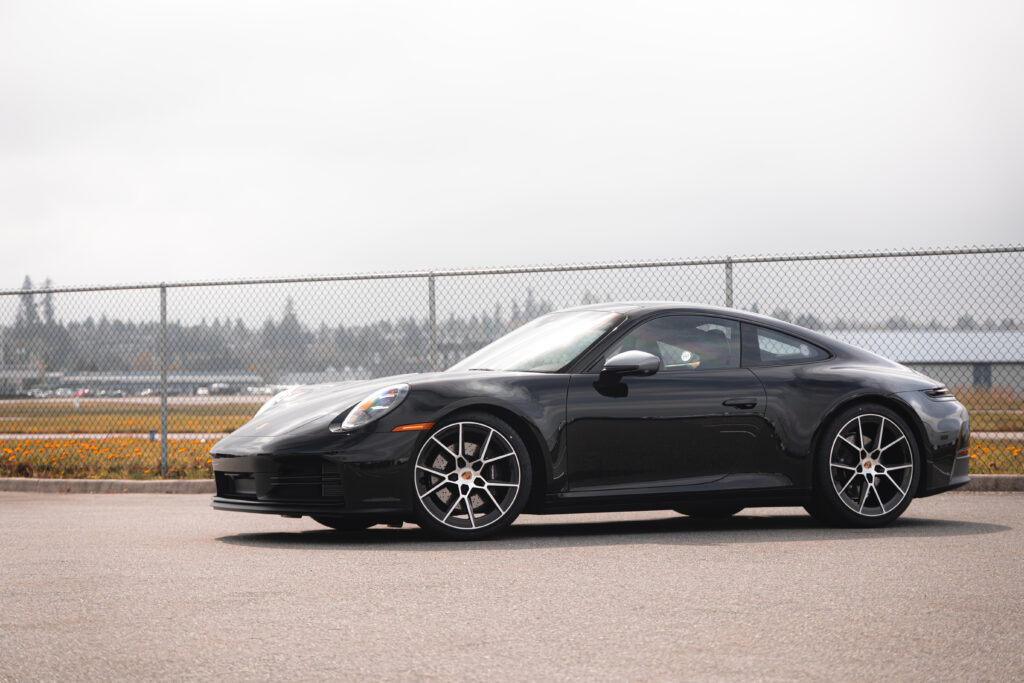
The Porsche 911 is arguably the most iconic sports car of all time. From its sleek silhouette to its rear engine layout, there’s almost no person on Earth that doesn’t know what the Porsche 911 is. As such, when it came time to update the 911 for 2025, Porsche didn’t mess with the recipe. They enhanced it. 

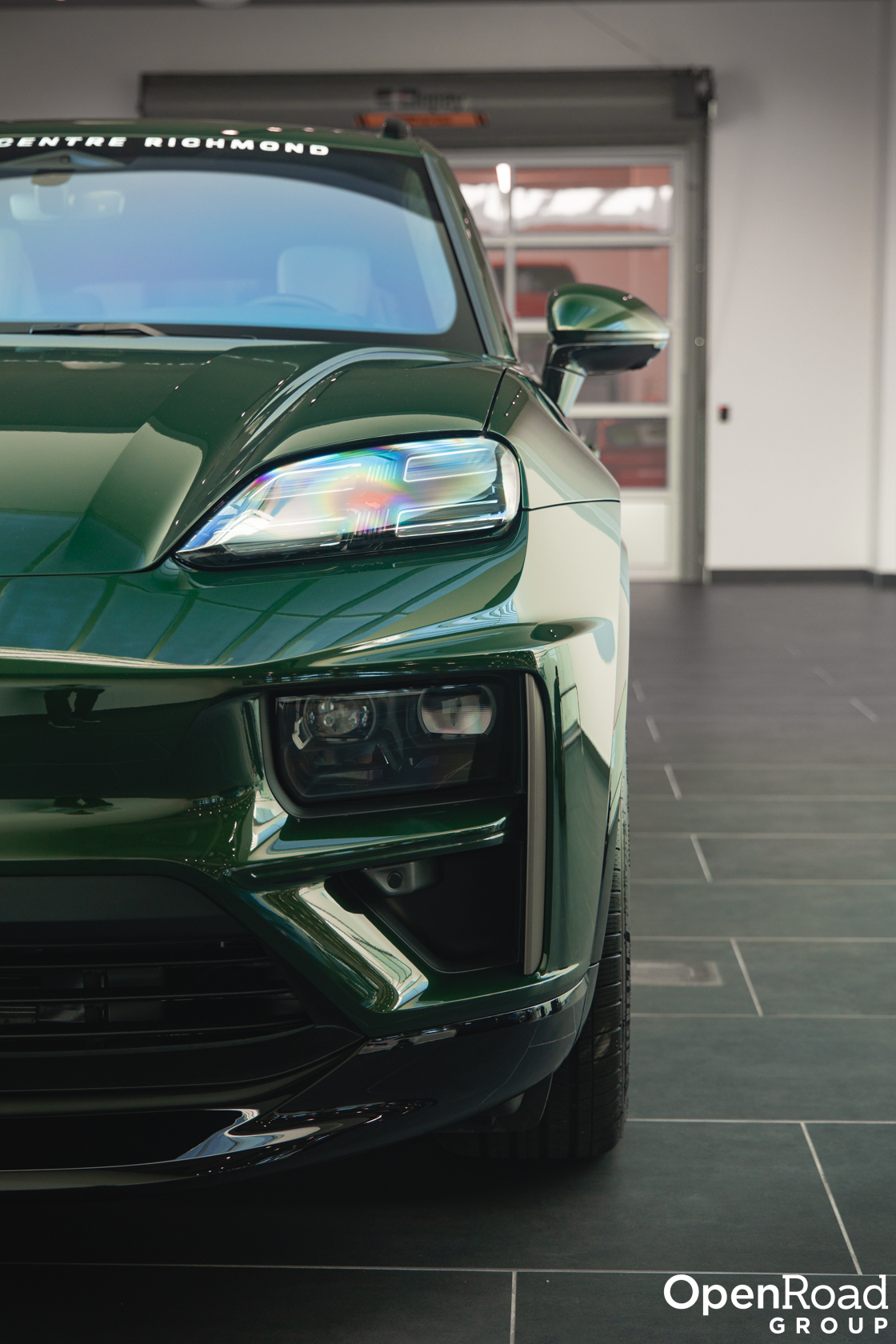
Part of the enhancement for the 2025 model year, code named 992.2, is a tweak to the exterior styling. The 911 has updated matrix LED headlights with standard four-point daytime running lights. This update also does away with the auxiliary lights that were just above the bumper intakes of the previous model year.  

Around back, the LED light strip has been redesigned to make the 911 appear wider. You can also option the 911 Carrera with an aerokit for a more distinctive look. But the most noticeable design change is with the GTS. It has 5 vertical flaps to either side of the front bumper which can close for better aerodynamics or open for better cooling. 

And the GTS needs better cooling because it has to keep the new hybrid battery cool. Yes, the Porsche 911 is now a hybrid sports car. 

Available on the GTS, for now, the T-hybrid powertrain consists of an electric motor situated inside the strengthened 8-speed PDK gearbox and a new single electric exhaust turbocharger. The latter utilizes Formula 1 technology whereby an electric motor between the exhaust and intake turbines spins the turbocharger to provide instantaneous boost at any engine rpms.  

Power for the new hybrid components comes from a 1.9 kWh battery pack that is roughly the same size and weight as a conventional 12-Volt starter battery. The GTS also does away with a conventional starter motor and instead relies on the gearbox integrated electric motor to start the 3.6L boxer engine. 

In addition to providing better response and better efficiency, the T-Hybrid engine is of course more powerful than the older 911 GTS. It produces 532 hp & almost 450 lb-ft of torque. 

But the GTS is not the only 911 model that received an updated powertrain. The standard 911 Carrera is more powerful as well. 

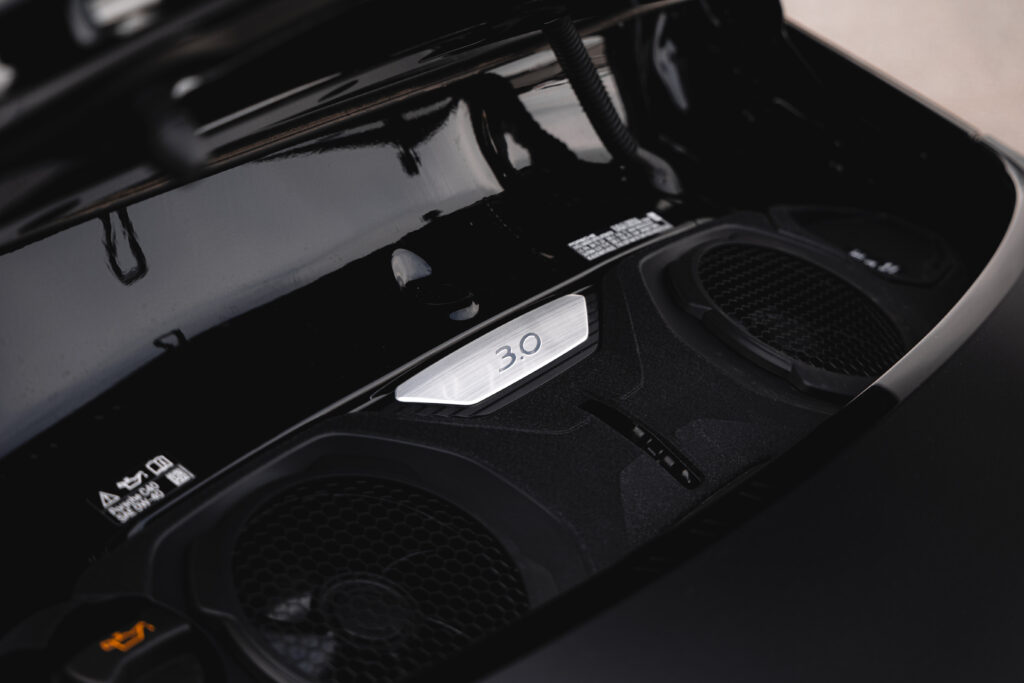
The twin-turbocharged 3.0L flat-6 engine produces 388 hp and 331 lb-ft of torque. This is achieved through turbochargers that were previously used in the older generation 911 GTS. With the Sport chrono package, the 911 Carrera can accelerate from a stop to 100 km/h in just 3.9 seconds.  

The Carrera S bumps the power to 473 hp and drops the 0-100 km/h sprint to 3.3 seconds, with the sport chrono package.  

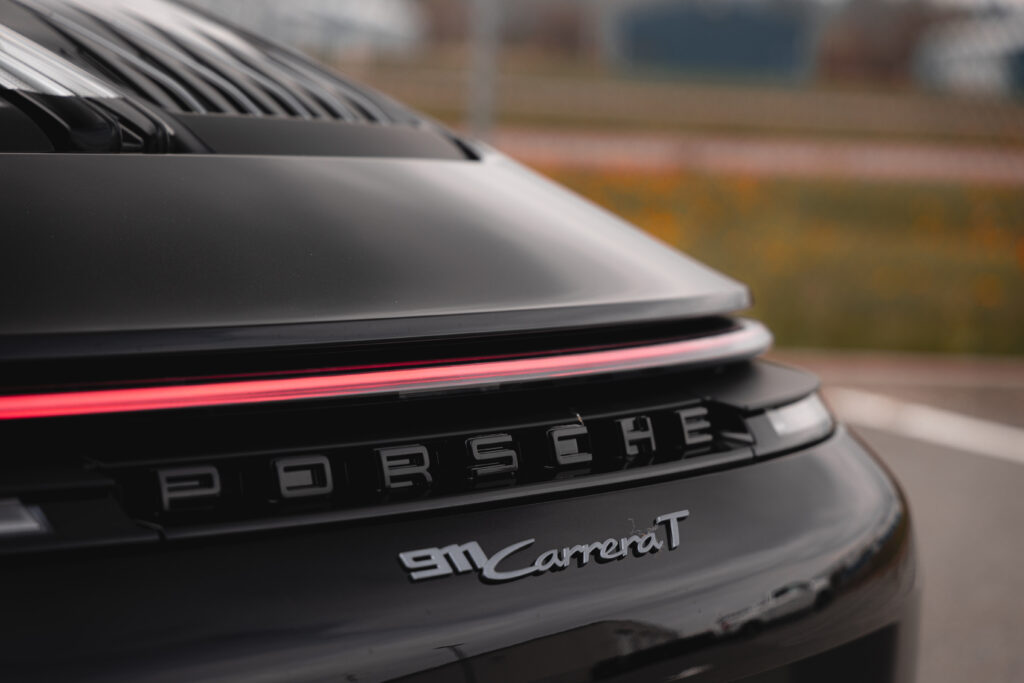
But in order to make these cars faster, Porsche ditched the manual transmission. At least for the standard Carrera, Carrera S and the GTS. You can still get a 6-speed manual transmission on the Carrera T, and of course the GT3. But all other standard models get an 8-speed PDK.  

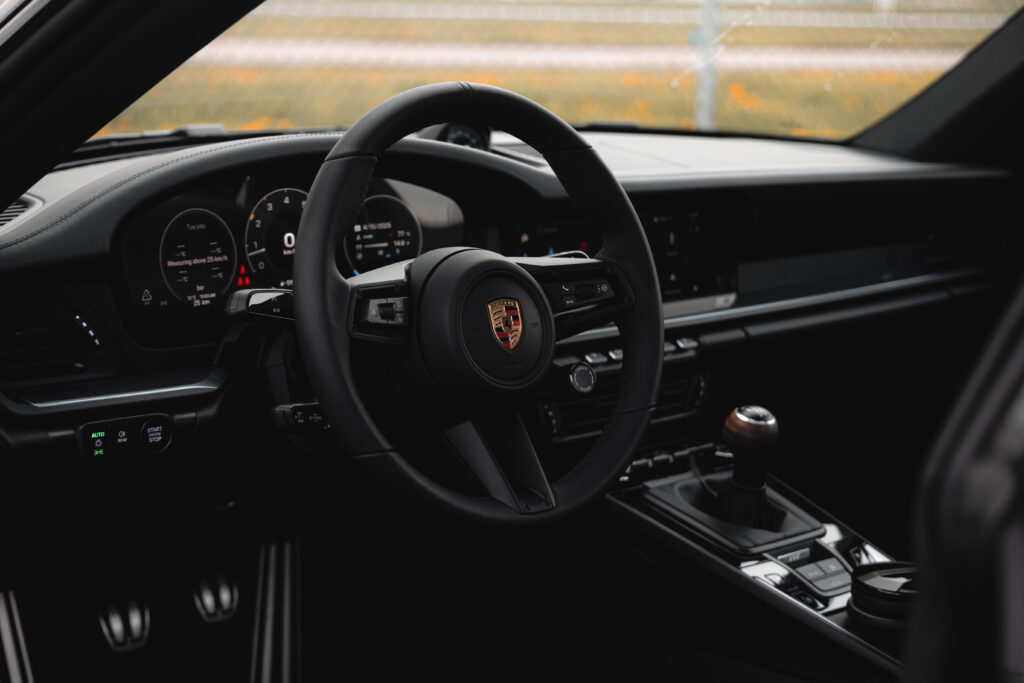
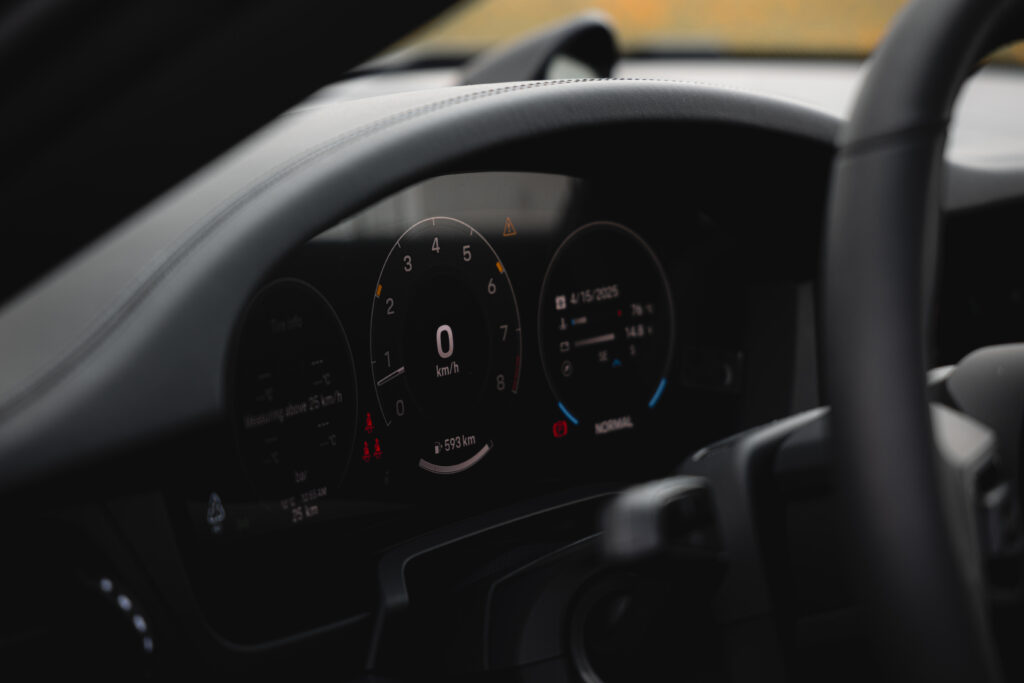
Sticking with the interior, it has received a few updates for this model year. Most notably is the fully digital driver instrument cluster. The centrally mounted analog tachometer is gone and in its place is a digital version. This not only allows for various information panels to be displayed but the driver can also choose from different themes such as the classic view with a centrally located tachometer or the rev counter view where the rev needle is situated so that it is at the 12 o’clock position at shift speed. This was the case with many historic Porsche racing cars. 

Other changes to this interior include a new push button start on the left side of the steering column, the drive mode switch is now standard on all models of the 911, there’s a new wireless phone charging pad with up to 15 Watts of power, and there are new options and combinations of leather trims. 

The infotainment system also sees a few new changes. Firstly, you can listen to streaming music through Spotify or Apple music without your smartphone being connected to the car. Simply scan the QR code that is displayed on the touchscreen and you can start listening to your favourite tunes.  

Another change is the ability to stream videos to the main touchscreen. The ScreenhitsTV app integrates numerous popular streaming services, but it does require a subscription to use. However, Porsche Connect customers receive a 3-year voucher with data allowance. Needless to say, video streaming is only available when the car is stationary.  

In addition to all of the updates on the 2025 Porsche 911, this still remains as one of the most customizable vehicles on sale today. The 911 Carrera starts at $143,600 while the new 911 GTS starts at $188,300.  

Our knowledgeable product specialists at Porsche Centre Richmond or Porsche Centre Langley are more than happy to help you customize your very own Porsche 911.


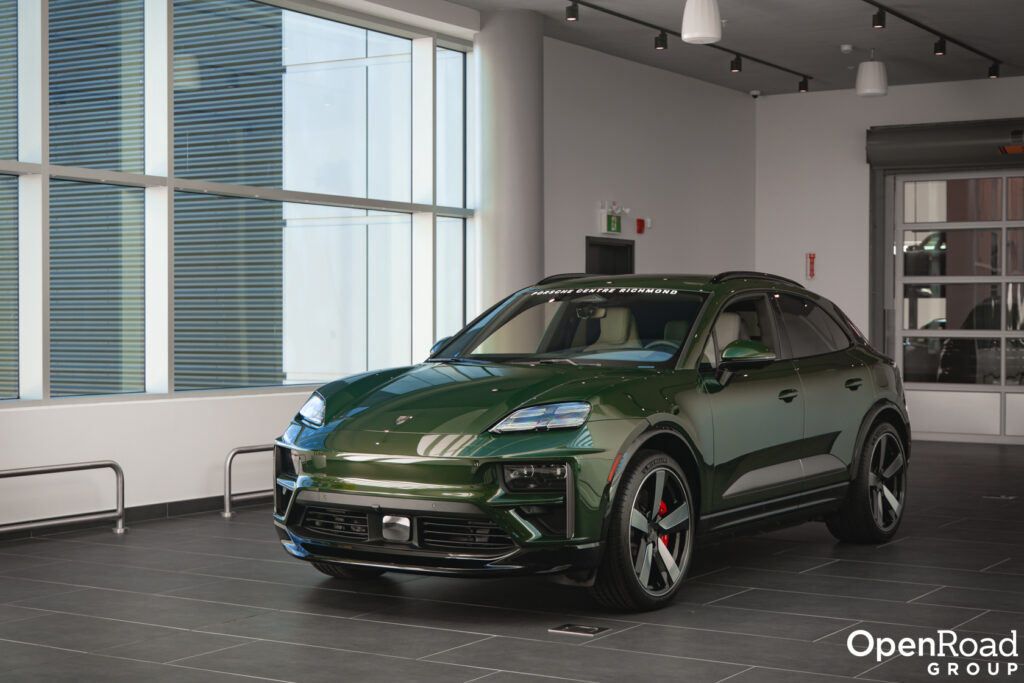
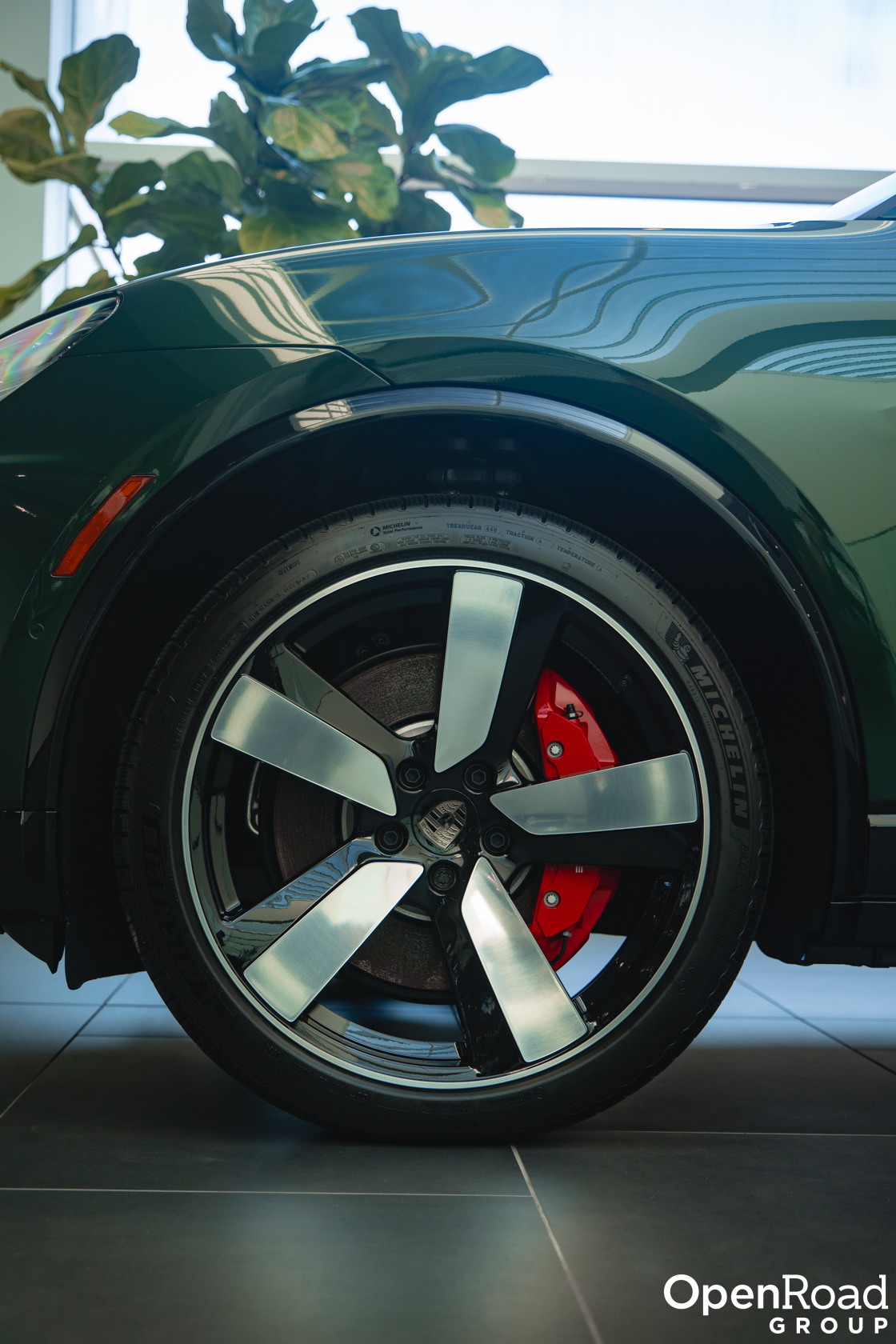
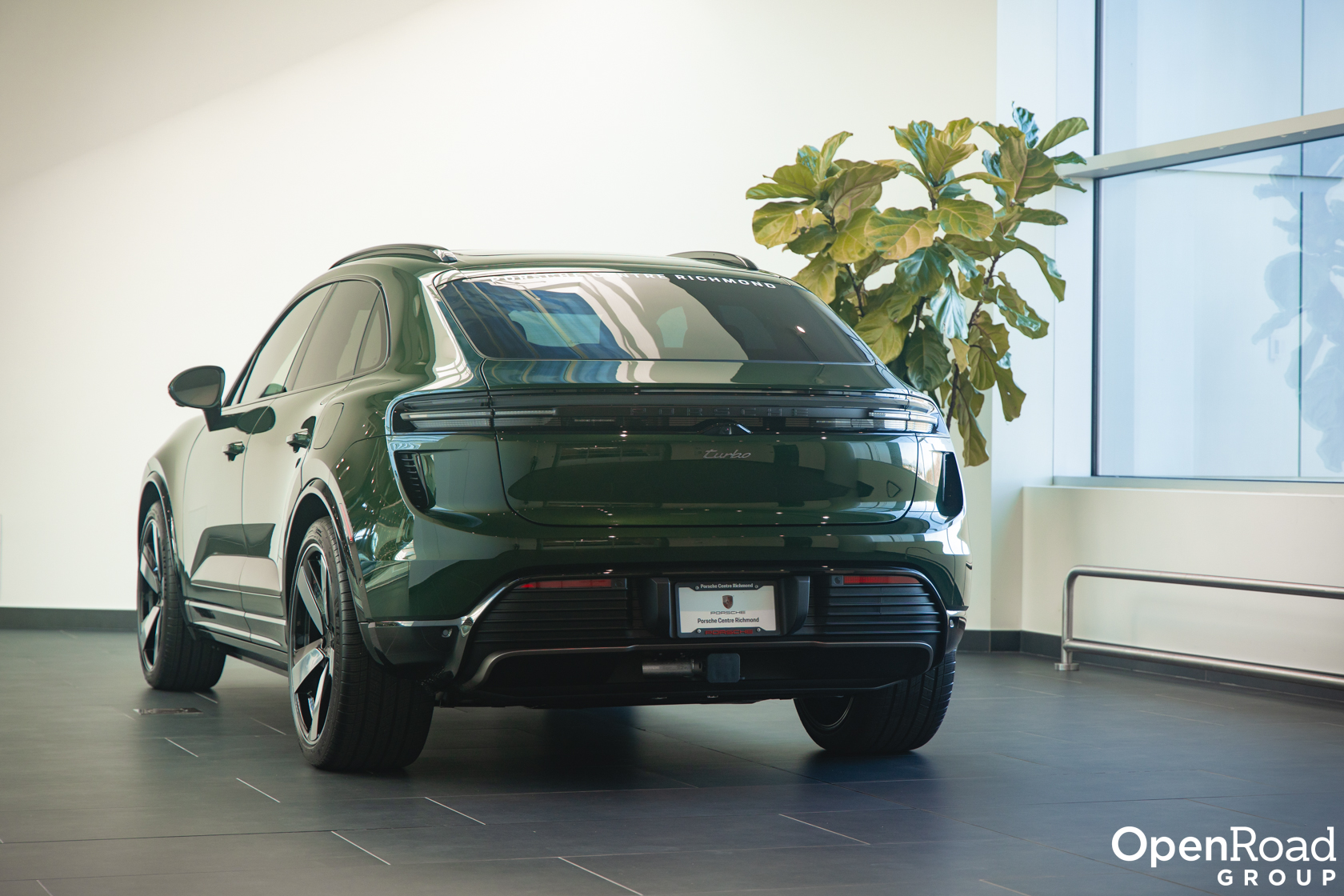
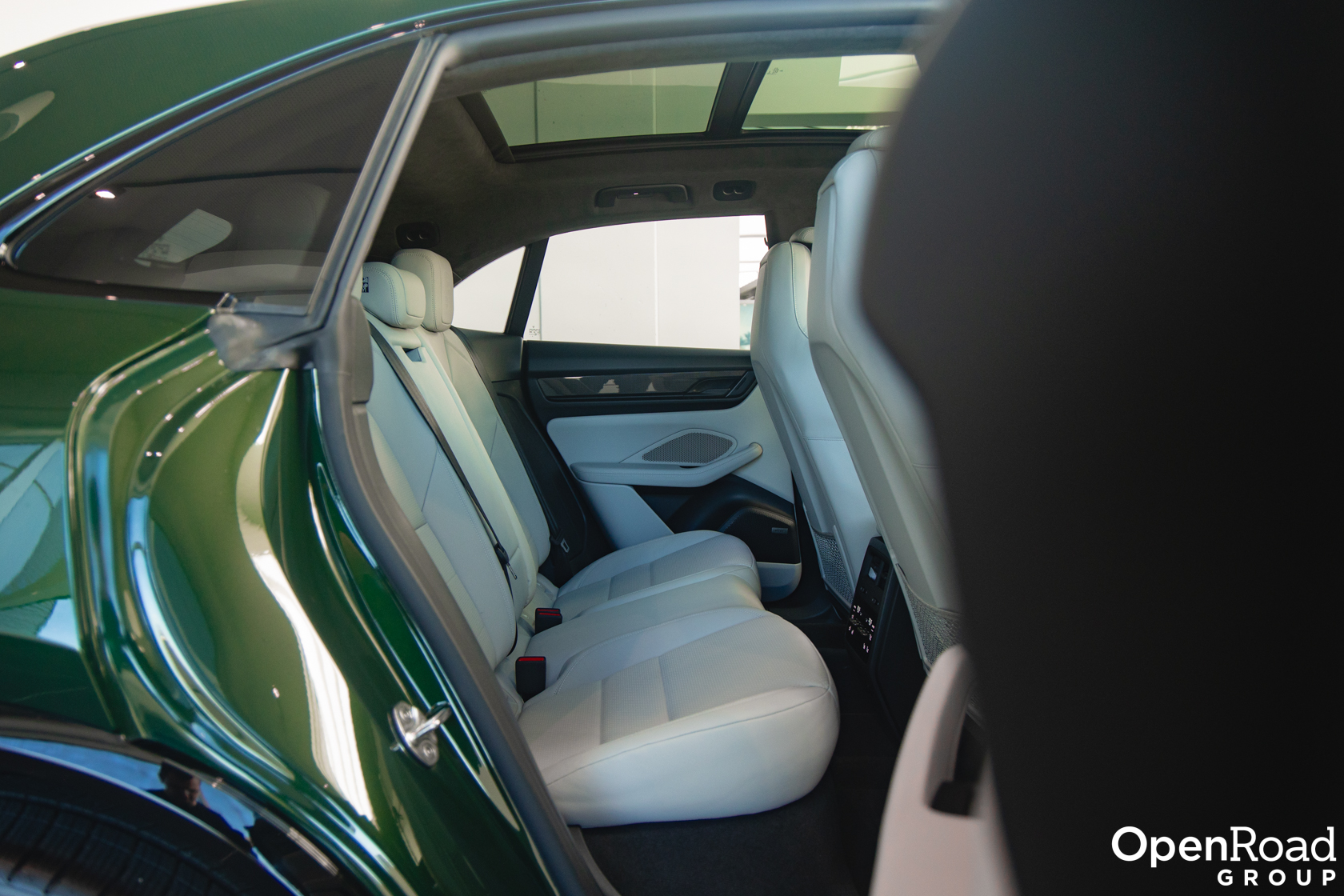
Porsche Introduces the All-New Macan Electric

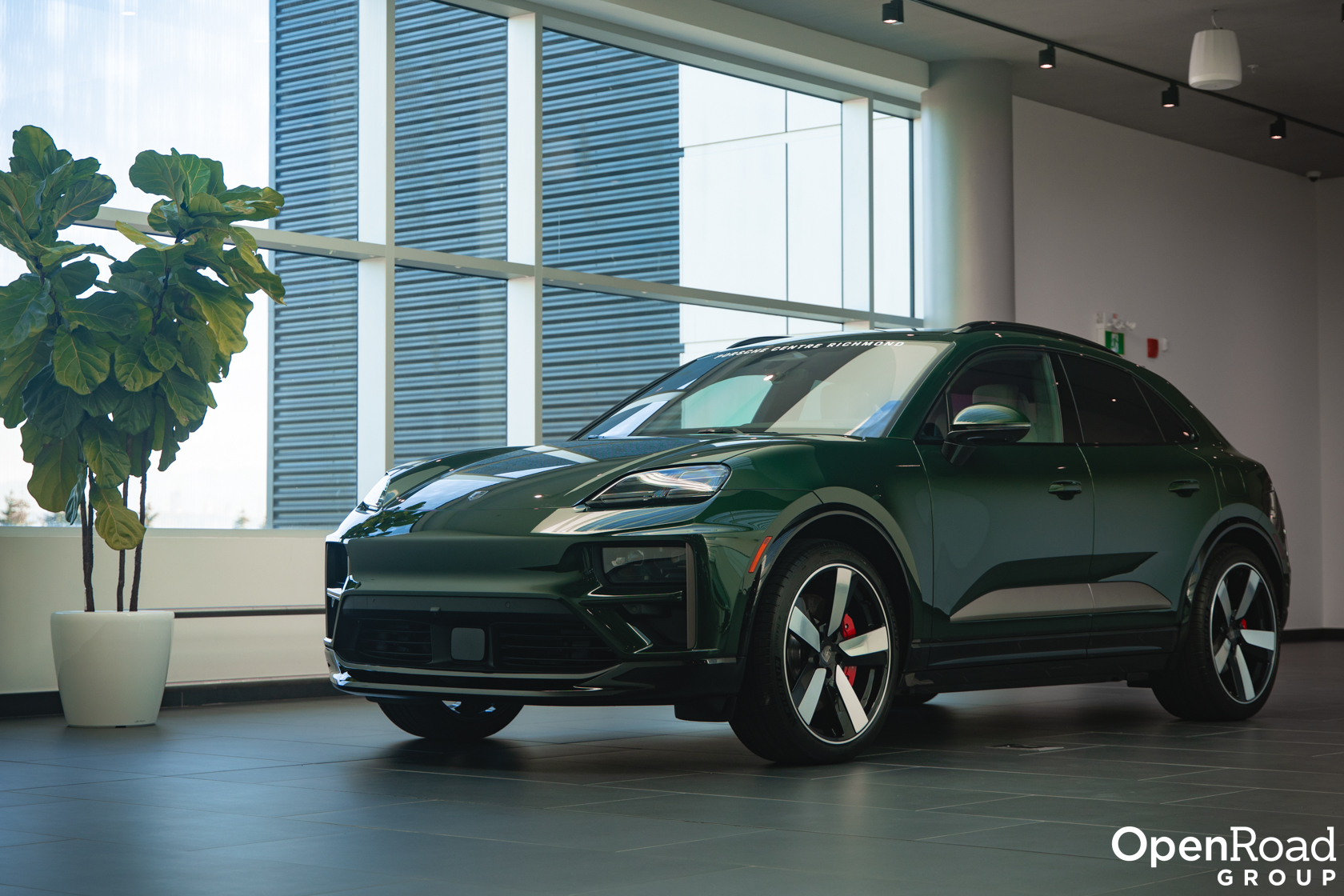
10 years ago, Porsche introduced the compact Macan SUV. It quickly became a hit among consumers for its city-sized dimensions and exhilarating Porsche driving dynamics. Now in 2024, it will be available alongside the 2nd generation, all-electric, Porsche Macan.  

Staying in Control

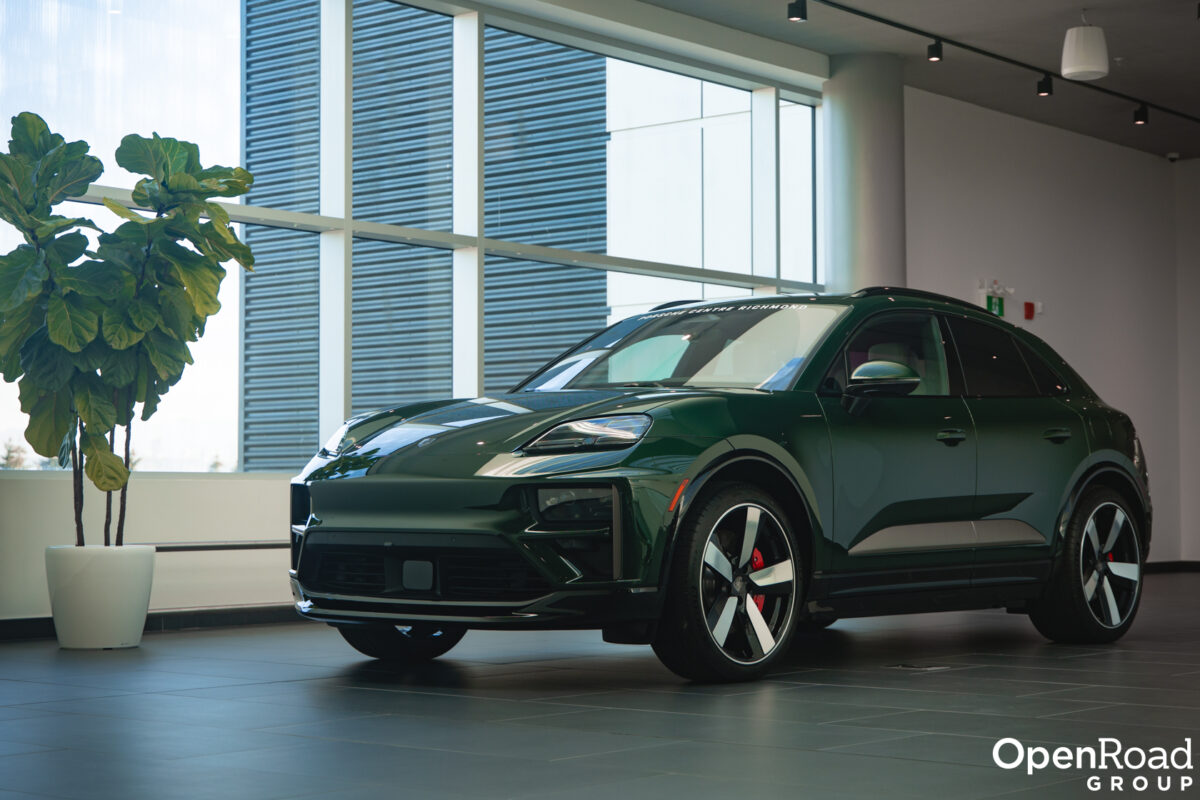
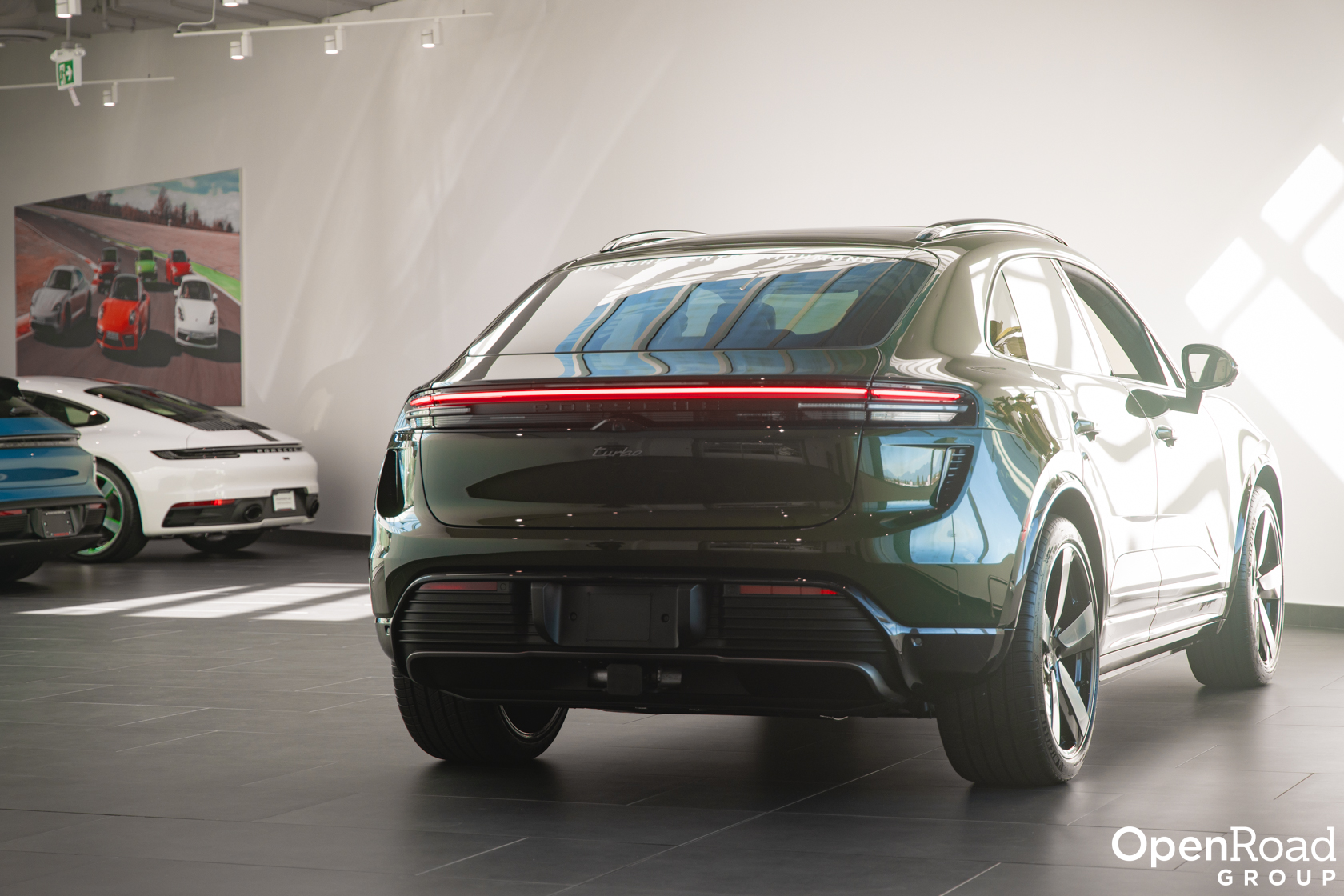
The new Macan Electric retains the city-sized dimensions of its gasoline counterpart. It is roughly the same height and same width, but it is a little bit longer. However, you don’t need to worry about the Macan Electric being cumbersome to maneuver in a tight parking lot because it is available with rear wheel steering. 

The back wheels can turn in the opposite direction to the front wheels, by 5 degrees, when the car is moving slowly. This reduces the turning circle. When you’re driving down a highway, the wheels turn in the same direction at the fronts, which helps make the car feel more stable. 

But that’s not all that the new Macan Electric uses to keep the driver in control. It comes standard with adaptive air suspension with 4 selectable modes, 5 ride-height positions, and the ability to lower the rear axle only for easier loading and unloading.  

Then there’s the Macan 4, 4S, and Turbo which come equipped with a dual-motor layout for an AWD system. So should you want to take your new Porsche Macan Electric on a snowy mountain road, just slap on some winter tires and it’ll handle the white fluff without a fuss. The standard Macan Electric, however, is a single-motor RWD only SUV. 

Powerful Motors

The single-motor Macan Electric is capable of producing 335 hp & 451 lb-ft of torque. But if you engage launch control, the overboost function will momentarily provide 355 hp. That’s enough to accelerate the Macan Electric from a stop to 100 km/h in 5.7 seconds. 

The Macan Electric 4, 4S, and Turbo have incremental increases in power outputs. From just over 400 hp all the way up to 630 hp with the overboost function and launch control in the Macan Turbo Electric. 0-100 km/h in that car is in the low 3 second range. 

Providing the motors with the electric power is a 100-kWh battery pack. A pretty sizable battery pack for such a compact luxury SUV. That battery also gives the Porsche Macan Electric a driving range of up to 654 km. That’s like driving from Vancouver to Seattle, and back, on a single charge with a bit of charge left in the battery. In fact, all versions of the Macan Electric, including the 630 hp Turbo, have driving ranges of over 600 km.  

All versions of the Macan Electric can be recharged at a maximum rate of up to 270 kW. Porsche doesn’t say exact charging times at this rate but we’re estimating that it’ll be around 20 minutes from 10% to 80%. From at 11 kW, level 2 charger, it can be recharged from 0% to 100% in about 10 hours. 

Supple Interior

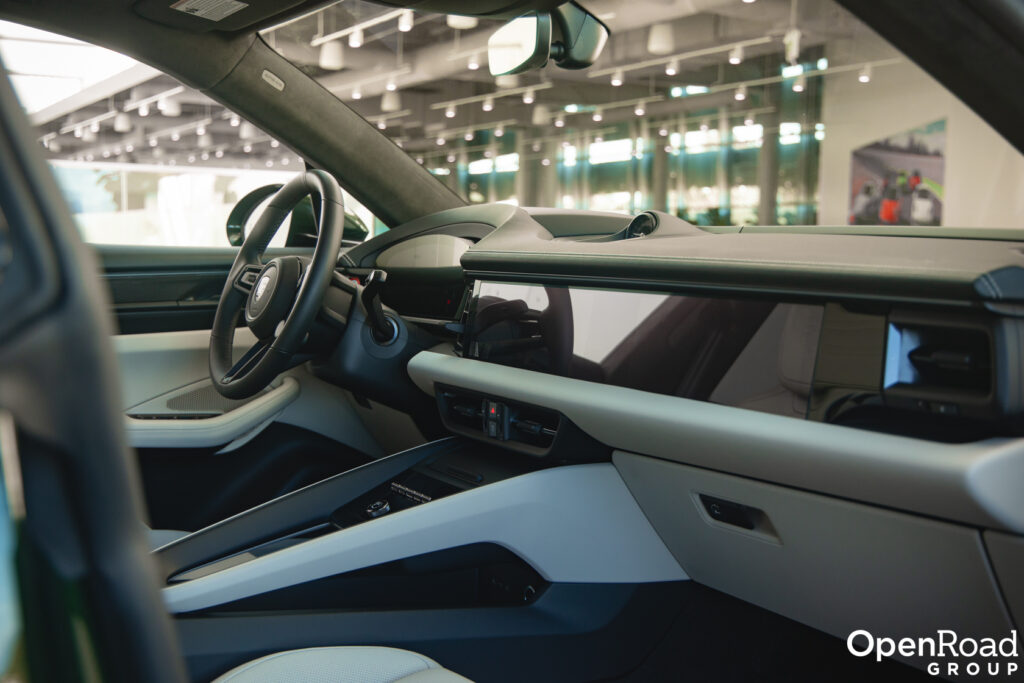
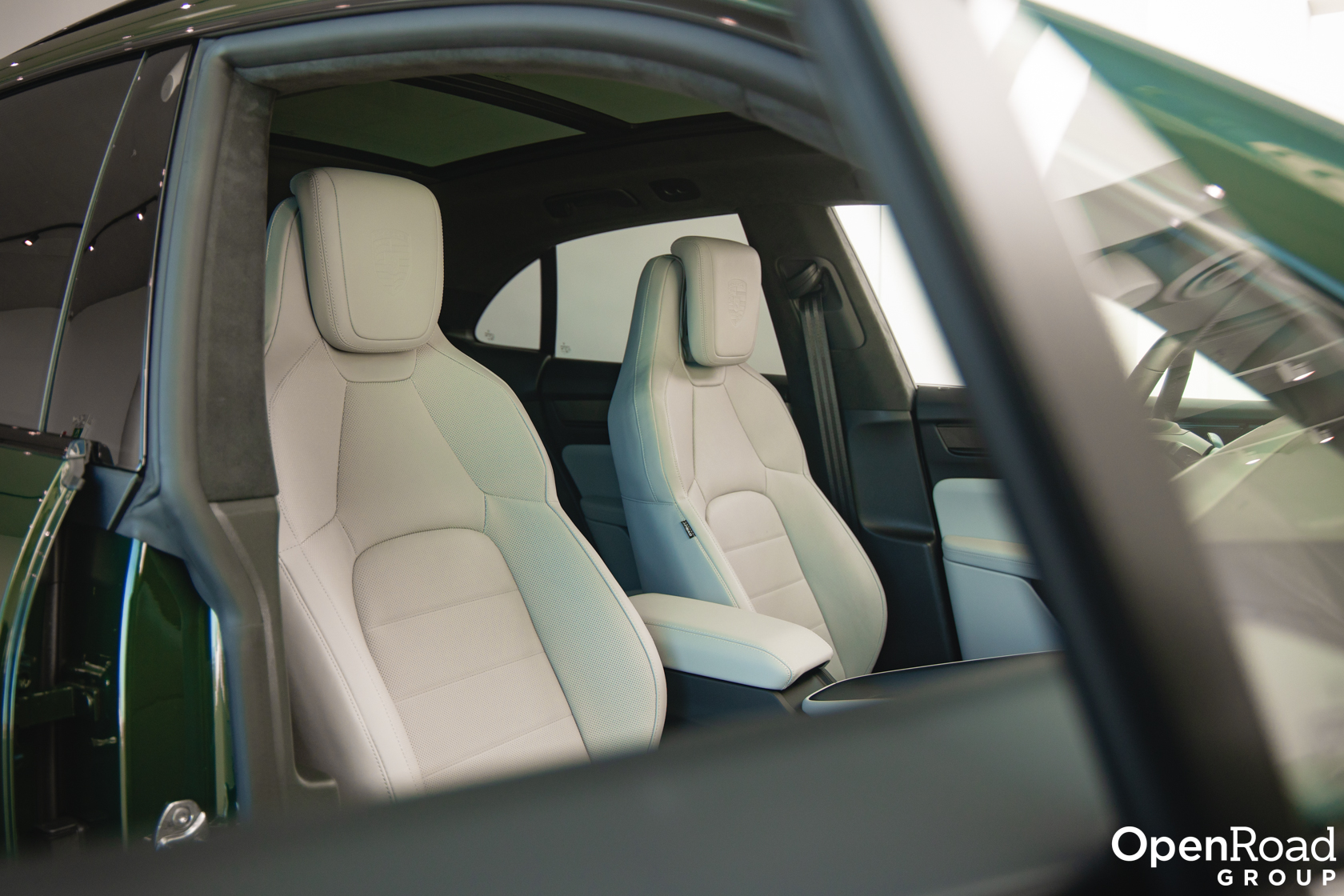
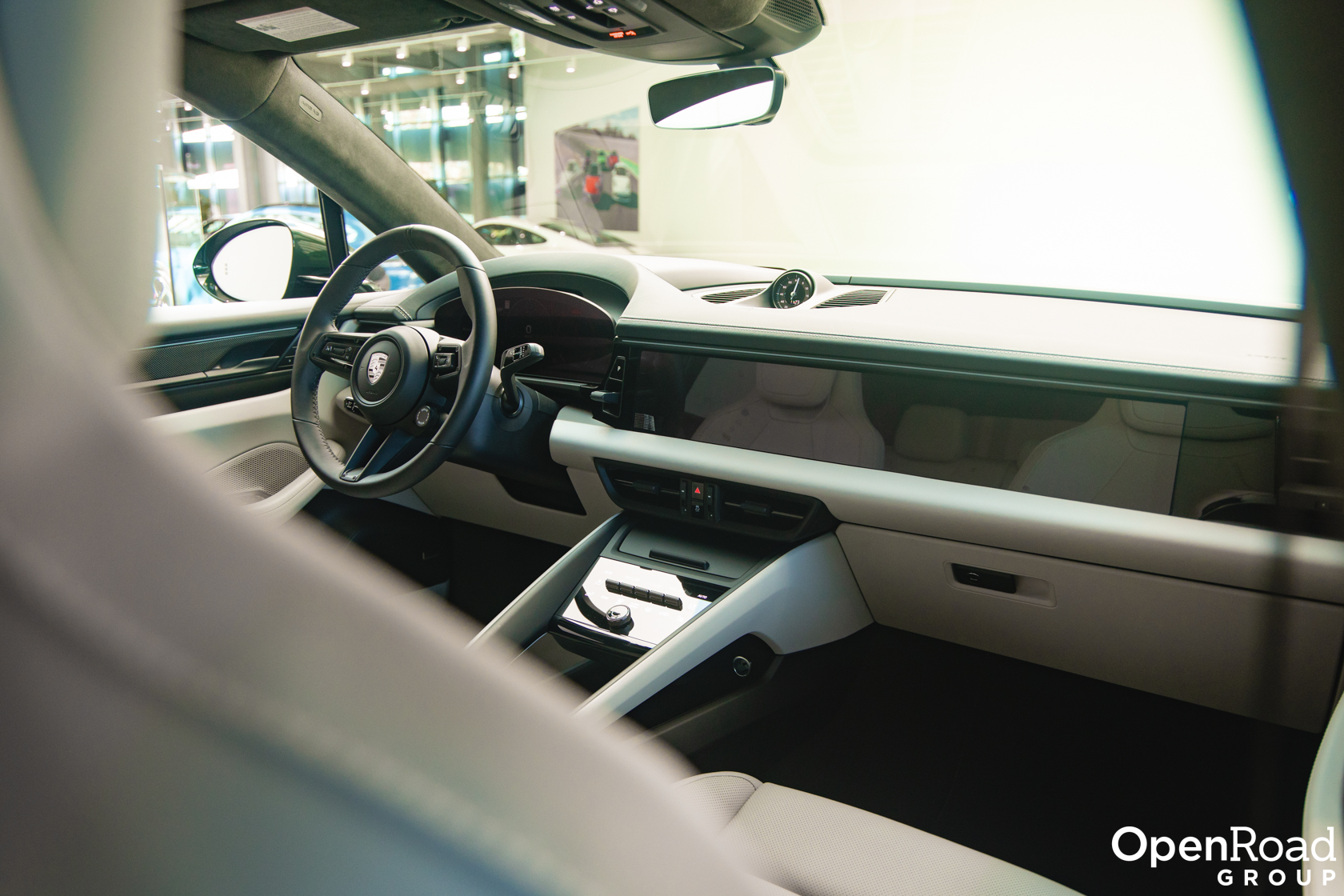
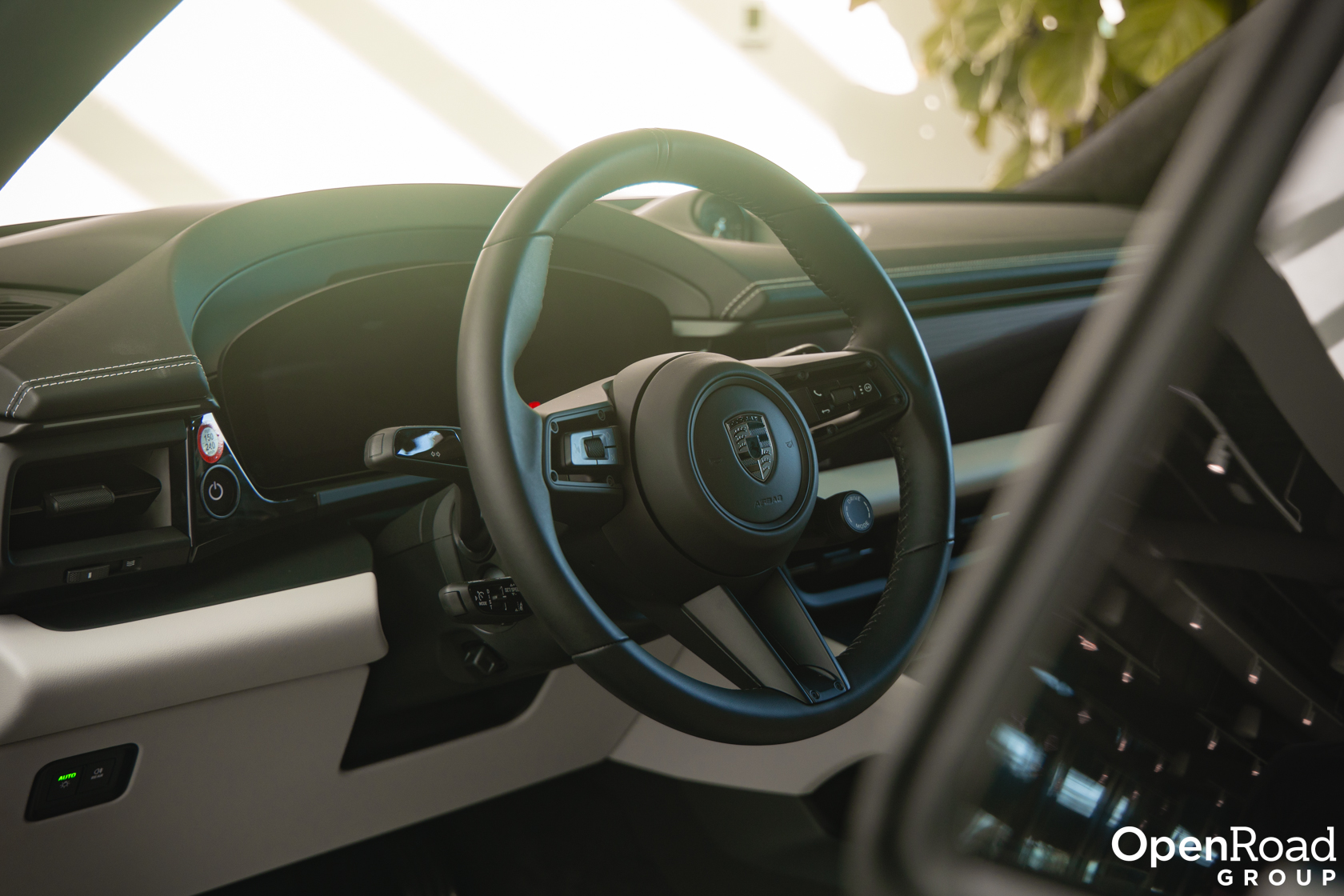
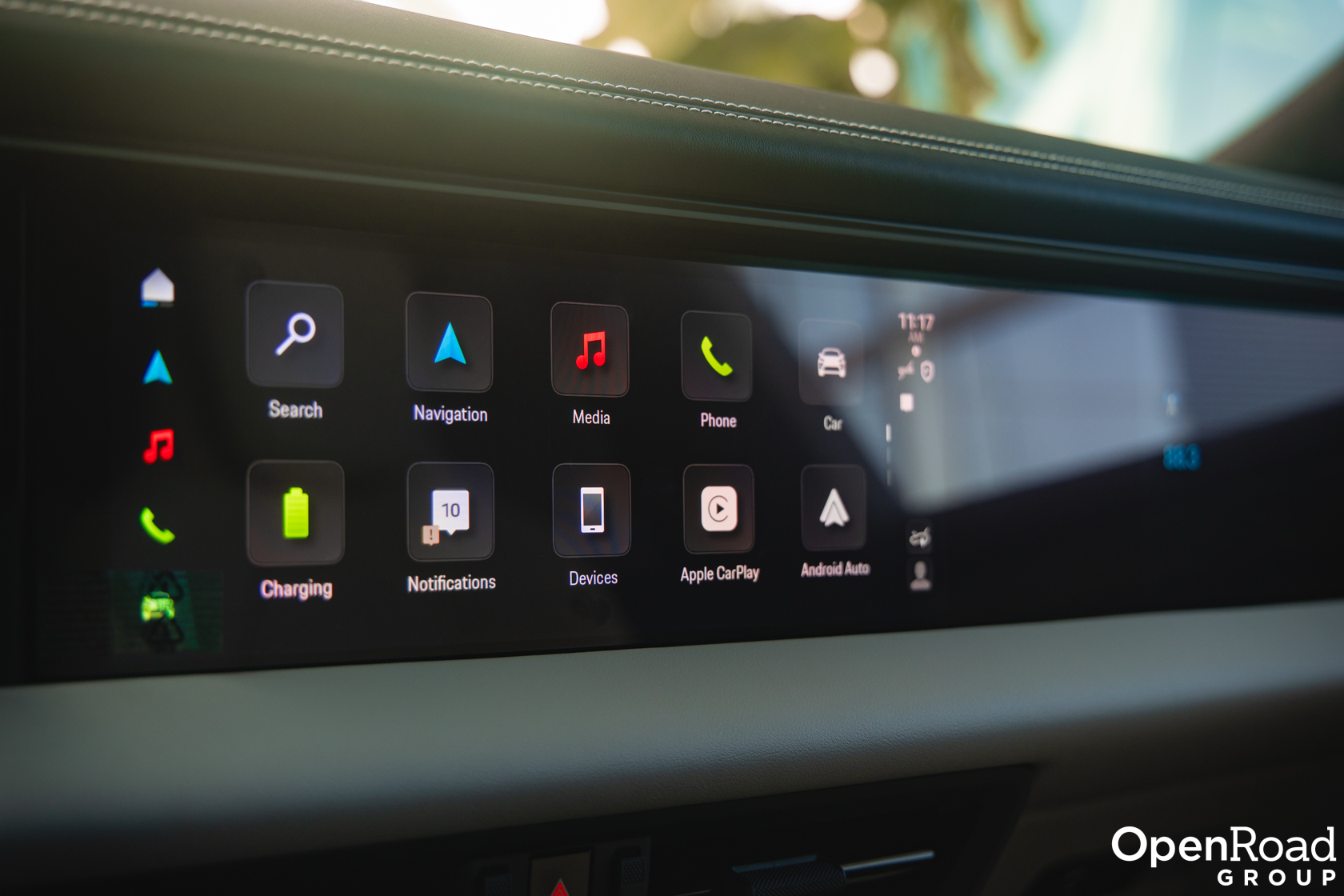
The power and exhilarating driving experience is only part of the equation of a Porsche vehicle. The other part is the luxurious interior. The Macan Electric takes some inspiration from the Cayenne, which was updated for the 2024 model year. It has the same steering wheel, a configurable digital driver instrumentation screen, a large infotainment touchscreen and an optional passenger touchscreen which allows access to navigation and streaming apps such as YouTube.

There’s also a new Head-up display which Porsche says that is meant to look like an 87-inch TV screen at about 30-feet away. This means that you can still clearly read all of the vital information that is displayed but your eyes don’t need to refocus when you’re looking at it thus reducing eye strain. That’s German thinking. 

Depending on which seats you have optioned on your Macan Electric, the driver and passenger sit up to one inch lower in this new Macan compared to the gasoline version. But you don’t need to worry about visibility if you’re a shorter individual, the Macan Electric is equipped with standard 8-way power seats. 

The rear occupants sit half an inch lower than in the gasoline version and have a bit more legroom thanks to the longer wheelbase of the car. There’s also a standard panoramic sunroof to allow for more light in the back seats. 

The Cost

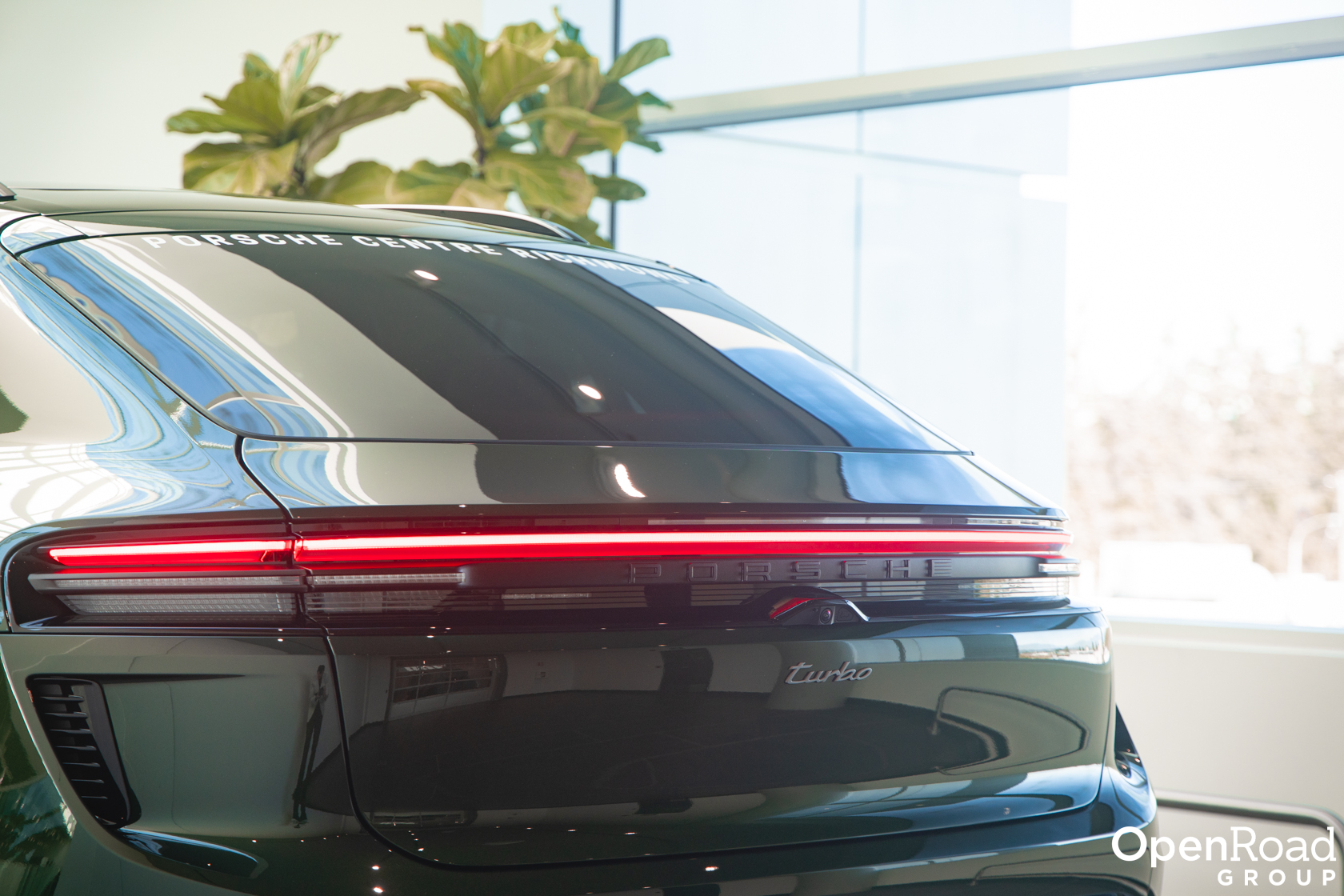
The Porsche Macan Electric has a starting price of $94,900. Of course, going up in the trim levels will incrementally increase the price with the Turbo starting at $127,800. Then there is the options list where you can customize your new Macan Electric to your liking. 

Should you need help in customizing your new Porsche, our knowledgeable product specialists at Porsche Centre Richmond and Porsche Centre Langley are more than happy to help you get behind the steering wheel of your very own Macan Electric.