Most interesting vehicle designs for 2016 model year

The current vehicle offerings on the market feature lots of unique variations in shape, size and appearance.


The current vehicle offerings on the market feature lots of unique variations in shape, size and appearance.
In the 15th annual Toyota North American Environmental Report, the automaker outlines where the company is and where it’s headed.

It’s always fun when automobile manufacturers bring out concepts that provide a preview of future styling and engineering direction, predictions for the evolution of mobility, or simply what they’re capable of. Toyota recently debuted three such vehicles, one of which harks back to their roots of building small, lightweight sports cars.

The S-FR concept was created to “reaffirm the fundamental relationship between car and driver,” says Toyota. This entry-level four-seater features a front engine, rear-wheel drive format with independent suspension providing optimal weight distribution and handling. Shifting duties are taken care of by a six-speed manual transmission.

The elongated front end and wide footprint gives the S-FR a classic sports coupe appearance. The model is aimed at the enthusiast demographic that enjoy customizing their vehicles.

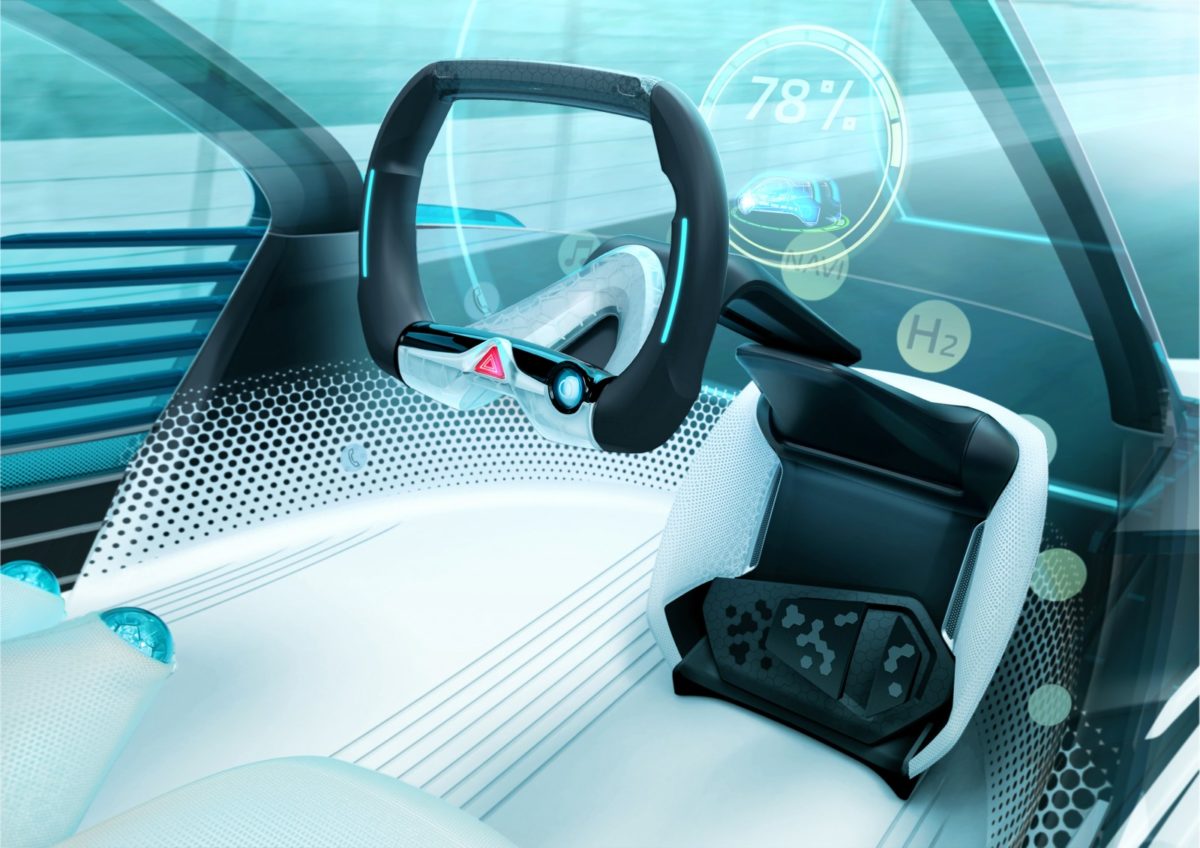
Toyota has long been envisioning a sustainable society based around hydrogen energy, a power source containing a higher energy density than electricity, can be generated from many different types of raw materials, and is relatively easy to store. The FCV fits into this plan nicely because aside from running off of electricity generated from hydrogen, it can also produce electricity to be used in the home and shared with the community power grid.

The FCV’s fuel stack is mounted in the centre at the front, and the hydrogen tank is installed behind the rear seat. Each wheel also has a dedicated motor. Together, the unique design allows for a spacious interior despite its compact vehicle dimensions of 3,800 millimetres (length) by 1,750 mm (width).

While the Kikai likely won’t be found in stores anytime soon, the purpose of its conception was to “explore and emphasize the fundamental appeal of machines.” Parts normally hidden away underneath body panels and bumpers, like suspension components and headlamps, are exposed to show off their inner workings.

The driver sits front and center to connect him or her more closely with the car, and there is room for two more passengers behind. Through a small window near the pedals, occupants are treated to a view of the tires and suspension working as the Kikai moves along the road.
After a week of testing in Ontario, AJAC has chosen the top three vehicles across nine segment categories vying for the title of Canadian Car of the Year.

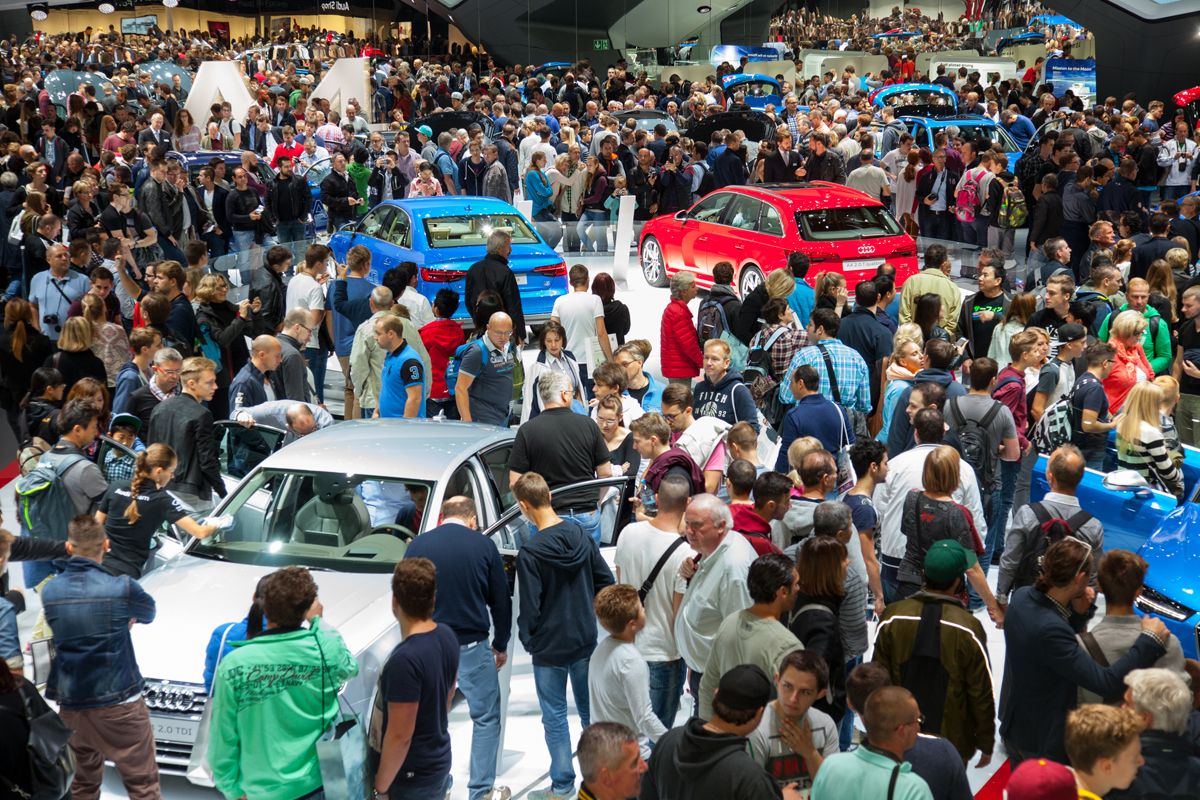
The 66th annual Internationale Automobil-Ausstellung (IAA), or Frankfurt Motor Show, is in full swing right now in Germany. There have been dozens of new vehicles and concept debuts since the show opened a few days ago, but we picked out a handful that are particularly intriguing. Here are OpenRoad’s top three cars from this year’s IAA.
Porsche has been very interested lately in the field of hybrid technology, evidenced by their release of several partially electric models last year. The Mission E concept car, however, is the brand’s first four-seater that is completely powered by electricity. With a range of over 500 kilometres on one charge, it only takes approximately 15 minutes to replenish 80 per cent of the battery thanks to Porsche’s unique 800-volt turbo charging system.

Key stats
Horsepower: 600
Powertrain: two permanent magnet synchronous motors (PMSM)
Transmission: all-wheel drive
Seats: four
Fun fact: A camera mounted to the rear-view mirror detects the driver’s mood.

Before you ask — KOERU means “exceed” or “go beyond” in Japanese, which is what the company is trying to do with their latest crossover concept. It has Mazda’s current KODO styling written all over it, but also includes a few twists like the rings around the LED headlights that are supposed to resemble an untamed animal. As usual, engine specifics aren’t being disclosed but expect some form of SKYACTIV.

Key stats
Horsepower: ?
Powertrain: ?
Transmission: ?
Seats: five
Fun fact: The KOERU is rumoured to lead to a three-door CX-4 model, or a new CX-7 or CX-9.

Consumers’ appetites for compact, fuel-efficient crossovers the world over continue to grow, and Toyota is hoping to capitalize on that with the C-HR Concept hybrid. The automaker has stated plainly they are looking to bring a new model to market, and hope to have a production-ready model to announce in a matter of months. Few specifics are known at this point besides the dimensions: 4,350 millimetres (length); 1,850 mm (width); 1,500 mm (height); 2,640 mm (wheelbase).

Key stats
Horsepower: ?
Powertrain: ?
Transmission: ?
Seats: five
Fun fact: The original concept featured a three-door design with a blue and black roof.
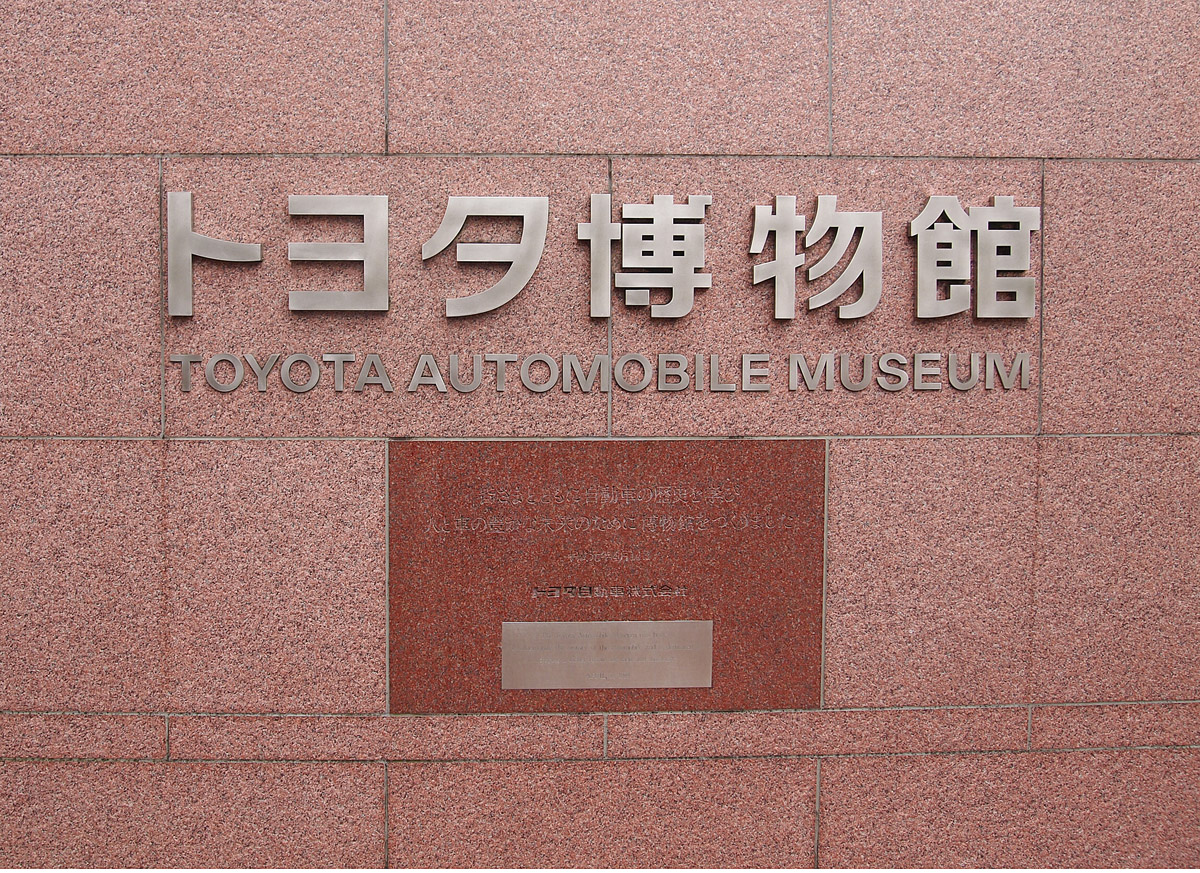
We take you on a tour of the Toyota Automobile Museum in Nagakute, Japan — 150,000 square-feet of everything automotive, and more.
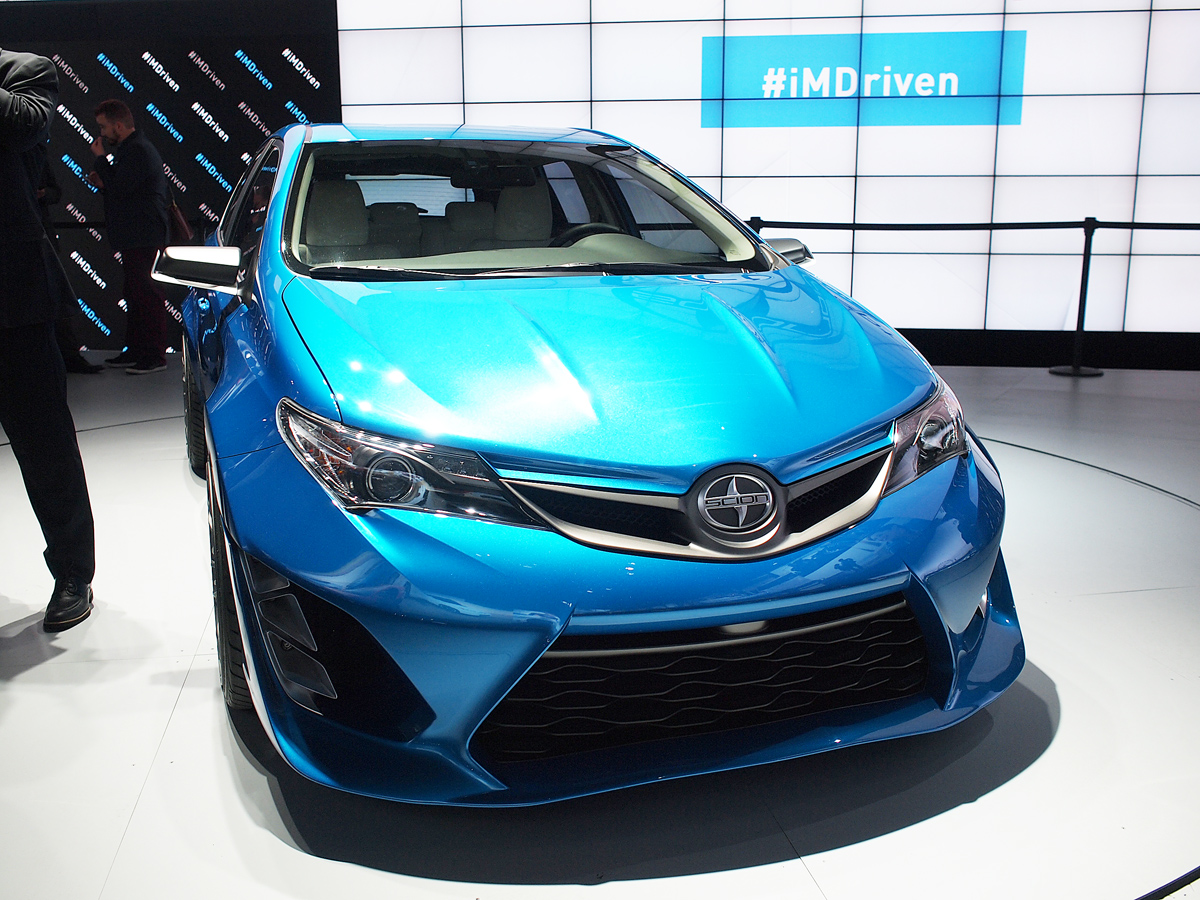
Scion is expanding its lineup, adding both an iM hatchback and iA sedan, the latter to be badged as a Toyota Yaris sedan in Canada.
Avoid common pitfalls associated with purchasing pre-owned by following along with our used vehicle buying checklist.

St. Paddy’s day may have been a couple of weeks ago, but folks in B.C. have another reason to go green again with the start of phase two of B.C.’s Clean Energy Vehicle (CEV) program on April 1.
About $7.5 million in electric and hydrogen fuel cell vehicle sale incentives will be available from now until March 31, 2018, or until the funds are exhausted, whichever comes first.
“With the Clean Energy Vehicle program, we’re providing incentives that will make electric and hydrogen fuel cell vehicles more affordable for British Columbians, and expanding the charging and fuelling infrastructure to make it easier to ‘fill the tank,” says Bill Bennett, Minister of Energy and Mines.
Consumers thinking about purchasing or leasing a new battery electric or plug-in hybrid electric vehicle are eligible to receive up to a $5,000 rebate, and up to $6,000 if the power is provided by a hydrogen fuel cell, like the new Hyundai Tucson FCEV.
Bennett says phase one of the CEV program — that expired last spring — encouraged over 900 electric cars to find new homes and also spurred the installation of more than 1,000 charging stations across B.C., resulting in the reduction of approximately 57,000 tonnes of vehicle emissions.
Some quick stats: vehicles are responsible for nearly half of the province’s household greenhouse gas emissions; a CEV reduces emissions by 5.6 tonnes per year when compared to a conventional 2000 model year or older vehicle; a CEV reduces emissions by 3 tonnes per year when compared to a new gasoline-powered vehicle, according to a news release by the provincial government.
For drivers who hadn’t considered an alternative-energy automobile previously for whatever reason, manufacturers now offer several options that would appeal to even the most die-hard fan of traditional internal combustion. Here are some examples of what’s available.

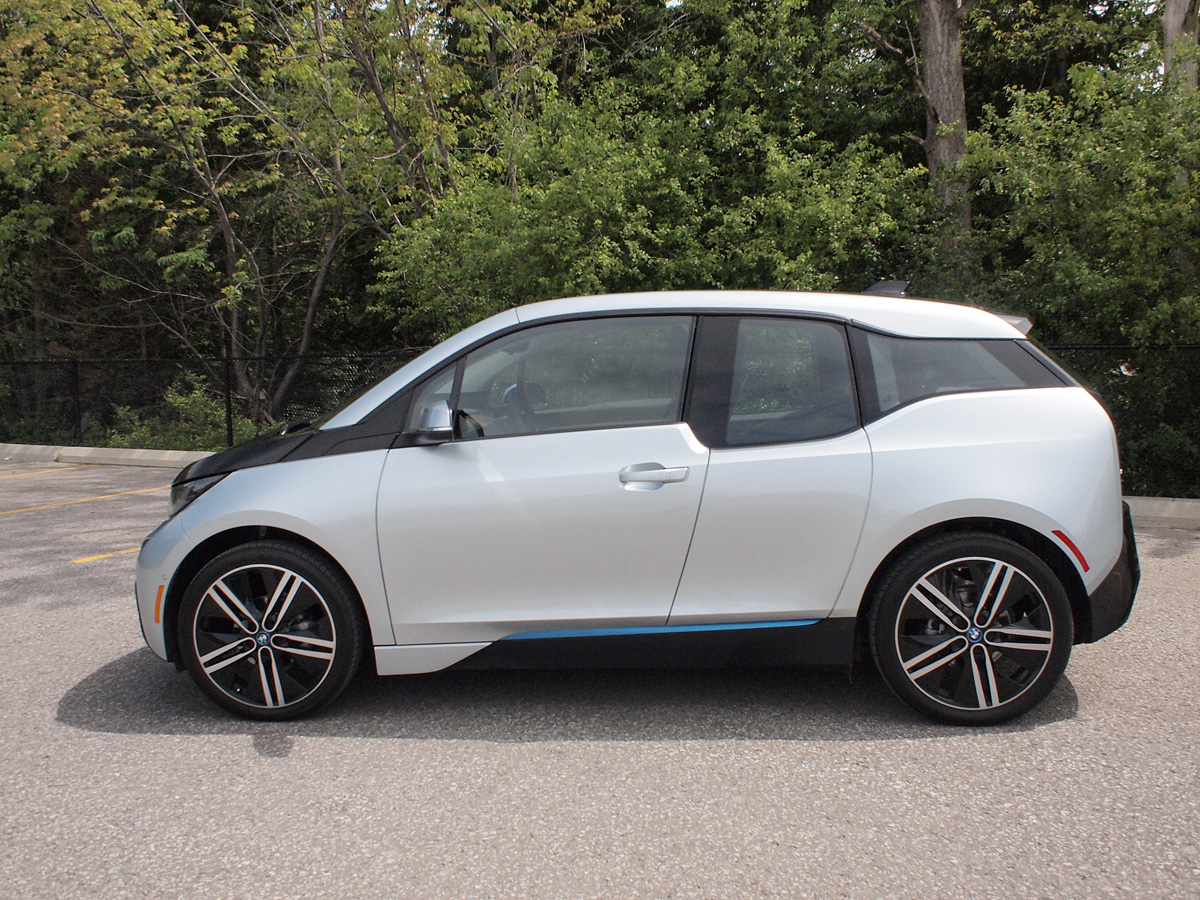
Type: battery electric vehicle (with optional gasoline Range Extender)
Form factor: five-passenger hatchback
Base MSRP: $45,000

Type: plug-in electric hybrid vehicle
Form factor: five-passenger mid-size crossover SUV
Base MSRP: $86,600

Type: plug-in electric hybrid vehicle
Form factor: five-passenger sedan
Base MSRP: $110,000

Type: plug-in electric hybrid vehicle
Form factor: five-passenger hatchback
Base MSRP: $35,905
Read more about the CEV phase 2 program on the website.

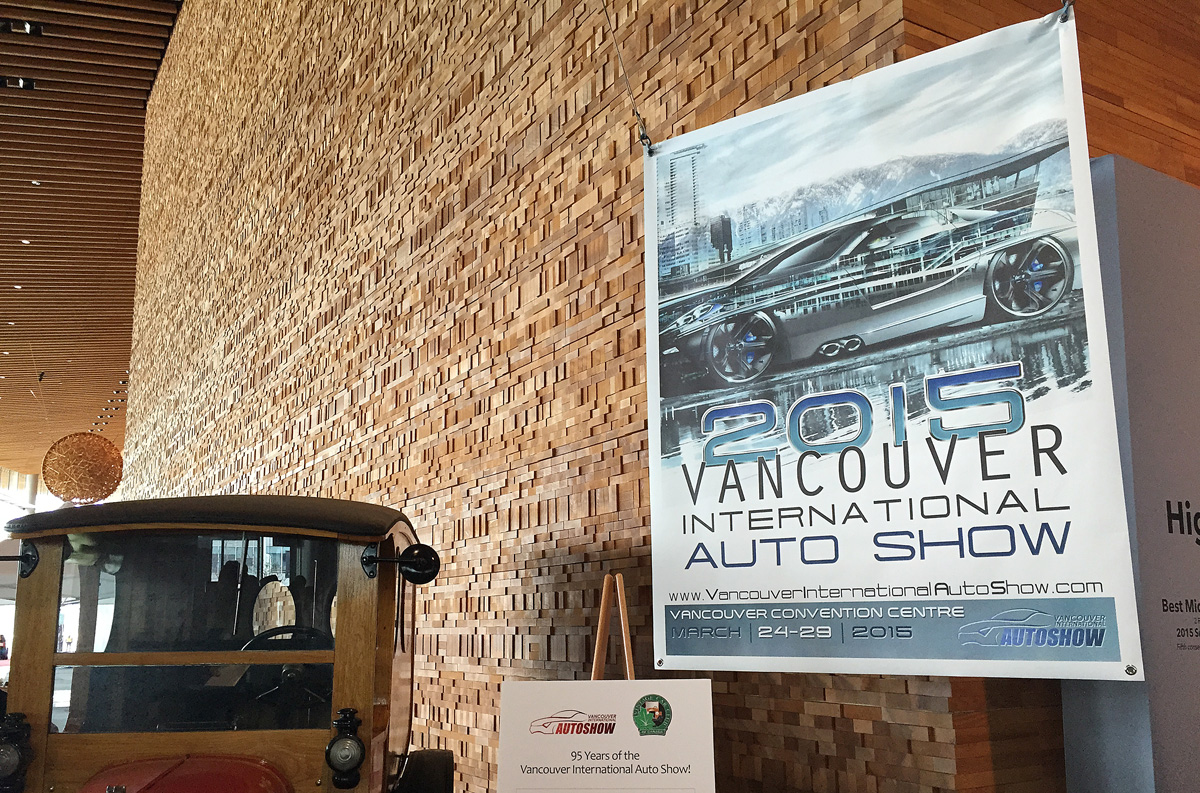
The 95th Vancouver International Auto Show (VIAS) is happening right now at the Vancouver Convention Centre, and is quite literally bigger, and better, than ever before. Exhibition space has grown by one-quarter this year, to 290,000 square feet, and for the first time the displays spill over to the upstairs ballroom. Fittingly, since it takes place in B.C., VIAS features a heavy focus on alternative-energy automobiles fuelled by diesel, electricity and even hydrogen. These are the green vehicles you’ll want to see.

You may have heard about Toyota’s production hydrogen fuel cell vehicle already on sale in Japan and about to hit the roads in the United States later this year. While no Canadian expansion plans have been announced yet, Toyota debuted the Fuel Cell Concept (FCV) that provided the inspiration for the Mirai for the first time in Canada.
The Mirai was actually tested in Yellowknife in -30 C weather to evaluate cold-weather effectiveness. The space-age looking sedan creates electricity by utilizing a chemical reaction between oxygen and hydrogen, refuels in about the same time as a conventional gasoline-powered car and can drive up to 500 kilometres on a single tank.

The A3 Sportback e-Tron, Audi’s first plug-in hybrid, made its first regional appearance at VIAS. Besides a few badges and some minor exterior tweaks to the grille and rear bumper, this hybrid looks remarkably similar to the standard version. Power is provided via a 1.5-litre turbocharged engine combined with a 75-kilowatt electric motor making 204 net horsepower and 258 lb-ft of torque.

VW is in Vancouver to prove that even with the crossover SUV craze taking place across North America, wagon’s haven’t quite called it quits. It’s been a good year for the Golf, reaping several industry awards, and the Sportwagon should continue that trend. The diesel powertrain provides plenty of torque and achieves great fuel economy rated at 7.5 L/100 km in city driving at 5.6 L/100 km on the highway.

Although Hyundai also has a plug-in version coming, it is the standard Sonata Hybrid making the trip to Vancouver. As part of the redesign, the engine is a smaller and more efficient 2.0 litre vs. the outgoing 2.4. The battery pack has a 13 per cent bigger capacity, and now fits under the trunk floor so the rear seats can fold 60/40.

In addition to the Hybrid, the majority of the public had their first chance to get an up-close look at the 2015 Hyundai Tucson Fuel Cell, the first mass-produced hydrogen-powered vehicle available to Canadians. Available to limited consumers through a lease program, the first lucky owners are a local couple living in Surrey.

Some visitors to Porsche Centre Langley have already experienced the spectacle that is the $1.3-million Porsche 918 Spyder in person. The hybrid supercar, one of three sold in B.C., uses two electric motors and a 4.6-litre V8 engine to achieve a top speed of 340 km/h.
The 2015 Vancouver International Auto Show runs until March 29. More pictures below: