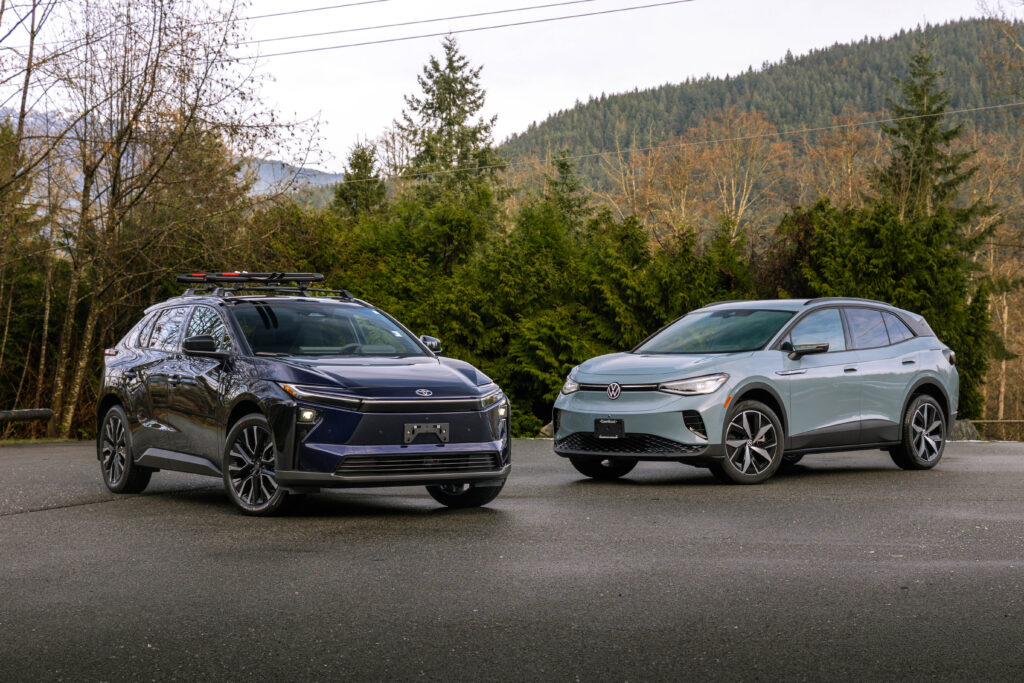
Comparing the updated 2026 Toyota bZ against the 2026 Volkswagen ID.4 

The electric crossover market has become one of the most competitive spaces in the automotive industry, and few models illustrate that better than the Toyota bZ and Volkswagen ID.4. Each represents a distinct approach to electrification. 

Design 

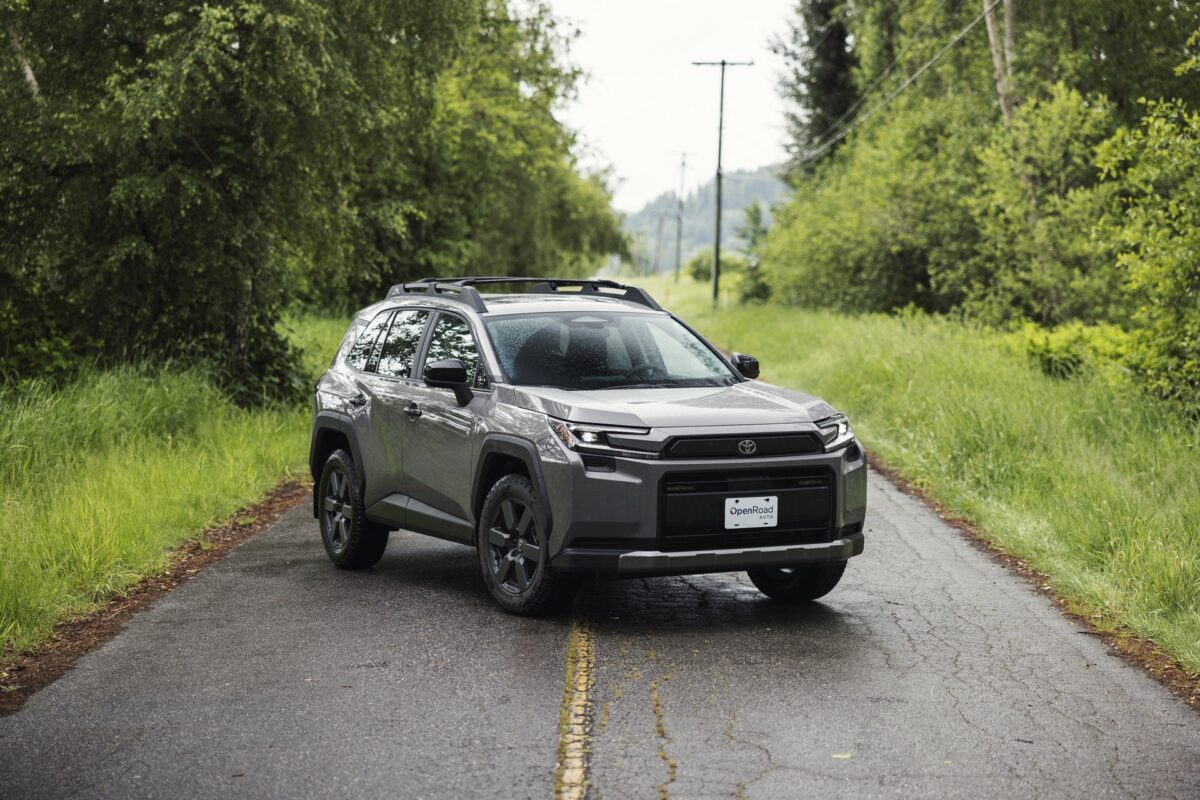
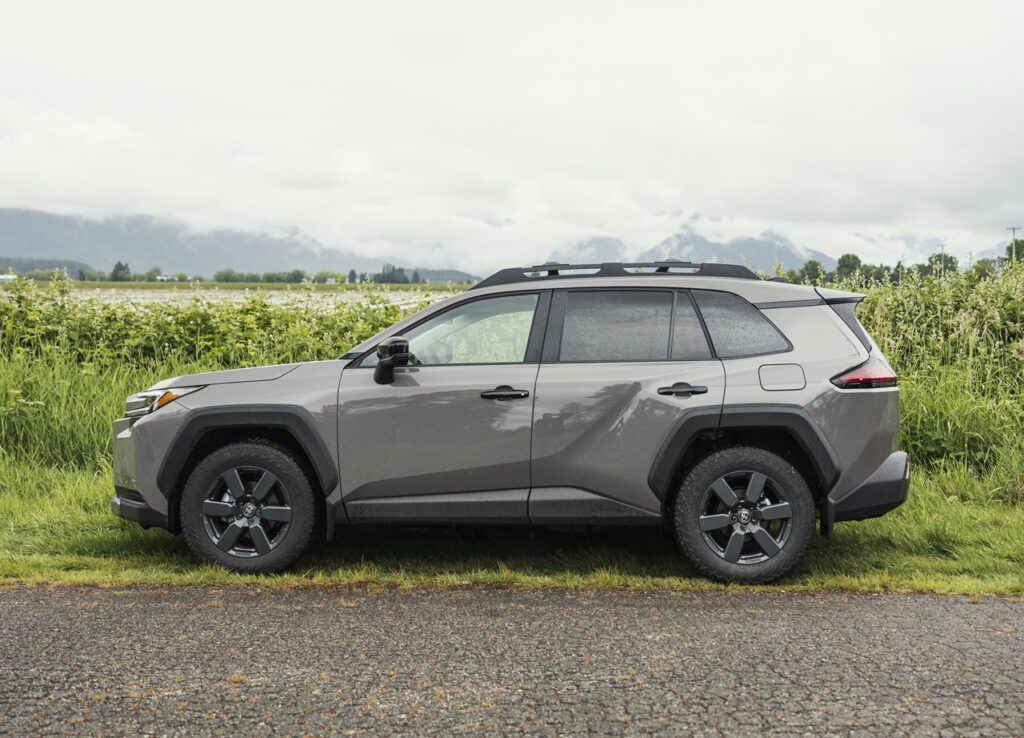
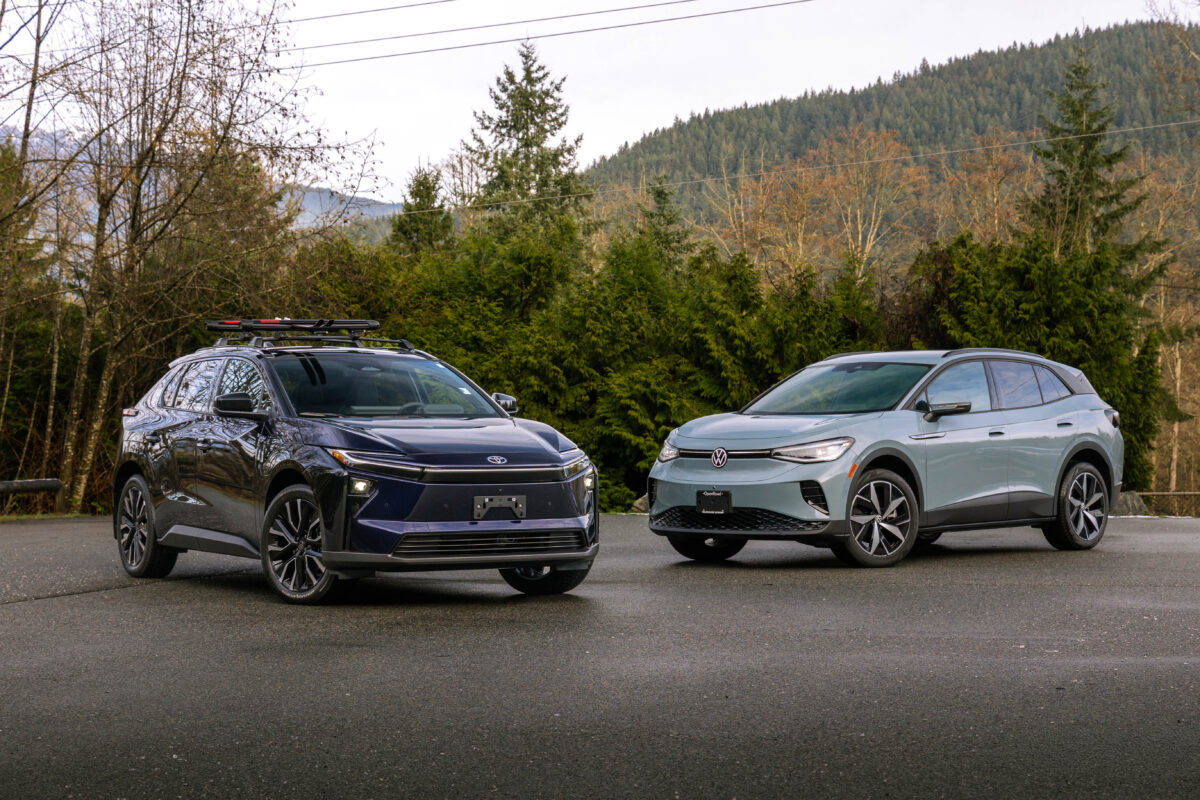
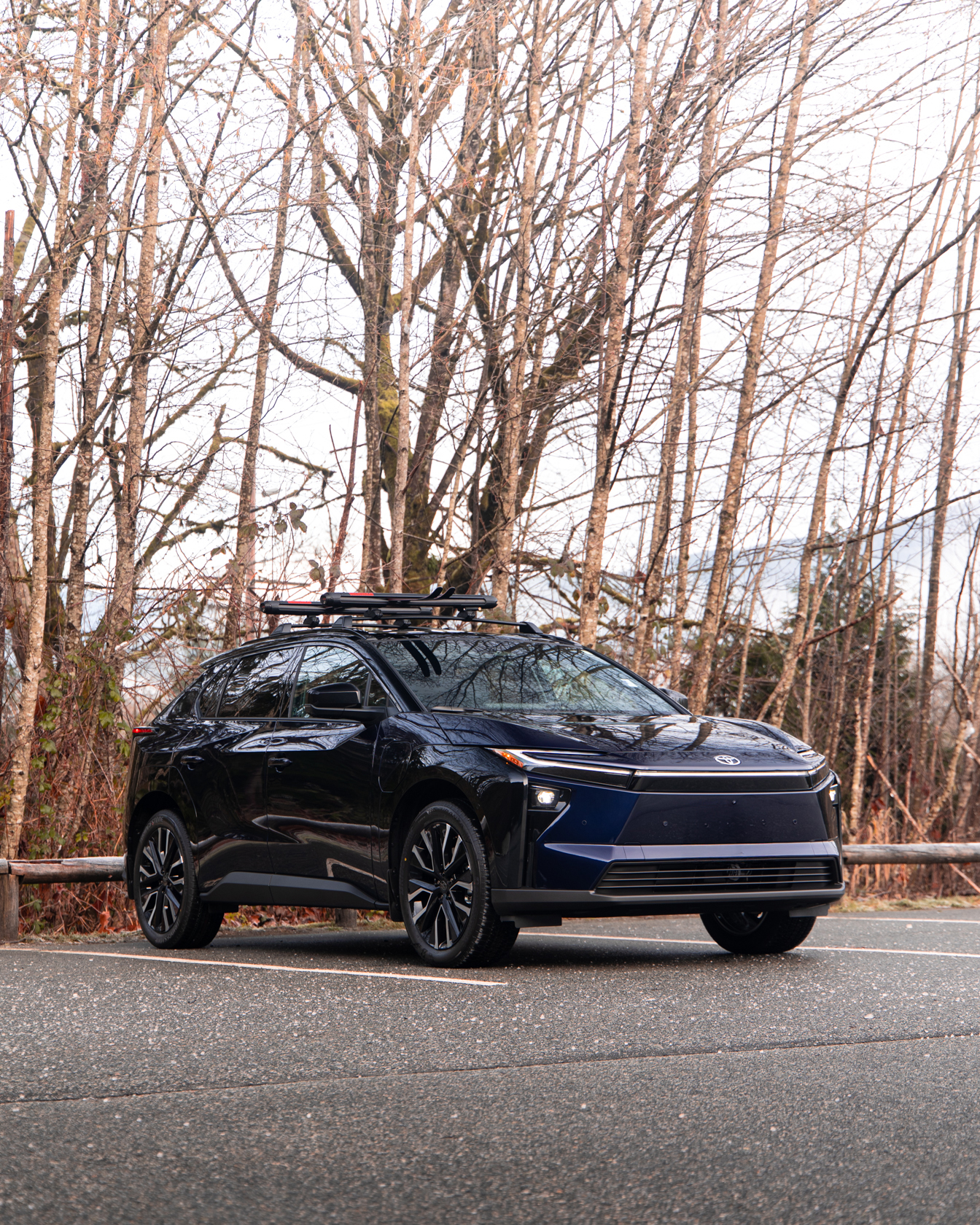
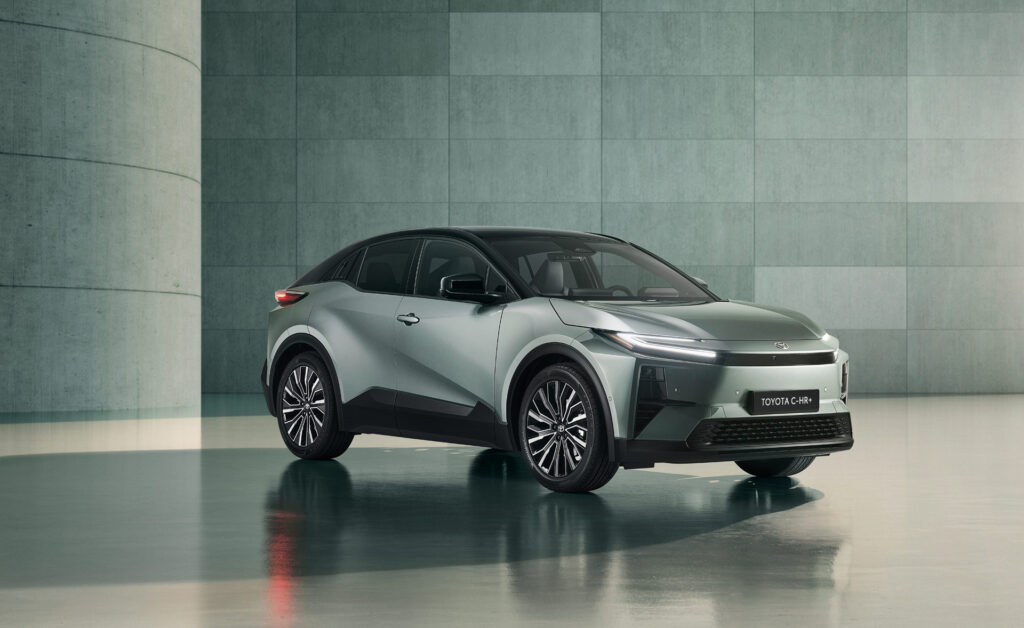
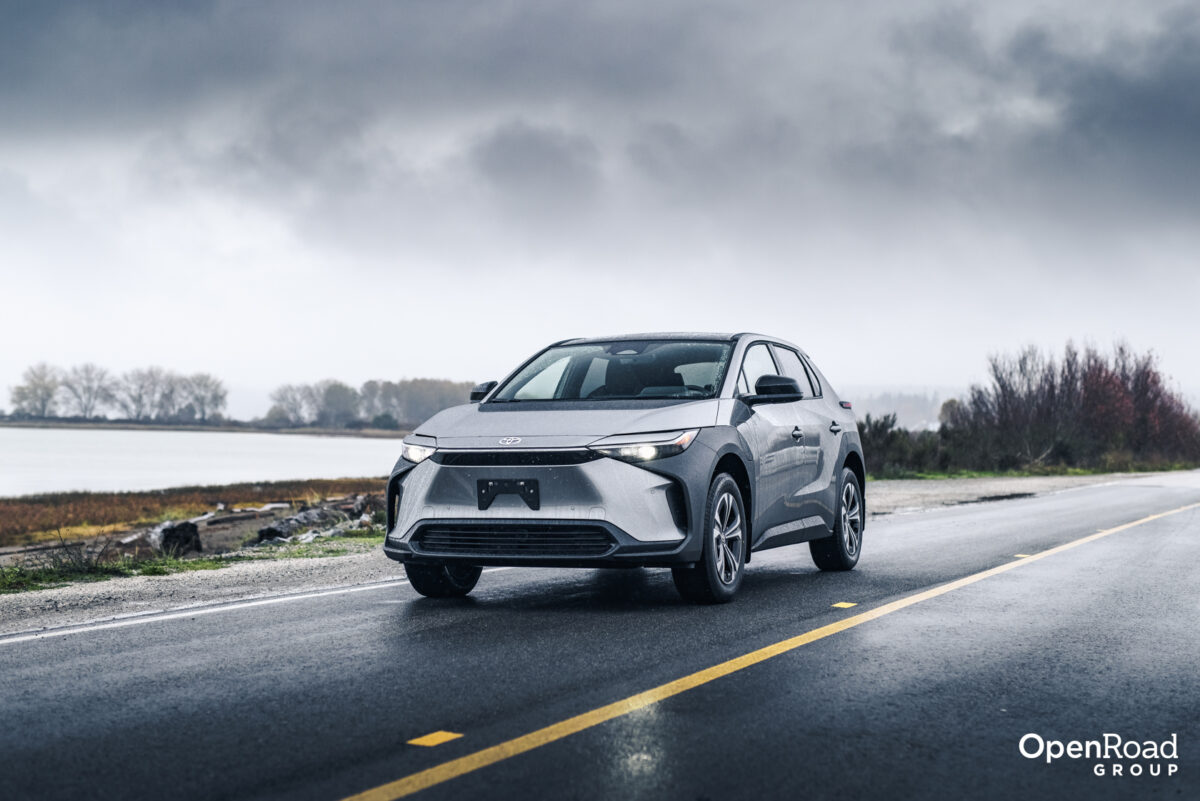
At first glance, these two take different approaches to exterior styling. The Toyota BZ mixes a modern and rugged design with its two-tone paint scheme and newly designed LED headlights. The Volkswagen ID.4 looks more traditional; more like a gasoline powered crossover SUV than an electric vehicle. 

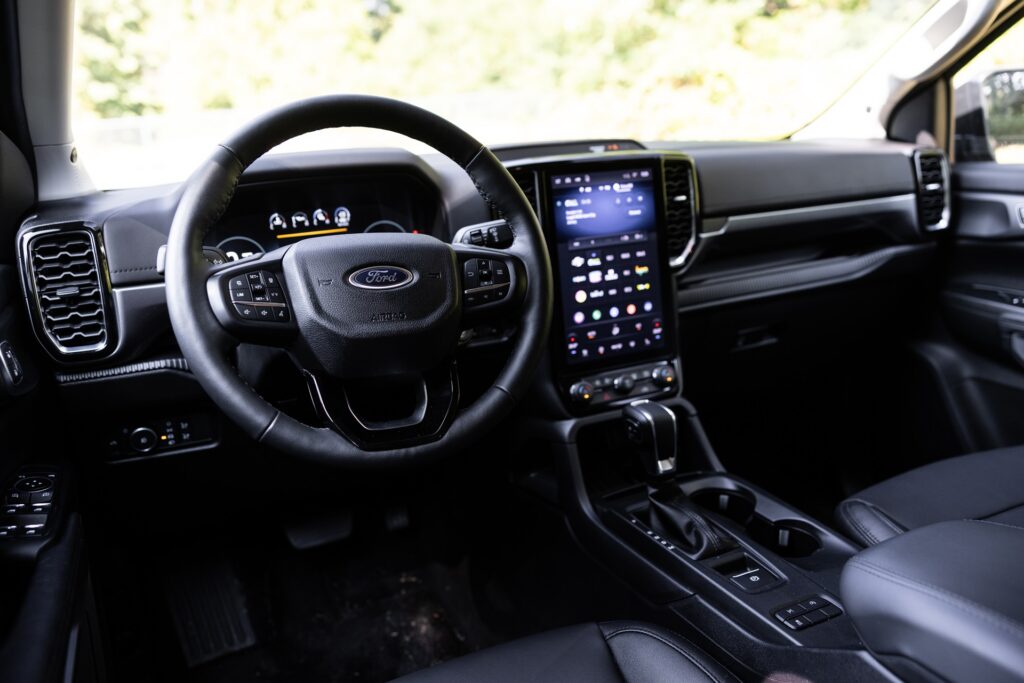
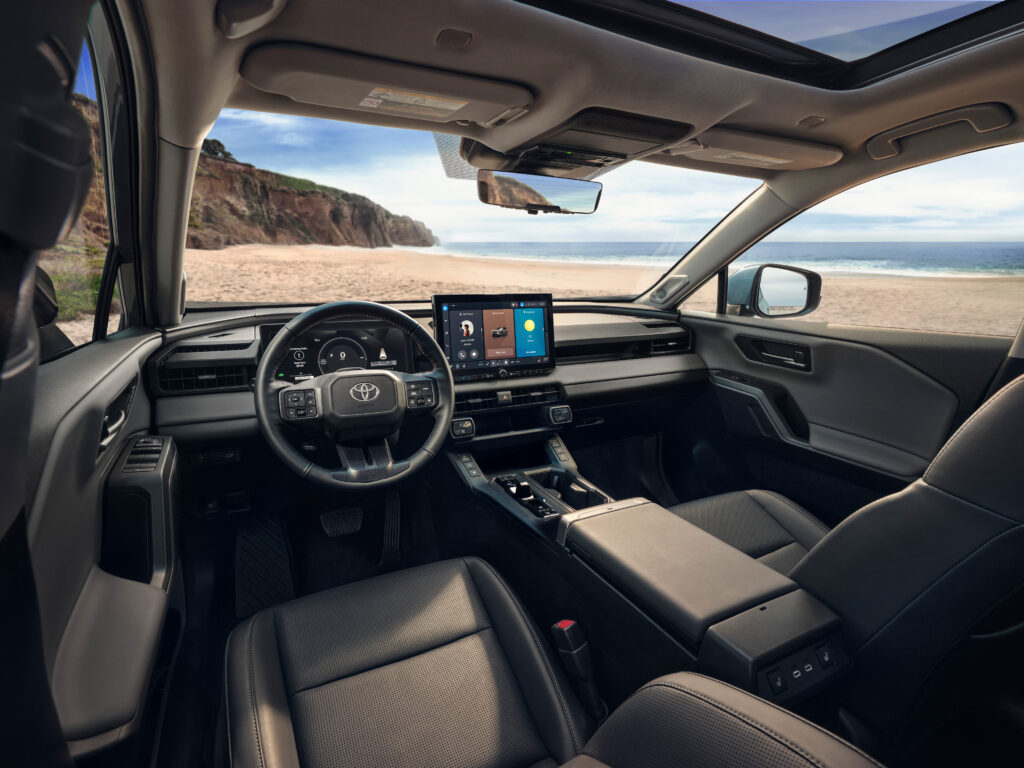
The differences continue to the inside of each EV. The Toyota bZ’s interior design is quite different from any other electric vehicle. The center console and infotainment are pretty simple to use, but the driver instrumentation display and steering wheel are unlike anything else. It’s unique, but not everyone will love it. 

Interior space is good in the front seats, but rear occupant space is a bit less than the Volkswagen. It’s a similar story in the trunk with the ID.4 accommodating more cargo than the Toyota bZ. 

The Volkswagen ID.4 takes a simpler approach to interior design. But it may be a bit too simple for some. Volkswagen uses capacitive touch controls on the steering wheel which you may inadvertently touch while turning, which may change the radio station or turn up the radio volume. The climate also uses capacitive touch controls just underneath the infotainment touchscreen which can be a bit finnicky to use while driving. 

But when it comes to space, the ID.4 has the most amount of headroom and more rear legroom than the Toyota. Plus, it can swallow more family cargo in the back than the bZ. 

Powertrains 

You can get the ID.4 with up to 335 hp. That is with the larger battery pack and with AWD. The RWD version with the larger battery produces 282 hp while the base trim with the smaller battery produces 201 hp.   

To drive, the ID.4 feels like a German car should. It’s stable, smooth, and competent around corners.   

By comparison, the Toyota bZ doesn’t match the ID.4 when it comes to driving dynamics. At least, not the single motor version. Where the ID.4 has a RWD layout, the Toyota bZ has the electric motor powering the front wheels. This doesn’t make much difference in boring city traffic, but it does when you find yourself on twisty mountain roads. 

But the AWD version is a bit better to drive. For 2026, the bZ gets a huge bump in power. It goes from 214 hp to 338 hp. This makes the bZ more powerful than the ID.4 

Range & Charging 

The 2026 Toyota bZ also gains a more powerful on-board charger, 11 kW up from 6.6 kW. So, level 2 charging is going to be faster now. As for level 3 charging, it can take up to a maximum of 150 kW which means 10% to 80% takes just under half an hour. 

Moving to the Volkswagen ID.4, it can accept up to 175 kW of power but because it has a bigger battery than the bZ, it takes just under half an hour as well from 10% to 80% state of charge. 

As for the driving ranges when the batteries are topped up? The ID.4 can drive for up to 468 km in the RWD layout. The AWD dips to 423 km.  

As for the Toyota bZ, it’s the XLE AWD that has the most range with up to 468 km, just like the ID.4. The FWD version can only drive for up to 380 km. 

Pricing & Features 

When it comes to pricing, the Toyota bZ is the least expensive of the two. It starts at $45,990 which is actually a little bit less than the previous model year. That usually never happens. The Volkswagen ID.4 is a bit more expensive with a starting price of $48,495  

But if you opt for a fully loaded version of each, the Toyota bZ is still the least expensive at just under $62,000 while the ID.4 is just under $64,000. 

What features do you get for the $60,000+ price tag? Quite a few. Both are available with leatherette upholstery, heated & ventilated front seats, heated rear seats, wireless phone charging pad along with wireless Apple CarPlay & wireless Android Auto connectivity, dual-zone automatic climate control (3-zone in the Volkswagen), and surround view cameras among others. 

Each EV also has a few features that are unique to that model. For example, the Toyota bZ is available with radiant foot and leg heaters while the Volkswagen ID.4 is available with front massaging seats. 

So what’s the verdict? Well it comes down to your needs and preferences. The ID.4 is the conventional choice with a balanced driving demeanor and ride. While the Toyota bZ is the safe and reliable companion.  

If you’d like to learn more or test drive any of these cars, please get in touch with us at OpenRoadAuto.com


The Most Anticipated EVs of 2026

The electric vehicle market is accelerating. Automakers are positioning several new models for launch in 2026 that aim to push range, performance, charging speed, design innovation, and affordability. These EVs reflect maturing battery technology and increasing competition. Below are some of the top EVs to watch for in 2026. 

Acura RSX 

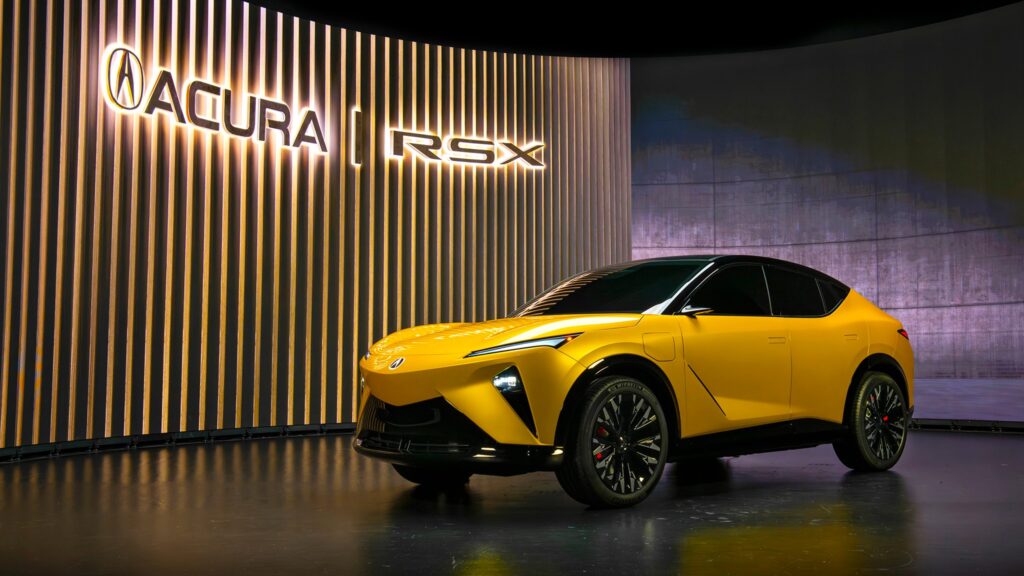
The Acura RSX was a fun sports car back in the early 2000’s. In 2026, Acura is reviving the RSX name but it will be on the back of a new electric crossover. The 2026 RSX will join the ZDX in Acura’s growing EV portfolio. The new RSX will be built on Acura/Honda’s new dedicated EV platform with assembly in Ohio. Expect to see the RSX at OpenRoad Acura Richmond in the second half of 2026. 

Hyundai IONIQ 6 N 

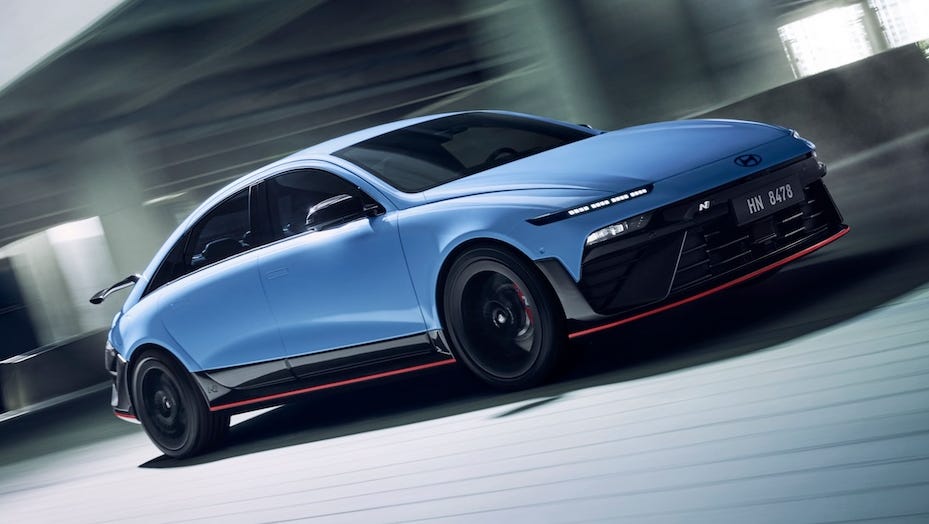
Following the success of the IONIQ 5 N, the IONIQ 6 N will bring supercar performance in the shape of a sleek electric sedan. The 6 N will adopt the same dual-motor powertrain with up to 641 hp on tap and a 0-100 km/h time of around 3.2 seconds. Like the IONIQ 5 N, the IONIQ 6 N will replicate virtual gear changes and simulate engine sounds for a more thrilling driving experience. Expect to see the Hyundai IONIQ 6 N at OpenRoad Hyundai Richmond’s showroom in early 2026. 

BMW iX3 

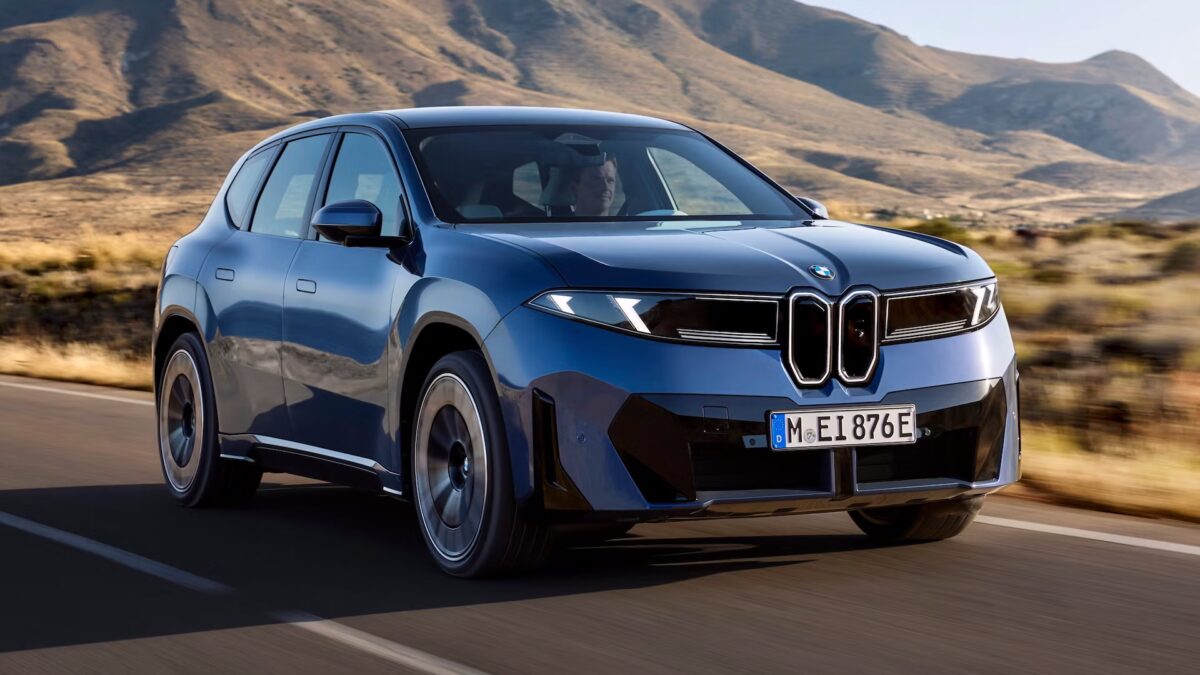
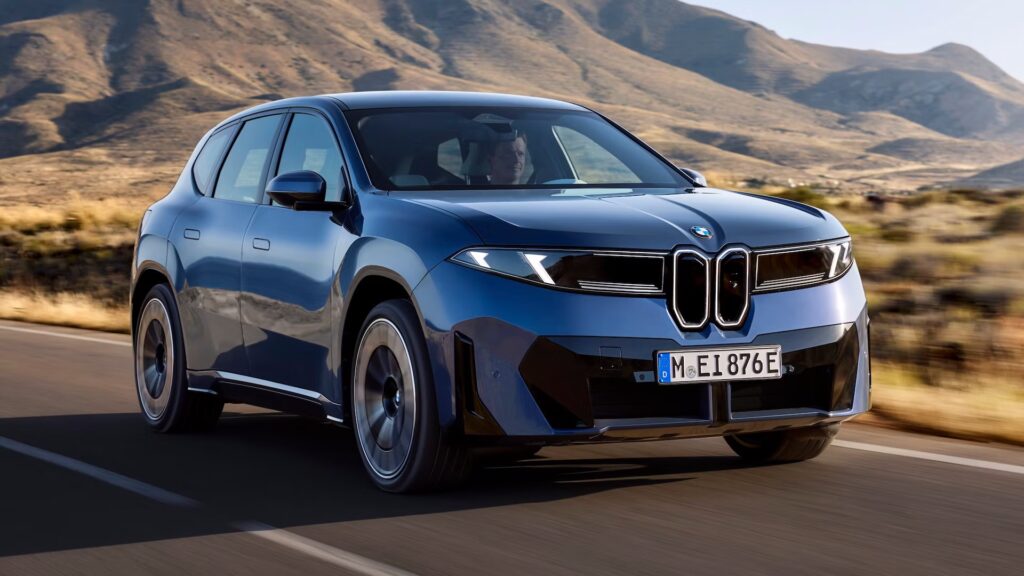
Based on the Vision Neue Klasse Concept, the iX3 will be a smaller version of the popular iX electric SUV in the brand’s portfolio. The new iX3 ushers in a new design era with slimmer BMW kidney grilles and a simplified interior. Boasting up to 463 hp, the iX3 will be a quick EV and it will allow for long road trips thanks to an estimated driving range of up to 650 km. The 2026 BMW iX3 will arrive at The BMW Store Vancouver and BMW Langley in Spring of 2026. 

Lexus ES 

Entering its 8th generation, the 2026 Lexus ES will be offered for the first time as a battery electric vehicle alongside a new hybrid powertrain. Available with FWD or AWD, the electric versions of the 2026 ES will have an estimate driving range of up to 480 km, but Lexus has not yet released power figures. Inside, the 14-inch touchscreen is the center focal point of the dashboard along with two new Lexus design elements. Bamboo Layering recreates the depth and flow of natural bamboo using 3D printing while Synthetic Leather Embossing pairs sharp embossing with ambient lighting to enhance the cabin’s clean, elegant atmosphere. Sales of the 2026 Lexus ES will start in early 2026 at OpenRoad Lexus Richmond, OpenRoad Lexus Port Moody, and Lexus of London.  

Toyota C-HR 

The Toyota C-HR returns as a compact electric crossover alongside the Toyota bZ4X. The 2026 C-HR features a coupe-like profile with an eye-catching design that is similar to the Toyota Crown Signia. It will be available as a FWD with 221 hp or AWD with 338 hp and an electric driving range of up to 500 km. No word on pricing but you can expect to see it in one of our 6 OpenRoad Toyota showrooms across BC and Ontario in early 2026.  

Subaru Uncharted 

Just as the Solterra is based on the bZ4X, the all-new Uncharted is based on the equally new C-HR EV. The Subaru Uncharted sports the same updated design as its Solterra bigger brother. But with its smaller size and available AWD system, it will sprint from a stop to 100 km/h in around 5 seconds. Subaru is estimating up to 500 km of driving range for the FWD version and a little bit less with the dual-motor AWD version. Expect to see the new Uncharted at OpenRoad Subaru Boundary in early 2026. 

Mercedes-Benz GLC-Class Electric 

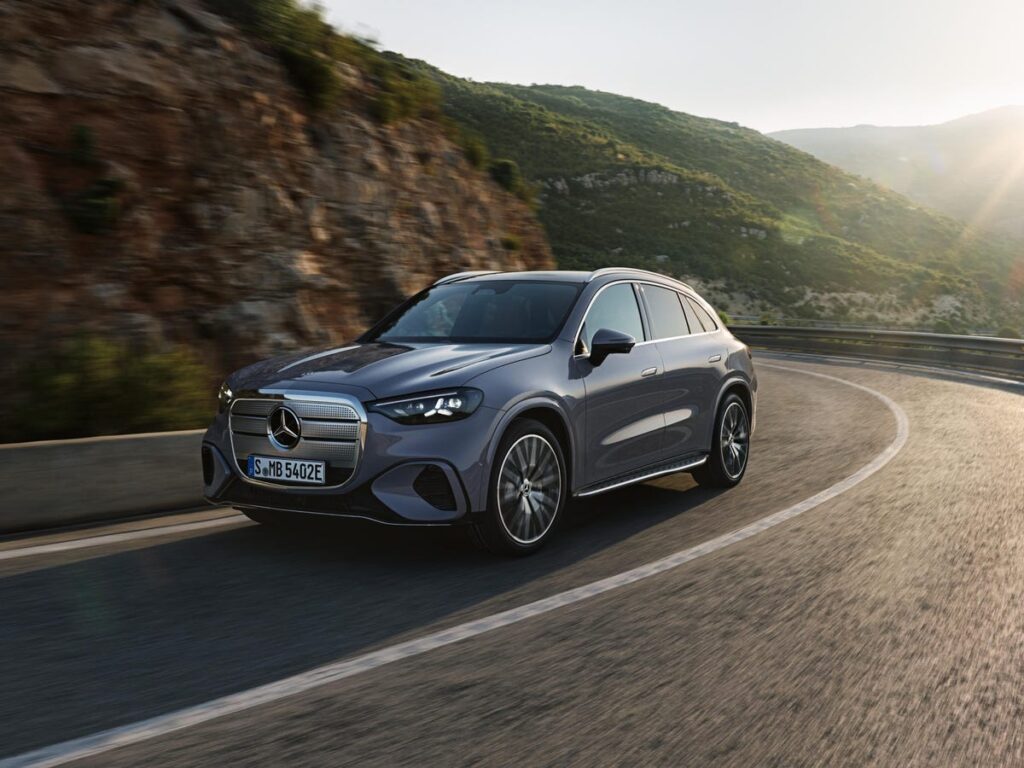
The Mercedes-Benz GLC-class is one of the most popular SUVs in the brand’s portfolio, so it comes as no surprise that an electric version is on the horizon. Dubbed the GLC SUV with EQ Technology, it will be a pivotal shift in the brand’s EV portfolio. The GLC EQ will feature a brand-new iteration of the Hyperscreen that is currently available in some EQ models. It will also integrate a new 4th generation infotainment system and AI based voice controls. Powering the new GLC class with EQ Technology will be a 94-kWh battery pack providing up to 483 hp and a new two-speed transmission. The 2027 Mercedes-Benz GLC with EQ Technology is expected to arrive at OpenRoad Mercedes-Benz Surrey sometime in 2026. 


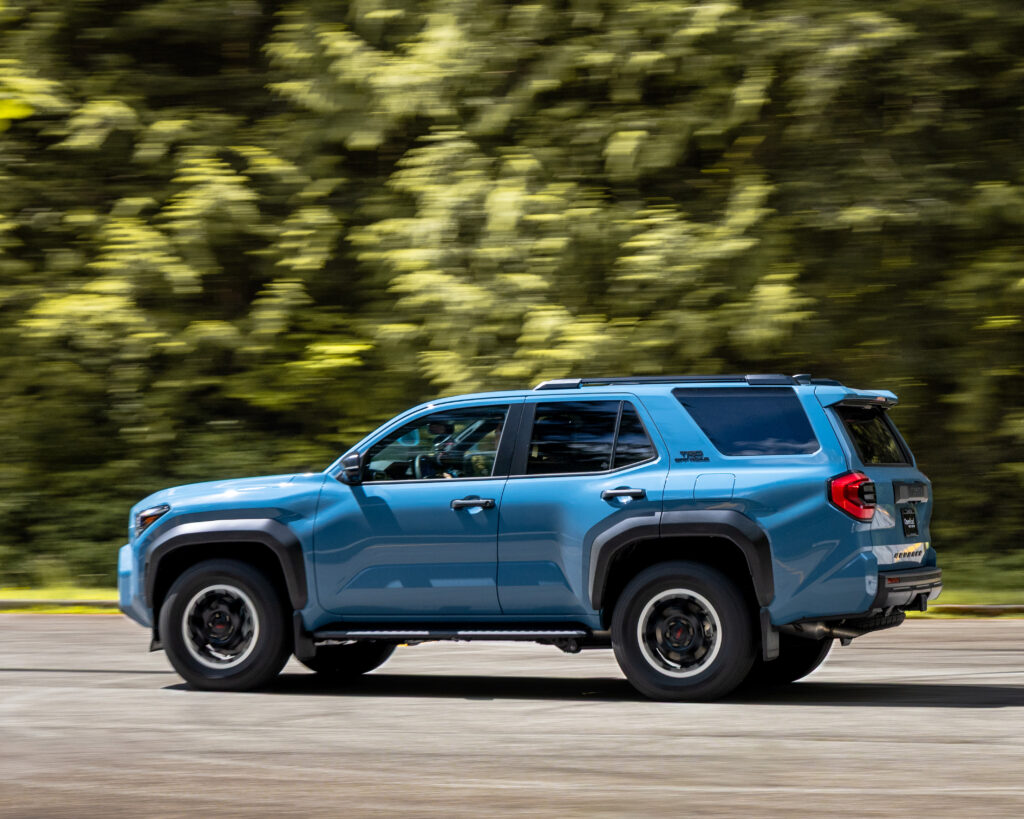
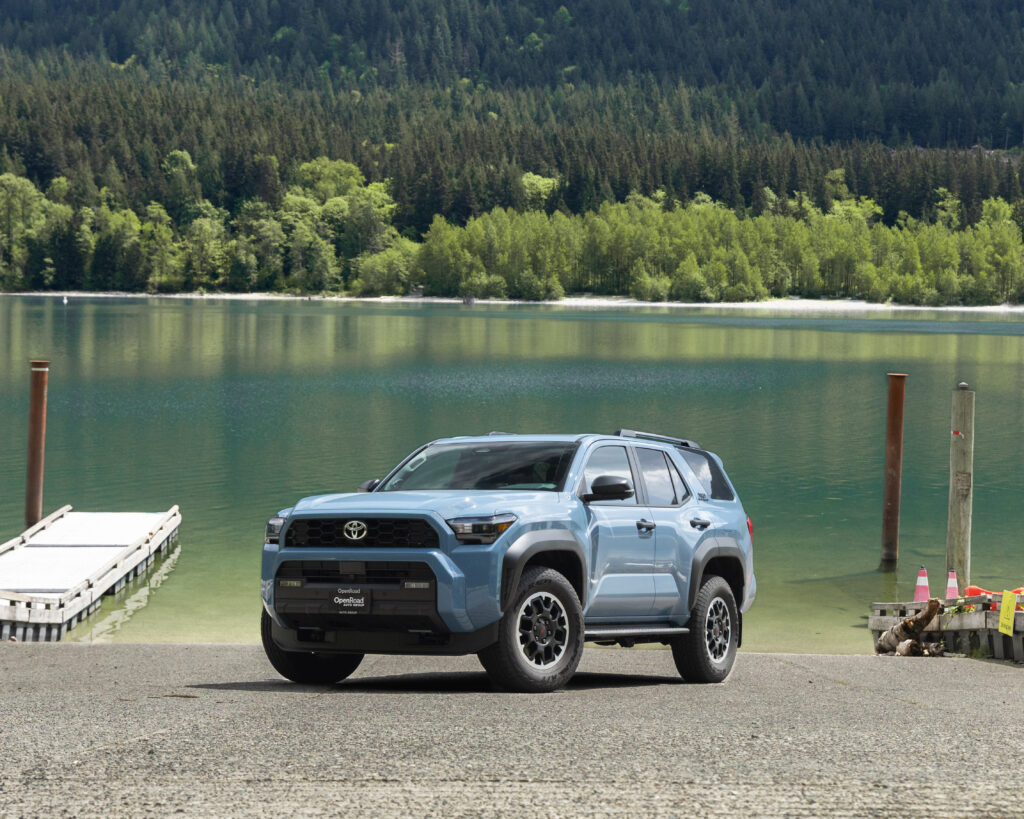
The 2025 Toyota 4Runner Arrives with More Tech and Off-Road Capability

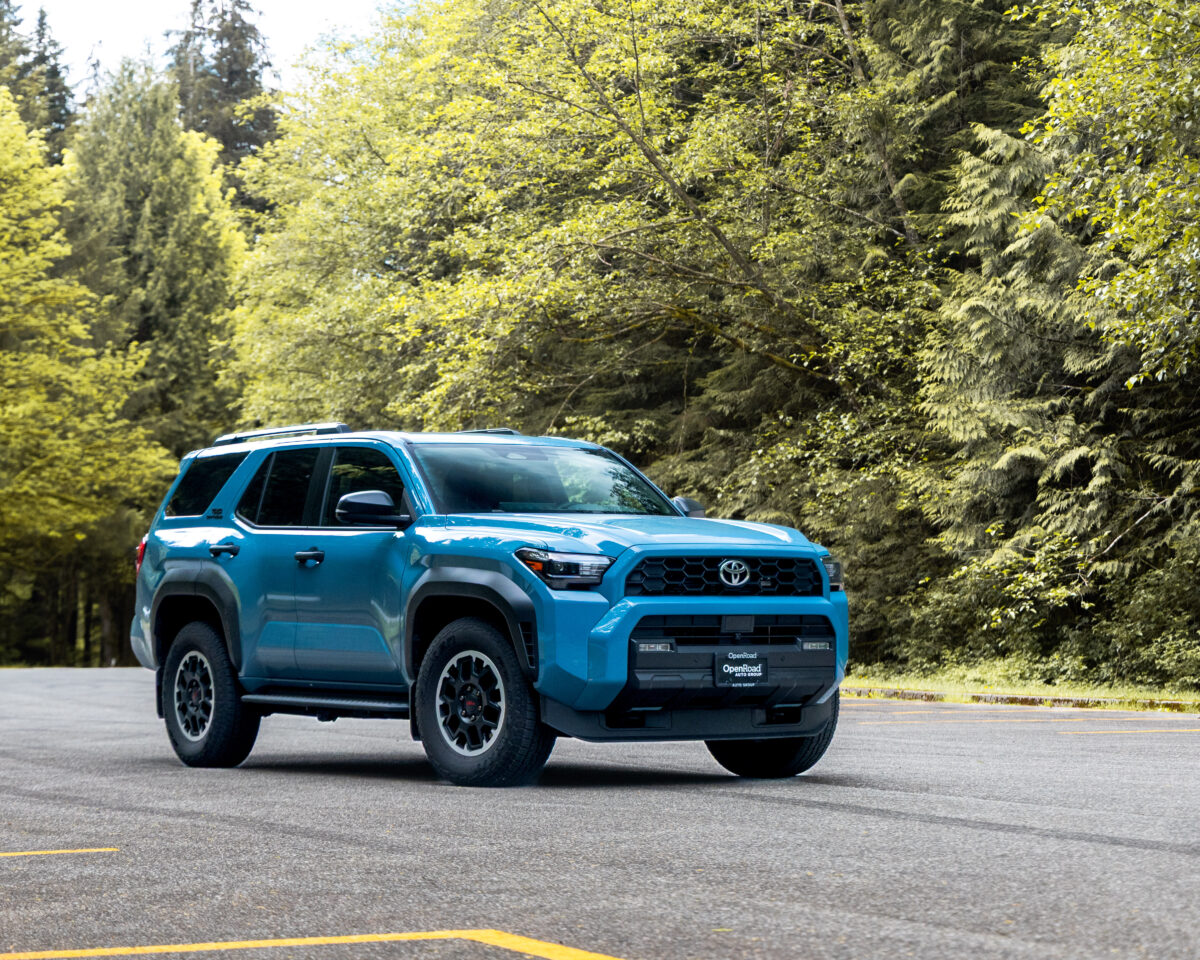
15 years. That’s how long the 5th generation Toyota 4Runner has been on sale. By automotive standards, that is an eternity. But in 2025, Toyota has given us a brand new, 6th generation 4Runner that promises to continue the off-road characteristics that the 4Runner is known for in addition to providing a refined and technologically advanced SUV. 

Like the previous generations, the new Toyota 4Runner has a body-on-frame chassis. This is the same one that is shared with the Tacoma, Land Cruiser and Tundra. It’s a high strength, boxed, steel ladder frame with multi-link coil suspension on the back and double wishbone suspension on the front.  

This new platform improves the ride quality when driving on city streets in addition to providing a stronger chassis when off-roading. Speaking of which, the new 4Runner receives some of the off-road goodies from the Tacoma and Land Cruiser. 

Some of these goodies include a front disconnecting sway bar, Bilstein, Old Man Emu, or Fox shock absorbers, a locking rear differential, and rock rails to protect the body. 

These off-road features vary depending on which off-road trim of the 4Runner you choose. There’s the TRD off-road, the TRD Pro and the new Trailhunter trim. These trims can provide an approach angle of up to 32 degrees and a departure angle of up to 24 degrees. They also use the Multi-Terrain Select system, which now functions in both 4WD high and 4WD low, to adjust various vehicle settings for better traction in mud, sand, and dirt environments.  

All three of these off-road ready trims of the 2025 4Runner are available with the new hybrid powertrain. 

The V6 is gone and in its place is the 2.4L turbocharged 4-cylinder hybrid engine of the Land Cruiser and Tacoma. It produces 326 hp and 465 lb-ft of torque. Not only is this the most powerful 4Runner but it’s also much more economical.  

The hybrid version of the 2025 Toyota 4Runner is rated for 9.9 L/100km combined.  That is a drastic improvement over the 13.8 L/100km combined of the old Toyota 4Runner.  

This is achieved not only by the aid of the 48 hp electric motor but also the new 8-speed automatic transmission. Furthermore, this hybrid powertrain enables the 2025 4Runner to tow up to 6,000 lbs. 

But unlike the Toyota Land Cruiser, this new 4Runner is available with a second engine. It’s the same 2.4L turbo 4-cylinder but without the hybrid assist. It produces 278 hp and 317 lb-ft of torque.  

Of course, this non-hybrid engine isn’t quite as fuel efficient with a combined rating of 11.1 L/100km but that’s still better than the previous generation 4Runner.  

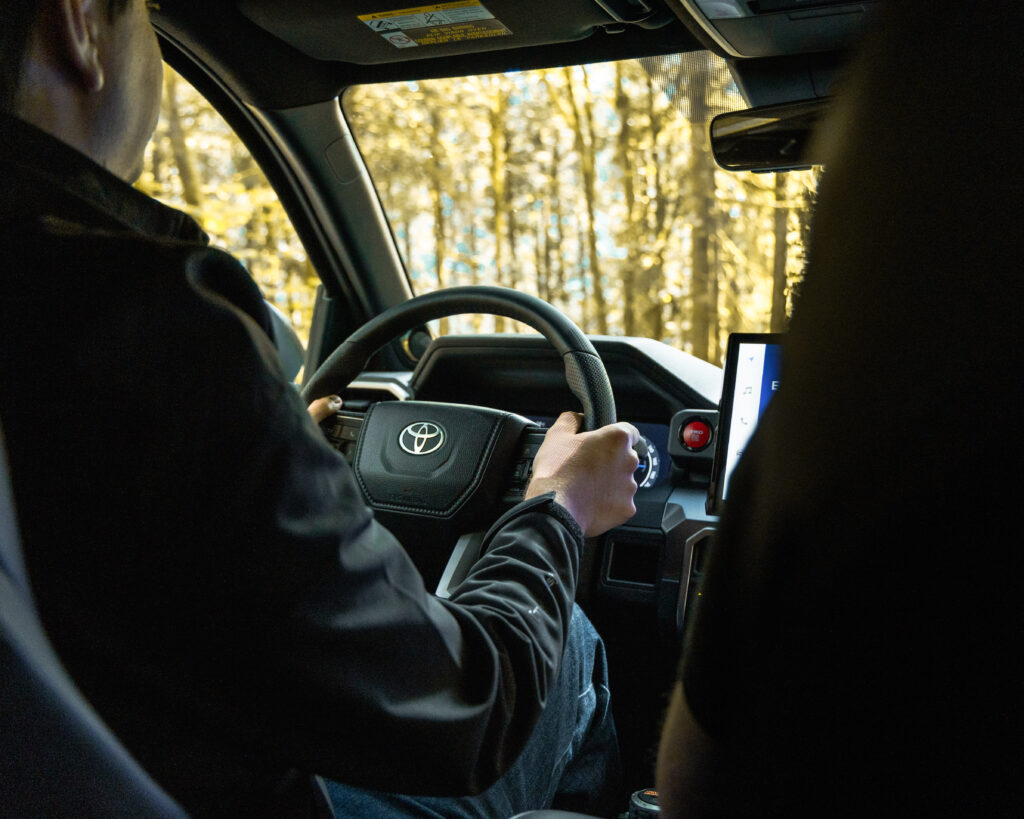
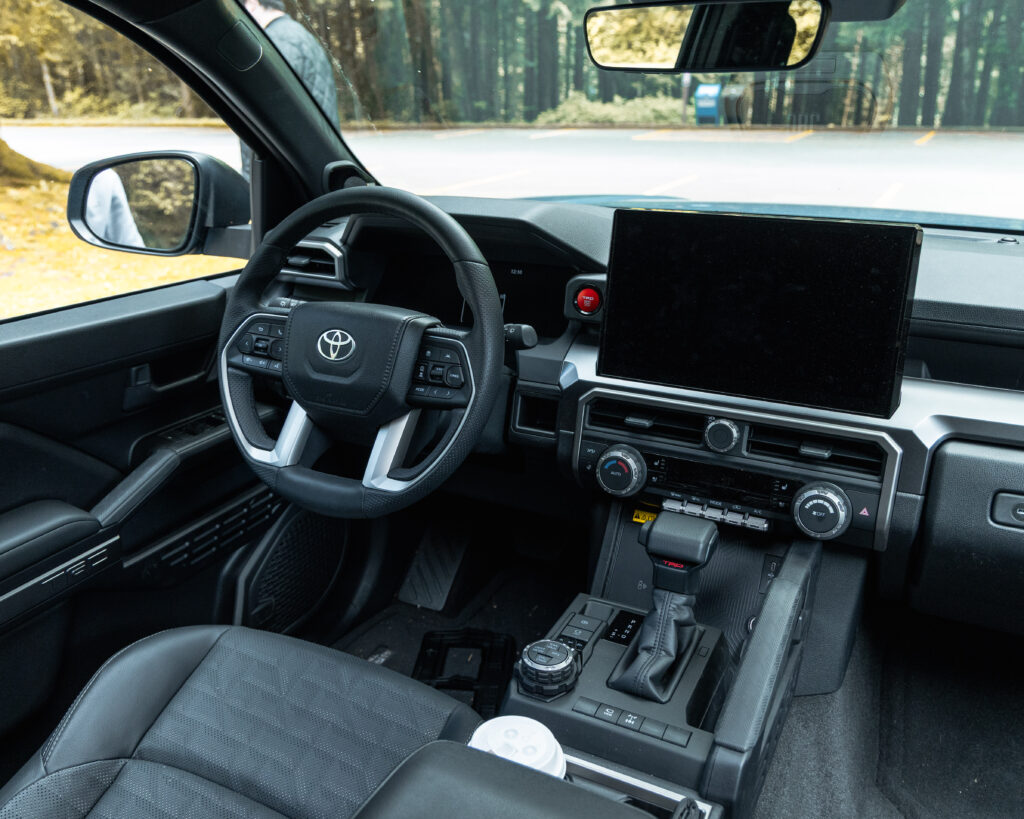
The interior of the new 4Runner is almost identical to that of the Tacoma which is not such a bad thing. It means that a vast majority of controls are operated by physical buttons and physical knobs.  

As standard, the 2025 Toyota 4Runner comes with an 8” infotainment touchscreen and a 7” digital driver display. Moving up in the trims increases these sizes to 14-inches and 12.3-inches respectively. 

The infotainment system displays Toyota’s Multimedia system that is found in all other current Toyota vehicles. It supports wireless Apple CarPlay and wireless Android Auto with this new generation 4Runner allowing for a digital key. The digital key can be connected to a smartphone to allow for vehicle entry and vehicle start up. 

The new 4Runner can also be equipped with features that were never available on the previous generation. Some of these include power operated running boards, a head up display, heated rear seats, ventilated front seats, and a digital rearview mirror. 

But of course the one feature that everyone wanted to remain on this new 4Runner is the power operated rear window. Simply press on the up or down switches, with the key near the SUV, and the rear window goes up and down. Of course you can also control this window from the inside. 

Opening the power operated liftgate reveals three rows of seats. But the 7-seat capacity is only available on certain trims of Toyota 4Runners equipped with the non-hybrid engine. Those with the Hybrid Max powertrain only have 2-rows of seats.  

Nevertheless, this new 4Runner provides a bit more legroom in the 2nd row over the previous generation. Front legroom remains unchanged. As for the 3rd row, it is very tight and should ideally be used for kids or in emergency situations when you need to ferry 6 others over a short distance. They will not want to sit in that 3rd row for very long.  

Like most other Toyota vehicles, the 2025 4Runner comes equipped with standard Toyota Safety Sense 3.0 along with blind spot monitor, rear cross traffic alert, and hill start assist. Of course, it also comes with 8 airbags to keep you and your family safe in the event of an accident. 

The 2025 Toyota 4Runner starts at $54,200 for the SR5 trim. This new generation has a total of 8 different trims, some of which are only available with the hybrid max powertrain while others are only available with the gasoline-only powertrain. The most expensive is the Trailhunter with a price of $84,201. 

So that is a look at the all-new 2025 Toyota 4Runner! What are your thoughts on this new SUV? Or do you still prefer the older generation? Let us know in the comments.  

And should you want to learn more or test drive the new 4Runner, please contact our knowledgeable product specialists at any one of our 6 OpenRoad Toyota dealerships throughout BC and Ontario.


Top EVs of 2023

To make the increasingly crowded EV market a bit easier to navigate, here are our top picks for the newest EVs of 2023.