Gaurav Manhas Wins the Lawson Lundell LLP Award for the Second Year in a Row

Congratulations to our very own legal leader, Gaurav Manhas, who has once again been recognized as an Excellence Awardee at the 2026 Canadian Law Awards! This is his second consecutive year of distinction in the prestigious national program celebrating leadership and innovation in Canada’s legal profession.

Presented under The Lawson Lundell LLP Award for Law Department Leader of the Year, the recognition highlights outstanding in-house legal leaders who demonstrate exceptional strategic vision, business acumen, and impact within their organizations. Gaurav’s repeat recognition highlights the consistency and depth of his contribution to legal leadership in Canada.

As OpenRoad Group’s General Counsel and Director of Corporate Affairs, Gaurav leads the organization’s legal function across a broad portfolio that includes mergers and acquisitions, corporate and commercial law, real estate, financing, intellectual property, and enterprise risk management. His role includes strategic advisory work on business growth initiatives and stakeholder relationships across OpenRoad’s broader group of companies.

Gaurav also serves as Secretary of OpenRoad Foundation and has been instrumental in helping launch the Group’s non-profit arm.

According to the Canadian Law Awards profile last year, Gaurav’s work reflects a multidisciplinary legal background that bridges private practice, in-house counsel leadership, and corporate development experience, bringing a business-focused lens to complex legal decision-making and long-term organizational strategy.

The Canadian Law Awards recognizes the most outstanding legal professionals, law firms, and in-house teams across the country, with Excellence Awardees selected following a national review and judging process that highlights leadership, innovation, and impact within the profession. 

In addition to Canadian Law Awards, Gaurav is also nominated in the In-house category for Canadian Lawyer’s annual Top 25 Most Influential Lawyers list.

We’re incredibly proud of Gaurav! Congratulations on a well-deserved honour.


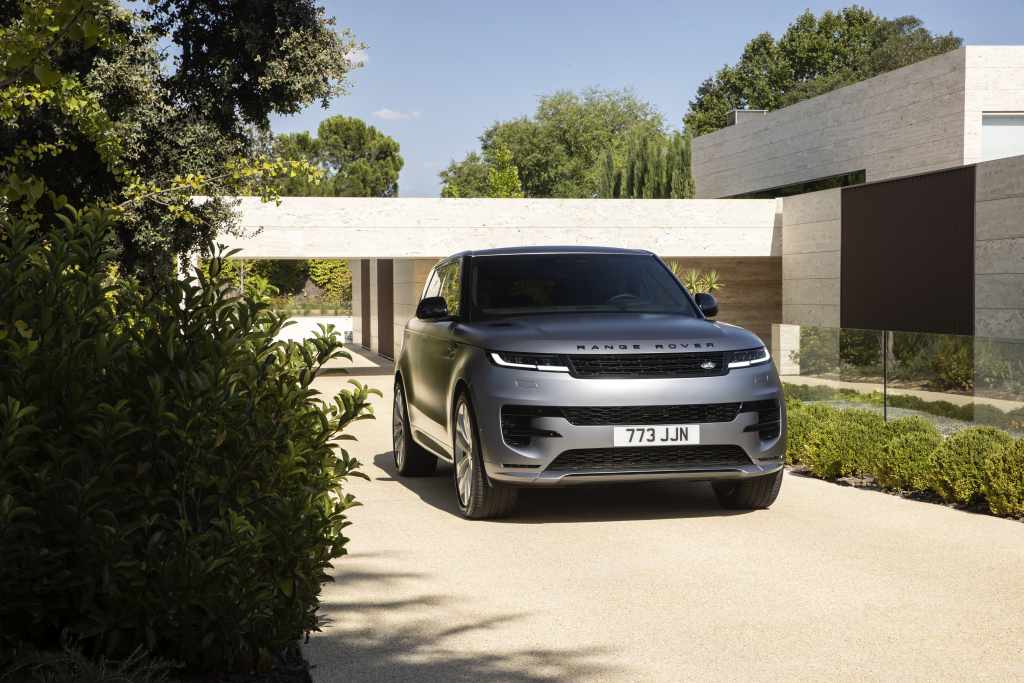
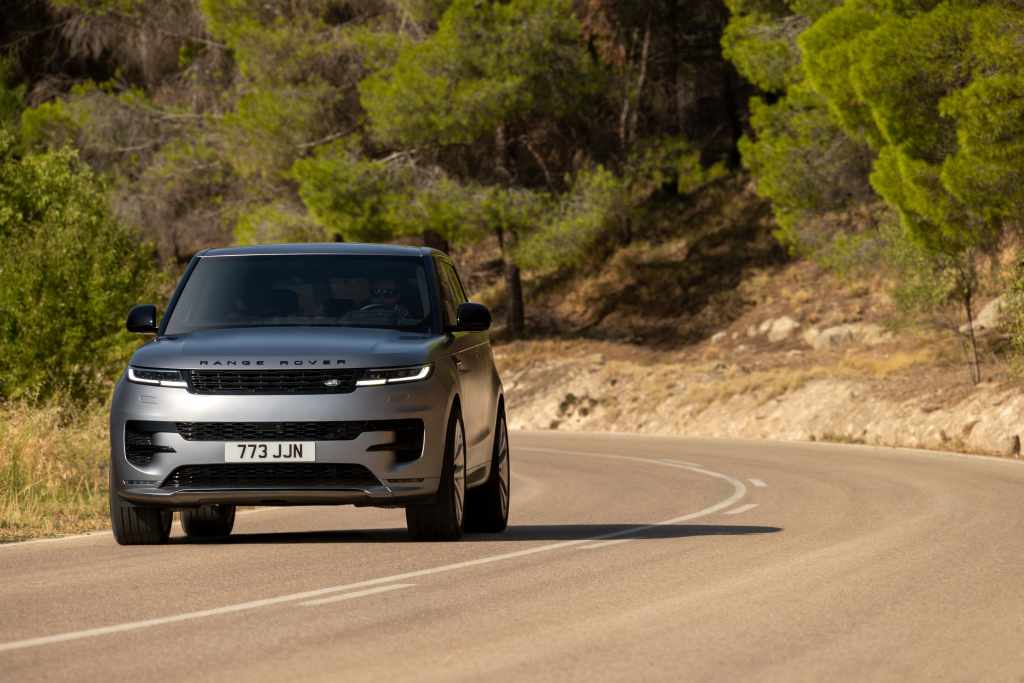
Battle of the Behemoths – Lexus LX700h vs Land Rover Range Rover

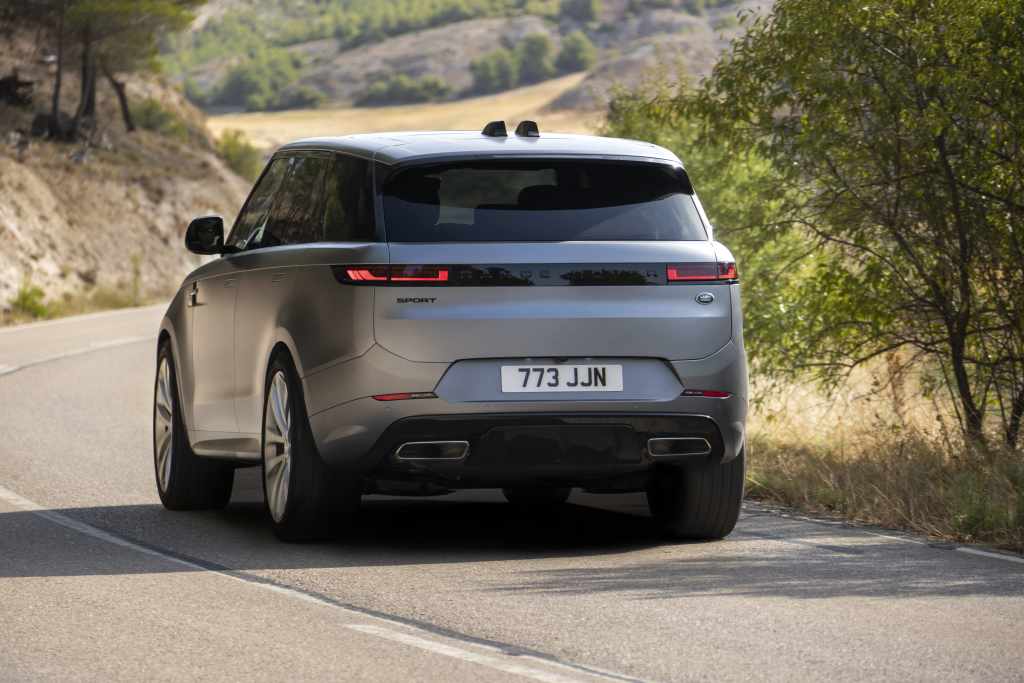
Big, expensive, and unapologetically opulent. Two titans of luxury off-roading. There’s the brand-new Lexus LX700h, now with hybrid muscle and a reputation for lasting longer than the scenery behind it. And next to it, the ever-so-English Range Rover. It’s as suave as it is sophisticated, the go-to chariot for the well-heeled and well-mannered. But here in Canada, where luxury meets snow drifts and 91 octane costs more than gold, which one actually makes more sense?

Design

The Lexus LX700h looks like it’s been carved out of a single block of steel. Sharp creases, dominating grille, and enough polished aluminum to blind a moose at sunrise. It’s unmistakably Japanese — bold, confident, and about as subtle as a hockey brawl. 

Meanwhile, the Range Rover keeps its minimalist elegance. That clean profile and floating roofline still turning heads since… forever. It’s less ‘look-at-me’ and more ‘I-own-a-private-island.’ 

If you’re after street presence, the Lexus wins for drama. But for pure class? The Range Rover takes it. No contest. 

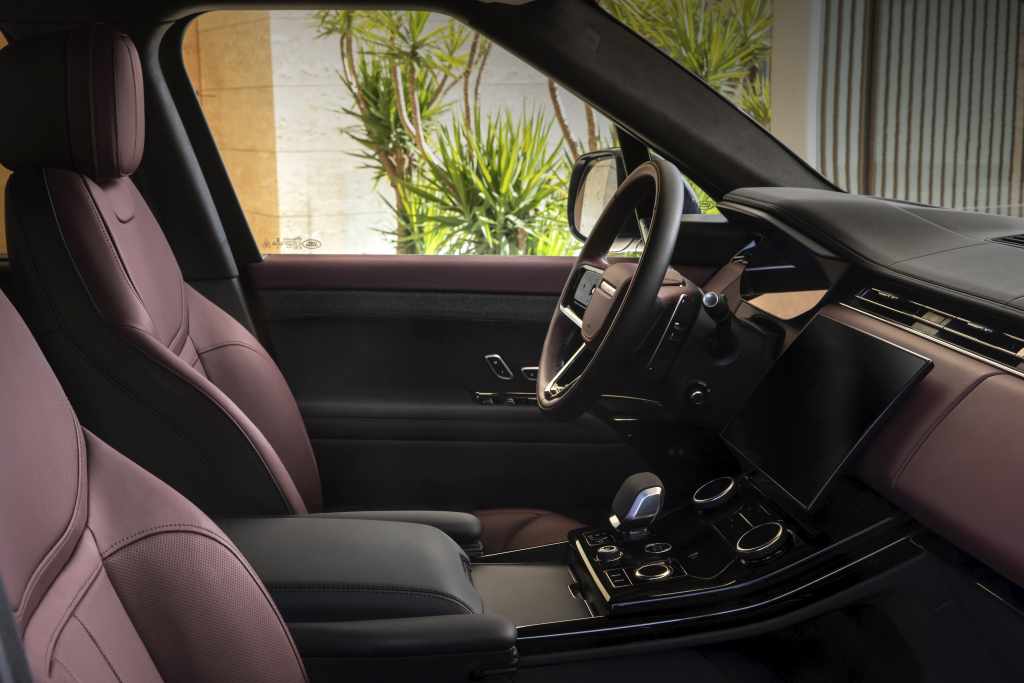
On the inside, the Range Rover’s cabin is an art gallery of understatement. Windsor leather options, 16-speaker Meridian 3D sound system, and a touchscreen that actually doesn’t make you pull your hair out. Add in heated, cooled, and massaging everything — including your ego.

With the long wheelbase option ticked off, the Range Rover seats 7 in utmost comfort, including those in the 3rd row. But if you skip the extra seats and go for the Executive Class rear setup, things get properly decadent. You get two individual recliners that heat, cool, and massage in near silence, separated by a full-length console with touchscreen controls and deployable walnut tables. It’s business-class travel with better suspension.

The LX700h stays true to its Land Cruiser roots. 7 seats, plenty of room for the kids, hockey gear, and a week’s worth of camping supplies. But the third row still feels more like a penalty box than a lounge. It’s very tight if you’re over 6 feet tall.

However, tick the box for the Executive VIP package, and it transforms the second row into something fit for royalty. Out go the three bench seats, and in come two enormous captain’s chairs with full recline, ottoman leg rests, ventilated and heated cushions, and even a built-in massage program. You also get a rear touchscreen control panel, separate climate zones, and a Mark Levinson sound system that somehow makes road noise vanish into thin air. It’s less family SUV and more private jet experience. 

Technology

On the tech side, both spoil you with toys. Adaptive cruise, lane guidance, 360-degree cameras, auto parking, and enough driver aids to make a pilot jealous. But the Range Rover’s tech feels more integrated, almost invisible. Its new Pivi Pro 2 infotainment runs on a 13.1-inch curved display that responds instantly. Add wireless updates, Alexa integration, and a digital key through your smartphone, and it starts to feel like you’re in Silicon Valley. Even the four-zone climate system can preheat or cool the cabin from your Range Rover app before you’ve even put on your coat. 

The Lexus takes a different approach. Less flash, more dependability. You still get all the assists like adaptive cruise, lane trace, blind-spot monitoring, and so on, but Lexus deliberately leaves a few physical controls in place, knowing some of us prefer a proper button when it’s minus twenty outside.  

Add in a head-up display, crisp cameras, and bulletproof consistency, and it’s technology that feels built to last, not just to impress. So yes, the Range Rover dazzles with screens and software. The Lexus? It just works — and in a Canadian winter, that might be the smarter kind of genius. 

Powertrain

Under the hood, the LX700h packs a 3.4L twin-turbo hybrid V6. 457 hp & 583 lb-ft of torque all sent through a 10-speed automatic transmission. 0-100 km/h takes around 6 seconds, which is not too bad for something that weighs as much as a small cottage. 

The hybrid system fills in the gaps between gear changes, so power arrives in an effortless wave. There’s no drama, just torque. It’s a smooth, electric shove that makes it feel smaller and lighter than it is. 

The LX rides on a body-on-frame chassis which means that it can shrug off small craters in the road. However, there’s no hiding that weight. You feel it through the turns. But it’s not trying to be sporty. It’s trying to be effortless, and in that way, it absolutely delivers. 

The Range Rover, on the other hand, doesn’t just have power; it has theatre. You can get it with a 395 hp inline-6 with a mild-hybrid system, or a 4.4L twin-turbo V8 with up to 607 hp. 0-100 km/h comes up in under five seconds, which is faintly ridiculous for something this tall, this heavy, and this dignified. 

Out on the road, the V8 feels endlessly smooth. There’s no real sense of turbo lag, just a deep well of torque from barely above idle. With the adaptive air suspension keeping the body flat, it corners with far more grace than its size suggests.  

It’s not the most efficient luxury SUV with a combined fuel economy rating of 12.9 L/100km for the V8 while the LX700h can achieve up to 11.7 L/100km combined. But you can opt for the plug-in hybrid version of the Range Rover with up to 90 km of gasoline-free driving range. Plug it in overnight, and you can do most weekday drives without burning a drop of fuel. 

Off-Road

Of course, all this luxury doesn’t mean much if you’re stranded the moment the pavement ends. And both of these beasts carry the kind of off-road reputation most crossovers can only dream about. 

The Lexus LX700h rides on proven Land Cruiser hardware, complete with full-time four-wheel drive, locking center differential, and multi-terrain select modes. Add in its hybrid torque delivery, crawl control, and a low range that’ll pull you up a rocky trail like a winch. 

The Range Rover, though, approaches off-roading with sophistication rather than brute strength. Its Terrain Response 2 system automatically adjusts air suspension, throttle, and traction control for whatever nature throws at it. And with up to 11.6 inches of ground clearance and a water wading depth over 35-inches, this thing could practically ford a small river on your drive to Whistler. 

Pricing

Now for the tough part, the price. The Lexus LX700h stars at $138,191 CAD with the top spec Executive VIP costing north of $173,000 CAD. 

The Range Rover starts at $133,000 CAD but once you add in every option, and there are A LOT of options, you’re easily looking at over $300,000 CAD.  

So, these are two different approaches to luxury. If you value bulletproof engineering, long-term reliability, and modest running costs, the Lexus is the smarter choice. But if you crave refinement, technology, and that intangible sense of prestige, the Range Rover still sits at the very top of the luxury food chain. 

One’s built to outlast civilization; the other, to rule it. Either way, lucky are those choosing between them.  

If you’d like to know more or test drive either of these luxury SUVs, please get in touch with us at OpenRoadAuto.com 


Comparing the updated 2026 Toyota bZ against the 2026 Volkswagen ID.4 

The electric crossover market has become one of the most competitive spaces in the automotive industry, and few models illustrate that better than the Toyota bZ and Volkswagen ID.4. Each represents a distinct approach to electrification. 

Design 

At first glance, these two take different approaches to exterior styling. The Toyota BZ mixes a modern and rugged design with its two-tone paint scheme and newly designed LED headlights. The Volkswagen ID.4 looks more traditional; more like a gasoline powered crossover SUV than an electric vehicle. 

The differences continue to the inside of each EV. The Toyota bZ’s interior design is quite different from any other electric vehicle. The center console and infotainment are pretty simple to use, but the driver instrumentation display and steering wheel are unlike anything else. It’s unique, but not everyone will love it. 

Interior space is good in the front seats, but rear occupant space is a bit less than the Volkswagen. It’s a similar story in the trunk with the ID.4 accommodating more cargo than the Toyota bZ. 

The Volkswagen ID.4 takes a simpler approach to interior design. But it may be a bit too simple for some. Volkswagen uses capacitive touch controls on the steering wheel which you may inadvertently touch while turning, which may change the radio station or turn up the radio volume. The climate also uses capacitive touch controls just underneath the infotainment touchscreen which can be a bit finnicky to use while driving. 

But when it comes to space, the ID.4 has the most amount of headroom and more rear legroom than the Toyota. Plus, it can swallow more family cargo in the back than the bZ. 

Powertrains 

You can get the ID.4 with up to 335 hp. That is with the larger battery pack and with AWD. The RWD version with the larger battery produces 282 hp while the base trim with the smaller battery produces 201 hp.   

To drive, the ID.4 feels like a German car should. It’s stable, smooth, and competent around corners.   

By comparison, the Toyota bZ doesn’t match the ID.4 when it comes to driving dynamics. At least, not the single motor version. Where the ID.4 has a RWD layout, the Toyota bZ has the electric motor powering the front wheels. This doesn’t make much difference in boring city traffic, but it does when you find yourself on twisty mountain roads. 

But the AWD version is a bit better to drive. For 2026, the bZ gets a huge bump in power. It goes from 214 hp to 338 hp. This makes the bZ more powerful than the ID.4 

Range & Charging 

The 2026 Toyota bZ also gains a more powerful on-board charger, 11 kW up from 6.6 kW. So, level 2 charging is going to be faster now. As for level 3 charging, it can take up to a maximum of 150 kW which means 10% to 80% takes just under half an hour. 

Moving to the Volkswagen ID.4, it can accept up to 175 kW of power but because it has a bigger battery than the bZ, it takes just under half an hour as well from 10% to 80% state of charge. 

As for the driving ranges when the batteries are topped up? The ID.4 can drive for up to 468 km in the RWD layout. The AWD dips to 423 km.  

As for the Toyota bZ, it’s the XLE AWD that has the most range with up to 468 km, just like the ID.4. The FWD version can only drive for up to 380 km. 

Pricing & Features 

When it comes to pricing, the Toyota bZ is the least expensive of the two. It starts at $45,990 which is actually a little bit less than the previous model year. That usually never happens. The Volkswagen ID.4 is a bit more expensive with a starting price of $48,495  

But if you opt for a fully loaded version of each, the Toyota bZ is still the least expensive at just under $62,000 while the ID.4 is just under $64,000. 

What features do you get for the $60,000+ price tag? Quite a few. Both are available with leatherette upholstery, heated & ventilated front seats, heated rear seats, wireless phone charging pad along with wireless Apple CarPlay & wireless Android Auto connectivity, dual-zone automatic climate control (3-zone in the Volkswagen), and surround view cameras among others. 

Each EV also has a few features that are unique to that model. For example, the Toyota bZ is available with radiant foot and leg heaters while the Volkswagen ID.4 is available with front massaging seats. 

So what’s the verdict? Well it comes down to your needs and preferences. The ID.4 is the conventional choice with a balanced driving demeanor and ride. While the Toyota bZ is the safe and reliable companion.  

If you’d like to learn more or test drive any of these cars, please get in touch with us at OpenRoadAuto.com


OpenRoad Auto Unveils New Brand Identity to Drive the Next 25 Years

Richmond, B.C., October 1, 2025 – OpenRoad Auto, formerly known as OpenRoad Auto Group, today announced a bold new brand identity, introducing refreshed brand values along with updated mission and vision statements that reflect the company’s evolution and its commitment to shaping the future of automotive retail. 

As it celebrates 25 years of growth and innovation this year, OpenRoad Auto is embracing its next chapter with a simplified name and a sharpened focus on creating a forward-thinking automotive experience for customers, team members, and communities. 

“OpenRoad Auto represents both our origins and our future,” said Christian Chia, CEO of OpenRoad Auto. “Our new identity honours the relationships and trust we’ve built over the past 25 years, while positioning us to grow further as a company.” 

OpenRoad Auto’s new brand values – Humility, Integrity, Inventiveness, and Care – serve as the guiding foundation for each interaction and decision made across the organization. These values reflect the company’s commitment to doing what’s right, staying curious in searching for a better way, and fostering trusted relationships with customers, employees, and communities. 

Alongside its new name and values, OpenRoad Auto has unveiled a refreshed mission and vision: 

  • Mission: Drive possibilities with trusted relationships and a better automotive experience. 
  • Vision: Drive possibilities for everyone in our communities. 

The company’s very first location in Canada opened in 1978 in Richmond, B.C., where its head office remains today. In 2000 with just two dealerships, the company rebranded to OpenRoad Auto Group, and has since grown to become B.C.’s largest automotive retail group and one of the fastest-growing in Canada. OpenRoad Auto represents 17 automotive brands across 36 full-service retail locations, including 29 dealerships and seven collision centres in British Columbia and Ontario.  

“This milestone is about more than a name and logo change,” added Chia. “It’s about defining who we are today and the possibilities we’re creating for the future. It’s also a recommitment to our customers, our employees, and our communities that humility, integrity, inventiveness, and care will always be at the heart of everything we do.” 


About OpenRoad Auto 

Founded in 2000, OpenRoad Auto is B.C.’s largest automotive dealership group with over 2,100 associates representing 17 quality automotive brands at 36 full-service retail locations, including 29 Canadian auto retailers and seven collision centres in B.C. and Ontario. OpenRoad Auto offers car buyers and owners an experiential automotive retail service. We believe in making car ownership more rewarding and driving possibilities with trusted relationships and a better automotive experience. With a focus on innovation and lifelong relationships, OpenRoad offers free memberships in the Club OpenRoad loyalty points program. In 2023, OpenRoad launched its philanthropic arm, OpenRoad Foundation. 

Media Contact: 
Sophia Cheng 
OpenRoad Auto 
press@openroadautogroup.com 
604-828-3102 


The Most Anticipated EVs of 2026

The electric vehicle market is accelerating. Automakers are positioning several new models for launch in 2026 that aim to push range, performance, charging speed, design innovation, and affordability. These EVs reflect maturing battery technology and increasing competition. Below are some of the top EVs to watch for in 2026. 

Acura RSX 

The Acura RSX was a fun sports car back in the early 2000’s. In 2026, Acura is reviving the RSX name but it will be on the back of a new electric crossover. The 2026 RSX will join the ZDX in Acura’s growing EV portfolio. The new RSX will be built on Acura/Honda’s new dedicated EV platform with assembly in Ohio. Expect to see the RSX at OpenRoad Acura Richmond in the second half of 2026. 

Hyundai IONIQ 6 N 

Following the success of the IONIQ 5 N, the IONIQ 6 N will bring supercar performance in the shape of a sleek electric sedan. The 6 N will adopt the same dual-motor powertrain with up to 641 hp on tap and a 0-100 km/h time of around 3.2 seconds. Like the IONIQ 5 N, the IONIQ 6 N will replicate virtual gear changes and simulate engine sounds for a more thrilling driving experience. Expect to see the Hyundai IONIQ 6 N at OpenRoad Hyundai Richmond’s showroom in early 2026. 

BMW iX3 

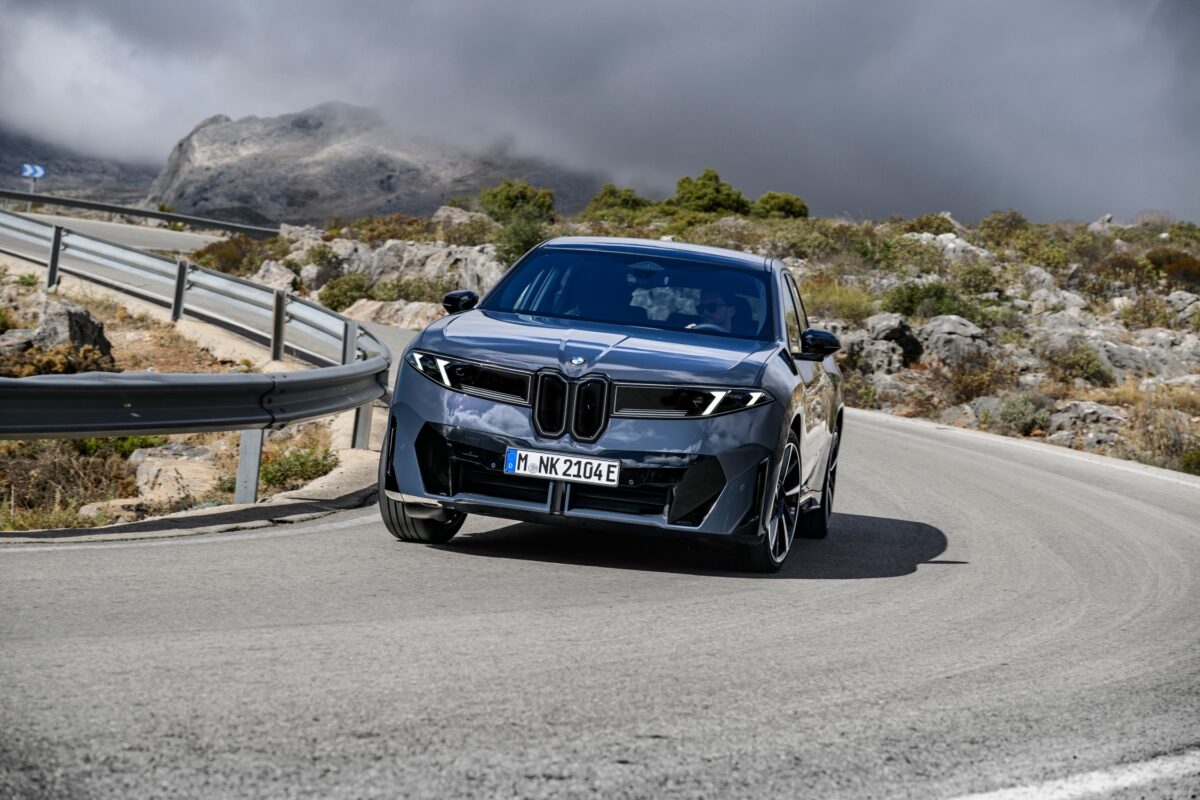
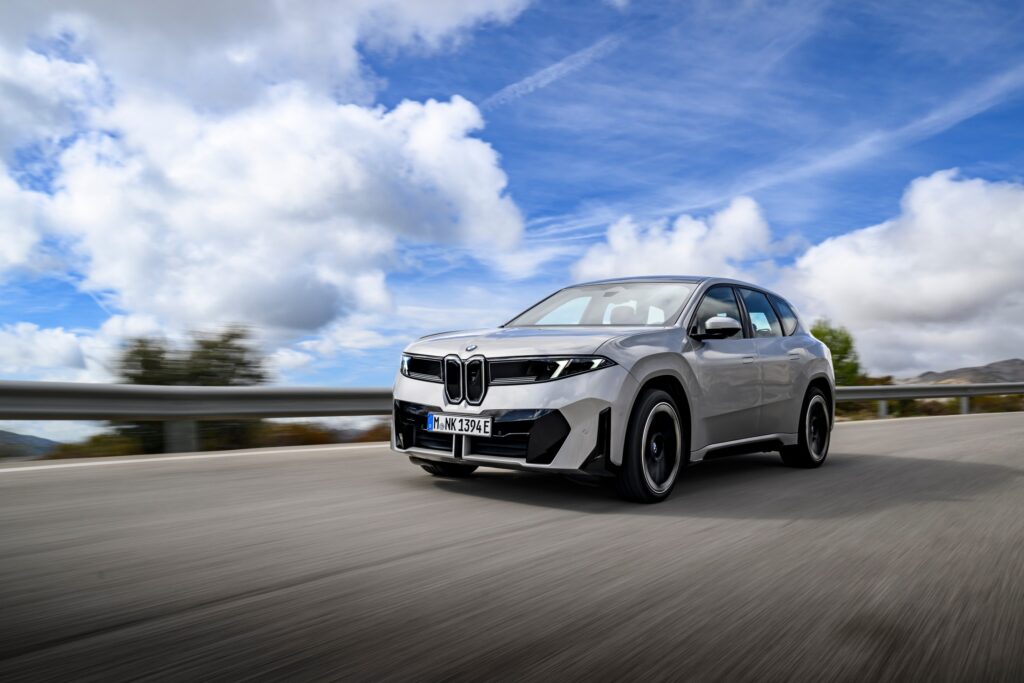
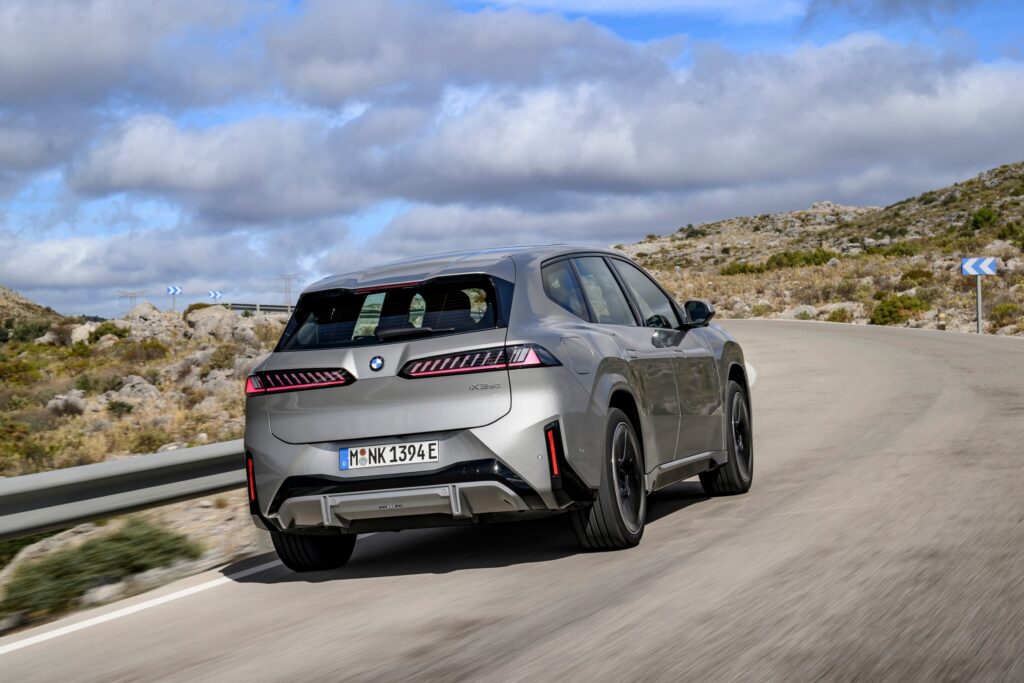
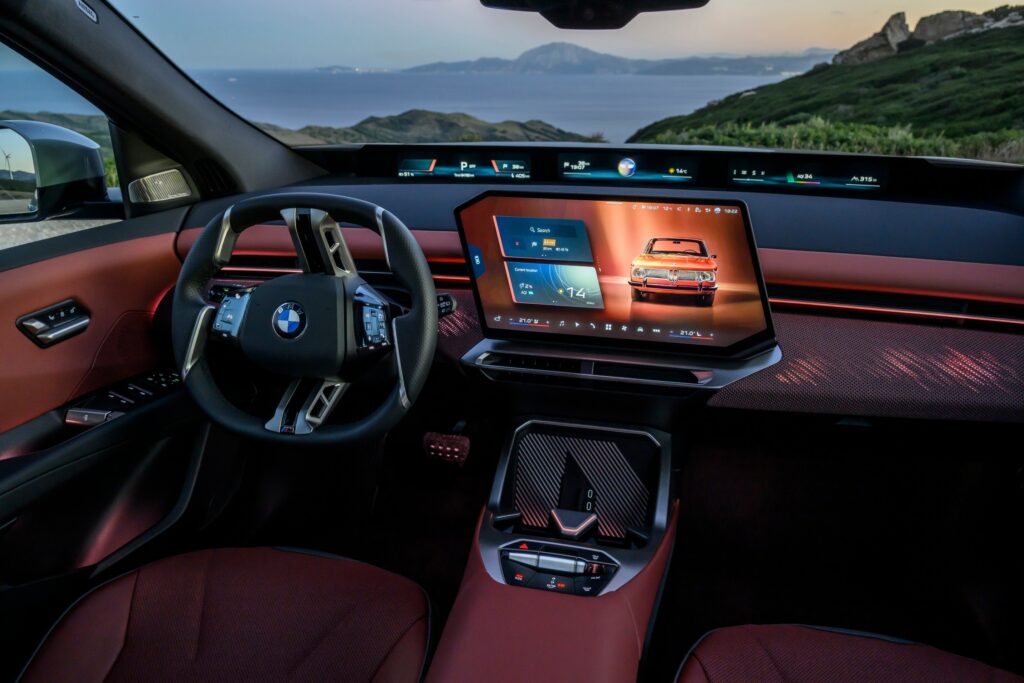
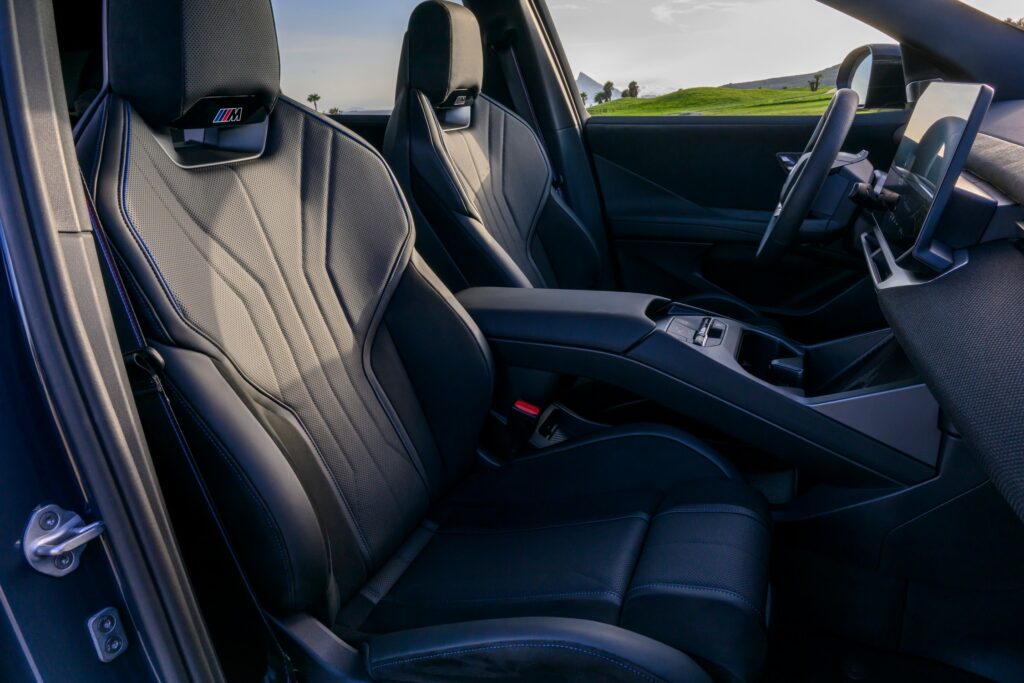
Based on the Vision Neue Klasse Concept, the iX3 will be a smaller version of the popular iX electric SUV in the brand’s portfolio. The new iX3 ushers in a new design era with slimmer BMW kidney grilles and a simplified interior. Boasting up to 463 hp, the iX3 will be a quick EV and it will allow for long road trips thanks to an estimated driving range of up to 650 km. The 2026 BMW iX3 will arrive at The BMW Store Vancouver and BMW Langley in Spring of 2026. 

Lexus ES 

Entering its 8th generation, the 2026 Lexus ES will be offered for the first time as a battery electric vehicle alongside a new hybrid powertrain. Available with FWD or AWD, the electric versions of the 2026 ES will have an estimate driving range of up to 480 km, but Lexus has not yet released power figures. Inside, the 14-inch touchscreen is the center focal point of the dashboard along with two new Lexus design elements. Bamboo Layering recreates the depth and flow of natural bamboo using 3D printing while Synthetic Leather Embossing pairs sharp embossing with ambient lighting to enhance the cabin’s clean, elegant atmosphere. Sales of the 2026 Lexus ES will start in early 2026 at OpenRoad Lexus Richmond, OpenRoad Lexus Port Moody, and Lexus of London.  

Toyota C-HR 

The Toyota C-HR returns as a compact electric crossover alongside the Toyota bZ4X. The 2026 C-HR features a coupe-like profile with an eye-catching design that is similar to the Toyota Crown Signia. It will be available as a FWD with 221 hp or AWD with 338 hp and an electric driving range of up to 500 km. No word on pricing but you can expect to see it in one of our 6 OpenRoad Toyota showrooms across BC and Ontario in early 2026.  

Subaru Uncharted 

Just as the Solterra is based on the bZ4X, the all-new Uncharted is based on the equally new C-HR EV. The Subaru Uncharted sports the same updated design as its Solterra bigger brother. But with its smaller size and available AWD system, it will sprint from a stop to 100 km/h in around 5 seconds. Subaru is estimating up to 500 km of driving range for the FWD version and a little bit less with the dual-motor AWD version. Expect to see the new Uncharted at OpenRoad Subaru Boundary in early 2026. 

Mercedes-Benz GLC-Class Electric 

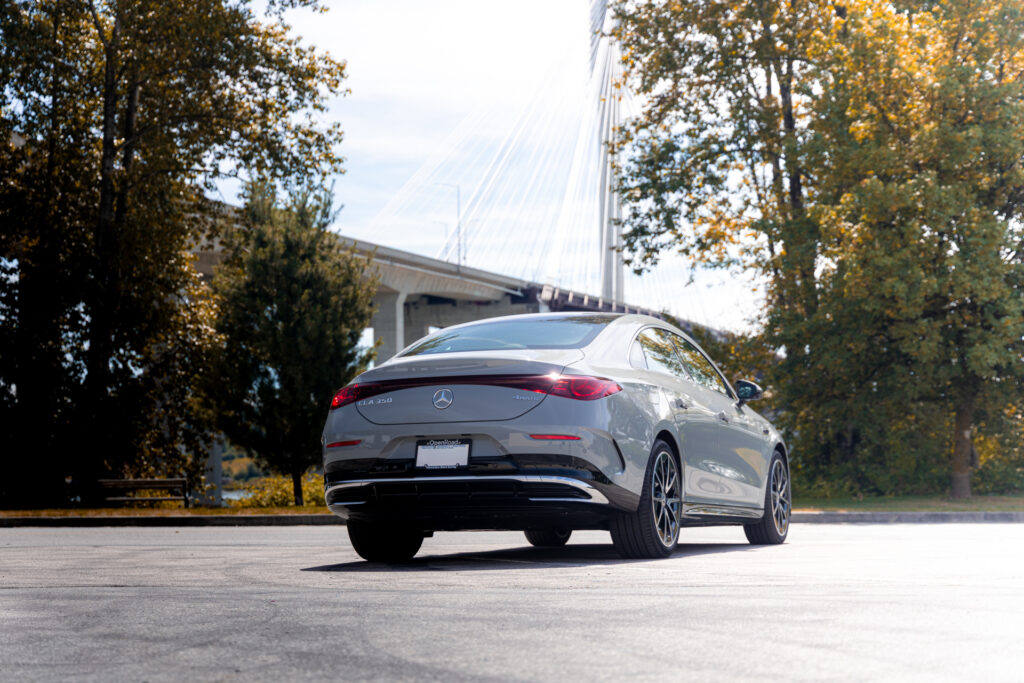
The Mercedes-Benz GLC-class is one of the most popular SUVs in the brand’s portfolio, so it comes as no surprise that an electric version is on the horizon. Dubbed the GLC SUV with EQ Technology, it will be a pivotal shift in the brand’s EV portfolio. The GLC EQ will feature a brand-new iteration of the Hyperscreen that is currently available in some EQ models. It will also integrate a new 4th generation infotainment system and AI based voice controls. Powering the new GLC class with EQ Technology will be a 94-kWh battery pack providing up to 483 hp and a new two-speed transmission. The 2027 Mercedes-Benz GLC with EQ Technology is expected to arrive at OpenRoad Mercedes-Benz Surrey sometime in 2026.