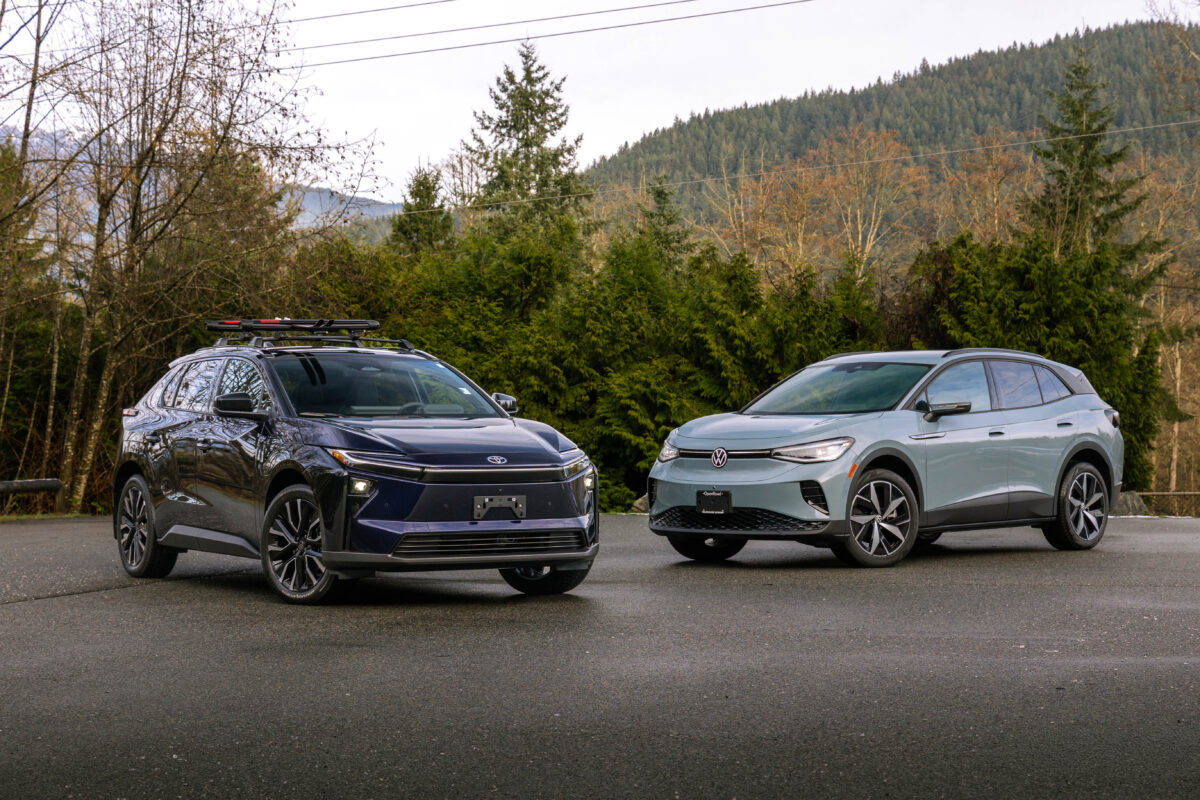
Comparing the updated 2026 Toyota bZ against the 2026 Volkswagen ID.4 

The electric crossover market has become one of the most competitive spaces in the automotive industry, and few models illustrate that better than the Toyota bZ and Volkswagen ID.4. Each represents a distinct approach to electrification. 

Design 
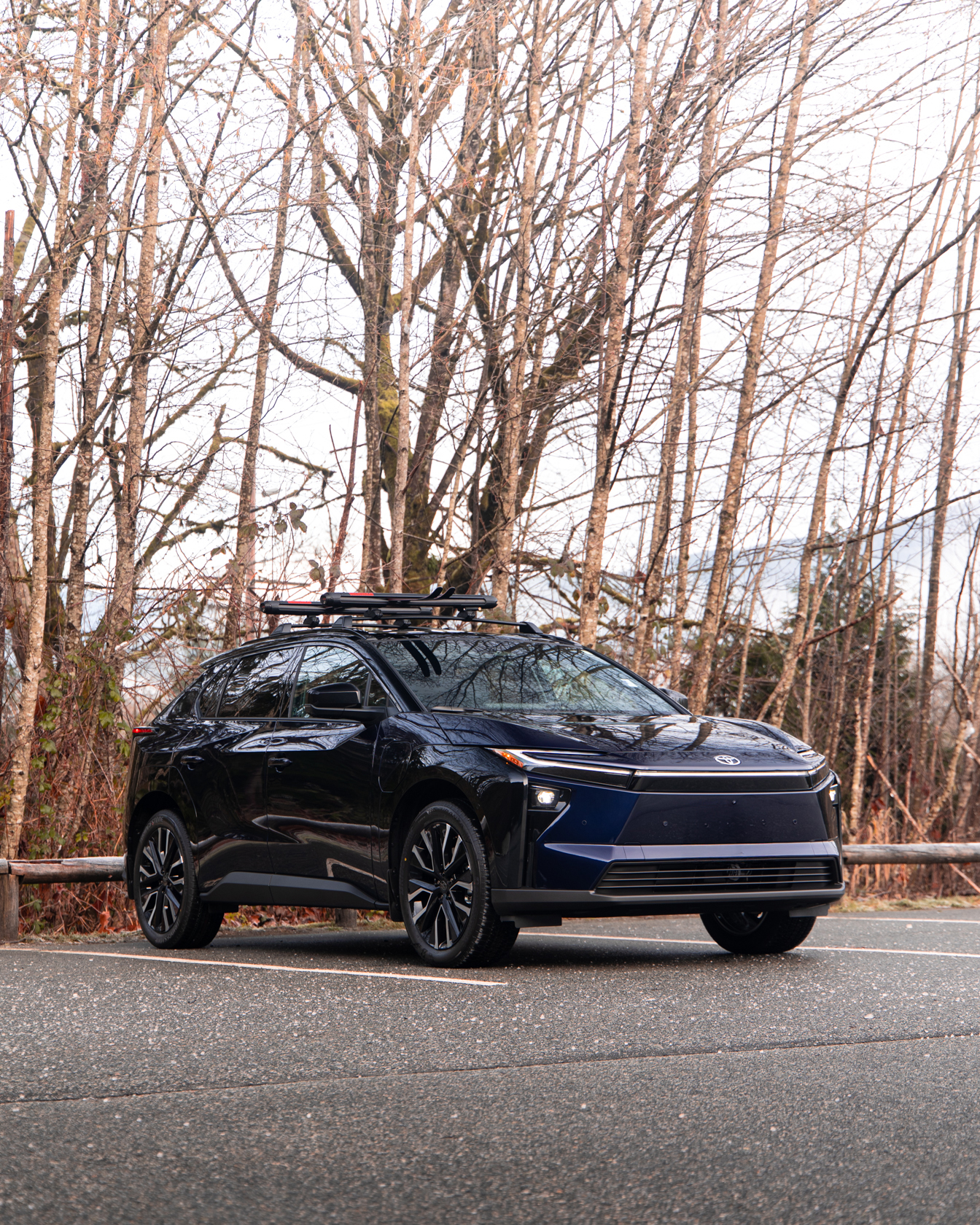
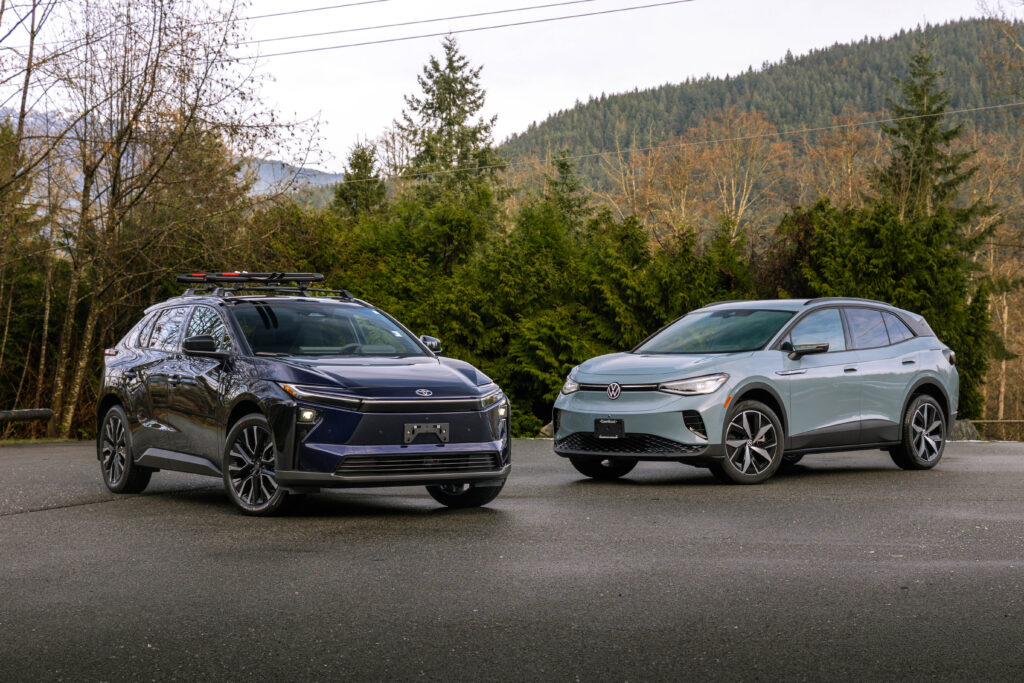
At first glance, these two take different approaches to exterior styling. The Toyota BZ mixes a modern and rugged design with its two-tone paint scheme and newly designed LED headlights. The Volkswagen ID.4 looks more traditional; more like a gasoline powered crossover SUV than an electric vehicle. 

The differences continue to the inside of each EV. The Toyota bZ’s interior design is quite different from any other electric vehicle. The center console and infotainment are pretty simple to use, but the driver instrumentation display and steering wheel are unlike anything else. It’s unique, but not everyone will love it. 

Interior space is good in the front seats, but rear occupant space is a bit less than the Volkswagen. It’s a similar story in the trunk with the ID.4 accommodating more cargo than the Toyota bZ. 

The Volkswagen ID.4 takes a simpler approach to interior design. But it may be a bit too simple for some. Volkswagen uses capacitive touch controls on the steering wheel which you may inadvertently touch while turning, which may change the radio station or turn up the radio volume. The climate also uses capacitive touch controls just underneath the infotainment touchscreen which can be a bit finnicky to use while driving. 

But when it comes to space, the ID.4 has the most amount of headroom and more rear legroom than the Toyota. Plus, it can swallow more family cargo in the back than the bZ. 

Powertrains 

You can get the ID.4 with up to 335 hp. That is with the larger battery pack and with AWD. The RWD version with the larger battery produces 282 hp while the base trim with the smaller battery produces 201 hp.   

To drive, the ID.4 feels like a German car should. It’s stable, smooth, and competent around corners.   

By comparison, the Toyota bZ doesn’t match the ID.4 when it comes to driving dynamics. At least, not the single motor version. Where the ID.4 has a RWD layout, the Toyota bZ has the electric motor powering the front wheels. This doesn’t make much difference in boring city traffic, but it does when you find yourself on twisty mountain roads. 

But the AWD version is a bit better to drive. For 2026, the bZ gets a huge bump in power. It goes from 214 hp to 338 hp. This makes the bZ more powerful than the ID.4 

Range & Charging 

The 2026 Toyota bZ also gains a more powerful on-board charger, 11 kW up from 6.6 kW. So, level 2 charging is going to be faster now. As for level 3 charging, it can take up to a maximum of 150 kW which means 10% to 80% takes just under half an hour. 

Moving to the Volkswagen ID.4, it can accept up to 175 kW of power but because it has a bigger battery than the bZ, it takes just under half an hour as well from 10% to 80% state of charge. 

As for the driving ranges when the batteries are topped up? The ID.4 can drive for up to 468 km in the RWD layout. The AWD dips to 423 km.  

As for the Toyota bZ, it’s the XLE AWD that has the most range with up to 468 km, just like the ID.4. The FWD version can only drive for up to 380 km. 
Pricing & Features 

When it comes to pricing, the Toyota bZ is the least expensive of the two. It starts at $45,990 which is actually a little bit less than the previous model year. That usually never happens. The Volkswagen ID.4 is a bit more expensive with a starting price of $48,495  

But if you opt for a fully loaded version of each, the Toyota bZ is still the least expensive at just under $62,000 while the ID.4 is just under $64,000. 

What features do you get for the $60,000+ price tag? Quite a few. Both are available with leatherette upholstery, heated & ventilated front seats, heated rear seats, wireless phone charging pad along with wireless Apple CarPlay & wireless Android Auto connectivity, dual-zone automatic climate control (3-zone in the Volkswagen), and surround view cameras among others. 

Each EV also has a few features that are unique to that model. For example, the Toyota bZ is available with radiant foot and leg heaters while the Volkswagen ID.4 is available with front massaging seats. 

So what’s the verdict? Well it comes down to your needs and preferences. The ID.4 is the conventional choice with a balanced driving demeanor and ride. While the Toyota bZ is the safe and reliable companion.  

If you’d like to learn more or test drive any of these cars, please get in touch with us at OpenRoadAuto.com. 


OpenRoad Auto Unveils New Brand Identity to Drive the Next 25 Years

Richmond, B.C., October 1, 2025 – OpenRoad Auto, formerly known as OpenRoad Auto Group, today announced a bold new brand identity, introducing refreshed brand values along with updated mission and vision statements that reflect the company’s evolution and its commitment to shaping the future of automotive retail. 

As it celebrates 25 years of growth and innovation this year, OpenRoad Auto is embracing its next chapter with a simplified name and a sharpened focus on creating a forward-thinking automotive experience for customers, team members, and communities. 

“OpenRoad Auto represents both our origins and our future,” said Christian Chia, CEO of OpenRoad Auto. “Our new identity honours the relationships and trust we’ve built over the past 25 years, while positioning us to grow further as a company.” 

OpenRoad Auto’s new brand values – Humility, Integrity, Inventiveness, and Care – serve as the guiding foundation for each interaction and decision made across the organization. These values reflect the company’s commitment to doing what’s right, staying curious in searching for a better way, and fostering trusted relationships with customers, employees, and communities. 

Alongside its new name and values, OpenRoad Auto has unveiled a refreshed mission and vision: 

  • Mission: Drive possibilities with trusted relationships and a better automotive experience. 
  • Vision: Drive possibilities for everyone in our communities. 

The company’s very first location in Canada opened in 1978 in Richmond, B.C., where its head office remains today. In 2000 with just two dealerships, the company rebranded to OpenRoad Auto Group, and has since grown to become B.C.’s largest automotive retail group and one of the fastest-growing in Canada. OpenRoad Auto represents 17 automotive brands across 36 full-service retail locations, including 29 dealerships and seven collision centres in British Columbia and Ontario.  

“This milestone is about more than a name and logo change,” added Chia. “It’s about defining who we are today and the possibilities we’re creating for the future. It’s also a recommitment to our customers, our employees, and our communities that humility, integrity, inventiveness, and care will always be at the heart of everything we do.” 


About OpenRoad Auto 

Founded in 2000, OpenRoad Auto is B.C.’s largest automotive dealership group with over 2,100 associates representing 17 quality automotive brands at 36 full-service retail locations, including 29 Canadian auto retailers and seven collision centres in B.C. and Ontario. OpenRoad Auto offers car buyers and owners an experiential automotive retail service. We believe in making car ownership more rewarding and driving possibilities with trusted relationships and a better automotive experience. With a focus on innovation and lifelong relationships, OpenRoad offers free memberships in the Club OpenRoad loyalty points program. In 2023, OpenRoad launched its philanthropic arm, OpenRoad Foundation. 

Media Contact: 
Sophia Cheng 
OpenRoad Auto 
press@openroadautogroup.com 
604-828-3102 


The Most Anticipated EVs of 2026

The electric vehicle market is accelerating. Automakers are positioning several new models for launch in 2026 that aim to push range, performance, charging speed, design innovation, and affordability. These EVs reflect maturing battery technology and increasing competition. Below are some of the top EVs to watch for in 2026. 

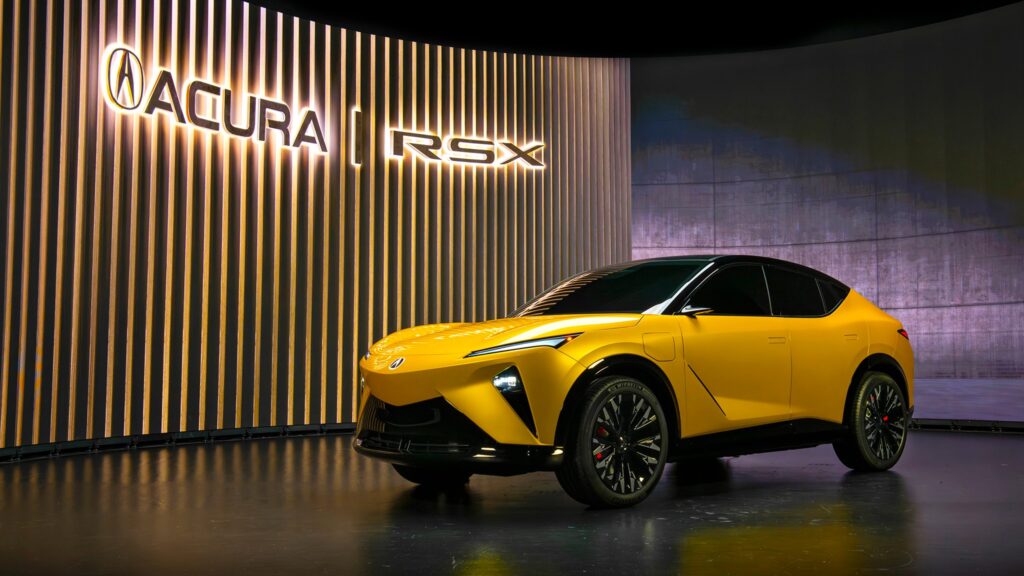
Acura RSX 

The Acura RSX was a fun sports car back in the early 2000’s. In 2026, Acura is reviving the RSX name but it will be on the back of a new electric crossover. The 2026 RSX will join the ZDX in Acura’s growing EV portfolio. The new RSX will be built on Acura/Honda’s new dedicated EV platform with assembly in Ohio. Expect to see the RSX at OpenRoad Acura Richmond in the second half of 2026. 

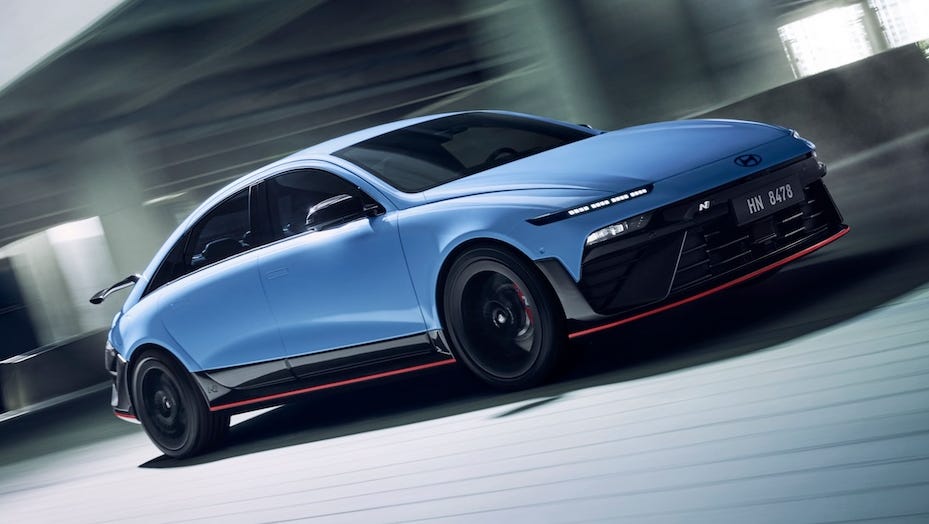
Hyundai IONIQ 6 N 

Following the success of the IONIQ 5 N, the IONIQ 6 N will bring supercar performance in the shape of a sleek electric sedan. The 6 N will adopt the same dual-motor powertrain with up to 641 hp on tap and a 0-100 km/h time of around 3.2 seconds. Like the IONIQ 5 N, the IONIQ 6 N will replicate virtual gear changes and simulate engine sounds for a more thrilling driving experience. Expect to see the Hyundai IONIQ 6 N at OpenRoad Hyundai Richmond’s showroom in early 2026. 

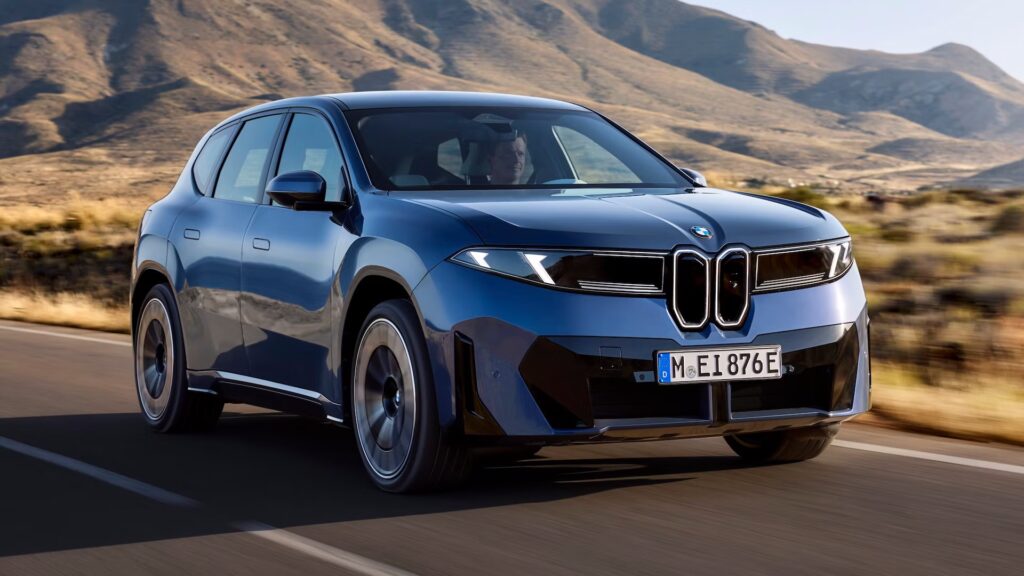
BMW iX3 

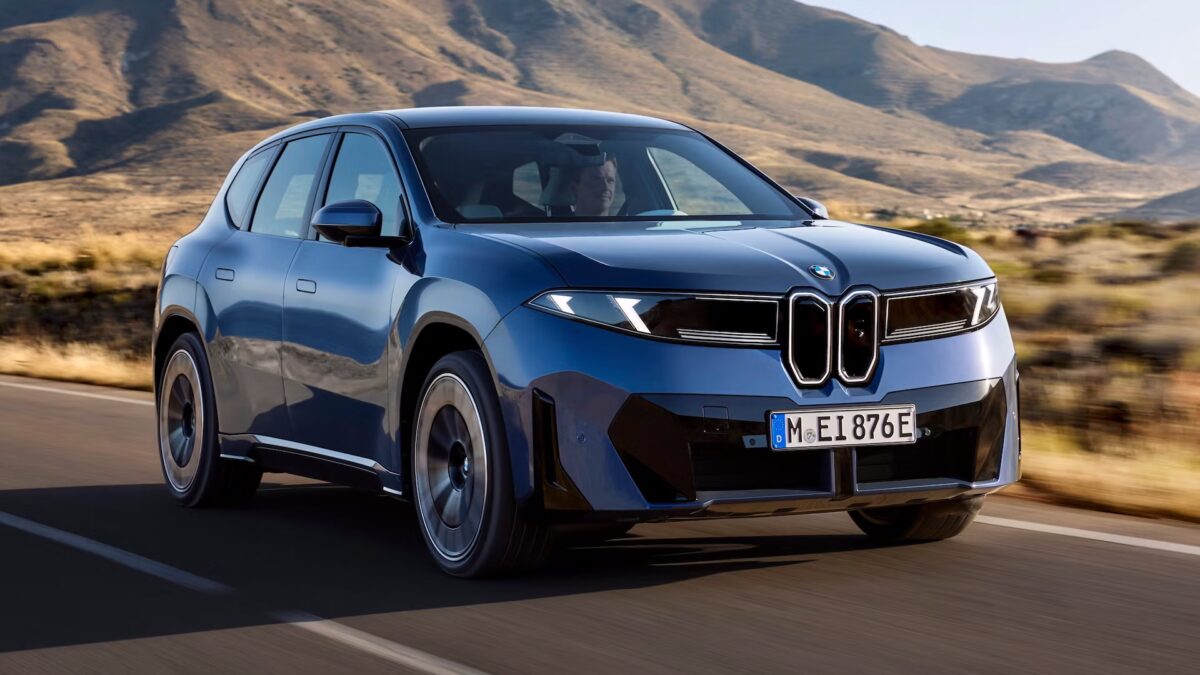
Based on the Vision Neue Klasse Concept, the iX3 will be a smaller version of the popular iX electric SUV in the brand’s portfolio. The new iX3 ushers in a new design era with slimmer BMW kidney grilles and a simplified interior. Boasting up to 463 hp, the iX3 will be a quick EV and it will allow for long road trips thanks to an estimated driving range of up to 650 km. The 2026 BMW iX3 will arrive at The BMW Store Vancouver and BMW Langley in Spring of 2026. 

Lexus ES 

Entering its 8th generation, the 2026 Lexus ES will be offered for the first time as a battery electric vehicle alongside a new hybrid powertrain. Available with FWD or AWD, the electric versions of the 2026 ES will have an estimate driving range of up to 480 km, but Lexus has not yet released power figures. Inside, the 14-inch touchscreen is the center focal point of the dashboard along with two new Lexus design elements. Bamboo Layering recreates the depth and flow of natural bamboo using 3D printing while Synthetic Leather Embossing pairs sharp embossing with ambient lighting to enhance the cabin’s clean, elegant atmosphere. Sales of the 2026 Lexus ES will start in early 2026 at OpenRoad Lexus Richmond, OpenRoad Lexus Port Moody, and Lexus of London.  

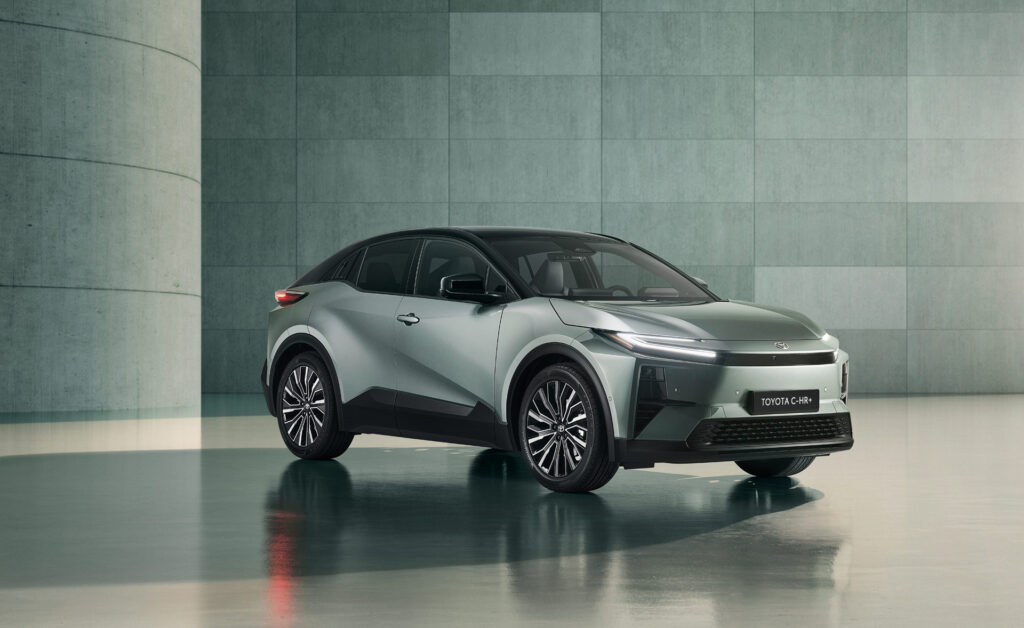
Toyota C-HR 

The Toyota C-HR returns as a compact electric crossover alongside the Toyota bZ4X. The 2026 C-HR features a coupe-like profile with an eye-catching design that is similar to the Toyota Crown Signia. It will be available as a FWD with 221 hp or AWD with 338 hp and an electric driving range of up to 500 km. No word on pricing but you can expect to see it in one of our 6 OpenRoad Toyota showrooms across BC and Ontario in early 2026.  

Subaru Uncharted 

Just as the Solterra is based on the bZ4X, the all-new Uncharted is based on the equally new C-HR EV. The Subaru Uncharted sports the same updated design as its Solterra bigger brother. But with its smaller size and available AWD system, it will sprint from a stop to 100 km/h in around 5 seconds. Subaru is estimating up to 500 km of driving range for the FWD version and a little bit less with the dual-motor AWD version. Expect to see the new Uncharted at OpenRoad Subaru Boundary in early 2026. 

Mercedes-Benz GLC-Class Electric 

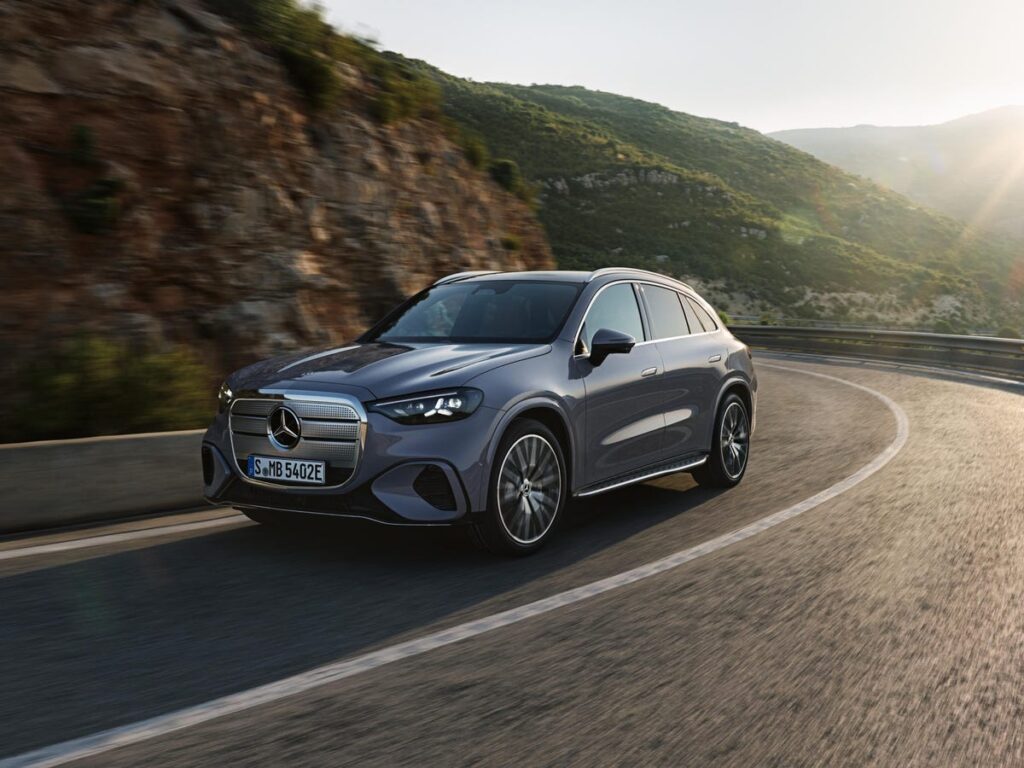
The Mercedes-Benz GLC-class is one of the most popular SUVs in the brand’s portfolio, so it comes as no surprise that an electric version is on the horizon. Dubbed the GLC SUV with EQ Technology, it will be a pivotal shift in the brand’s EV portfolio. The GLC EQ will feature a brand-new iteration of the Hyperscreen that is currently available in some EQ models. It will also integrate a new 4th generation infotainment system and AI based voice controls. Powering the new GLC class with EQ Technology will be a 94-kWh battery pack providing up to 483 hp and a new two-speed transmission. The 2027 Mercedes-Benz GLC with EQ Technology is expected to arrive at OpenRoad Mercedes-Benz Surrey sometime in 2026. 


OpenRoad Auto Adds ThinkFleet to its Growing Portfolio

Richmond, B.C., August 26, 2025 – OpenRoad Auto continues to grow its industry footprint with the recent addition of ThinkFleet, a fast-growing commercial automotive fleet management company designed for Canadian small to medium-sized businesses.

Founded in 2017 by Steve Cook, ThinkFleet was created to fill a gap in fleet maintenance management and over the years grew a strong reputation for end-to-end personalized commercial fleet management services, with a speciality in vehicle acquisition and leasing services for clients with commercial cargo vans and pick-up trucks.

“At OpenRoad Auto, we are focused on strategic ventures that not only strengthen our portfolio but also position us for the future of automotive services,” explains Christian Chia, CEO of OpenRoad Auto. “ThinkFleet is a natural fit with our vision, expanding the value we deliver to our existing and new customers.”

The upcoming enhancement to the ThinkFleet fleet maintenance program will feature an industry-leading driver app, advanced telematics integration, a modern fuel card, and expanded maintenance and repair services from ThinkFleet’s service advisors.

In addition, a key focus for OpenRoad Auto will be expanding its commercial automotive leasing and finance partners, including OpenRoad’s own in-house leasing company and various specialist commercial lenders.

The addition of ThinkFleet was spearheaded by OpenDay Ventures, led by its President and COO Ben Lovie. Lovie will also act as ThinkFleet’s Chief Business Officer and work alongside Steve Cook.

Lovie says, “With ThinkFleet, we’re committed to providing the very best commercial terms to business owners when acquiring vehicles for their fleet, while continuing the personalized customer service and proactive vehicle care the team have been providing since day one. Steve’s leadership has been instrumental in building ThinkFleet, and we are excited to have him continue with the team.”

“I’m excited for this next chapter of ThinkFleet and look forward to working with OpenRoad Auto to build upon what I started back in 2017,” adds Cook. “OpenRoad brings decades of top-tier sales and service operations experience to the table, and I know our customers will see immediate benefits.” To learn more about ThinkFleet, please visit www.thinkfleet.ca.

-30-

ABOUT OPENDAY VENTURES

Founded in 2023 and based in Richmond, B.C., OpenDay Ventures is a growth equity firm dedicated to supporting Canada’s most promising automotive entrepreneurs. The firm invests $100,000 to $5 million in promising growth orientated automotive service delivery companies. With a leadership team experience founding and acquiring more than 40 businesses across Canada, OpenDay is an experienced operational growth partner. www.opendayventures.com

ABOUT OPENROAD AUTO

Founded in 2000, OpenRoad Auto is B.C.’s largest automotive dealership group with over 2,100 associates representing 17 quality automotive brands at 36 full-service retail locations, including 29 Canadian auto retailers in B.C. and Ontario, and seven collision centres. OpenRoad Auto offers car buyers and owners an experiential automotive retail service. With sales and service in multiple languages, OpenRoad Auto encourages a car buying experience based on Unlimited Possibilities Ahead. With a focus on innovation and lifelong relationships, OpenRoad offers free memberships in the Club OpenRoad loyalty points program. In 2023, OpenRoad Group launched its philanthropic arm, OpenRoad Foundation.

OpenRoad is proud to be one of Canada’s Best Managed Companies, a CADA Laureate, and the recipient of multiple Canadian Best Employer Awards.

Openroadautogroup.com Instagram: @openroadca | Facebook: OpenRoadAutoGroup | YouTube: openroadautogroup


The 2026 Hyundai IONIQ 9 is the Electric 3-Row You’ve Been Waiting For.

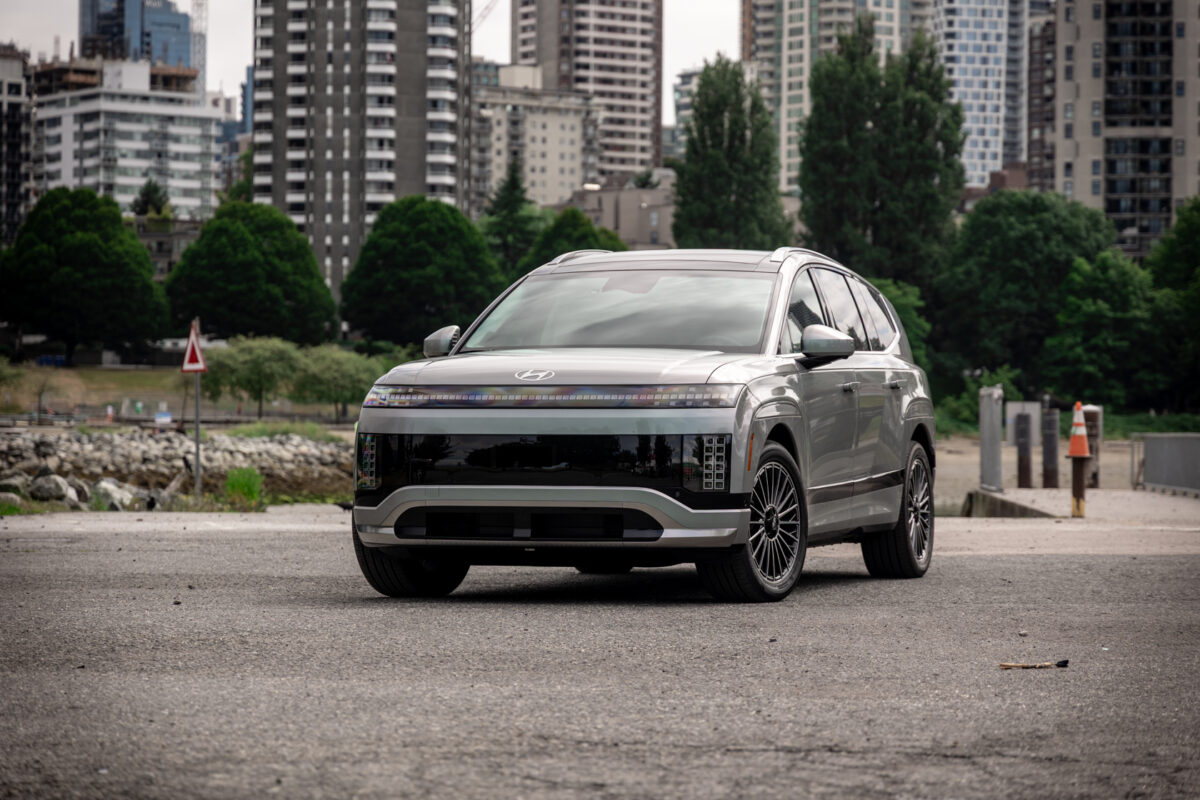
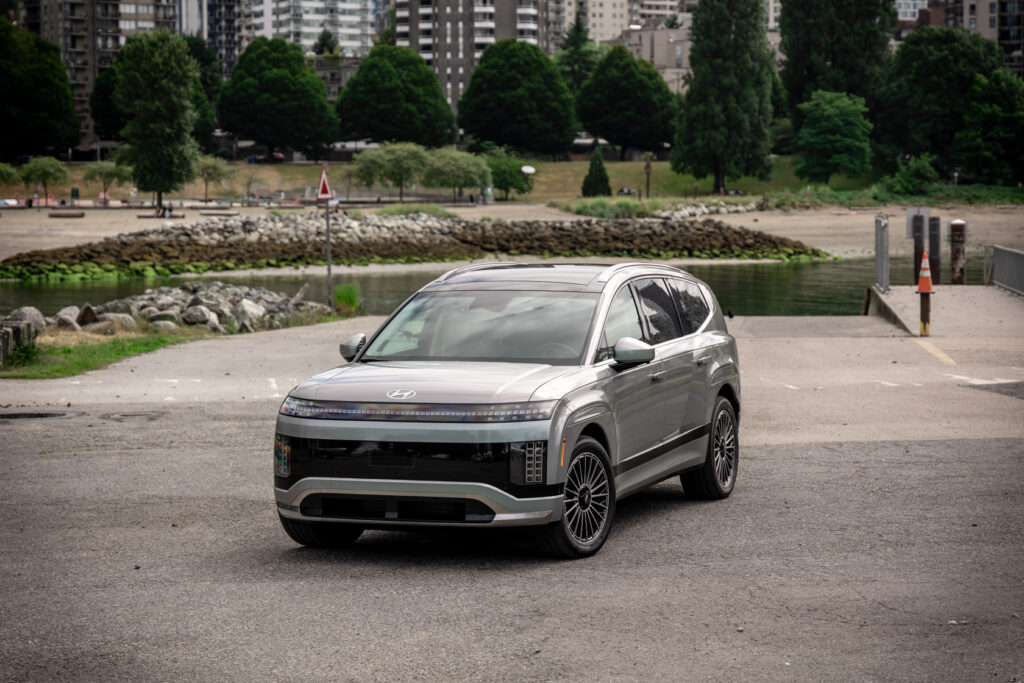
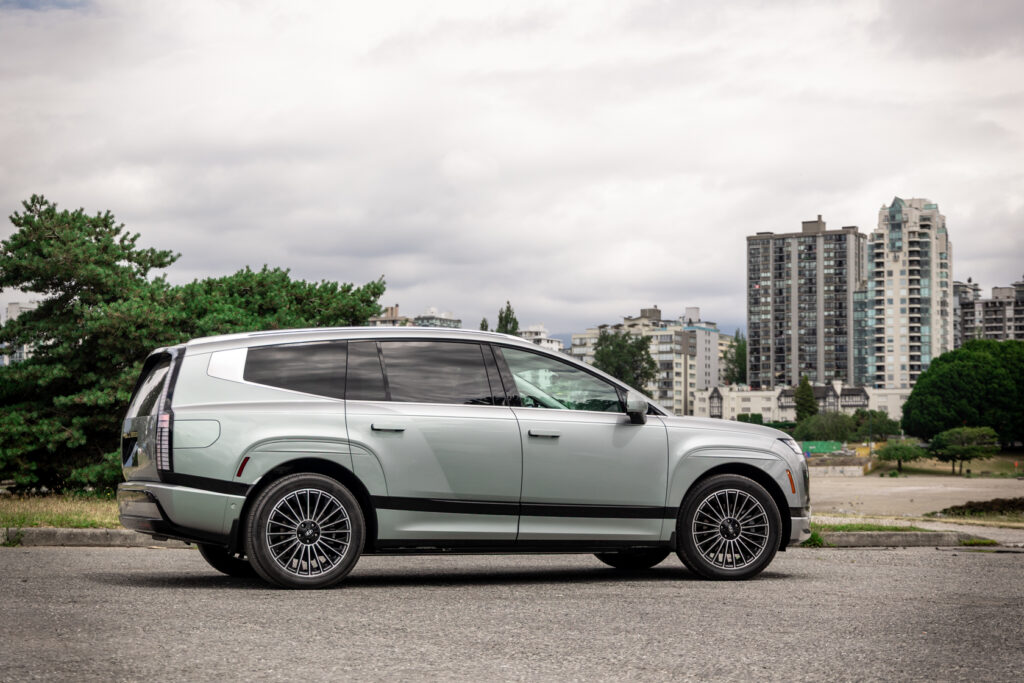
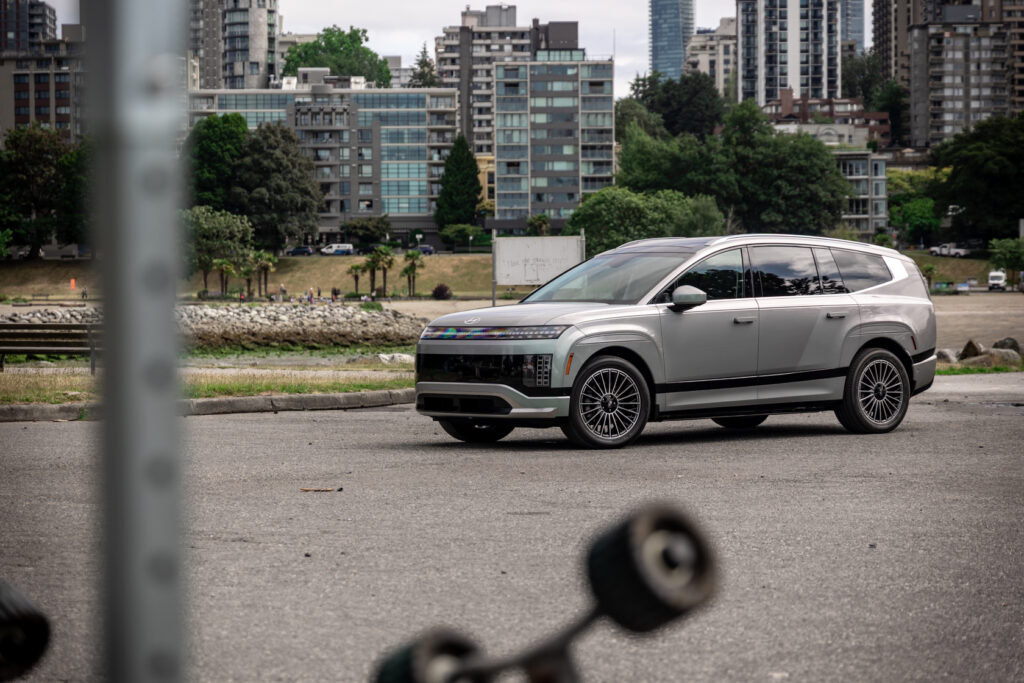
The all-new IONIQ 9 joins Hyundai’s award-winning EV lineup. It is a large 3-row electric SUV with an eye-catching exterior and a spacious 6 or 7 passenger interior. 

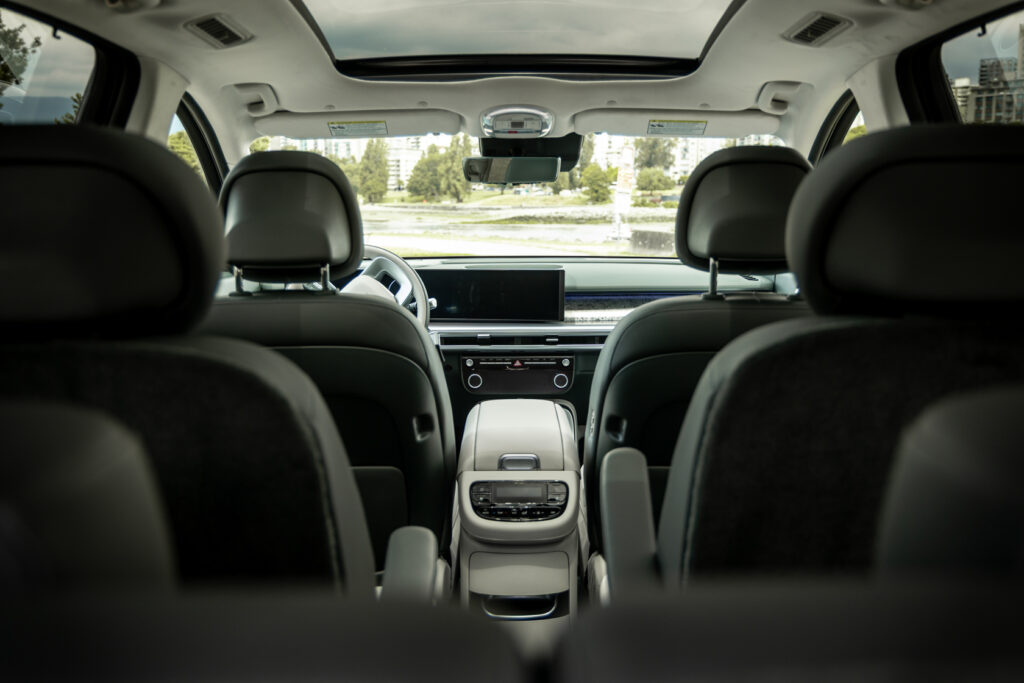
The IONIQ 9’s lounge-like atmosphere is created through elliptical elements and calming tones, while natural light streams through the panoramic sunroof. Passengers can experience exceptional roominess with ample second- and third-row space. 

The flat floor accommodates flexible seating arrangements for six or seven occupants, while Relaxation Seats in the first and second rows offer full recline capability with leg rests — perfect for relaxing while recharging. 

Speaking of charging, the IONIQ 9 has a 110.3 kWh battery pack in the floor with an 800-Volt architecture. The higher Voltage enables the IONIQ 9’s battery to be recharged at a faster rate for a longer period of time without needing to worry about excessive heat build-up in the battery pack. With charging speeds of up to 350 kW, the IONIQ 9 can be recharged in as little as 24 minutes from 10% to 80%.  

Additionally, the IONIQ 9 adopts the NACS charging plug. This is more commonly known as a Tesla charging plug which will enable the SUV to be charged up from any one of the thousands of Tesla Superchargers across Canada and the United States. 

Once the SUV is charged up, it can be driven for over 500 km. Best of all, the 500+ km driving range is for all trim levels. This is achieved through its sleek exterior design which has an overall drag coefficient of 0.269. To put it into perspective, that is the same drag coefficient as the much smaller Toyota Prius. 

It’s not just about efficiency though, the Hyundai IONIQ 9 is a powerful 3-row SUV as well. The dual-motor AWD+ variant produces as much as 422 hp and has a 0-100 km/h time of just 5 seconds. Regular AWD models produce 303 hp while the RWD version produces 215 hp. In addition, the Hyundai IONIQ 9 can tow up to 5,000 lbs. 

The IONIQ 9 delivers a luxurious and refined driving experience thanks to its smooth and comfortable ride. Its suspension has been specially designed for this electric SUV, featuring a MacPherson strut front and multi-link rear setup along with self-leveling dampers. 

Inside, IONIQ 9’s cabin is a haven of tranquility, thanks to the triple door seals, acoustic glass, sound-absorbing tires and Active Noise Control technology. These features effectively suppress wind and road noise, particularly at highway speeds. 

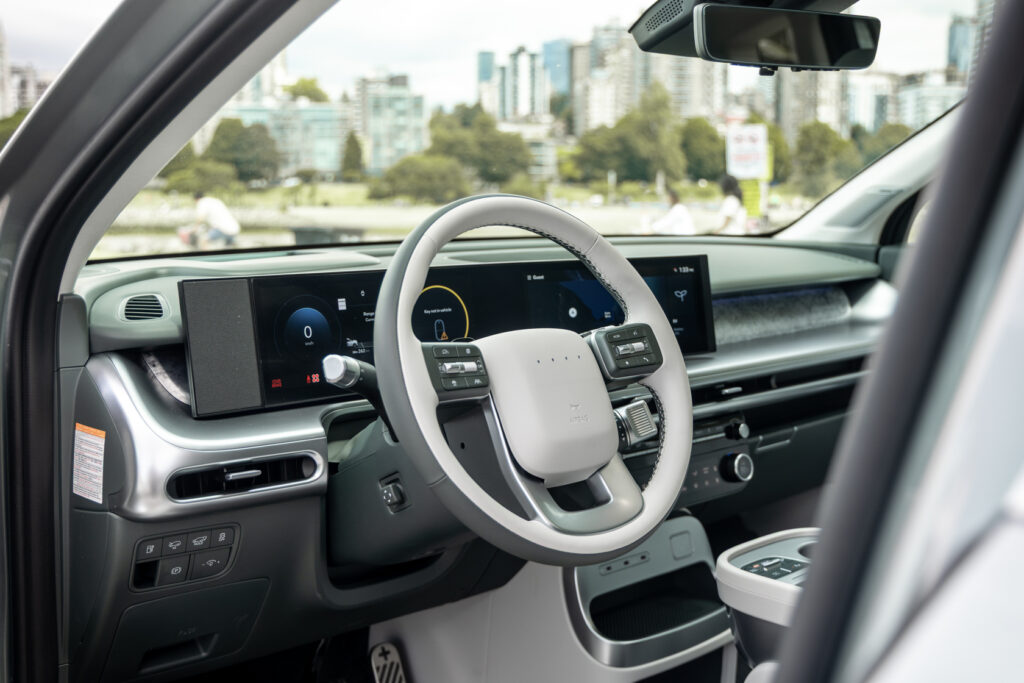
Sticking with the interior, the IONIQ 9’s cabin design is reminiscent of the IONIQ 5’s with a simple dual-screen layout. Both the driver instrumentation and infotainment touchscreen measure 12.3” diagonally. Climate controls, USB ports, and small item storage bins are conveniently located right underneath the infotainment touchscreen. For a bit of extra space, the center console can slide forwards or backwards for easier access by the 2nd row occupants and to allow a passthrough in between the front seats. 

The 3-row SUV incorporates a route planner which will display charging stations along your planned trip and estimate the battery state of charge when you reach a charging station and your destination. The Hyundai IONIQ 9 can also power external electronics such as a small coffee machine with its V2L technology. This can make family camping a much more luxurious experience. 

The 2026 Hyundai IONIQ 9 starts at $59,999 with the top spec Ultimate Calligraphy trim costing $81,499 and this new EV is available right now at OpenRoad Hyundai Richmond.