2027 BMW iX3 Neue Klasse Review: The Ultimate Driving Machine Enters a New Era

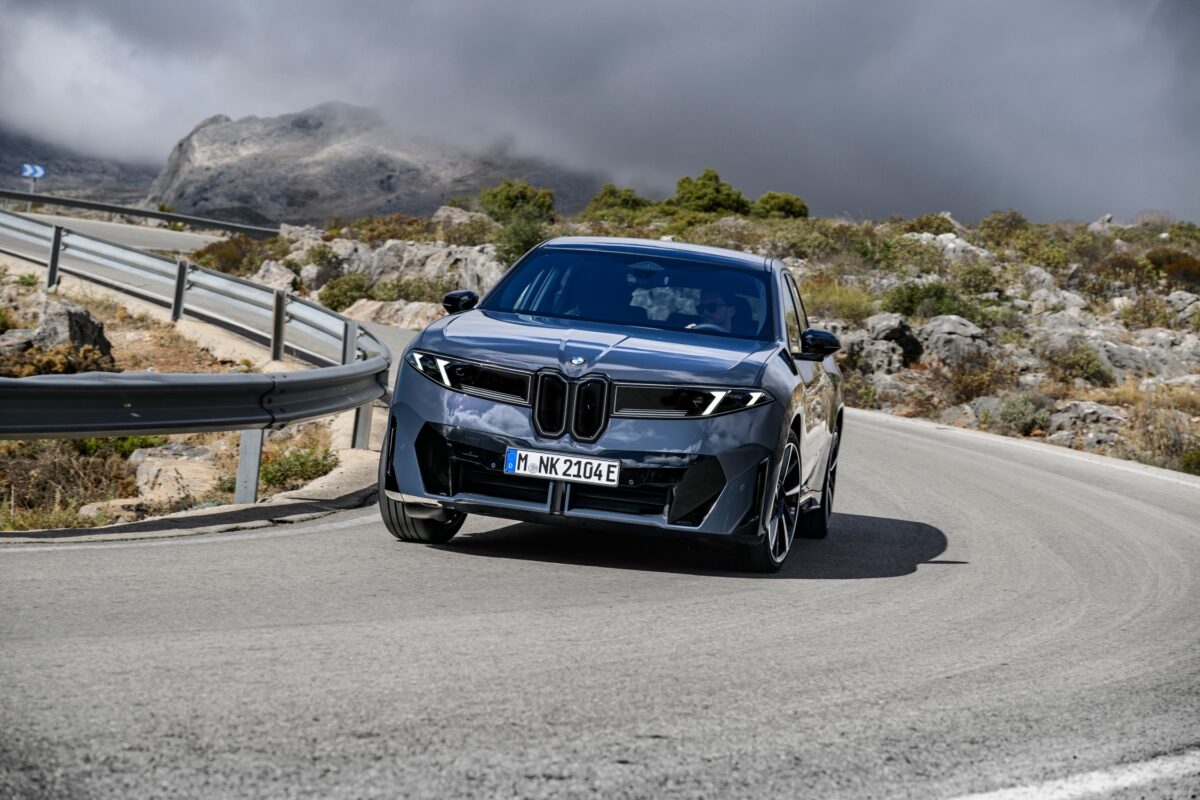
For decades, BMW adhered to a legendary automotive formula. The brand built its reputation by pairing lightweight chassis with spirited rear-wheel drive systems and high-revving engines that screamed past 7,000 RPM. However, as the automotive industry shifts toward complete electrification, BMW has decided that simple evolution is no longer sufficient. Enter the all-new 2027 BMW iX3, the groundbreaking debut vehicle of the brand’s ‘Neue Klasse’ generation. Featuring a pillar-to-pillar glass dashboard display, an massive next-generation battery, and a radical front-end design, the iX3 represents a full-scale revolution aimed at determining whether the Ultimate Driving Machine can thrive as the Ultimate Charging Machine.
Power, Performance, and the “Heart of Joy” Supercomputer
At launch, the BMW iX3 is offered exclusively in the 50 xDrive trim level. The iconic xDrive badging signifies a dual-motor all-wheel-drive powertrain generating an impressive 463 horsepower and 476 lb-ft of torque. This electric setup rockets the SUV from zero to 100 km/h in just 4.9 seconds, delivering instant power and athletic straight-line performance.
Behind the scenes, BMW has fundamentally rewritten vehicle computing architecture. Traditional automobiles rely on multiple isolated control units for the engine, braking, and steering. In contrast, the iX3 centralizes these operations into a single ultra-fast processor known as the “Heart of Joy”. Processing dynamic data ten times faster than previous BMW platforms, this central brain predicts road conditions and driver inputs in real time, granting the SUV remarkably agile handling.
Braking performance receives a similar high-tech upgrade with BMW’s Soft-Stop technology. The system seamlessly blends regenerative braking with traditional friction brakes, eliminating the abrupt jerk often felt in electric vehicles as they come to a complete halt. Because the calibration is so finely tuned, roughly 98 percent of everyday braking is handled entirely through energy recuperation. This dramatically reduces mechanical wear and tear, translating to significantly fewer brake maintenance visits over the life of the vehicle.
Suspension Tuning and Hands-Free Driving Intelligence
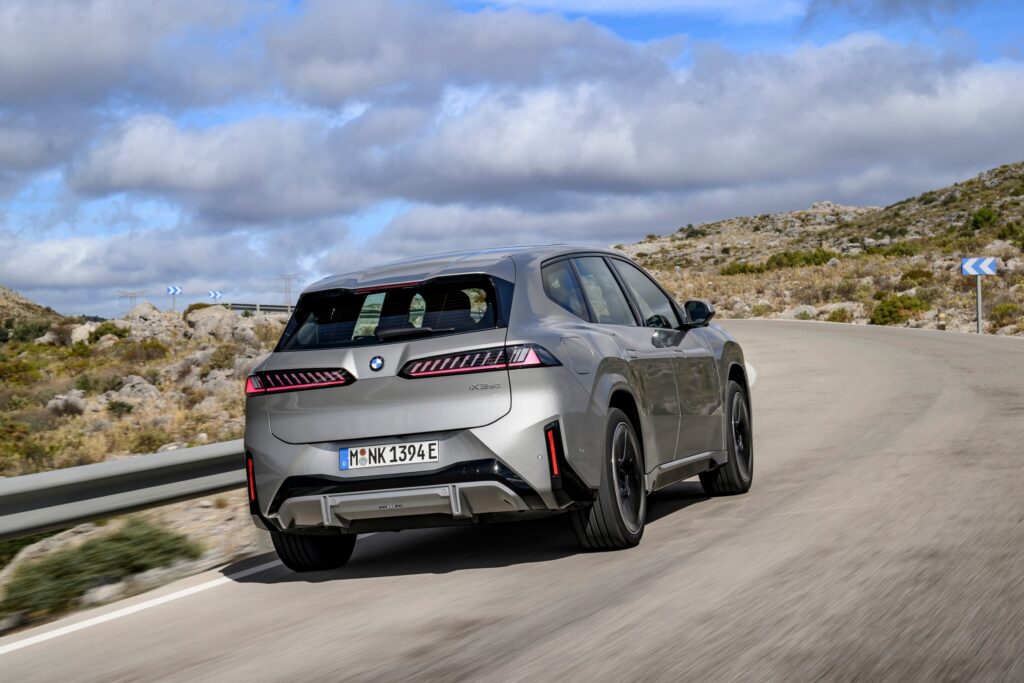
To ensure long-distance comfort on unpredictable road surfaces, BMW equipped the iX3 with a newly engineered Hydraulic Cushion Suspension. While utilizing a traditional mechanical arrangement rather than complex air springs, the dampers are specifically valved to absorb sharp pothole impacts. Even when equipped with optional 21-inch alloy wheels, the ride retains classic BMW tautness, striking a harmonious middle ground between the floating softness of a traditional luxury limousine and the overly stiff ride of competing electric SUVs.
On open highways, the iX3 offers semi-autonomous driving capabilities via an advanced hands-free driving assistant. On compatible divided highways, drivers can safely remove their hands from the steering wheel while maintaining active visual attention on the road ahead.
The system also introduces an intuitive eye-tracking lane change feature. When the iX3 approaches slower traffic and detects an open adjacent lane, it prompts the driver with a lane-change suggestion. To execute the maneuver, the driver simply checks the corresponding side mirror; upon registering the driver’s glance, the car automatically signals and completes the lane change smoothly.
Next-Generation 800V Architecture and Canadian Cold-Weather Range
Engineered to excel across vast distances and extreme winter climates, the iX3 debuts BMW’s sixth-generation eDrive battery technology built on a high-efficiency 800-volt electrical architecture. When connected to a 400-kW DC ultra-fast charger, the battery can replenish from 10 to 80 percent state-of-charge in just 21 minutes.
The heart of the system is a 109 kWh battery pack that achieves an NRCan-certified range rating of up to 698 kilometers on a single charge. This provides sufficient range for long highway road trips with ample margin remaining. Furthermore, the sixth-generation cylindrical battery cells deliver 20 percent higher energy density. This technology helps offset typical cold-weather efficiency drops during severe Canadian winters, giving drivers dependable range figures year-round.
Bold Exterior Styling and the “Neue Klasse” Aesthetic
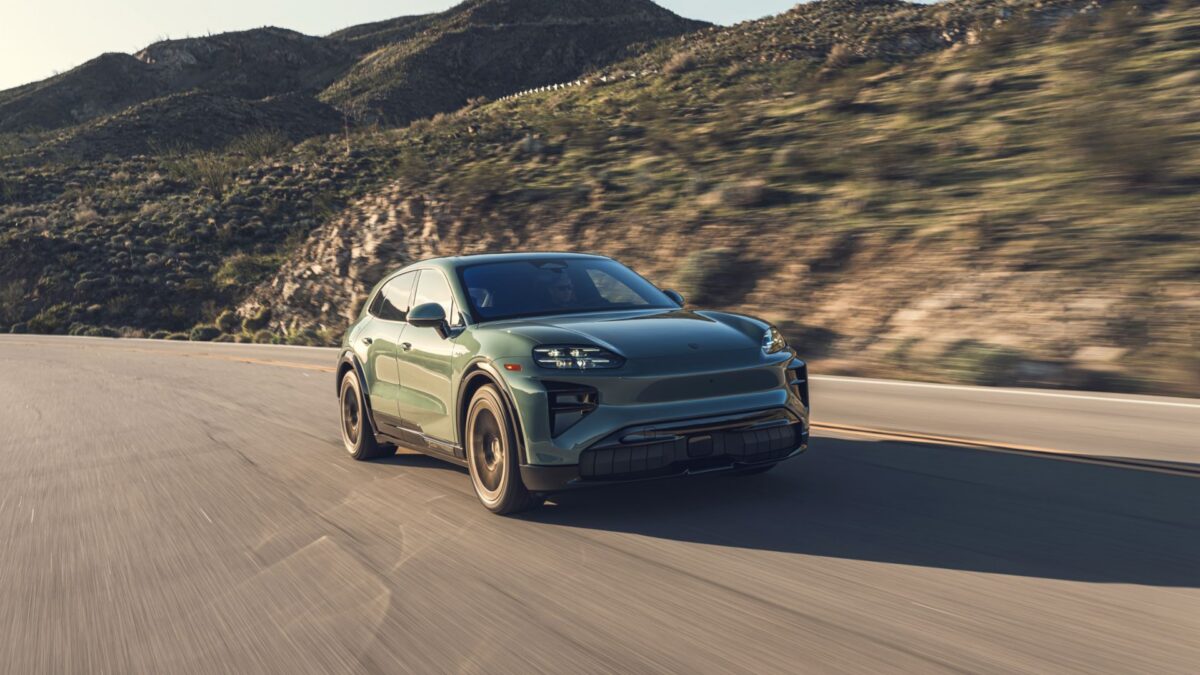
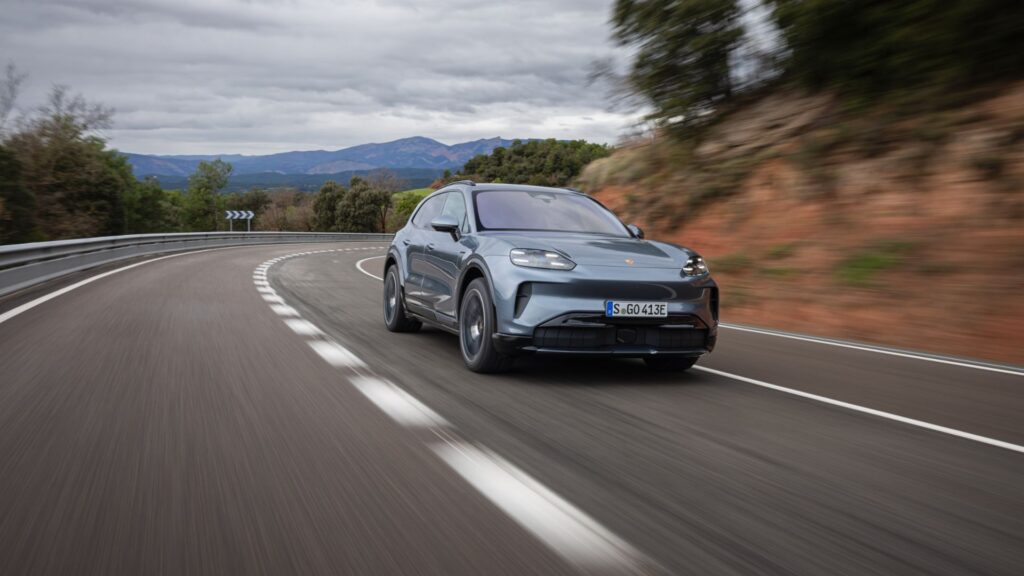
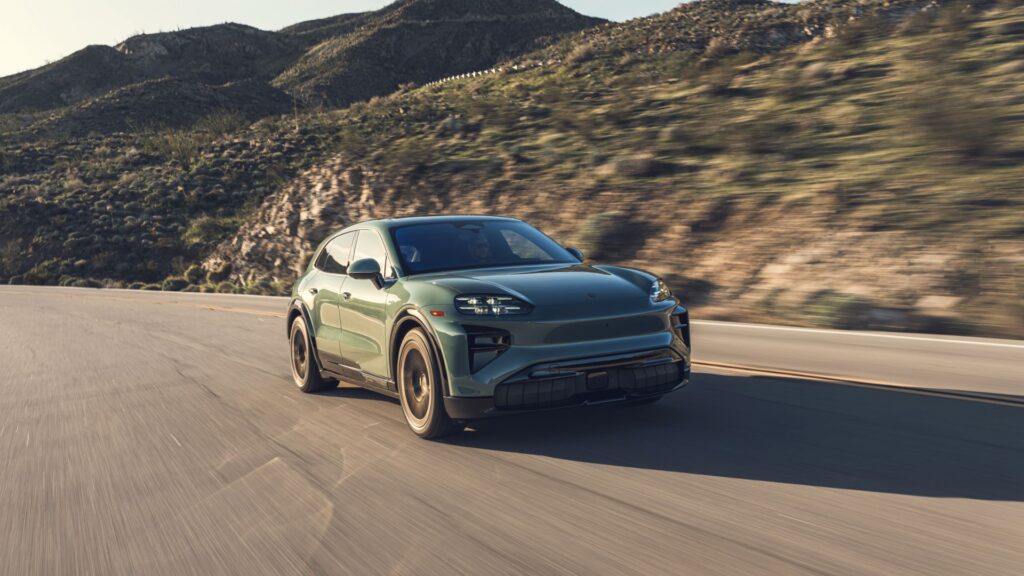
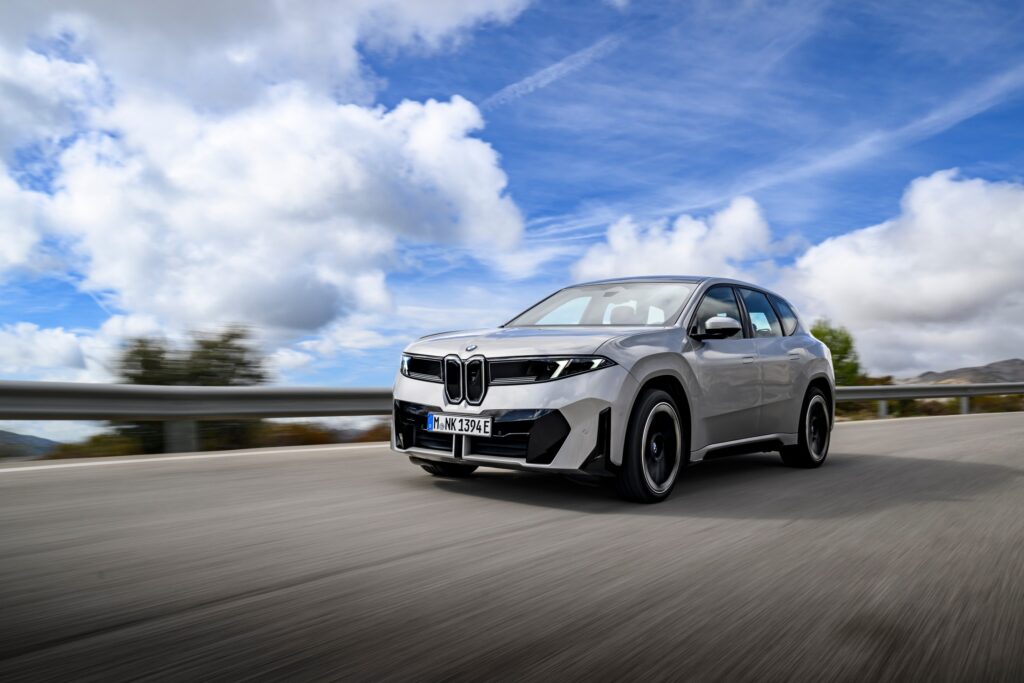
Extensively redesigned from the ground up, the exterior styling of the iX3 introduces a dramatic new design language for the brand. The iconic BMW kidney grille has been reinterpreted as a tall, vertical element flanked by sleek light clusters.
A high-gloss dark accent panel bridges the space between the vertical grille and outer headlights, creating a striking visual signature across the front fascia. The overall silhouette balances sharp geometric body lines with aerodynamic efficiency, establishing a distinct road presence that sets the Neue Klasse lineup apart from conventional luxury crossovers.
Futuristic Interior Architecture, Panoramic Vision, and Tech Quirks
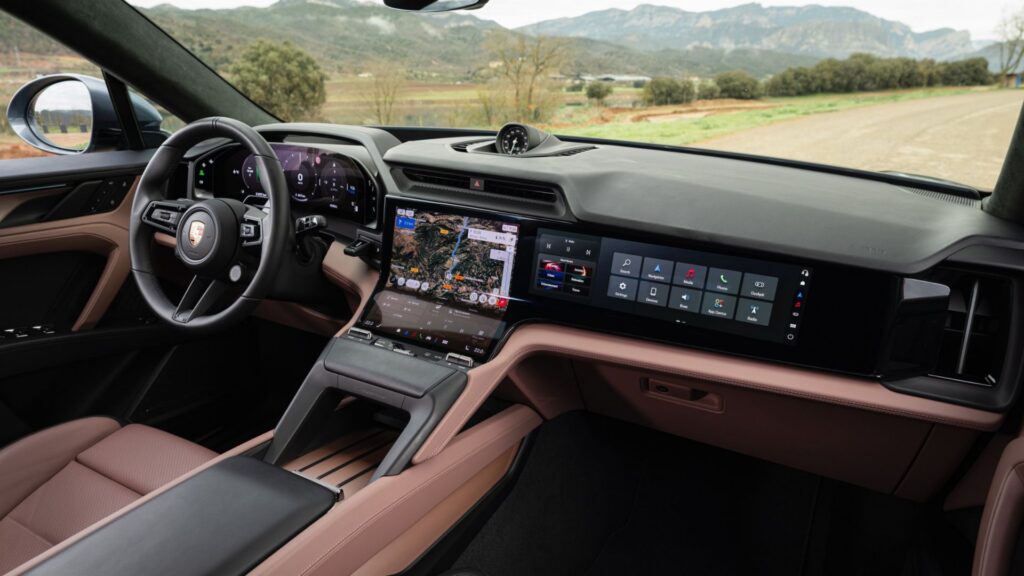
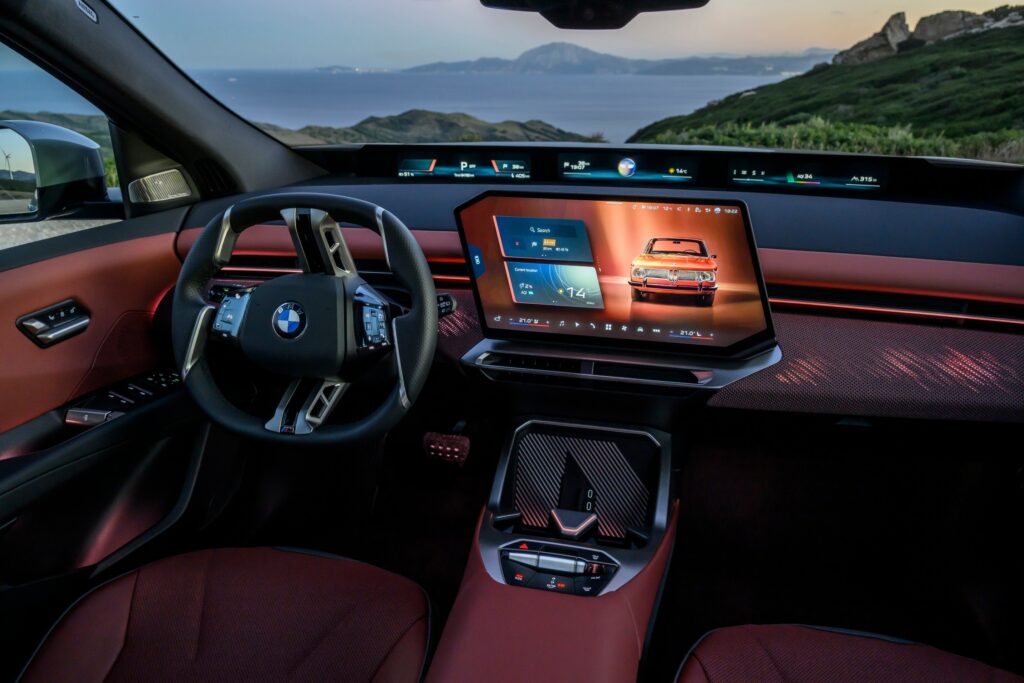
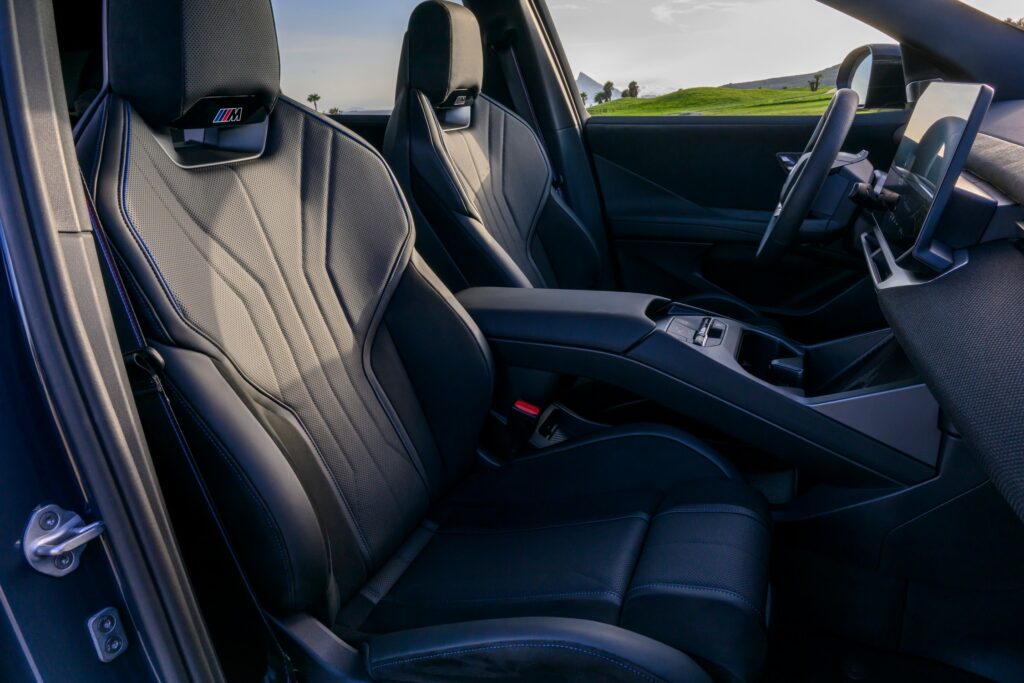
Inside, BMW has completely transformed the vehicle cabin, doing away with traditional physical buttons and the longstanding rotary iDrive controller. Taking center stage is the “Panoramic Vision” display, a full-width projection screen spanning the base of the windshield. Operating as an expanded head-up display visible to all occupants, it keeps critical driving metrics directly in the driver’s natural line of sight.
The driver interacts with a unique “Squircle” steering wheel—a hybrid geometry combining rounded and squared elements inspired by modern game controllers. The wheel spokes feature illuminated touch pods that remain flush with the gloss black trim when the vehicle is off, coming alive with active haptic feedback upon startup.
Below the Panoramic Vision display sits a 17.9-inch matrix-backlit central touchscreen angled aggressively toward the driver. This parallelogram-shaped display pays homage to the driver-centric dashboards of classic 1980s BMW 3-Series models. However, because third-party smartphone mirroring apps like Apple CarPlay and Android Auto are rendered in standard rectangular ratios, the software sits inside a slanted boundary, creating distinct triangular dead zones in the display corners.
To supplement touchscreen controls, BMW integrated an AI-powered Intelligent Personal Assistant backed by Amazon Alexa technology. Drivers can speak natural commands such as “Hey BMW, I’m freezing,” prompting the car to instantly raise the cabin temperature and activate the heated seats.
Cabin Practicality, Sustainable Upholstery, and Canadian Pricing
In keeping with the platform’s focus on circularity and sustainability, the standard interior comes wrapped in Verganza, a premium synthetic upholstery crafted from recycled materials. For buyers preferring traditional luxury touches, supple Merino leather upholstery remains available as an option.
Thanks to the dedicated EV architecture and flat interior floor, passenger accommodations are generous. The cabin comfortably seats five adults without a center transmission tunnel intruding on legroom. Rear cargo space is equally functional, easily accommodating sports equipment, luggage, or daily errands.
In Canada, the 2027 BMW iX3 50 xDrive carries a starting MSRP of $75,900 CAD, with a wide variety of exterior paint colors, wheel packages, and interior themes available.
The Final Verdict
The BMW iX3 Neue Klasse successfully bridges the gap between classic BMW driving dynamics and cutting-edge electric innovation. With acceleration that rivals classic M cars, real-world cold-weather range, and an ambitious interior tech suite, it positions itself as a forward-looking luxury crossover.
If you’d like to learn more or test drive the BMW iX3, please get in touch with us at the BMW Store Vancouver or BMW Langley.