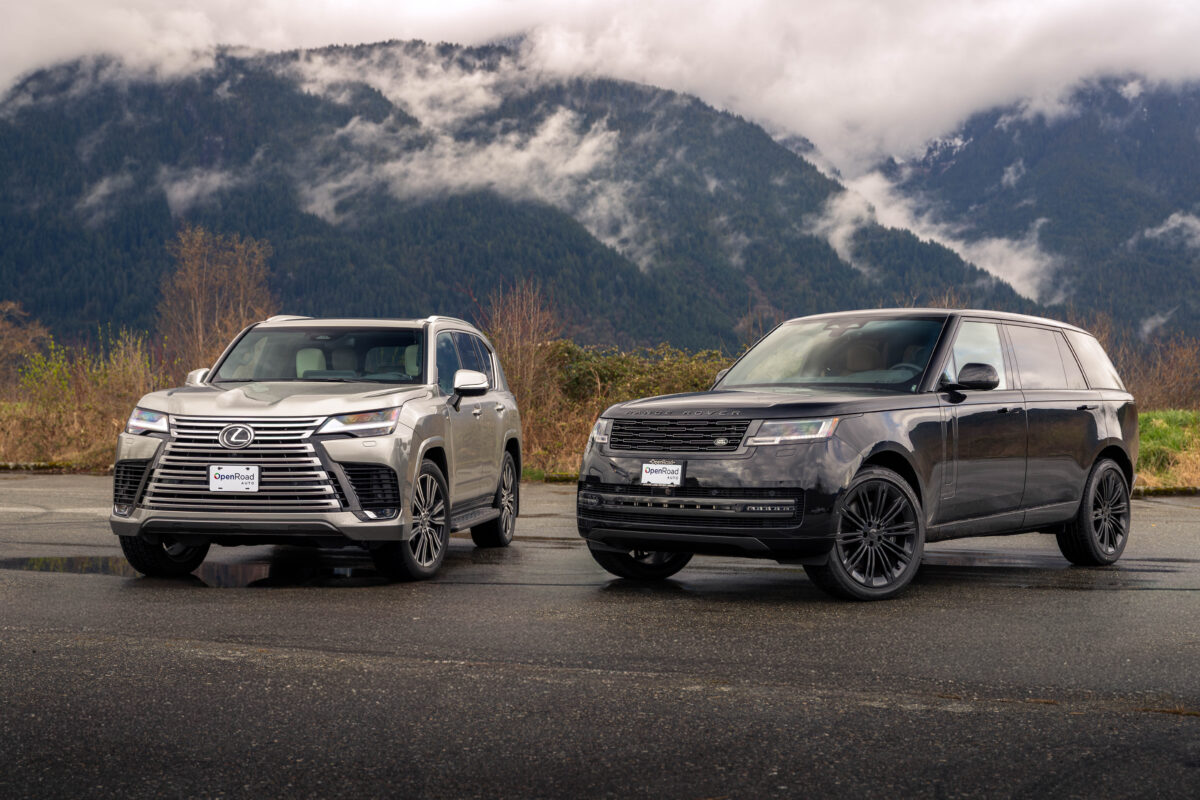
Battle of the Behemoths – Lexus LX700h vs Land Rover Range Rover

Big, expensive, and unapologetically opulent. Two titans of luxury off-roading. There’s the brand-new Lexus LX700h, now with hybrid muscle and a reputation for lasting longer than the scenery behind it. And next to it, the ever-so-English Range Rover. It’s as suave as it is sophisticated, the go-to chariot for the well-heeled and well-mannered. But here in Canada, where luxury meets snow drifts and 91 octane costs more than gold, which one actually makes more sense?

Design

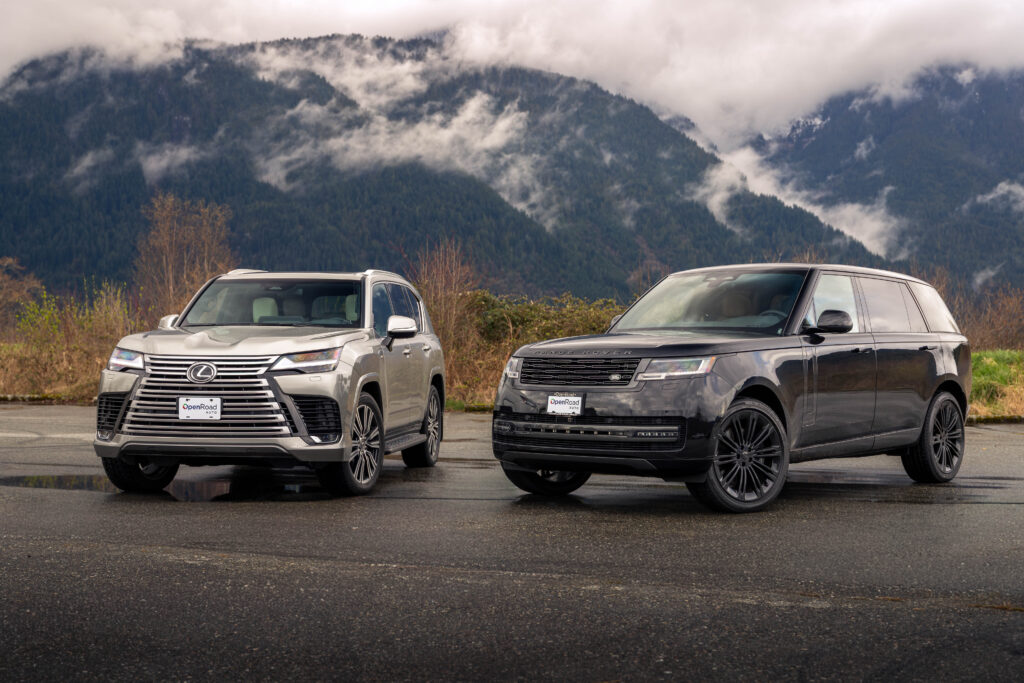
The Lexus LX700h looks like it’s been carved out of a single block of steel. Sharp creases, dominating grille, and enough polished aluminum to blind a moose at sunrise. It’s unmistakably Japanese — bold, confident, and about as subtle as a hockey brawl. 

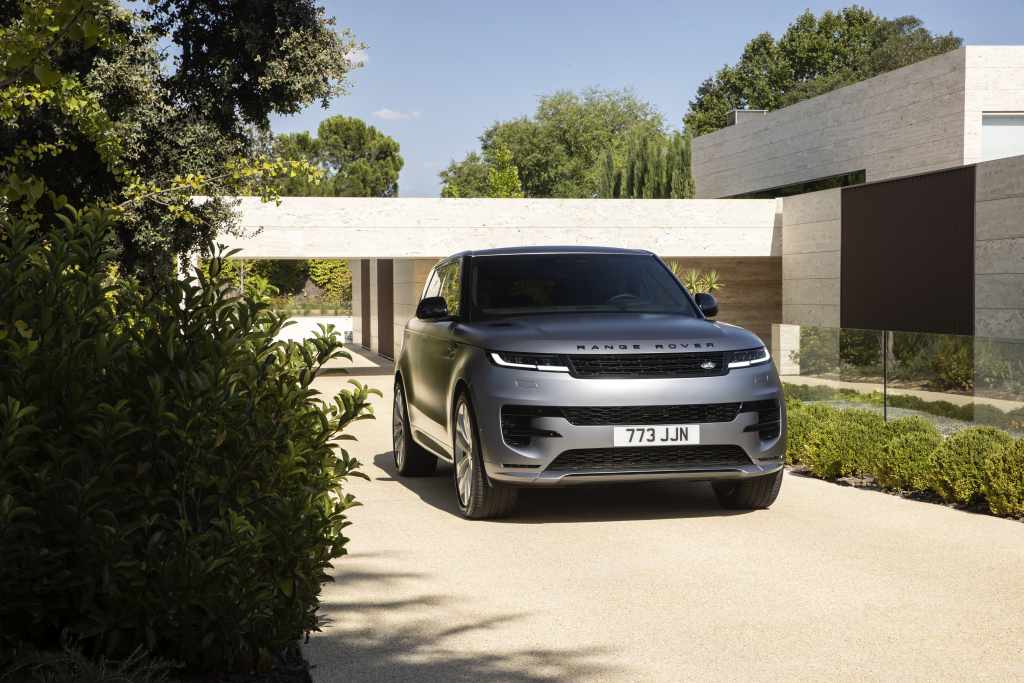
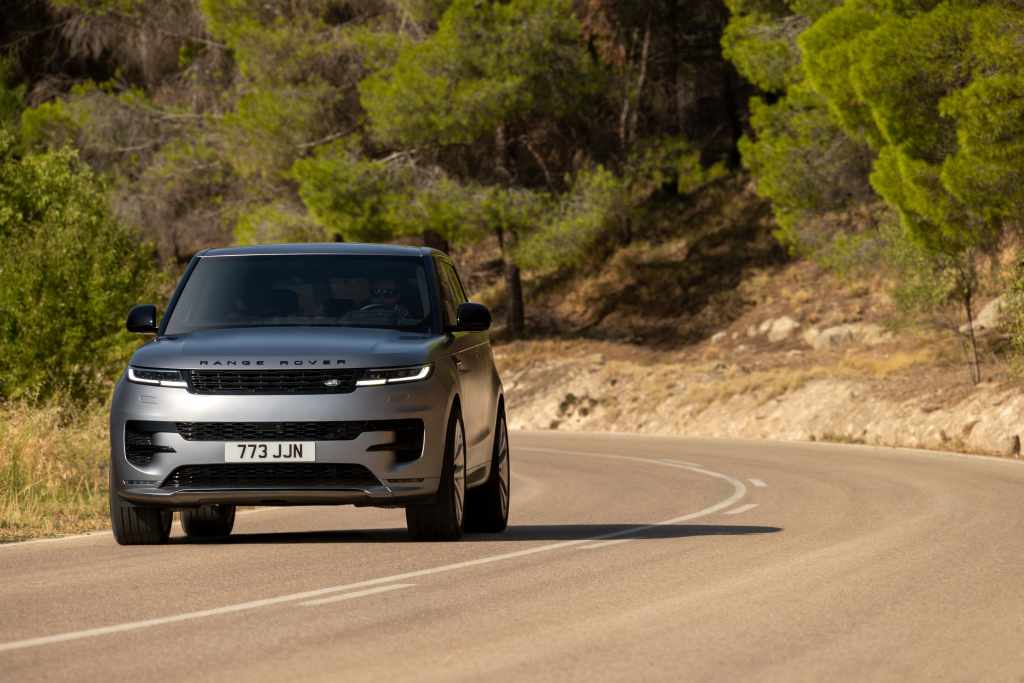
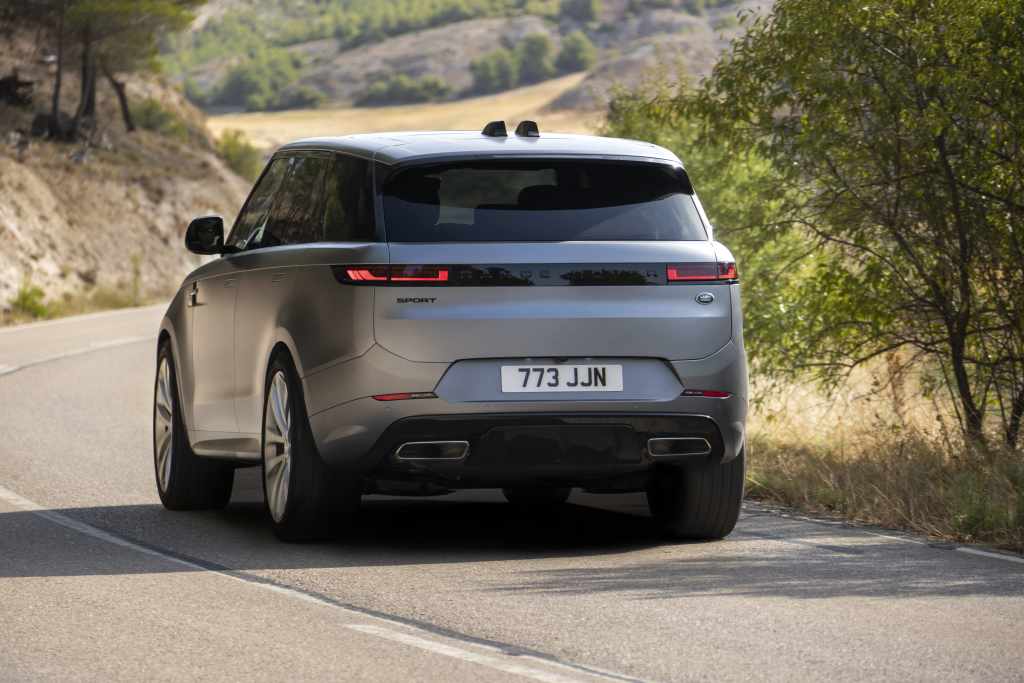
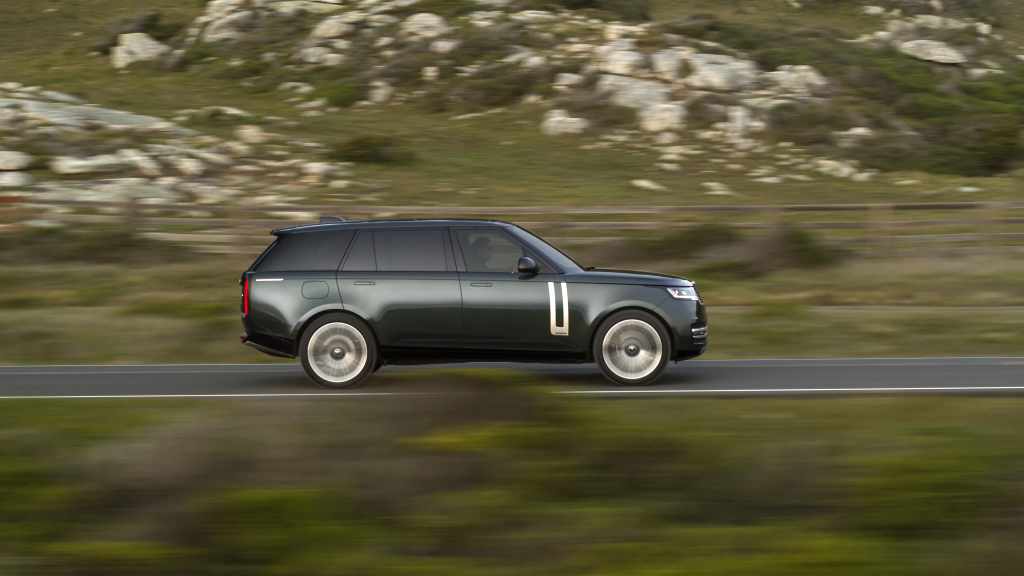
Meanwhile, the Range Rover keeps its minimalist elegance. That clean profile and floating roofline still turning heads since… forever. It’s less ‘look-at-me’ and more ‘I-own-a-private-island.’ 

If you’re after street presence, the Lexus wins for drama. But for pure class? The Range Rover takes it. No contest. 

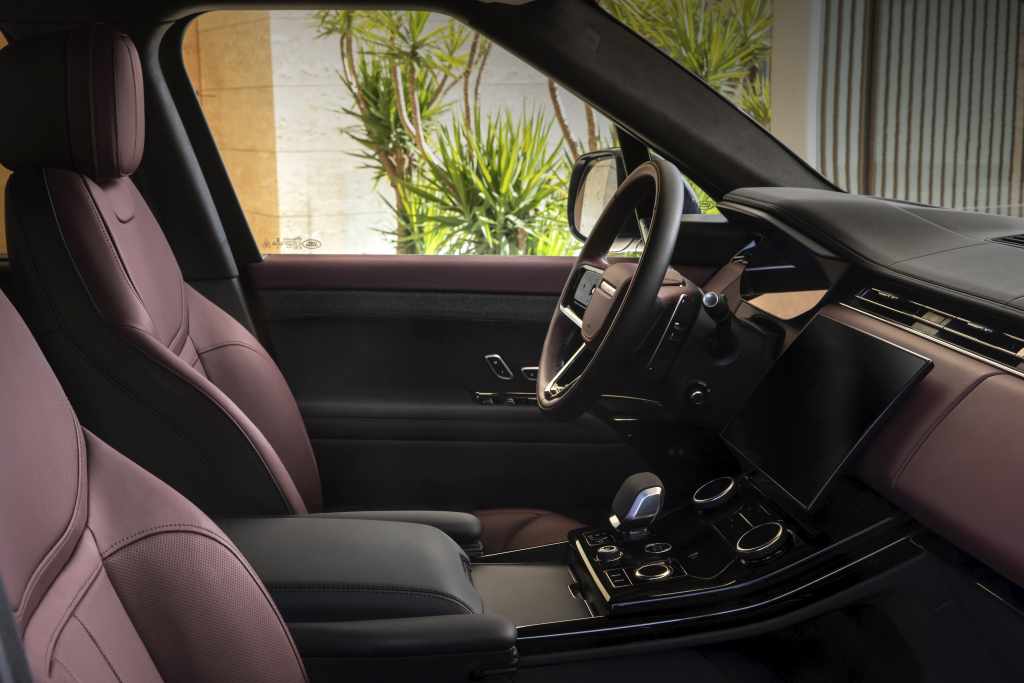
On the inside, the Range Rover’s cabin is an art gallery of understatement. Windsor leather options, 16-speaker Meridian 3D sound system, and a touchscreen that actually doesn’t make you pull your hair out. Add in heated, cooled, and massaging everything — including your ego.

With the long wheelbase option ticked off, the Range Rover seats 7 in utmost comfort, including those in the 3rd row. But if you skip the extra seats and go for the Executive Class rear setup, things get properly decadent. You get two individual recliners that heat, cool, and massage in near silence, separated by a full-length console with touchscreen controls and deployable walnut tables. It’s business-class travel with better suspension.

The LX700h stays true to its Land Cruiser roots. 7 seats, plenty of room for the kids, hockey gear, and a week’s worth of camping supplies. But the third row still feels more like a penalty box than a lounge. It’s very tight if you’re over 6 feet tall.

However, tick the box for the Executive VIP package, and it transforms the second row into something fit for royalty. Out go the three bench seats, and in come two enormous captain’s chairs with full recline, ottoman leg rests, ventilated and heated cushions, and even a built-in massage program. You also get a rear touchscreen control panel, separate climate zones, and a Mark Levinson sound system that somehow makes road noise vanish into thin air. It’s less family SUV and more private jet experience. 

Technology

On the tech side, both spoil you with toys. Adaptive cruise, lane guidance, 360-degree cameras, auto parking, and enough driver aids to make a pilot jealous. But the Range Rover’s tech feels more integrated, almost invisible. Its new Pivi Pro 2 infotainment runs on a 13.1-inch curved display that responds instantly. Add wireless updates, Alexa integration, and a digital key through your smartphone, and it starts to feel like you’re in Silicon Valley. Even the four-zone climate system can preheat or cool the cabin from your Range Rover app before you’ve even put on your coat. 

The Lexus takes a different approach. Less flash, more dependability. You still get all the assists like adaptive cruise, lane trace, blind-spot monitoring, and so on, but Lexus deliberately leaves a few physical controls in place, knowing some of us prefer a proper button when it’s minus twenty outside.  

Add in a head-up display, crisp cameras, and bulletproof consistency, and it’s technology that feels built to last, not just to impress. So yes, the Range Rover dazzles with screens and software. The Lexus? It just works — and in a Canadian winter, that might be the smarter kind of genius. 

Powertrain

Under the hood, the LX700h packs a 3.4L twin-turbo hybrid V6. 457 hp & 583 lb-ft of torque all sent through a 10-speed automatic transmission. 0-100 km/h takes around 6 seconds, which is not too bad for something that weighs as much as a small cottage. 

The hybrid system fills in the gaps between gear changes, so power arrives in an effortless wave. There’s no drama, just torque. It’s a smooth, electric shove that makes it feel smaller and lighter than it is. 

The LX rides on a body-on-frame chassis which means that it can shrug off small craters in the road. However, there’s no hiding that weight. You feel it through the turns. But it’s not trying to be sporty. It’s trying to be effortless, and in that way, it absolutely delivers. 

The Range Rover, on the other hand, doesn’t just have power; it has theatre. You can get it with a 395 hp inline-6 with a mild-hybrid system, or a 4.4L twin-turbo V8 with up to 607 hp. 0-100 km/h comes up in under five seconds, which is faintly ridiculous for something this tall, this heavy, and this dignified. 

Out on the road, the V8 feels endlessly smooth. There’s no real sense of turbo lag, just a deep well of torque from barely above idle. With the adaptive air suspension keeping the body flat, it corners with far more grace than its size suggests.  

It’s not the most efficient luxury SUV with a combined fuel economy rating of 12.9 L/100km for the V8 while the LX700h can achieve up to 11.7 L/100km combined. But you can opt for the plug-in hybrid version of the Range Rover with up to 90 km of gasoline-free driving range. Plug it in overnight, and you can do most weekday drives without burning a drop of fuel. 

Off-Road

Of course, all this luxury doesn’t mean much if you’re stranded the moment the pavement ends. And both of these beasts carry the kind of off-road reputation most crossovers can only dream about. 

The Lexus LX700h rides on proven Land Cruiser hardware, complete with full-time four-wheel drive, locking center differential, and multi-terrain select modes. Add in its hybrid torque delivery, crawl control, and a low range that’ll pull you up a rocky trail like a winch. 

The Range Rover, though, approaches off-roading with sophistication rather than brute strength. Its Terrain Response 2 system automatically adjusts air suspension, throttle, and traction control for whatever nature throws at it. And with up to 11.6 inches of ground clearance and a water wading depth over 35-inches, this thing could practically ford a small river on your drive to Whistler. 

Pricing

Now for the tough part, the price. The Lexus LX700h stars at $138,191 CAD with the top spec Executive VIP costing north of $173,000 CAD. 

The Range Rover starts at $133,000 CAD but once you add in every option, and there are A LOT of options, you’re easily looking at over $300,000 CAD.  

So, these are two different approaches to luxury. If you value bulletproof engineering, long-term reliability, and modest running costs, the Lexus is the smarter choice. But if you crave refinement, technology, and that intangible sense of prestige, the Range Rover still sits at the very top of the luxury food chain. 

One’s built to outlast civilization; the other, to rule it. Either way, lucky are those choosing between them.  

If you’d like to know more or test drive either of these luxury SUVs, please get in touch with us at OpenRoadAuto.com 


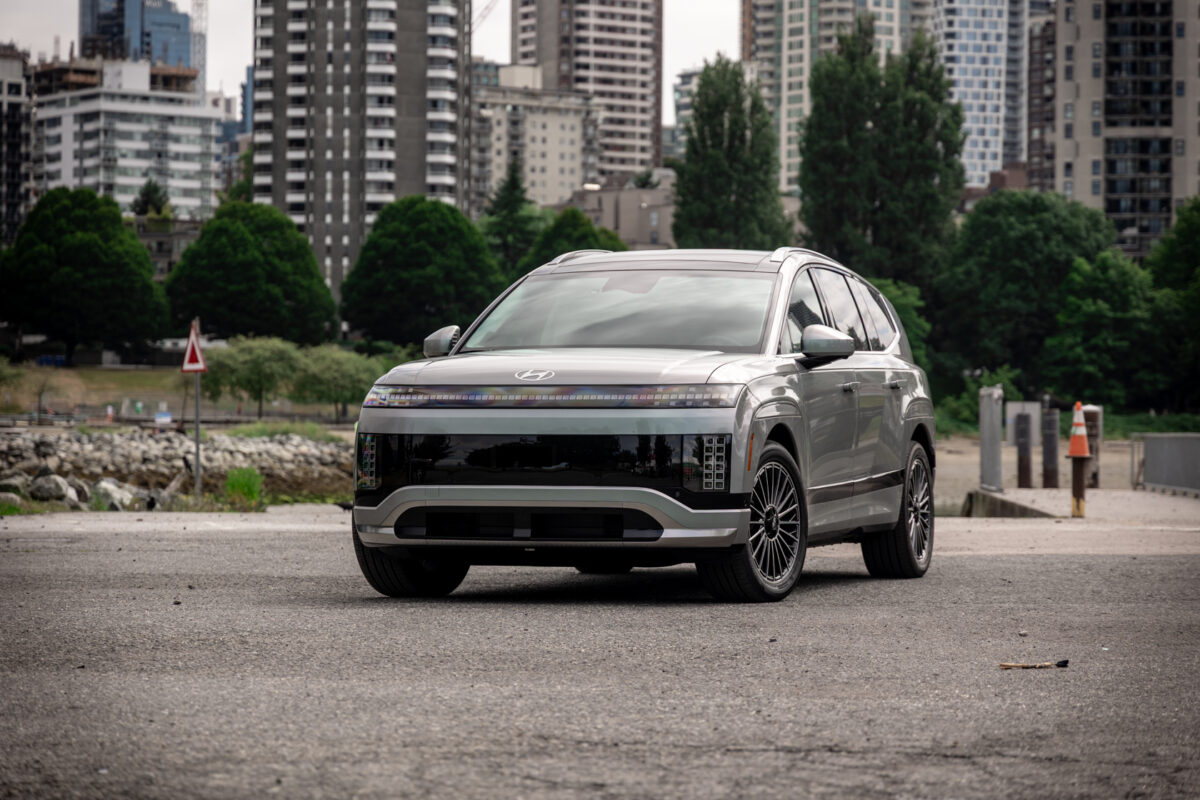
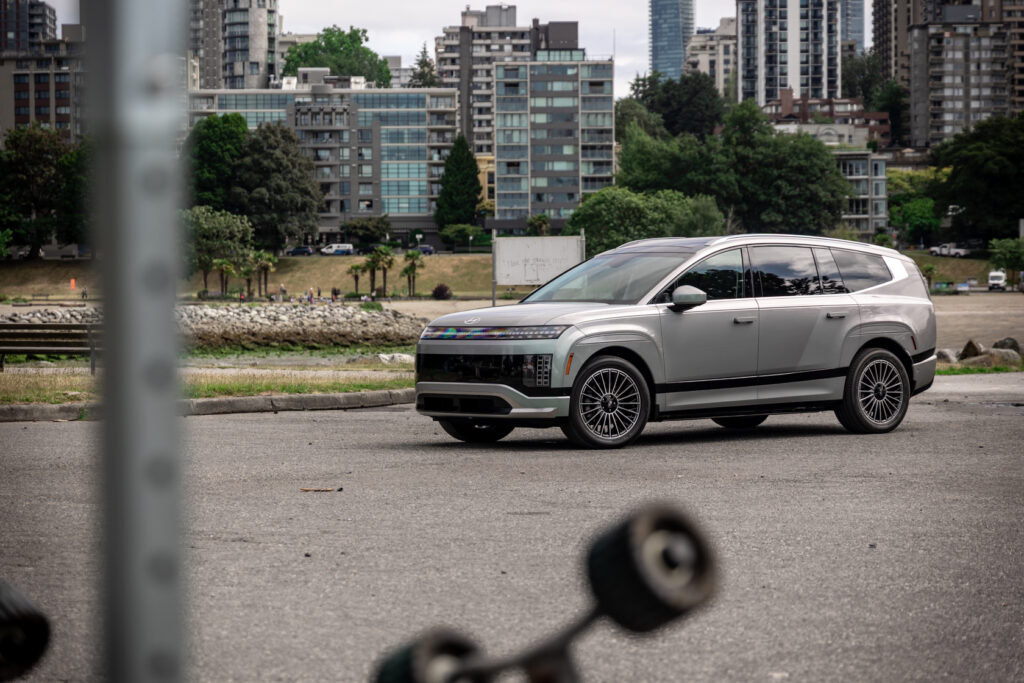
The 2026 Hyundai IONIQ 9 is the Electric 3-Row You’ve Been Waiting For.

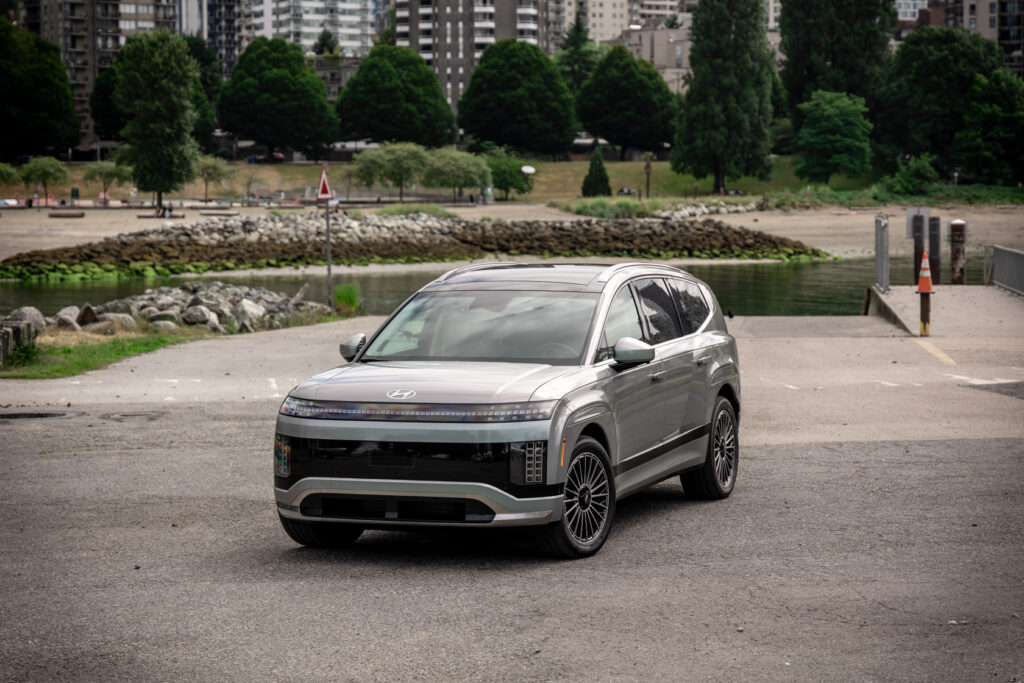
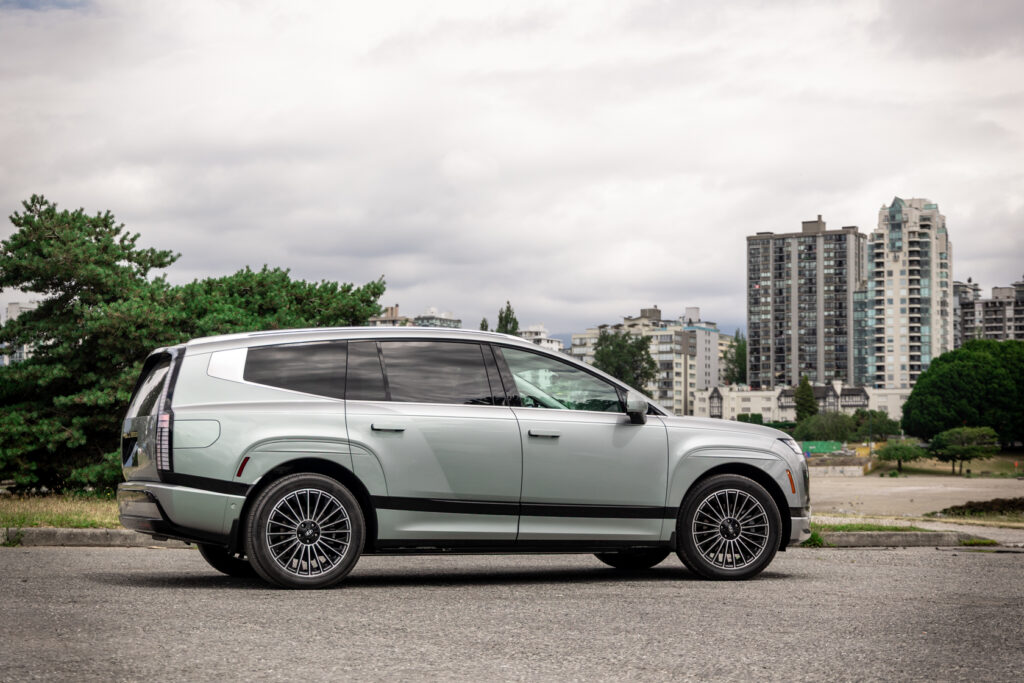
The all-new IONIQ 9 joins Hyundai’s award-winning EV lineup. It is a large 3-row electric SUV with an eye-catching exterior and a spacious 6 or 7 passenger interior. 

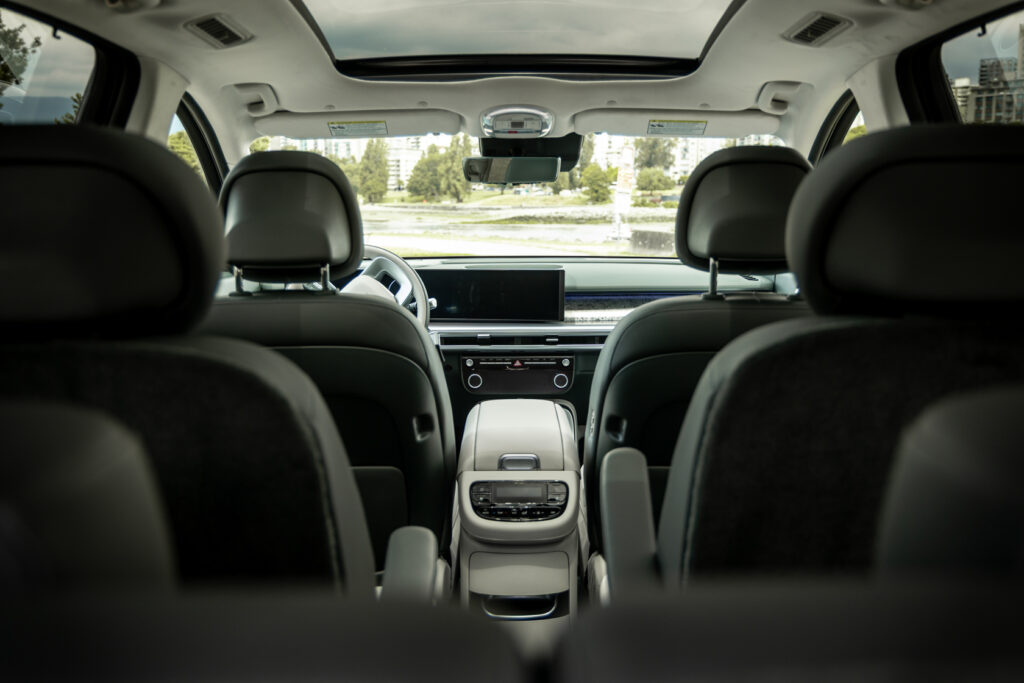
The IONIQ 9’s lounge-like atmosphere is created through elliptical elements and calming tones, while natural light streams through the panoramic sunroof. Passengers can experience exceptional roominess with ample second- and third-row space. 

The flat floor accommodates flexible seating arrangements for six or seven occupants, while Relaxation Seats in the first and second rows offer full recline capability with leg rests — perfect for relaxing while recharging. 

Speaking of charging, the IONIQ 9 has a 110.3 kWh battery pack in the floor with an 800-Volt architecture. The higher Voltage enables the IONIQ 9’s battery to be recharged at a faster rate for a longer period of time without needing to worry about excessive heat build-up in the battery pack. With charging speeds of up to 350 kW, the IONIQ 9 can be recharged in as little as 24 minutes from 10% to 80%.  

Additionally, the IONIQ 9 adopts the NACS charging plug. This is more commonly known as a Tesla charging plug which will enable the SUV to be charged up from any one of the thousands of Tesla Superchargers across Canada and the United States. 

Once the SUV is charged up, it can be driven for over 500 km. Best of all, the 500+ km driving range is for all trim levels. This is achieved through its sleek exterior design which has an overall drag coefficient of 0.269. To put it into perspective, that is the same drag coefficient as the much smaller Toyota Prius. 

It’s not just about efficiency though, the Hyundai IONIQ 9 is a powerful 3-row SUV as well. The dual-motor AWD+ variant produces as much as 422 hp and has a 0-100 km/h time of just 5 seconds. Regular AWD models produce 303 hp while the RWD version produces 215 hp. In addition, the Hyundai IONIQ 9 can tow up to 5,000 lbs. 

The IONIQ 9 delivers a luxurious and refined driving experience thanks to its smooth and comfortable ride. Its suspension has been specially designed for this electric SUV, featuring a MacPherson strut front and multi-link rear setup along with self-leveling dampers. 

Inside, IONIQ 9’s cabin is a haven of tranquility, thanks to the triple door seals, acoustic glass, sound-absorbing tires and Active Noise Control technology. These features effectively suppress wind and road noise, particularly at highway speeds. 

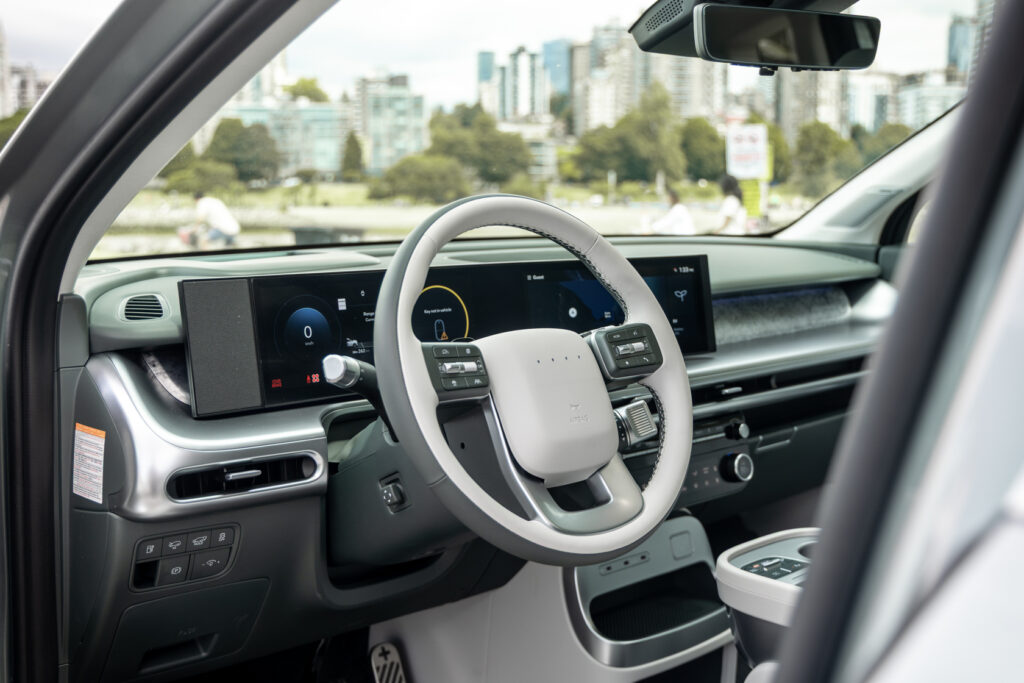
Sticking with the interior, the IONIQ 9’s cabin design is reminiscent of the IONIQ 5’s with a simple dual-screen layout. Both the driver instrumentation and infotainment touchscreen measure 12.3” diagonally. Climate controls, USB ports, and small item storage bins are conveniently located right underneath the infotainment touchscreen. For a bit of extra space, the center console can slide forwards or backwards for easier access by the 2nd row occupants and to allow a passthrough in between the front seats. 

The 3-row SUV incorporates a route planner which will display charging stations along your planned trip and estimate the battery state of charge when you reach a charging station and your destination. The Hyundai IONIQ 9 can also power external electronics such as a small coffee machine with its V2L technology. This can make family camping a much more luxurious experience. 

The 2026 Hyundai IONIQ 9 starts at $59,999 with the top spec Ultimate Calligraphy trim costing $81,499 and this new EV is available right now at OpenRoad Hyundai Richmond.


The 2025 Acura ADX Brigs Luxury at an Affordable Price

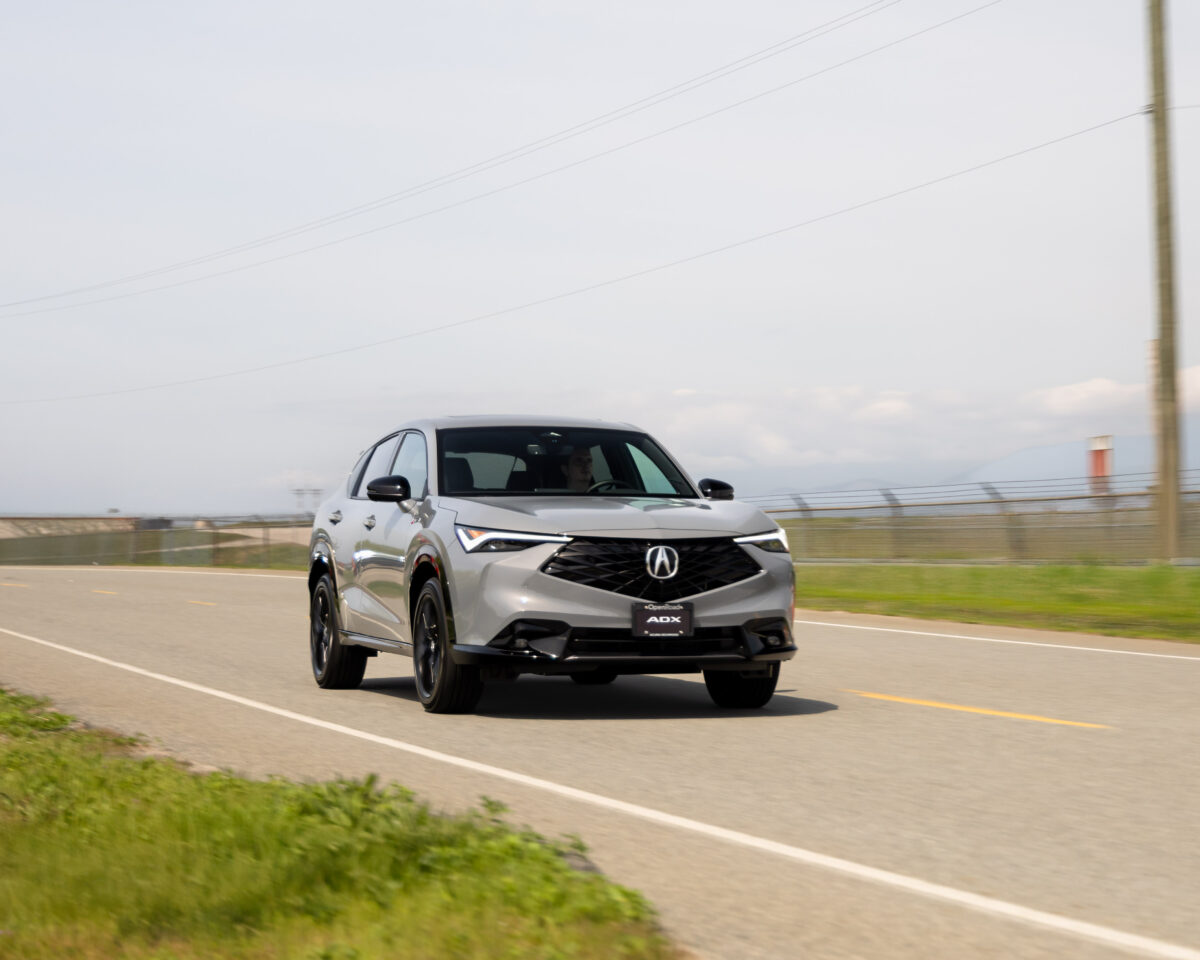
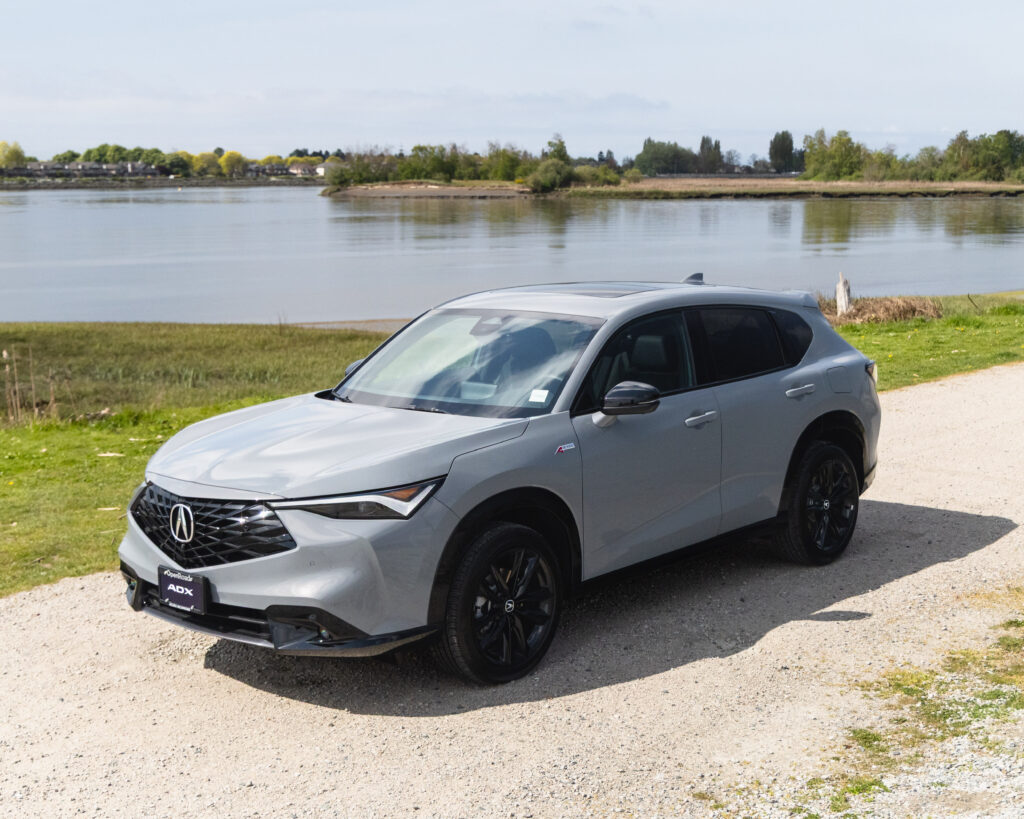
What is the Acura ADX? In short, it’s a new entry point into the Acura brand for a smidge under $45,000. It’s based on the Honda HR-V but don’t think of this as a fancy HR-V. Acura’s engineers made a lot of changes to make sure that this is an Acura product.  

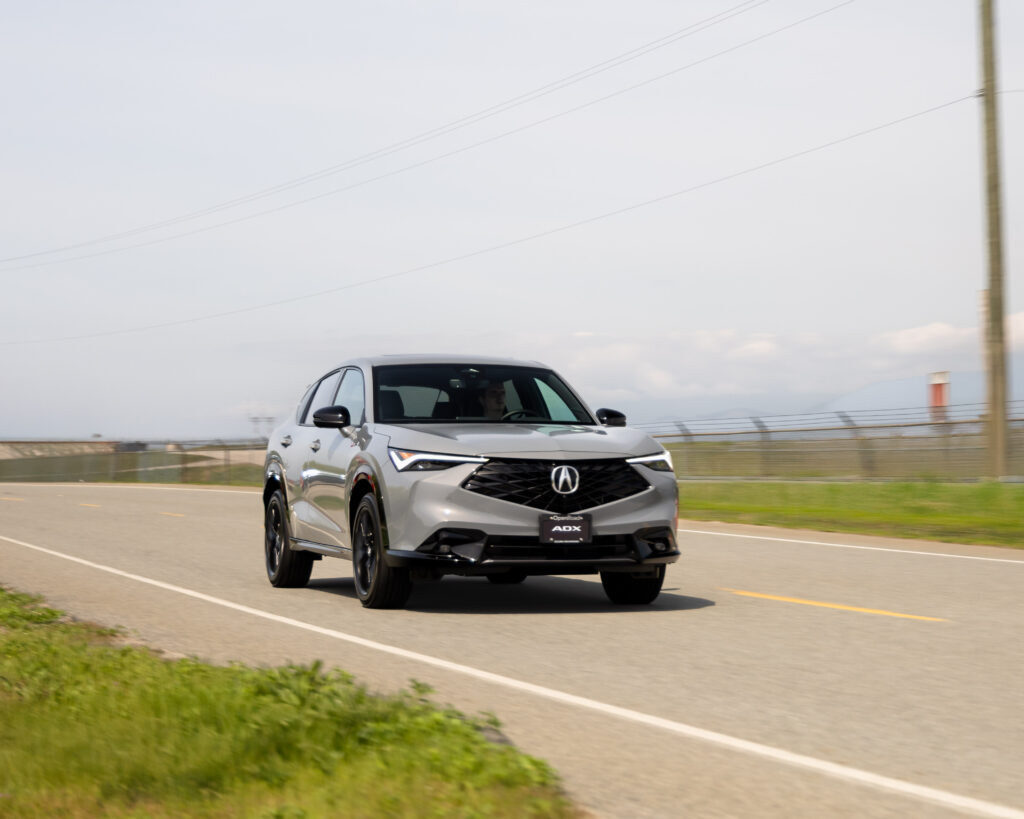
The most noticeable change is the styling. The ADX follows the same design language of its bigger brothers. It has the diamond pentagon grille, the chicane LED daytime running lights and taillights, and optional sporty looking 19” alloys wheels.  

The interior styling doesn’t have quite the same design as the larger RDX or MDX, but it is very simple to use. The contoured steering wheel fits nicely into your hands, there are physical climate control switches, a standard 10.2” digital driver display, and a 9” touchscreen. There’s no trackpad in this car. 

The cabin features premium materials such as ultrasuede upholstery, contrasting red stitching and a leather wrapped steering wheel. It can also be equipped like a premium vehicle.  

It comes standard with heated front seats, a heated steering wheel, dual-zone automatic climate control, panoramic sunroof, and a wireless phone charging pad.  

However, if you opt for the Platinum Elite A-spec trim, it’ll come equipped with ventilated front seats, a Bang & Olufsen sound system with 15 speakers, surround view cameras, and a 12-way power adjustable driver’s seat.  

The infotainment system also gets an upgrade on the Platinum Elite A-spec trim with Google built-in and Amazon Alexa built-in. But you don’t need to move up to the top trim in order to have wireless Apple CarPlay and wireless Android Auto along with Wi-Fi hotspot capability. 

The Acura ADX is also a spacious subcompact luxury crossover. Of course, front occupants have the most room, but space back here is not too bad. There’s also a lot of space in the trunk with almost 700 L behind these rear seats.  

On the move, the Acura ADX gets its power from a 1.5L turbocharged 4-cylinder engine. This is similar to the one that is used in the Acura Integra. It produces 190 hp and 179 lb-ft of torque with the power being distributed to all four wheels via a standard AWD system and a continuously variably transmission. 

This engine doesn’t make the ADX as quick as Acura’s larger SUVs, but it does feel peppy. It doesn’t struggle to get off the line nor to merge onto a highway.  

It’s also quite economical for a turbo engine with AWD. It’s rated for 9.1 L/100km in a city and 7.7 L/100km on a highway.  

The AWD system is unfortunately not Acura’s super handling AWD system like the one found in the RDX or MDX. It cannot send more of the engine’s torque to the outside rear wheel while cornering for better driving dynamics. Instead, up to 50% of the engine’s torque can be sent to both back wheels and Acura’s integrated dynamics system allows you to choose from four different drive modes with the Platinum Elite A-spec providing an individual drive mode that can be customized to your liking. 

As mentioned at the start of the review, the new Acura ADX will start at just under $45,000 with a fully loaded Platinum Elite A-Spec at $51,480.  

Should you want to learn more about the ADX or test drive it for yourself, our knowledgeable product specialists at OpenRoad Acura Richmond are more than happy to help you out.


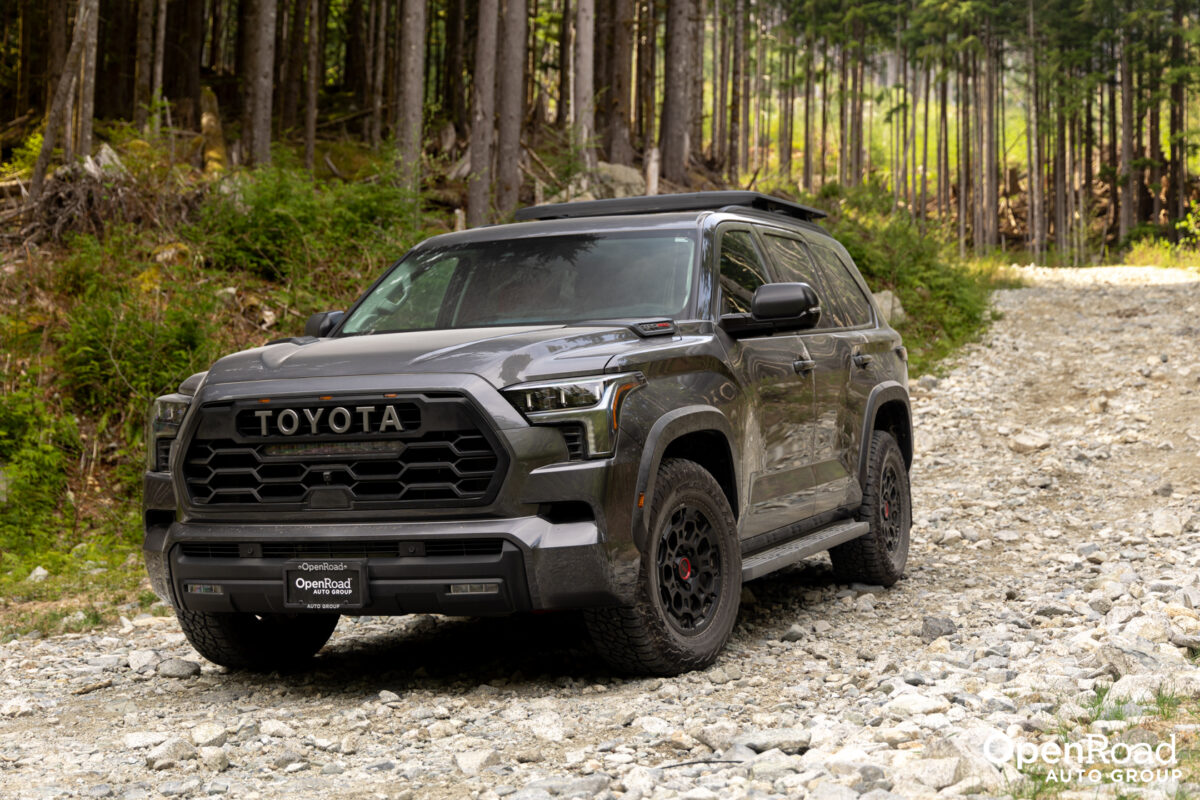
The 2025 Toyota 4Runner Arrives with More Tech and Off-Road Capability

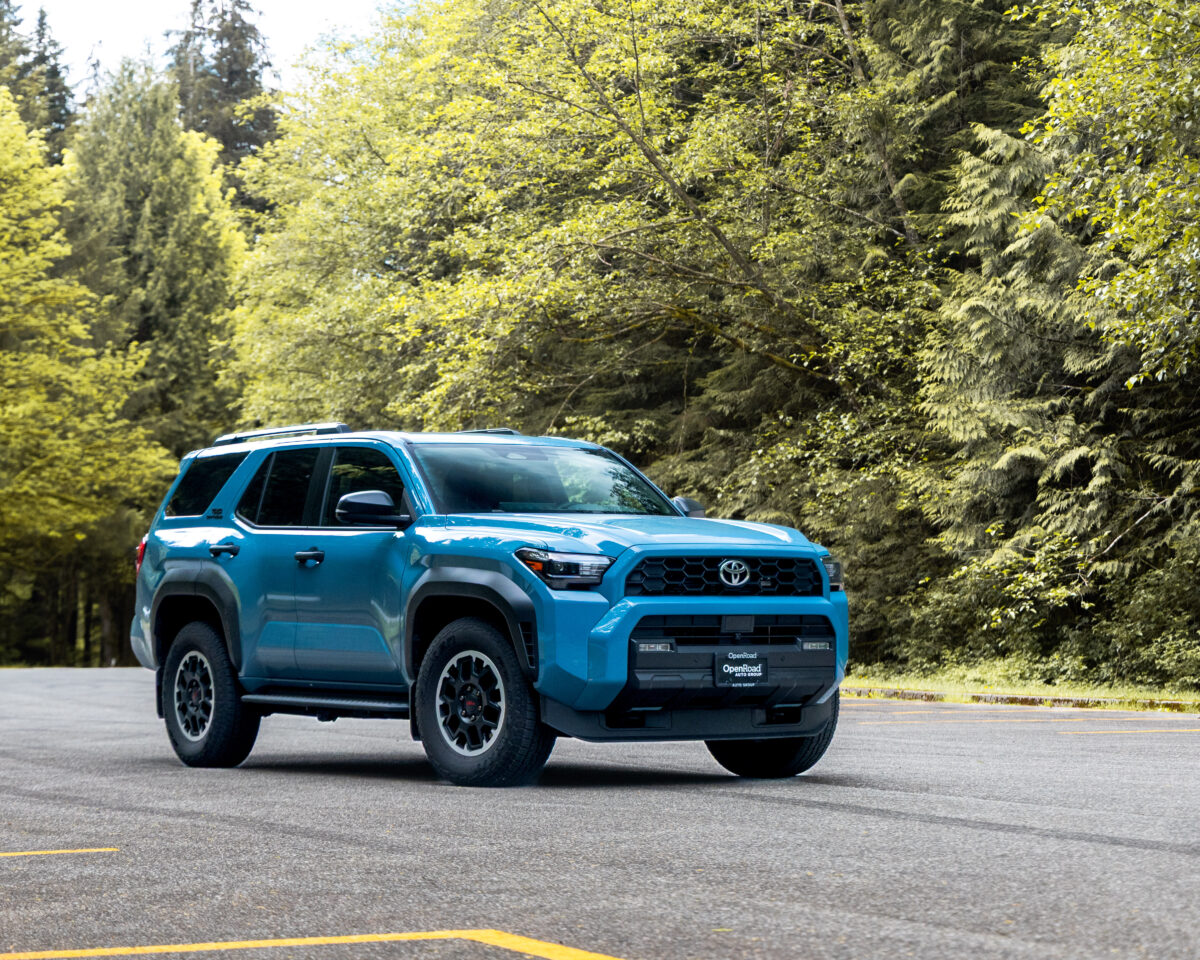
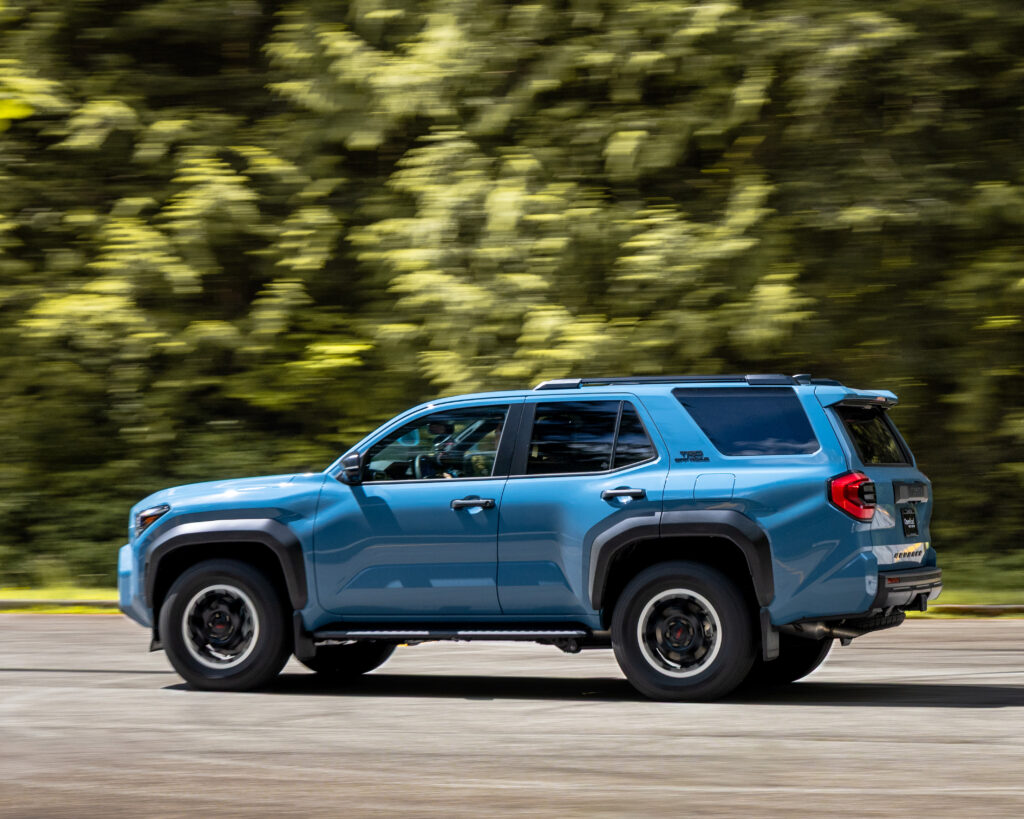
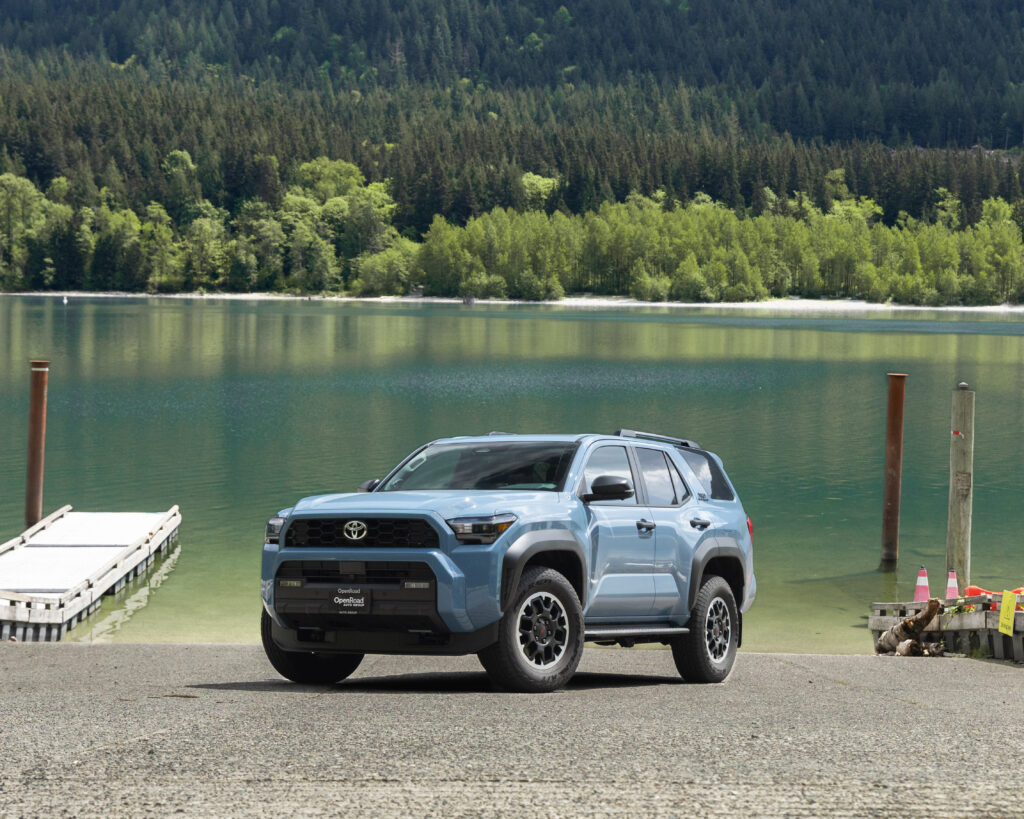
15 years. That’s how long the 5th generation Toyota 4Runner has been on sale. By automotive standards, that is an eternity. But in 2025, Toyota has given us a brand new, 6th generation 4Runner that promises to continue the off-road characteristics that the 4Runner is known for in addition to providing a refined and technologically advanced SUV. 

Like the previous generations, the new Toyota 4Runner has a body-on-frame chassis. This is the same one that is shared with the Tacoma, Land Cruiser and Tundra. It’s a high strength, boxed, steel ladder frame with multi-link coil suspension on the back and double wishbone suspension on the front.  

This new platform improves the ride quality when driving on city streets in addition to providing a stronger chassis when off-roading. Speaking of which, the new 4Runner receives some of the off-road goodies from the Tacoma and Land Cruiser. 

Some of these goodies include a front disconnecting sway bar, Bilstein, Old Man Emu, or Fox shock absorbers, a locking rear differential, and rock rails to protect the body. 

These off-road features vary depending on which off-road trim of the 4Runner you choose. There’s the TRD off-road, the TRD Pro and the new Trailhunter trim. These trims can provide an approach angle of up to 32 degrees and a departure angle of up to 24 degrees. They also use the Multi-Terrain Select system, which now functions in both 4WD high and 4WD low, to adjust various vehicle settings for better traction in mud, sand, and dirt environments.  

All three of these off-road ready trims of the 2025 4Runner are available with the new hybrid powertrain. 

The V6 is gone and in its place is the 2.4L turbocharged 4-cylinder hybrid engine of the Land Cruiser and Tacoma. It produces 326 hp and 465 lb-ft of torque. Not only is this the most powerful 4Runner but it’s also much more economical.  

The hybrid version of the 2025 Toyota 4Runner is rated for 9.9 L/100km combined.  That is a drastic improvement over the 13.8 L/100km combined of the old Toyota 4Runner.  

This is achieved not only by the aid of the 48 hp electric motor but also the new 8-speed automatic transmission. Furthermore, this hybrid powertrain enables the 2025 4Runner to tow up to 6,000 lbs. 

But unlike the Toyota Land Cruiser, this new 4Runner is available with a second engine. It’s the same 2.4L turbo 4-cylinder but without the hybrid assist. It produces 278 hp and 317 lb-ft of torque.  

Of course, this non-hybrid engine isn’t quite as fuel efficient with a combined rating of 11.1 L/100km but that’s still better than the previous generation 4Runner.  

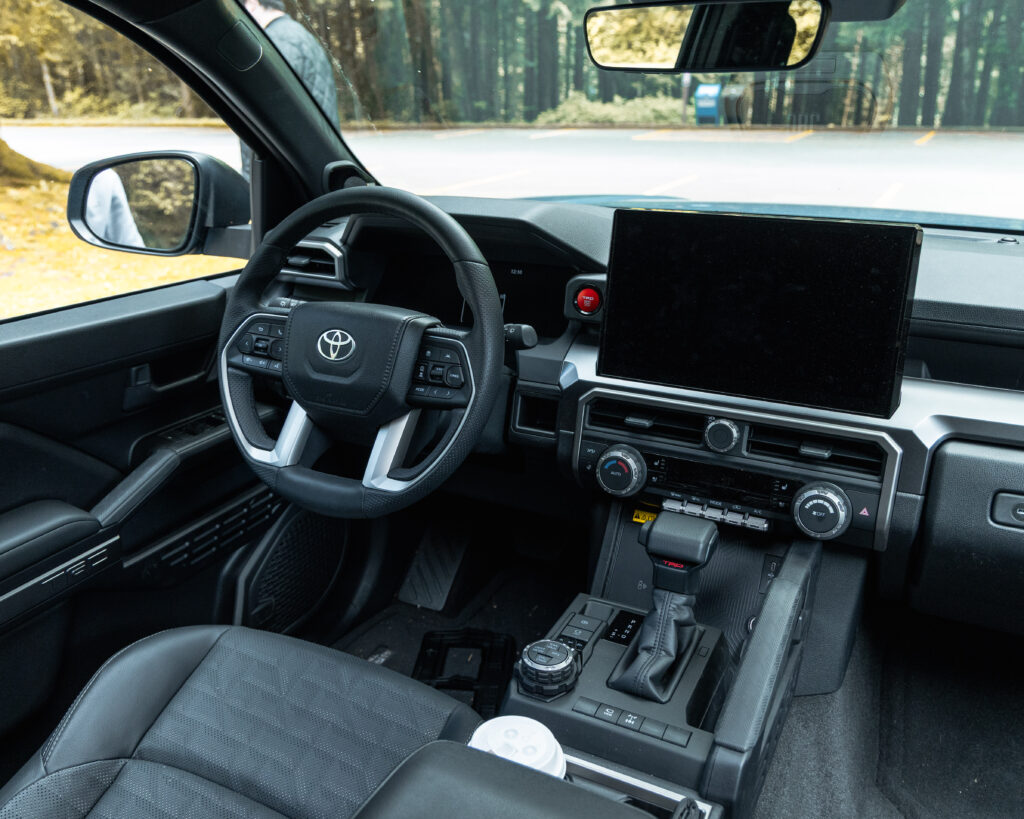
The interior of the new 4Runner is almost identical to that of the Tacoma which is not such a bad thing. It means that a vast majority of controls are operated by physical buttons and physical knobs.  

As standard, the 2025 Toyota 4Runner comes with an 8” infotainment touchscreen and a 7” digital driver display. Moving up in the trims increases these sizes to 14-inches and 12.3-inches respectively. 

The infotainment system displays Toyota’s Multimedia system that is found in all other current Toyota vehicles. It supports wireless Apple CarPlay and wireless Android Auto with this new generation 4Runner allowing for a digital key. The digital key can be connected to a smartphone to allow for vehicle entry and vehicle start up. 

The new 4Runner can also be equipped with features that were never available on the previous generation. Some of these include power operated running boards, a head up display, heated rear seats, ventilated front seats, and a digital rearview mirror. 

But of course the one feature that everyone wanted to remain on this new 4Runner is the power operated rear window. Simply press on the up or down switches, with the key near the SUV, and the rear window goes up and down. Of course you can also control this window from the inside. 

Opening the power operated liftgate reveals three rows of seats. But the 7-seat capacity is only available on certain trims of Toyota 4Runners equipped with the non-hybrid engine. Those with the Hybrid Max powertrain only have 2-rows of seats.  

Nevertheless, this new 4Runner provides a bit more legroom in the 2nd row over the previous generation. Front legroom remains unchanged. As for the 3rd row, it is very tight and should ideally be used for kids or in emergency situations when you need to ferry 6 others over a short distance. They will not want to sit in that 3rd row for very long.  

Like most other Toyota vehicles, the 2025 4Runner comes equipped with standard Toyota Safety Sense 3.0 along with blind spot monitor, rear cross traffic alert, and hill start assist. Of course, it also comes with 8 airbags to keep you and your family safe in the event of an accident. 

The 2025 Toyota 4Runner starts at $54,200 for the SR5 trim. This new generation has a total of 8 different trims, some of which are only available with the hybrid max powertrain while others are only available with the gasoline-only powertrain. The most expensive is the Trailhunter with a price of $84,201. 

So that is a look at the all-new 2025 Toyota 4Runner! What are your thoughts on this new SUV? Or do you still prefer the older generation? Let us know in the comments.  

And should you want to learn more or test drive the new 4Runner, please contact our knowledgeable product specialists at any one of our 6 OpenRoad Toyota dealerships throughout BC and Ontario.